
 Worksheets
Body Systems Review Quiz
Total questions: 80
Worksheet time: 40mins
What is the organisational hierarchy of organisms from simplest to most complex
organ, tissue, cell, organ system, organism
cell, tissue, organ, organ system, organism
organ system, organism, tissue, organ, cell
tissue, cell, organ, organ system, organism
Which organ does not belong in the circulatory system?
heart
lungs
arteries
veins
The circulatory system uses _________ to deliver oxygen to the rest of the body.
blood cells
lungs and nose
blood vessels
veins
What system breaks food down into energy for the body?
Stomach
Digestive System
Respiratory system
Excretory system
Without this system our oxygen would never make it from our respiratory system to our cells.
Endocrine System
Reproductive System
Digestive System
Circulatory System
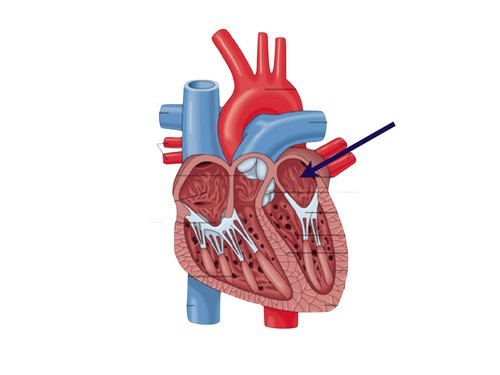

What does deoxygenated mean?
Oxygen-rich
Blood flow
Oxygen-poor
Water Flow
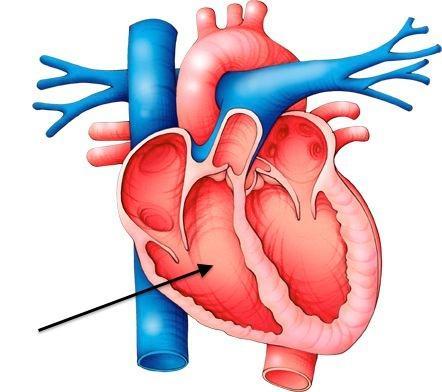
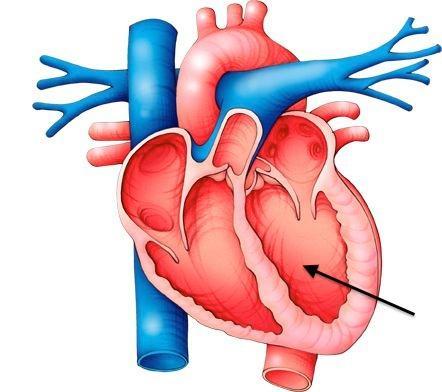
The heart is divided into ____ parts.
2
4
3
1
Veins carry blood back to the heart.
False
True
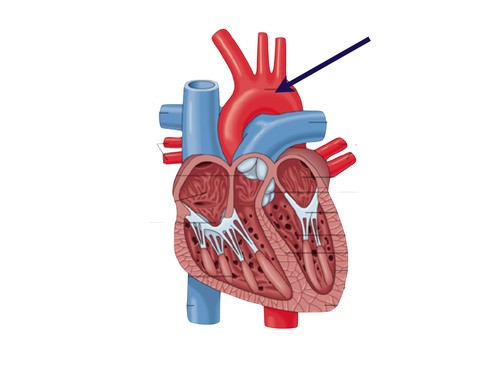
The aorta is:
a vein
an artery
a valve
a capillary
The smallest type of blood vessel is the:
nerve
vein
capillary
artery


What is an example of chemical breakdown?
Chewing
Salivary enzymes
Peristalsis
Mechanical digestion
What begins the process of mechanical breakdown?
the mouth
the esophagus
the pancreas
the stomach
Where does most digestion occur?
Stomach
Salivary gland
Small intestine
Large intestine
What produces chemicals that break down fats, starches and proteins?
Pulmonary artery
Pancreas
Pituitary gland
Stomach
What stores bile?
Colon
Gall Bladder
Small Intestine
Pancreas
What produces the bile used to break down fats?
Liver
Large Intestine
Mouth
Stomach
What absorbs water and minerals and holds waste?
Large Intestine (Colon)
Small Intestine
Gall Bladder
Stomach
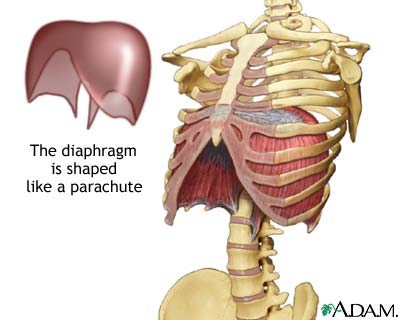
What is function of the dome-shaped diaphragm muscle?
This is where gas exchange happens.
Air passes through the diaphragm on the way to the lungs.
It attaches to the lungs and contracts and relaxes to help in breathing.
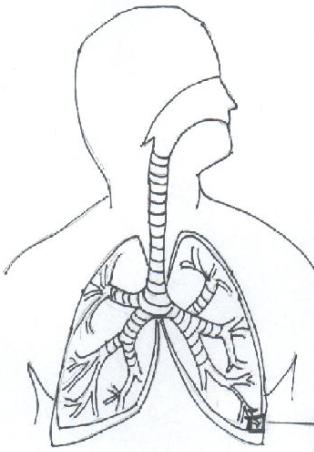
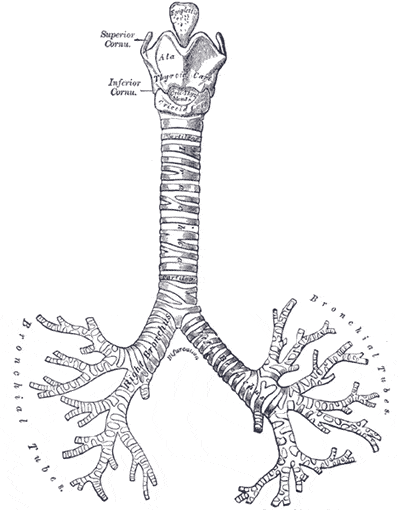
These are the two two main branches from the trachea (one to each lung)
bronchi
alveoli
capillaries
bronchioles
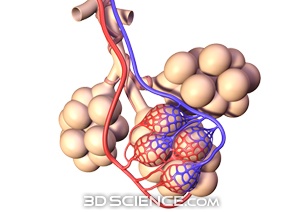

Flap of tissue that covers the opening to the windpipe during swallowing
Pharynx
Trachea
Epiglottis
Larynx

What type of cells carry oxygen in the blood?
red blood cells
white blood cells
platelets
plasma


Describe the lungs:
Thick walls filled with alveoli
Thin flexible walls filled with cartilage and alveoli
Thin, soft, and flexible - they are filled with alveoli
Football shaped organs that have thick inflexible walls

Which digestive organ makes digestive juices to help the small intestine absorb nutrients?
Liver
Gallbladder
Pancreas
Oesophagus

Number 5 is pointing to the:
liver
mouth
pancreas
stomach

Number 3 is pointing to the:
small intestine
rectum
large intestine
stomach

Number 2 is pointing to the:
oesophagus
stomach
small intestine
anus
What are the main functions of the skeleton?
Protection
Body Shape
Movement
All Of These

This type of reproduction involves two parents.
Asexual reproduction
Sexual reproduction
Which answer choice is NOT a type of asexual reproduction?
budding
fragmentation
fertilization
binary fission
Which organisms reproduce by binary fission where one single cell splits into two identical cells?
starfish and flatworm
giraffe and zebra
bacteria and amoeba
spider plant and strawberry plant
Which type of reproduction produces an identical copy of the parent?
Sexual reproduction
Asexual reproduction
What is the purpose of MITOSIS?
to create sex cells
to kill off body cells
to repair or replace body cells
In sexual reproduction, how much DNA is given by each parent?
10%
30%
100%
50%


Eyepiece = 10X
Objective lens = 55X

