
 Worksheets
DIA #3 review
Total questions: 80
Worksheet time: 3hrs 15mins
Insulators


Which example shows a physical change and a chemical change?
Ice Melting and cracking an egg
Rusting Iron and Baking a Cake
Dissolving koolaid in water and Shredding paper
Freezing water and burning wood


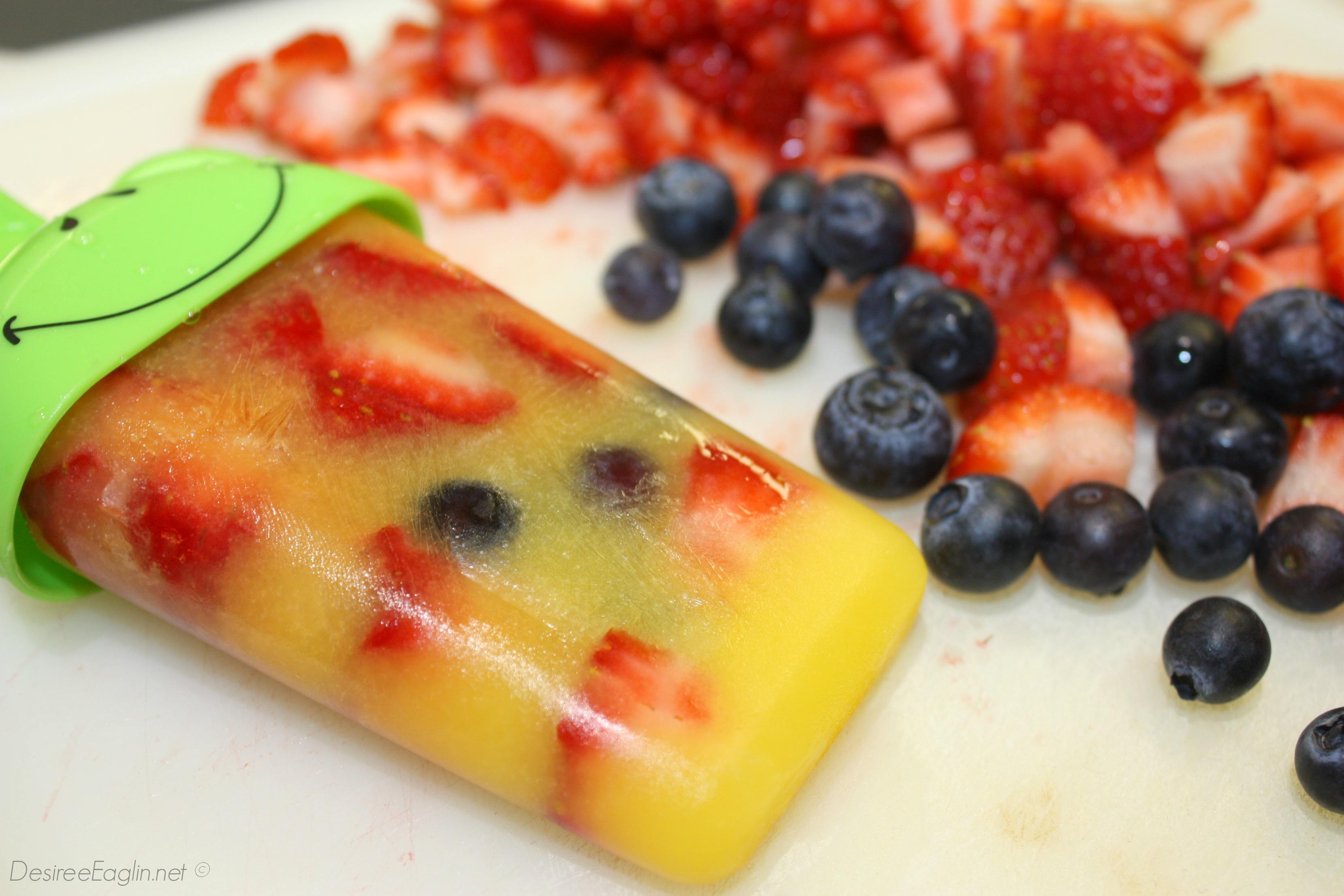
Evaporation
Burning


What is the part of the chemical equation in green called?
Fe + S → FeS
products
reactants
yield
input
What is the right part of a chemical equation called...
2H2 + O2 --> 2H2O
Reactants
Products
Yields
Output
In a chemical reaction,
the atoms of the reactants always stay together.
the atoms of the reactants rearrange, to form new products.
new atoms are formed when combined to make the products
some atoms disappear & others multiply to form products

This type of system allows matter to flow freely in and out...
Closed System
Open System


The law of conservation of mass states that matter cannot be created nor __________________.
A type of change that changes the appearance of a substance, but does not change the identity of the substance.
Physical
Chemical
The Law of Conservation of Mass States
Energy cannot be created nor destroyed, it can only change form.
Mass cannot be created nor destroyed, it can only change form.
Matter cannot be created nor destroyed, it can only change form.
Mass can be created or destroyed, it cannot change form.


Hector is standing in a closed room with a balloon filled with helium gas. If Hector pops this balloon, what will happen to the molecules in the helium gas?
They will condense into a cloud around Hector.
They will fall to the floor as a structured solid.
They will expand and flow through the room
They will flow to the floor and form a puddle.
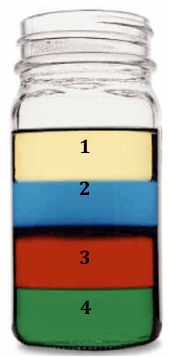
Put the liquids in order from most dense to least dense?
4, 3, 2, 1
1, 2, 3, 4
3, 4, 2, 1,
4, 3, 1, 2
John measures a rock and finds it to be 16 grams. What does John know about the rock?
its density
its mass
its volume
its size
Increasing the temperature gives particles more __________.
Time
Energy
Space
Frequency
Increasing the temperature of your solution will.......
Not affect the rate of reaction.
Speed up the rate of reaction
Slow down the rate of reaction
Which of the following would react fastest in sweet tea?
a sugar cube
a sugar cube cut in half
a sugar cube cut in fourths
a sugar cube crushed into powder

