
Font size
 Worksheets
Invertebrates
Total questions: 42
Worksheet time: 16mins


I am an arachnid, have four pairs of legs (8 total), and a body with two sections.


To what phylum do I belong?
Echinoderm
Cnidarian
Mollusk
Annelid
A(n) ___________________ is an animal that does not have a backbone.
Vertebrate
Invertebrate
_______________ are animals that are usually sessile or move very little and their bodies are full of holes and filter food from the water
exoskeleton
sponges
arthropod
sea urchins

What type of symmetry does the organism have?
Asymmetrical
Radial
Bilateral

What type of symmetry does the organism have?
Asymmetrical
Radial
Bilateral

What type of symmetry does the organism have?
Asymmetrical
Radial
Bilateral

Which includes ONLY members of the phylum Cnidaria?
Hydra, jellies, coral, clams
Sea anemones, jellies, corals, hydra
Jellies, squid, corals, snails
Corals, hydra, jellies, sea slugs

Corals are plants.
True
False


Which phylum does the earthworm belong to?
segmented worms
flatworms
round worms
The earthworm is divided into...
segments
3 parts
groups
categories
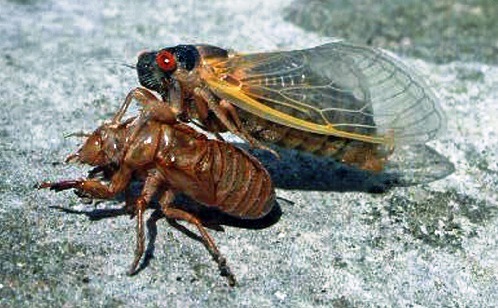
This term means arthropods lose their exoskeleton to grow larger
molt
melt
break
slide
Arthropods are the largest group of animals
True
False
What is the hard, outer covering called that covers, supports, and protects the internal body?
Endoskeleton
Molting
Exoskeleton
Appendages
How many legs do insects have?
2
4
6
8
How many legs do arachnids have?
2
4
6
8
What are the three main parts of an insect's body?
head, thorax, and abdomen
head, legs, and thorax
claws, legs, and head
head, legs, cepthalorax
What kind of animal is this?
It has 3 main body parts, a pair of antennae, has wings, has 6 legs.
Myriapod
Crustacean
Arachnid
Insect

What process is represented in the diagram?
Evolution
Change
Metamorphosis
Growth
Echinodermata means...
stomach foot
spiny skin
segmented body
jointed foot
The spines on an echinoderm are actually...
part of the skin.
made of chitin.
part of the exoskeleton.
part of the water vascular system.
An echinoderm with five arms arranged around a center point.
sea cucumber
sea star
sand dollar
tube feet
What is the process of regeneration?
When an animal sheds its exoskeleton.
When an animal can clean the ocean floor.
When an animal can regrow a body part.
When an animal recycles plastic bottles and cans.

How does an echinoderm use its water vascular system?
To move and capture food
To sense when food is near
To defend itself against predators


Is this animal a vertebrate or invertebrate?
vertebrate because it has a backbone
Vertebrete because it has no backbone
Invertebrate because it has a backnone
Invertebraate because it has no backbones
Which image presents only vertebrates?


Which image represents an arachnid?


Choose the right statement
Crabs, lobsters and Shrimps are examples of crustaceans
Crabs, shrimps and spiders are examples of crustaceans
Crabs, shrimps and octopuses are examples of crustaceans
Crabs, shrimps and centipedes are examples of crustaceans

What does it mean when an organism is hermaphroditic?
They produce female gametes
They produce both male and female gametes
They produce male gametes
They produce no gametes

Sponges "eat" by moving water through the small pores and out the larger pore at the top while the "food" is transported by collar cells. This is an example of what feeding strategy?
carnivore
suspension feeding
filter-feeding
detritivore

This sunflower seastar feeds by pushing its stomach out and using stomach acids to dissolve the clam. Since it is feeding on another organism, what feeding strategy would this be?
detritivore
carnivore
filter-feeding
suspension feeding

flat body
cnidarian
insect
flatworm
roundworm
An animal that is attached in one spot and does not move is said to be

