
 Worksheets
Natural and Artificial Selection
Total questions: 50
Worksheet time: 33mins


A giraffe has a long neck in order to better reach leaves to eat. This is an example of _____.
an adaptation
environment
response
stimulus
part of DNA that codes for a specific trait
gene
chromosome
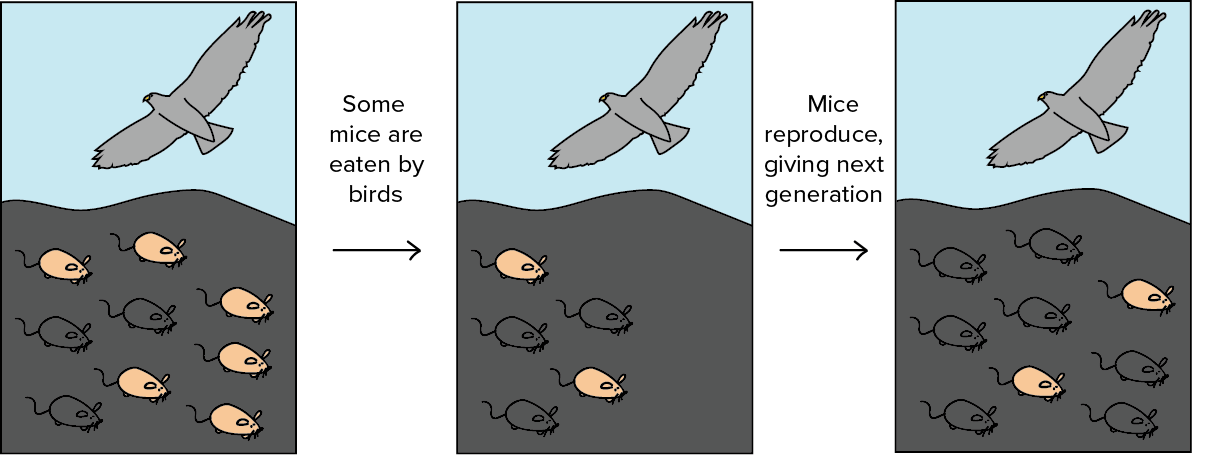
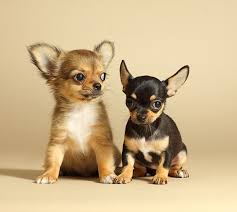
What is an example of artificial selection?
Letting dogs choose their own mate
Letting plants pollinate on their own
Crossing a labrador and a poodle to create a labradoodle
1. Artificial selection has been a big factor in the evolution of:
Dogs
Panda bears
Snakes
Jellyfish

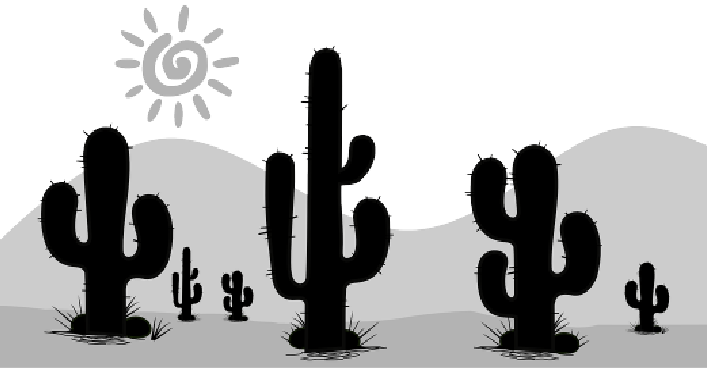
Natural Selection is driven by a change in the environment and survival of the
Earth
Fastest
Fittest
Biggest

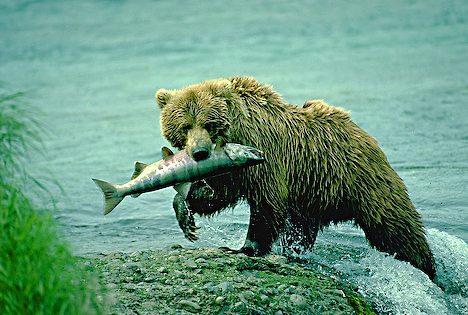
A grizzly bear survives because he is well-adapted to his environment. When he reproduces he passes on those traits to his offspring. this process is called
Natural Selection
Selective Breeding
Random mutations
Variations in a species

Plants with spines and waxy leaves are well suited for life in which environment?
Desert
Temperate forest
Grassland
Tropical Rainfroest
The coral snakes that were able to survive the summer drought reproduced. Their offspring will likely be able to tolerate drought.
Natural selection [or] Selective breeding?
Natural selection
Selective breeding
Mating a male pig (boar) with excellent muscle mass to a female pig (sow) with a wide body.
Natural selection [or] Selective breeding?
Natural selection
Selective breeding
Cross-pollination of cucumber plants to increase overall length and disease resistance.
Natural selection [or] Selective breeding?
Natural selection
Selective breeding
The vampire bats that were able to survive a disease in the population reproduced. Their offspring will likely be resistant to the disease.
Natural selection [or] Selective breeding?
Natural selection
Selective breeding

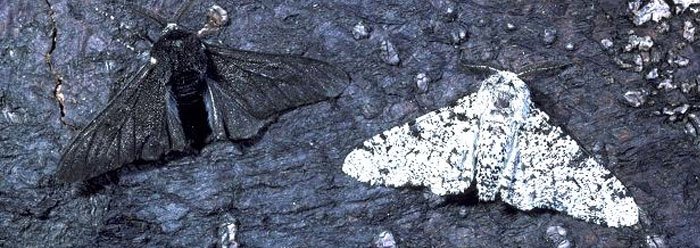
What is most likely to happen to moth populations in the picture shown?
Light moths--hunted easily, dark moths--population increase
Dark moths--hunted easily, dark moths--population increase
Light moths--hunted easily, light moths--population increase
Lights moths will change their color to match dark moths.

A yellow morph and green morph of an insect lives in the rainforest canopy. You would expect:
the green population to increase and the yellow to decrease
the green population to decrease and the yellow to increase
both populations should stay the same
both populations will increase
Small changes over time that add up to big changes are referred to as:
morphs
extinction
evolution
artificial selection
Selective breeding is another term for
Natural selection
Artificial selection
Random selection
Special selection
When there are not enough resources for all the offspring to survive...
The offspring will all die
The offspring will have to compete
The offspring will all reproduce
The offspring will give up
Organisms increase the chances of some of their offspring surviving by
having more than could possibly survive
having less offspring
not reproducing
having identical offspring
1. The process of choosing parent organisms for desired characteristics is called
natural selection
Artificial selection
random selection
genetic manipulation
Artificial Selection decreases diversity which is bad because
organisms with same traits will refuse to reproduce with each other
organisms with all the same traits are susceptible to extinction.
organisms with the same traits will be very aggressive
organisms with same traits collectively get smarter and will some day rule the world
Which statement is true comparing natural selection and artificial selection?
In natural selection, traits benefit humans and in artificial selection, the traits benefit the species
In natural selection, traits benefit the species and in artificial selection, the traits benefit humans
In natural and artificial selection, the process takes hundreds of years to occur
In natural and artificial selection, nature determines what traits will be passed down to offspring.

Natural selection or Artificial/Selective Breeding?
Natural Selection
Artificial/Selective Breeding
Natural selection is
nature decides changes over time.
a person selecting what will breed for a desired trait.

Natural selection or Artificial/Selective Breeding?
Natural Selection
Artificial/Selective Breeding
The primary difference natural and artificial selection is
In nature selection the “pressure” comes from the environment; In artificial selection the “pressure” comes from humans (or another species).
In artificial selection the “pressure” comes from the environment; In natural selection the “pressure” comes from humans (or another species).
Natural selections is when humans breed the animal; Artificial selection is when humans direct genes directly.
They are different terms for the same concept.
These cause variations.
mutations
adaptations
a desire to change
breeding
What is a good argument for genetically modifying animals?
Produce more meat
Figure out how to make Spiderman
Modifying your kids to make them more awesome
New genes are needed to create new species

A physical feature or behavior that helps an organism survive in its habitat.
adaptation
natural selection
selective breeding
artificial selection

Actions that an organism does that help it survive
external adaptation
behavioral adaptation
internal adaptation
structural adaptation
This process describes how individuals that have the best traits for their environment survive and reproduce, while individuals that are not fit for their environment die out.
adaptations
artificial selection
natural selection

The rancher selects the fastest horses and has them reproduce. This is...
natural selection
selective breeding

Farmers choose seeds from the best plants to grow. This is...
selective breeding
natural selection

A salmon swims upstream to safer waters to breed. This is a _______ adaptation.
structural
behavioral

A fish has gills for breathing underwater. This is a _____ adaptation.
behavioral
structural
what's an environment?
characteristics that are passed to you from your parents
a body part, feature, or behavior that helps a living thing survive and function better in its environment
an individual animal, plant or single celled life form
the surrounding or conditions in which a person, animal, or plant lives

