
 Worksheets
Climate Change and Extreme Weather
Total questions: 200
Worksheet time: 2hrs 52mins

Snow forms when the air is at or below 0 degrees celsius.
True
False

This weather bring strong winds, heavy rain, lightning, and sometimes hail. What kind of weather is that?
thunderstorm
tsunami
flood
earthquake

Which extreme weather storm has 35 mph wind (+), visibility < 1/4 mile for over 3 hours
thunderstorm
fog
Blizzard
Hurricane

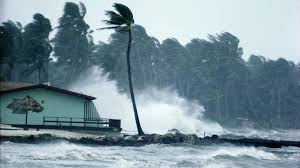
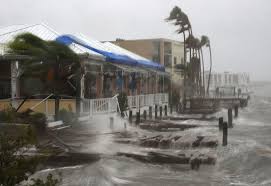

The pressure inside a hurricane is _______.
High
Low
The name of the system that causes the winds to spin in a hurricane
The Coriolis Effect
The Corleone Affect
The Circular Wind Phenomenon
The East-West Effect

How much snow was recorded during the November 11th, 1940 blizzard?
27 inches
40-50 inches
8-10 inches
none of the above

Look at the chart of the worst U.S blizzards. What year, that a blizzard took place, did the most deaths occur?
1978
1940
1888
1993
Blizzards happen more frequently in...
Guatemala
The Northeastern part of the United States
The middle of the Pacific Ocean
The Southeastern part of the United States.
What does a tornado warning mean?
A tornado has been spotted by observers or indicated by weather radar.
A tornado hasn't been spotted, but conditions are favorable for tornadoes to occur.
It's a new Discovery Channel special on storm chasers.
The conditions will be right for a tornado to form within your area in the next day or two.

When water is heated in the ocean by the sun and turns into water vapor
Condensation
Evaporation
Transpiration
Forms of precipitation are
only sleet and snow
rain, sleet, snow, and hail
only dew, mists, and rain

Water is attracted to the sides of a glass tube due to which of its properties?
Cohesion
Adhesion
Heat Capacity
Universal Solvency

As temperature increase, relative humidity _________
increase
decrease
stays the same
none of above

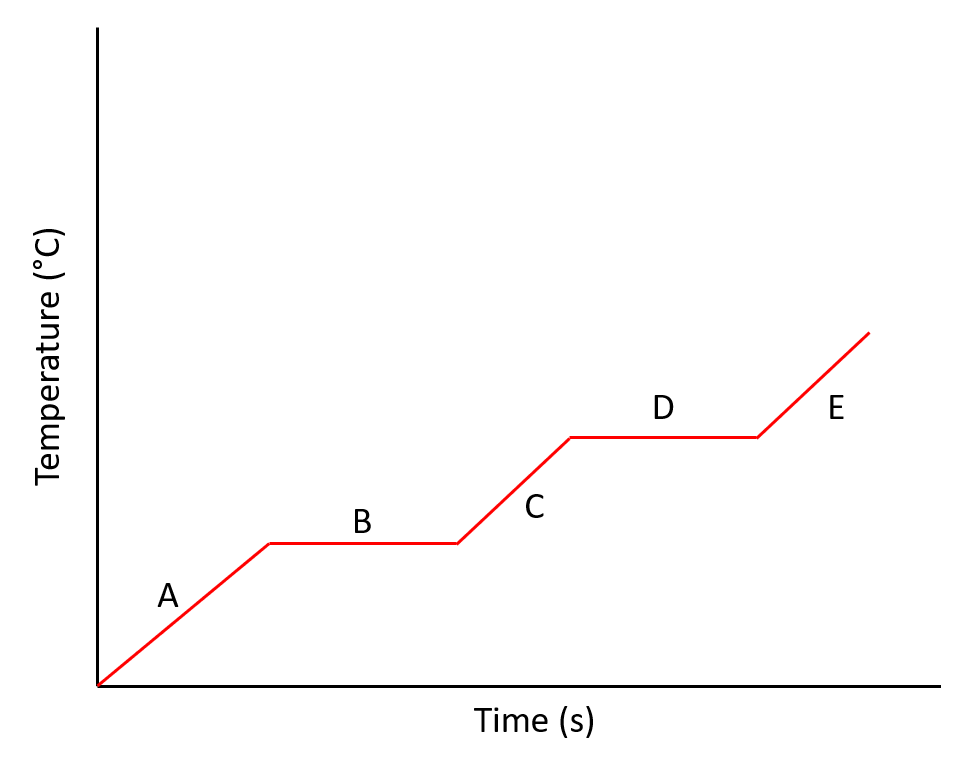
Why are lines B and D flat?
The ice is melting
The ice is freezing
All of the thermal energy is used to break the bonds
They stopped the stopwatch
They stopped heating the ice.
The diagram shows a heating curve for ice. Which line represents the ice in a liquid state (water)?
A
B
C
D
E
What is Climate change?
change in the usual weather found in a place
a human practice that burning fossil fuels to generate energy
a process that occurs when gases in Earth's atmosphere trap the Sun's heat

What are the 2 extreme weather events we mentioned in the presentation?
Typhoon & Drought
Flood & Drought
Flood & Hurricane
Hurricane & Typhoon
What is the primary cause of climate change?
deforestation
rising emissions
increasing livestock farming
How does drought affect our lives?
Economical Impacts
Environmental Impacts
Social Impacts
Water pollution
What threatens the world's biodiversity?
F-gas
Increasing livestock farming
Rissing emission
Deforestation

What is Drought?
A long period with no rain or unusually low levels of rain or other precipitation.
A phenomenon in which river water rises, exceeds normal levels for a certain period of time
The increase in human consumption leads to an increase in livestock production
Humans burn fossil fuels to generate energy
What are the consequences of floods?
Health and safety risks
Water pollution
more wildfires
Property damage
What is the cause of increasing in livestock farming?
Make space for agriculture and animal grazing
Humans burn fossil fuels to generate energy
The increase in human consumption leads to an increase in livestock production
What is a flood?
A violent wind that has a circular movement, especially in the West Atlantic Ocean
A long period with no rain or unusually low levels of rain or other precipitation.
the rise and fall of the sea that happen twice every day
A phenomenon in which river water rises, exceeds normal levels for a certain period of time
What are the effects of deforestation?
Deforestation can result in more carbon dioxide
Emit a large amount of polluted air
It contributes to an increase in greenhouse gases
What is the definition of extreme weather?
typical climate patterns associated with a geographic region
unexpected, unusual, severe, or unseasonal weather events
global warming
when you don't like the weather outside
What is the correct definition for weather?
the long term weather conditions of an area, including typical precipitation and temperature
the temperature of the whole planet
the short term or day to day conditions of the atmosphere
the amount of rain in a 24 hour period
What is the correct definition for climate?
the long term weather conditions of an area, including typical precipitation and temperature
the temperature of the whole planet
the short term or day to day conditions of the atmosphere
the amount of rain in a 24 hour period
Which word best describes the picture
Thunderstorm
Fog
Blizzard
Which of the following is NOT true about how global warming can actually make extreme winter weather events worse?
Cold weather is a sign that the planet is not warming. If extreme weather events worsen, than global warming cannot be real.
Warmer temperatures can disrupt ocean currents. That can cause warm water to NOT reach parts of the planet that it normally would.
Warm temperatures in the Arctic can cause the jet stream reach farther south than normal, causing cold air to reach farther south.
Warmer air holds more moisture, which eventually falls as either as rain or snow — which results in more frequent and intense storms.

This graph shows the number of extreme weather events of the course of over a century. Which of the following is true about this graph?
The graph shows that the number of extreme weather events has increased substantially.
The graph shows that the number of extreme weather events has remained steady.
The graph shows that the number of extreme weather events has decreased substantially.
The graph shows that some extreme weather events have increased while others have decreased.
Which of the following is true about how climate change worsens droughts?
Warmer temperatures can enhance evaporation from soil, making periods with low precipitation drier they would be in cooler conditions.
Warmer temperatures can evaporate water from rivers or lakes, leading to a decreased water supply in certain environments.
Warmer temperatures cause rainfall to be in shorter, more intense bursts. This means the time in between rainfaill will increase.
All of these are true.

What is the name of this extreme weather, that causes high winds and storms, usually in tropical countries?
Cyclone
Hurricane
Tropical storm
Twister
Which of the following IS true about how climate change impacts precipitation?
Warmer air can hold more water vapor. An atmosphere with more moisture can produce more intense precipitation events.
Water on earth evaporates into space with warmer temperatures, leading to less water on earth and less precipitation.
Water from the oceans transfers into rivers with warmer temperatures, leading to increased precipitation inland.
Water sinks further into the ocean with warmer temperatures, leading to less water inland.
What causes hurricanes to form?
Cold air traveling over the area.
Warm water mixing with cooler water and air.
Excess snow in the area.
Excess rain in the area?

What happens during a drought?
no rain or water
a lot of rain
heavy winds
tidal waves
Which of the following is true about how climate change can worsen wildfires?
Warmer temperatures cause more droughts and make trees/leaves/bushes drier. This makes it easier for them to catch on fire.
Warmer temperatures cause longer droughts, which increases the length of the season in which wildfires are common.
Warmer and drier conditions make it easier for wildfires to spread over a greater expanse of land than is usual.
All of these are true.
What is climate change?
Change in the weather patterns of one local area
Long term changes in temperature and weather patterns
Climate changing into something more comfortable
When climate gives you a 20 and you have to give them back 15
What does correlation mean?
When codons have several mutations
A core relation
The duty of the first officer to the Captain
The relationship or connection between 2 or more things
Fossil Fuels
Things like coal and oil that were formed by living things
Fuel created by fossils
A renewable fuel source
The type of fuel that dinosaurs used
What is the Greenhouse Effect?
When a house is painted green to use less energy
The ability to grow vegetables in the winter
A glass house that is used to grow plants
The trapping of the sun's warmth in the atmosphere
Choose all options that are evidence for climate change
Rising global temperatures
The moon is getting further away
Sea level is rising
Glaciers are shrinking
Which of the following is NOT a greenhouse gas?
Water (H2O)
Carbon Dioxide (CO2)
Oxygen (O)
Methane (CH4)
How does increased global temperatures create more extreme weather?
Higher temperatures means it gets hotter
Higher temperatures means more water in the atmosphere
Higher temperatures means more electrolytes in the clouds
Higher temperatures means cloudy with a chance of meatballs
How do we know that climate change is being caused by human activity?
Global temperatures began rising when humans evolved bigger brains
Climate change is a conspiracy theory created by Al Gore
Humans decided that it would be better if the world was warmer
Global temperature started rising when CO2 levels started rising
The burning of fossil fuels releases what greenhouse gas?
Carbon Dioxide
Oxygen
Methane
Nitrogen
Climate change can lead to (choose all that apply)
Extreme storms
Droughts
Housing Crisis
Rising Sea Levels
Where does most of the human population live?
Near the ocean
Near the mountains
In the desert
In the forest

Which of the following is the best interpretation of this graph
Humans have been working hard to decrease carbon dioxide
Carbon dioxide has been decreasing since the 1960's
There is more carbon dioxide in Hawaii than any other state
Carbon dioxide has steadily increased since the 1960's

The bars are the major weather events and the lines are the carbon dioxide in the air. What is this graph telling us?
The more CO2 in the air the more extreme weather events
CO2 and extreme weather events are not related
Extreme weather events have been decreasing
Extreme weather events and CO2 are not related
TRUE or FALSE: Climate change is still reversable
TRUE
FALSE
What is NOT a renewable energy source?
Geothermal
Solar
Wind
Gas
This is defined as the weather conditions prevailing in an area in general, or over a long period
Climate
Elevation
Tornado
Vegetation
A chart which shows a geographic's average distribution of monthly, annual, etc. values of climatic variables (ex. temp., humidity, precipitation, etc.)
Climate zone
Climate map
Precipitation
Tsunami
a division of the Earth's climates into general climate zones according to average temperatures and average rainfall
Climate map
Tsunami
Climate zone
Vegetation
Height above sea level
Climate
Elevation
Climate zone
Typhoon
a storm with a violent wind, in particular a tropical cyclone in the Caribbean, with a wind of force 12 on the Beaufort scale
Typhoon
Tornado
Monsoon
Hurricane
land and sea breezes over a large region that change direction with the seasons
Hurricane
Monsoon
Tornado
Tsunami
forms of water such as ice, sleet, snow, rain, or hail that fall from clouds and reach Earth's surface
Monsoon
Precipitation
Temperature
Tsunami
the average amount of energy of motion in a molecule of a substance
vegetation
hurricane
tsunami
temperature
a rapid, whirling, funnel shaped cloud that reaches down from a storm cloud to touch the Earth's surface, leaving a destructive path
tornado
tsunami
hurricane
typhoon
a giant wave caused by an earthquake on the ocean floor
monsoon
typhoon
tsunami
tornado
a tropical storm in the region of the Indian or western Pacific oceans
tsunami
tornado
hurricane
typhoon
includes all plants that grow in an area
vegetation
precipitation
climate
temperature
What is the definition of extreme weather?
typical climate patterns associated with a geographic region
unexpected, unusual, severe, or unseasonal weather events
global warming
when you don't like the weather outside
What is the correct definition for weather?
the long term weather conditions of an area, including typical precipitation and temperature
the temperature of the whole planet
the short term or day to day conditions of the atmosphere
the amount of rain in a 24 hour period
What is the correct definition for climate?
the long term weather conditions of an area, including typical precipitation and temperature
the temperature of the whole planet
the short term or day to day conditions of the atmosphere
the amount of rain in a 24 hour period
Which word best describes the picture
Thunderstorm
Fog
Blizzard
Which of the following is NOT true about how global warming can actually make extreme winter weather events worse?
Cold weather is a sign that the planet is not warming. If extreme weather events worsen, than global warming cannot be real.
Warmer temperatures can disrupt ocean currents. That can cause warm water to NOT reach parts of the planet that it normally would.
Warm temperatures in the Arctic can cause the jet stream reach farther south than normal, causing cold air to reach farther south.
Warmer air holds more moisture, which eventually falls as either as rain or snow — which results in more frequent and intense storms.
This graph shows the number of extreme weather events of the course of over a century. Which of the following is true about this graph?
The graph shows that the number of extreme weather events has increased substantially.
The graph shows that the number of extreme weather events has remained steady.
The graph shows that the number of extreme weather events has decreased substantially.
The graph shows that some extreme weather events have increased while others have decreased.
Which of the following is true about how climate change worsens droughts?
Warmer temperatures can enhance evaporation from soil, making periods with low precipitation drier they would be in cooler conditions.
Warmer temperatures can evaporate water from rivers or lakes, leading to a decreased water supply in certain environments.
Warmer temperatures cause rainfall to be in shorter, more intense bursts. This means the time in between rainfaill will increase.
All of these are true.
What is the name of this extreme weather, that causes high winds and storms, usually in tropical countries?
Cyclone
Hurricane
Tropical storm
Twister
Which of the following IS true about how climate change impacts precipitation?
Warmer air can hold more water vapor. An atmosphere with more moisture can produce more intense precipitation events.
Water on earth evaporates into space with warmer temperatures, leading to less water on earth and less precipitation.
Water from the oceans transfers into rivers with warmer temperatures, leading to increased precipitation inland.
Water sinks further into the ocean with warmer temperatures, leading to less water inland.
What causes hurricanes to form?
Cold air traveling over the area.
Warm water mixing with cooler water and air.
Excess snow in the area.
Excess rain in the area?
What happens during a drought?
no rain or water
a lot of rain
heavy winds
tidal waves
Which of the following is true about how climate change can worsen wildfires?
Warmer temperatures cause more droughts and make trees/leaves/bushes drier. This makes it easier for them to catch on fire.
Warmer temperatures cause longer droughts, which increases the length of the season in which wildfires are common.
Warmer and drier conditions make it easier for wildfires to spread over a greater expanse of land than is usual.
All of these are true.
The changing precipitation patterns and increase in forest fires and extreme weather is known as ___________________.
climate change
global warming
climate
weather
The statement “Cool summers, cold winters with lots of snow—about 75 cm of precipitation each year” describes ____________________.
weather
climate
climate change
global warming
A predicted increase in Earth’s average temperature caused by human activities and the subsequent release of gases such as carbon dioxide is known as _________________________.
climate
weather
climate change
global warming
The statement “It’s hot and sunny today—the temperature is 88°F at 11 a.m.” describes ____________________.
weather
climate
climate change
global warming
If you lived in Indonesia, part of the "Ring of Fire", what natural disaster would you probably not see?
hurricane
tornado
earthquake
volcano
Which is true?
a tsunami can cause flooding
a tornado can cause an earthquake
a hurricane can cause a tornado
a volcano can cause a hurricane
Which is false?
an earthquake can cause a tsunami
a hurricane can cause flooding
a tsunami can cause flooding
a wildfire can cause an earthquake
In Kansas, hot air from the south meets cold air from the north over flat land. There is no ocean nearby, and summers are hot and dry. what natural disaster are you most likely to see?
hurricanes and wildfires
wildfires and tornadoes
tornadoes and volcanoes
hurricanes and volcanoes
Which continent gets the most tornadoes every year?
North America
South America
Asia
Africa
Which natural disaster is a normal part of the prairie biome, clearing space for new plants to grow?
wildfires
hurricanes
tsunamis
volcanoes
If you see a funnel cloud, you are experiencing....
a tornado
a hurricane
an earthquake
a flood
If you live in a tropical area and are blown around by high-speed wind, you may be experiencing....
an earthquake
a tornado
a hurricane
a tsunami
A natural hazard occurs when natural physical processes become:
dormant and inactive.
extreme and unpredictable.
scary!
faster than usual.
The Enhanced Fujita scale is used to measure the damage from a(n):
Tornado
Earthquake
Volcano
Hurricane
Scientists can predict exactly when a natural hazard will occur.
True
False
In order for a hurricane to form, the water must be:
Cool
Warm
Cold
Hot

This map shows tornado activity in the United States between 1950 and 1998. Based on the data provided by this map, which of the following cities would be most likely to experience a tornado with a rating of F3 or greater in the next year?
Phoenix, Arizona
Topeka, Kansas
Orlando, Florida
Columbia, South Carolina
Which hazard has most affected if human populations live in the area where the hazard occurs?
Earthquakes
Tornadoes
Hurricanes
Drought
What is a tornado?
a violently rotating column of air
a rotating tropical storm
a winter storm characterized by high winds and snow
a storm that occurs in cumulonimbus clouds
What are large thunderstorms that have winds already in rotation called?
supercells
blizzards
hurricanes
tornadoes
When do tornadoes form?
when warm, humid air collides with cold, dry air
when cold, humid air collides with warm, dry air
when cold air rises through warm air
when the air cools rapidly and forms storm clouds
What is a funnel cloud?
the cloud that forms before a storm turns into a tornado
another name for a tornado
a rotating updraft
when warm air rises through cold air
How does the Fujita scale measure a tornado's intensity?
by analyzing the damage the tornado has done & matching that to wind speeds
by only looking at the wind speed
by looking at the number of buildings the tornado destroys
by analyzing the wind speeds and width of the tornado
Which level on the Fujita scale corresponds to incredible damage and wind speeds of 261 mph?
F5
F1
F3
F2
What is the difference between a tornado watch and a tornado warning?
A watch is when a tornado has been sighted & a warning is when the weather is conducive to a tornado
A warning is when a tornado has been sighted & a watch is when the weather is conducive to a tornado
They are both the same thing
A watch is when there is a tornado is within 5 miles, & a warning is when there is a tornado within 1 mile
What are the perfect atmospheric conditions for a tornado?
When a cold/dry air mass and a warm/moist air mass meet in addition to falling pressure & variable winds.
When a cold/moist air mass and a warm/dry air mass meet in addition to falling pressure & variable winds.
When a cold/dry air mass and a warm/moist air mass meet in addition to rising pressure & steady winds.
When a cold/moist air mass and a warm/moist air mass meet in addition to rising pressure & variable winds.
Do the center of hurricanes have high or low pressure?
high
low
Where are a hurricanes most violent winds?
Eye wall
Feeder bands
left side
right side
What are usually the most dangerous part of a hurricane?
storm surge
floods
landslides
wind
What atmospheric conditions are necessary to form hurricanes?
warm water, high humidity, and low pressure
cool water, high humidity, and low pressure
cool water, low humidity, and high pressure
warm water, low humidity, and low pressure
What are the 3 ingredients necessary for a thunderstorm?
moisture, instability, & a lifting mechanism
dry air, high pressure, & a lifting mechanism
moisture, instability, & cool air
moist cool air, high pressure, and differential heating
What is the mature cumulus stage of a thunderstorm?
Strong updrafts & downdrafts coexist
Air within the cloud is dominated by updraft
The downdraft cuts off the updraft and the storm no longer has a supply of warm moist air
When cloud height reaches up to 20,000 feet
Most tornadoes in the Northern Hemisphere are best described as violently rotating columns of air surrounded by
clockwise surface winds moving toward the columns
clockwise surface winds moving away from the columns
counterclockwise surface winds moving toward the columns
counterclockwise surface winds moving away from the columns
In the United States, most tornadoes are classified as intense
low-pressure funnel clouds that spin clockwise
low-pressure funnel clouds that spin counterclockwise
high-pressure funnel clouds that spin clockwise
high-pressure funnel clouds that spin counterclockwise
Along the coast, the most dangerous aspect of hurricanes is the
lightning and hail
flooding by high waves
large central eye
suction effect of the funnel

What storm is featured in the Wizard of Oz?
blizzard
hurricane
tornado
thunderstorm
The most dangerous place to be during a thunderstorm is
in a car
under a high tree
in a ditch
in your bed
Tornados occur
between air masses with big differences in temperature
between air masses with big differences in humidity
along coastal area near warm water
at high pressure centers
What should I do after a flood?
Avoid moving water.
Play it safe.
Stay away from damaged areas unless your assistance has been specifically requested by police, fire, or relief organization.
None of the above.
What are flood damage cause?
Roll boulders
tear out trees
destroy buildings and bridges
None of the above
What causes floods?
Flooding occurs in known floodplains when prolonged rainfall over several days, intense rainfall over a short period of time, or a debris jam causes a river or stream to overflow and flood the surrounding area.
Heavy Rain
All the above
Melting ice or snow
Which of the following describes a flood?
occurs when water covers land that is normally dry
It can be caused by heavy rains or hurricanes
an overflow of water in one place
all of these
All are causes of flooding except;
snowmelt
dam failure
storm surge
too much trees
Other term for seawall or river wall.
dam
levee
barrier
bank
Which is NOT your priority DURING flooding?
Get to a higher ground
Follow evacuation orders.
Disconnect electricity and gas
Swim and enjoy the flood
Tornadoes...
Usually occur in the late afternoon during spring and early summer
Can last for over an hour but tend to last only a short period of time (10 minutes or less)
Are created during a super cell thunderstorm as a result of fast moving updrafts and downdrafts
All of the above
Tornadoes occur throughout the United States but most occur in the Great Plains states in the central United States. What is the name for this area and what are two states in this region?
tornado valley; Kansas and Oklahoma
tornado alley; Kansas and Oklahoma
tornado valley; Kansas and Nebraska
tornado alley; California and Oklahoma
What are the safety tips and precautions you should take before and during a tornado?
If you hear a warning, move to the middle of the lowest floor of your home or in a bath tub. Stay away from windows and doors.
Prepare well in advance and be ready to evacuate. Leave area immediately if a warning is issued or storm surge is a possibility.
Move to higher ground or evacuate if told to do so. Do not walk, swim or drive through flood waters. Turn Around, Don’t Drown! Remember, just six inches of moving water can knock you down, and one foot of moving water can sweep your vehicle away.
Stay indoors and keep a supply of water and food in case of a power outage
A(n) __________ is a violent rotating column of air extending from a thunderstorm to the ground.
hurricane
sinkhole
tornado
blizzard
The atmosphere is best described as
The rocky ground that makes up the Earth’s surface
The liquid water that covers most of the Earth
The gaseous shell that surrounds the Earth
Everyplace and anyplace that life can exist
What does the ozone layer protect us from?
infrared radiation
solar flares
asteroid impacts
UV radiation
Tornados rotate
Counter-clockwise and outward
Counter-clockwise and inward
Clockwise and outward
Clockwise and inward
Thunderstorms can produce tornados
True
False
Tornados can produce snow.
True
False
To form a tornado, you need to have ________, moist air rise, expand, _______, and condense into a cloud.
cool, cool
cool, warm
warm, cool
warm, warm
What is the name of the scale to measure tornado intensity?
Safir-Simpson scale
Fujita scale
Richer scale
Mercalli scale
What should you do during a tornado?
Go underground into a storm cellar or basement
Seek higher ground or go into an attic
Stand in a doorway
Click your heels and say "there's no place like home".
What type of pressure is associated with a tornado?
high pressure
low pressure
medium pressure
no pressure
How high can winds reach in a tornado?
10 miles per hour
80 miles per hour
300 miles per hour
1,000 miles per hour
What is a tornado shaped like?
It is shaped like a circle.
It is shaped like a funnel.
It is shaped like a car.
It is shaped like a house.
Can scientist predict exactly when and where a tornado will happen?
Yes
Not yet
Sometimes
only Bill Nye the Science guy can
Wildfires can be predicted
Hurricanes are located in the Southern Hemisphere.

What occurs because the sun does not heat the Earth evenly?
Earth's rotation
Earth's revolution
Weather
Plate tectonics
Climate is different than weather in that it is mainly based on :
Atmospheric conditions over a long time
Immediate atmospheric conditions
Earth's location in its orbit
What season it is a a particular time.

Which is true about the sun?
It is the main source of energy for plants.
It is the main source of energy for weather.
It is the main source of energy for the water cycle.
All of these

Carbon Dioxide levels began to increase starting with the Industrial Revolution in the 1800's. What was it that humans have been doing to increase Carbon Dioxide?
Using Nuclear Power
Using Solar Panels
Using Wind Mills
Burning fossil fuels

What type of weather is this?
Rain
Storm
Flood
Hurricane

What do we call a long period of time without rain?
Dry
Heatwave
Summer
Drought

What is this type of weather called?
Tornado
Twister
Hurricane
Wind

What is this?
Thunder
Lightning
Storm
Torment

What is the loud sound you hear during a storm called?
Storm
Wind
Lightning
Thunder

What do we call a long period of time with hotter than normal temperatures?
Heat
Summer
Heatwave
Boiling hot

What type of extreme weather is this?
Hurricane
Tsunami
Wave
Landslide

What type of extreme weather causes the ground to move and buildings to fall down?
Landslide
Quake
Hurricane
Earthquake

What do we call a large amount of snow or ice falling quickly down a mountain?
Snow storm
Avalanche
Blizzard
Snow slide

What is the name of this extreme weather?
Blizzard
Snow storm
Snow
Hail
What is the name of this extreme weather, that causes high winds and storms, usually in tropical countries?
Cyclone
Hurricane
Tropical storm
Twister

What is the name we use to talk about the increasing temperature of the Earth?
Global heating
Weather change
Global warming
Climate change

What do we call light rain that only lasts for a short period of time?
Shower
Storm
Drizzle
Rain

What place is covered in sand, and has frequent droughts?
Dessert
Desert
Sand dunes
Beach
Where do most hurricanes form?
in the midwest and Southern United States
over the ocean near the equator
Sahara Desert
Indian Ocean
Most tropical depressions form over __________________.
cool, damp land.
hot, dry land.
cold, ocean water.
warm, ocean water.
What causes the most damage during a hurricane?
storm surge and flooding
strong winds
heat buildup
electrical discharge
Select ALL the ingredients needed to form a hurricane.
light winds
warm, moist air
low pressure
high pressure
cold, dry air
The two climate changing fuel sources we use the most are?
wood and coal
wood and natural gas
oil and nuclear power
coal and oil

The ______ is a natural process in which certain gases in the atmosphere trap heat near Earth and prevent it from radiating back into space.
Greenhouse Zone
Greenhouse Effect
Tropic Layer
Heat Zone
Global warming refers specifically to an increase in
the number of storms on Earth.
precipitation from Earth’s atmosphere.
Earth’s average surface temperature.


How would you describe the climate along the Equator?
Hot and dry
Mild and wet
Cold and dry
Hot and wet

Where are you most likely to find tropical storms?
At the Equator.
Between 5 and 30 degrees north and south of the Equator.
Between 30 and 60 degrees north and south of the Equator.
In the Caribbean and North Atlantic
How will climate change affect the frequency of tropical storms?
We are likely to see more tropical storms.
We are not likely to see more storms but we are more likely to more frequent category 4 and 5 storms.
We are likely to see a decline in tropical storms.
What evidence is there that the UK's weather is becoming more extreme? Select the 2 correct answers.
More frequent heat waves in recent years.
Record breaking weather events in recent years.
Less frequent heavy rainfall events.
Falling average temperatures compared to earlier records.
Which country is the second largest emitter of carbon dioxie?
China
United States
United Nations
The Environmental Protection Agency

