
 Worksheets
Spring 21 Final Review
Total questions: 201
Worksheet time: 3hrs 51mins

How is nitrogen "fixed" into a usable form for plants?
Through action of bacteria only
Through lightning only
Through action of bacteria and lightning
Through photosynthesis
How do animals get the nitrogen they need?
From the air they breathe
From the water they drink
From the food they eat
From the sun
Gas that makes up 78% of our atmosphere.
Oxygen
Nitrogen
Hydrogen
Carbon Dioxide
What is the formula for atmospheric nitrogen?
N
N2
NH3
NO3
Precipitation means...
water vapor cooling to form clouds
water running downhill
water falling from the sky
water heating up and rising as gas
Condensation means...
water vapor cooling to form clouds
water running downhill
water falling from the sky
water heating up and rising as gas

Evaporation means...
water vapor cooling to form clouds
water running downhill
water falling from the sky
water heating up and rising as gas
During evaporation water changes from ...
water vapor (gas) to liquid
liquid to water vapor (gas)
water vapor (gas) to solid ice
During condensation water changes from ....
solid ice to liquid water
liquid water to water vapor (gas)
water vapor (gas) to liquid water drops
Liquid water turns into gas and rises into the sky in....
precipitation
condensation
evaporation
_____________________ is the step of the water cycle where the Sun heats up liquid water in a puddle and turns it into water vapor gas.
precipitation
evaporation
runoff




Which of these is a product of cellular respiration?
ATP
Carbon dioxide
Water
All of these are a product of cellular respiration
Which is a product of glycolysis?
2 molecules of pyruvic acid
1 molecule of glucose
NAD+
oxygen
Where does the pyruvic acid produced by glycolysis go next?
the Calvin Cycle
the electron transport chain
the Krebs Cycle
back through the glycolysis process
Glycolysis is the second stage of cellular respiration.
True
False
Glycolysis requires oxygen
True
False
Which of these is broken down into pyruvic acid?
glucose
oxygen
water
How many ATP molecules are required to start glycolysis?
Four
Three
Two
One


Why are many plants green?
plant cells are green
plants absorb green light
chlorophyll reflects green light
rigid cell walls are green
Which of the following Best describes evolution?
Rapid change within a species
Gradual change over time
A quick emergence of a new species
Passing of Traits from parent to offspring
Which of the following best describes an adaptation?
A tight bundle of genetic material in the nucleus of cells
A segment of DNA that codes for a trait
A harmful trait that hurts an organism's chance of survival
trait that allows an organism to be better suit for survival
Who is best known as "The Father of Evolution?"
Carolus Linnaeus
Charles Darwin
Robert Hooke
James Wastson

John takes the subway to work every morning. He enjoys drinking his coffee and talking to people that sit near him. The other people on the subway are an example of what type of factor?
Abiotic
Biotic

Termites are tiny insects that can cause severe damage to homes and other structures that consist of wood. Termites are an example of what type of factor.
Biotic
Abiotic

Water is a compound that consists of 2 hydrogen atoms and 1 oxygen atom. Up to 60% of an adult human is made up of water. Water is an example of what type of factor?
Biotic
Abiotic

Air is a mixture of colorless gases. The air that makes up the Earth's atmosphere consists primarily of nitrogen and oxygen. Air is an example of which type of factor?
Biotic
Abiotic

Pyrite is a mineral that is also referred to as "fools gold." It is commonly found in many types of rocks such as limestone. Pyrite is an example of which type of factor?
Biotic
Abiotic

1. The process of choosing parent organisms for desired characteristics is called
natural selection
Artificial selection
random selection
genetic manipulation
What is an example of artificial selection?
Letting dogs choose their own mate
Letting plants pollinate on their own
Crossing a labrador and a poodle to create a labradoodle
1. Artificial selection has been a big factor in the evolution of:
Dogs
Panda bears
Snakes
Jellyfish
The change that occurs over long periods of time in the characteristics and diversity of organisms
natural selection
artificial selection
evolution
acquired characteristics

What is this an example of?
theory of natural selection
theory of acquired characteristics
Which of the following is one of the 3 domains?
Animals
Bacteria
Prokaryote
Fungi
Which domain has organisms that live in harsh environments?
Bacteria
Archaea
Both
Are archaea multicellular or unicellular?
Multicellular
Unicellular
The reproductive structure of most gymnosperms is some form of a ______________________.
cone
flower
branch
stem
root

What is this plant structure called?
Cone
Seed
Flower
Fruit

Is this plant a gymnosperm?
Yes.
No.

Is this plant a gymnosperm
Yes.
No.

The ant has
Endoskeleton
Exoskeleton
What are wetlands?
areas of land that are flooded at least part of the year
the ocean
lakes
estuaries
What is NOT an important feature of a wetland?
Prevents flooding
Provides habitat for organisms
Prevents wildfires
Filters and purifies water
Salinity refers to
how many plants are in the water
how many organisms live in the water
how much salt in is water
Aquatic life is abundant, diverse, and full of sunlight at which zone?
littoral zone
benthic zone
limnetic zone
What is at the base of the food chain in the ocean?
whales
plankton
turtles
seaweed
The mixture of saltwater and freshwater in an estuary is called __________________ water.
brackish
semi-salty
partially-salty
sorta-salty
All of the following are examples of freshwater ecosystems EXCEPT ________________.
ponds
Estuaries
lakes
rivers

Pond/Lake Plants
mangrove, sea rush, oioi, jointed rush
water lilies, algae, cattails
mallard duck, crayfish, snapping turtle
coralline algae, phytoplankton
Swamps, marshes, and rivers are all examples of ____________ ecosystems.
Saltwater
Oceans
Freshwater
Tropical Rainforest

What builds up over time to form a reef?
Sand
Coral skeletons
Fish bones
Rocks

Coral reefs are endangered by:
Climate change
Overfishing
Pollution
All of the above

What causes coral bleaching?
oil spills
warmer water temperatures
overfishing
red tide
Tiny organisms that float in the water
nekton
wetland
plankton
benthos
a shallow zone in a freshwater habitat where light reaches the bottom and nurtures plants
plankton
nekton
littoral zone
wetland
A process by which nutrients, particularly phosphorus and nitrogen, become highly concentrated in a body of water, leading to increased growth of organisms such as algae or cyanobacteria.
wetland
plankton
eutrophication
nekton
temperate-zone estuary dominated by salt-tolerant grasses above the low-tide line and by seagrasses under water
nekton
salt marsh
wetland
plankton
a tropical or subtropical marine swamp that is characterized by the abundance of low to tall trees, especially mangrove trees
salt marsh
wet land
mangrove swamp
plankton
A coral reef surrounding an island or lying parallel to the shore of a continent, separated from land by a deep lagoon. Coral debris islands may form along the reef.
mangrove swamp
coral reef
barrier island
salt marsh
A structure of calcite skeletons built up by coral animals in warm, shallow ocean water.
coral reef
salt marsh
mangrove swamp
plankton


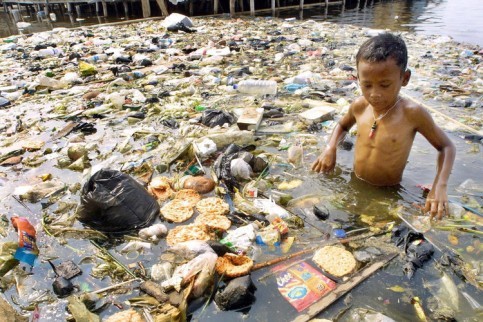

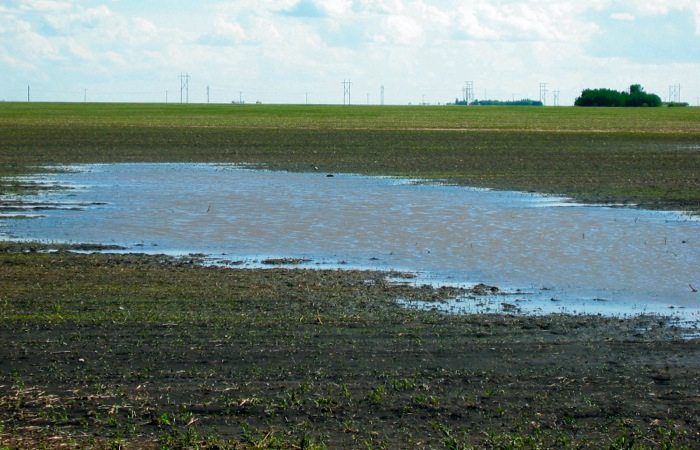


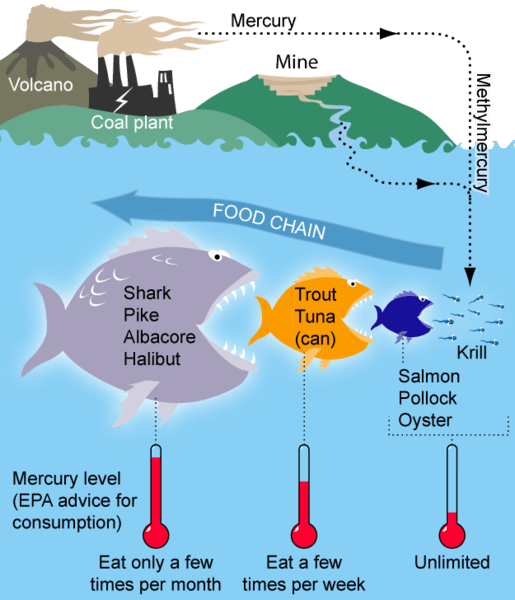
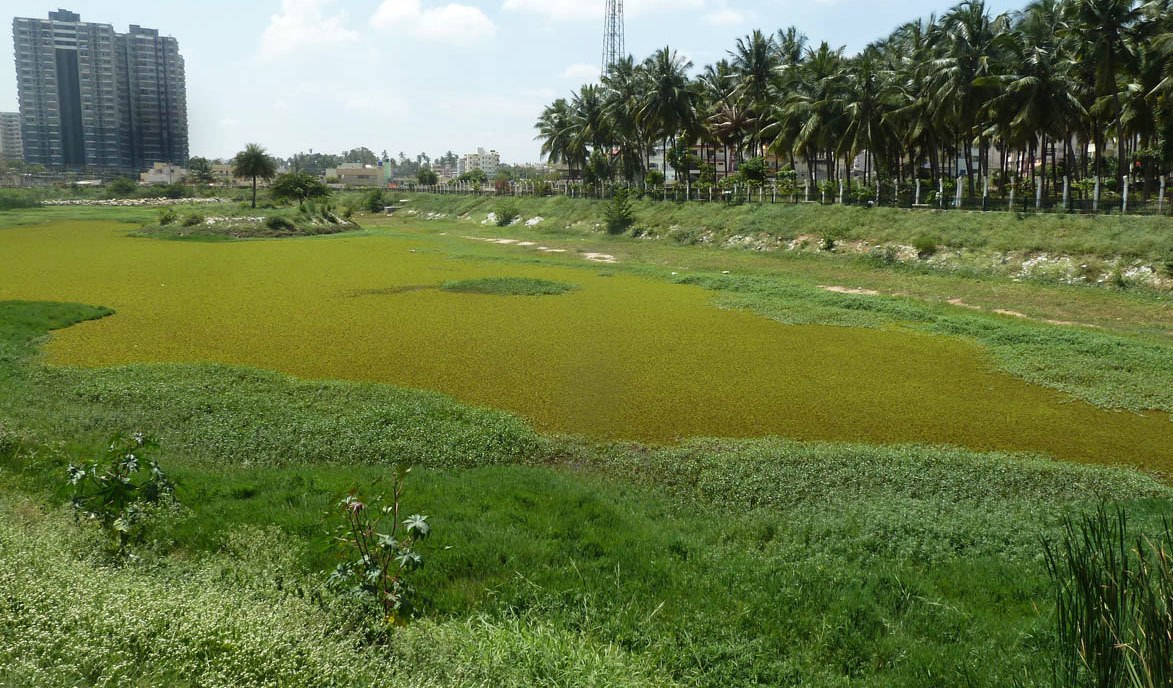


improved water quality can be achieved by
appropriate use of water
careful water storage and handling
proper land management
all of the above
Runoff of sewage and agricultural wastes into coastal waters introduce
algae growth
rainwater
surface runoff
oil spill
The removal of salt from brackish or ocean water is known as:
denitrification
desalination
re-salination
hyper salination
Many aquifers around the world are being drained faster than they are filling up.
Ture
False
More freshwater is available in Rivers and/or streams than is buried deep in aquifers.
True
False
The solids that remain after wastewater has been filtered and cleaned can be used for: (check all that apply)
Fertilizer.
Building Roads.
A fuel source.
Making recycled wood products.
Water that gets flushed down your toilet and goes to a holding tank buried in someone's yard refers to:
A sewer system.
A septic tank system.
A storm water system.
A military latrine.
Waste water is best described as:
Water that you can cook with.
Water that goes down your drain or toilet.
Water in a local pond.
River water.
In cities, traffic jams, substandard housing, and pollution can be the result of
urbanization
urban sprawl
urban crisis
infrastructure
What can be done to sustain the productivity of rangeland?
limit herd size
eliminate invasive plants
leave the land unused for a time
all of the above
Heat islands can affect local
weather patterns
water levels
traffic patterns
harvest patterns
When forests are not replanted after trees are cut, natural resources
increase
decrease
regeneratre
remain unchanged
Each U.S. resident uses the ecosystem services provided by roughly
1 hectare of land
6 hectares of land
8 hectares of land
12 hectares of land
Urban sprawl involves people moving from cities to land that was previously used for
industry and open space
food production and open space
power lines
housing
Given that most people live in urban areas, why should rural areas be preserved?
They provide crucial infrastructure
They provide ecological services
They contain greenbelts
none of these
Which environmental problem is not caused by deforestation?
reduction of wildlife habitat
soil erosion
urban sprawl
increased atmospheric CO2

