
NEW
Font size
 Worksheets
16th AWS 2023
Total questions: 10
Worksheet time: 8mins
A pressure ulcer that is superficial and presents as a blister with partial
thickness skin loss involving epidermis and dermis is graded as a
a. stage III
b. stage II
c. stage I
d. stage IV
The cardinal rule when determining a dressing change for a pressure ulcer is
a. keep the ulcer tissue dry and the surrounding intact skin moist
b. keep the ulcer tissue moist and the surrounding intact skin dry
c. keep the ulcer tissue and surrounding intact skin moist
d. keep the ulcer tissue and surrounding intact skin dry
keep the ulcer tissue dry and the surrounding intact skin moist
keep the ulcer tissue moist and the surrounding intact skin dry
keep the ulcer tissue and surrounding intact skin moist
keep the ulcer tissue and surrounding intact skin dry
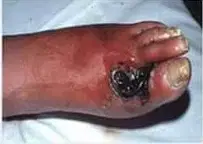
According to Wagner Classification, which is the best grade for the picture shown below?
Grade 1
Grade 3
Grade 4
Grade 5
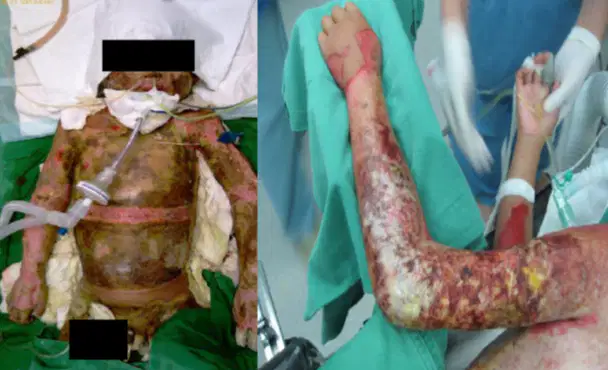
Patient was referred to the burn unit for severe burn injury. What is the likely diagnosis of this patient?
a. 1st degree burn injury
b. Superficial partial thickness burn (2nd degree)
c. Full thickness burn injury (3rd degree)
d. 4th degree burn injury
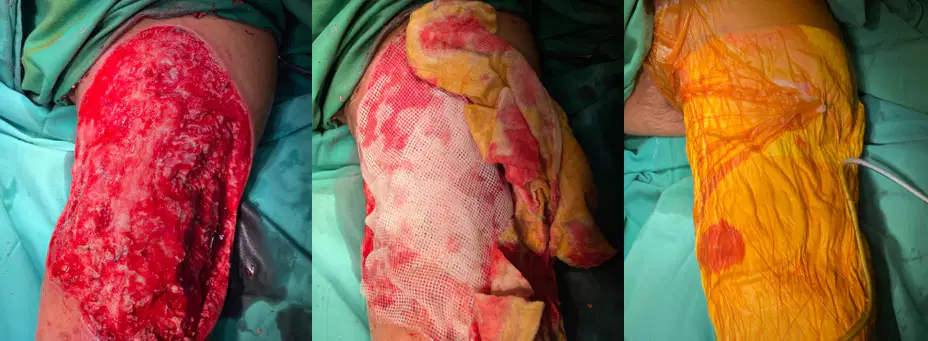
Below is a large necrotizing fasciitis wound post debridement, which was put on negative pressure wound therapy (NPWT). What are benefits of NPWT?
i. NPWT could be used as a wound bed preparation method before application of split thickness skin grafting or free flap transfer.
ii. As a method of promoting granulation tissues in wound bed by stimulating cell proliferation and micro-angiogenesis
iii. NPWT could be applied directly onto exposed vital organs
iv. Promoting wound closure by application of negative pressure to draw the wound edges closer
a. i, ii, iii
b. i, ii, iv
c. i, iii, iv
d. All of the above
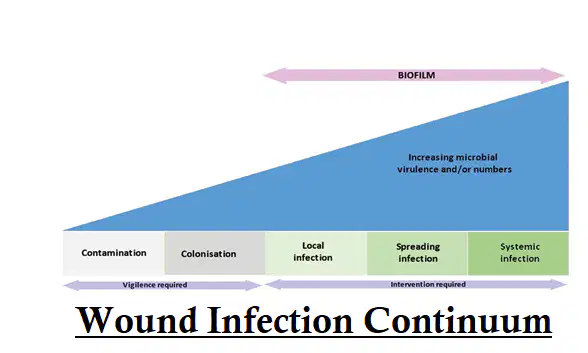
When dealing with patients with infected chronic diabetic foot ulcers, when should you consider a treatment regime containing a combination of topical and systemic antibiotics?
a. Wound with spreading infection
b. Wounds with colonization
c. Wound with local infection
d. Contaminated wounds
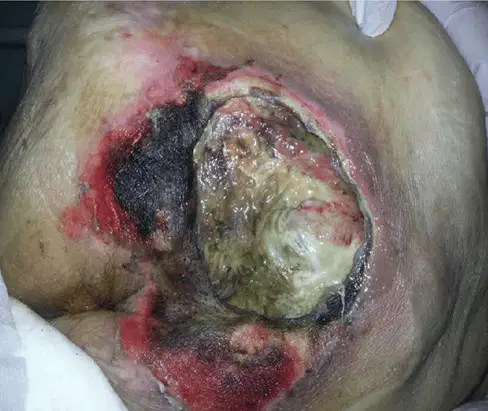
Pressure ulcers are categorized in stages I, II, III, and IV. Some pressure ulcers are unstageable due to coverage by slough or necrotic tissue. Initial pressure injury is classified as deep tissue injury. What is the likely stage of sacral pressure ulcer/injury illustrated in the picture below?
a. Stage IV pressure ulcer
b. Stage III pressure ulcer
c. Unstageable pressure ulcer
d. Stage II pressure ulcer
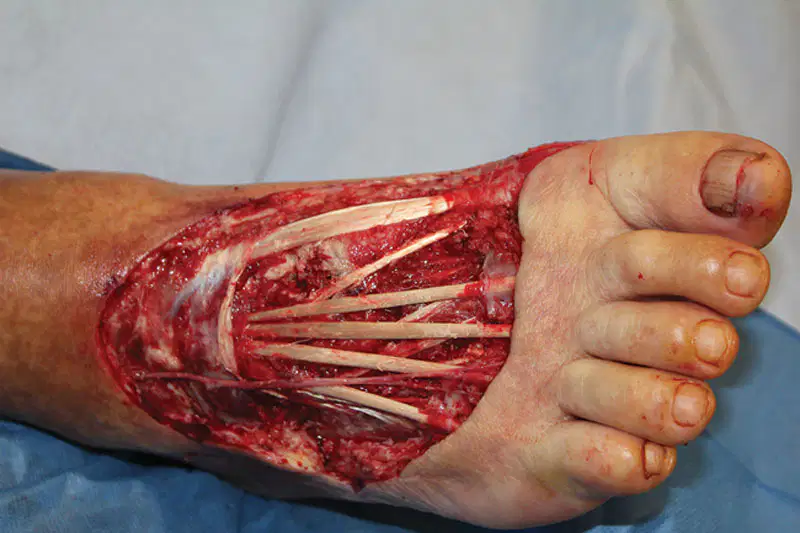
A patient had undergone wound debridement for deep degloving wound of the right foot. What is the appropriate dressing regime for this post operative wound that would prevent desiccation of the tendons and promote granulation tissues?
a. Diluted povidone packing
b. Wet to dry dressing with wet normal saline and gauze
c. Medicated honey dressing
d. Superoxide solution cleansing, hydrogel application onto tendons, tulle/ foam dressing
To prevent pressure ulcers, which of the following interventions are
appropriate?
a. Frequency of skin assessments may need to be increased if the patient
status deteriorates.
b. Keep the head of the bed above a 30 degree angle at all times to reduce
pressure and shearing force on the sacral area.
c. When positioning or lifting up the patient in bed, health care providers
should not drag skin across linens to prevent skin injury cause by friction
and shearing
d. Both a and b
e. Both a and c
Systemic antibiotic therapy should be initiated for patients with all except:
a. bacteremia
b. sepsis
c. osteomyelitis
d. colonization

