
 Worksheets
MOVEMENTS IN ARCHITECTURE (3rd part)
Total questions: 15
Worksheet time: 8mins
One response to the European post-war housing crisis in the 1920s was a series of minimal cost social housing projects
developed in several major urban centers. On the Continent, these took the form of large-scale apartment blocks.
Social Housing Architecture
Bauhaus Design School
Art Deco Architecture
Totalitarian Architecture
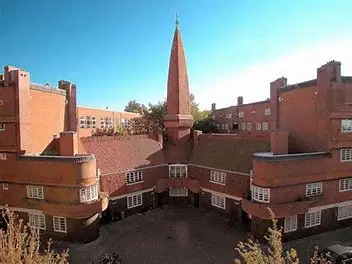
Famous Example of Social Housing designed by Michel de Klerk.
Eigen Haard Estate, Amsterdam
Works Housing Estate, Hoek van Holland
Britz Horseshoe Estate, Bordeaux
Pessac Housing Estate, Bordeaux

Famous example of Social Housing designed by JPP Oud.
Eigen Haard Estate, Amsterdam
Karl Marx Hof, Vienna
Bruchfeldstrasse Estate, Frankfurt am Main
Work's Housing Estate, Hoek van Holland
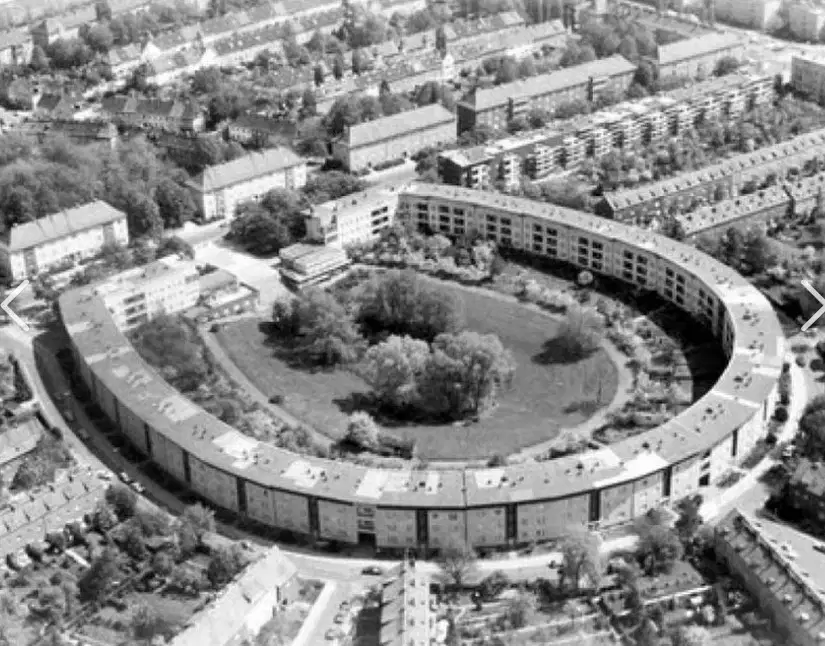
Famous example of Social Housing designed by Bruno Taut.
Weissenhofsiedlung, Stuttgart
Britz Horseshoe Estate, Berlin
Siemensstadt, Berlin
Pessac Housing Estate, Bordeaux
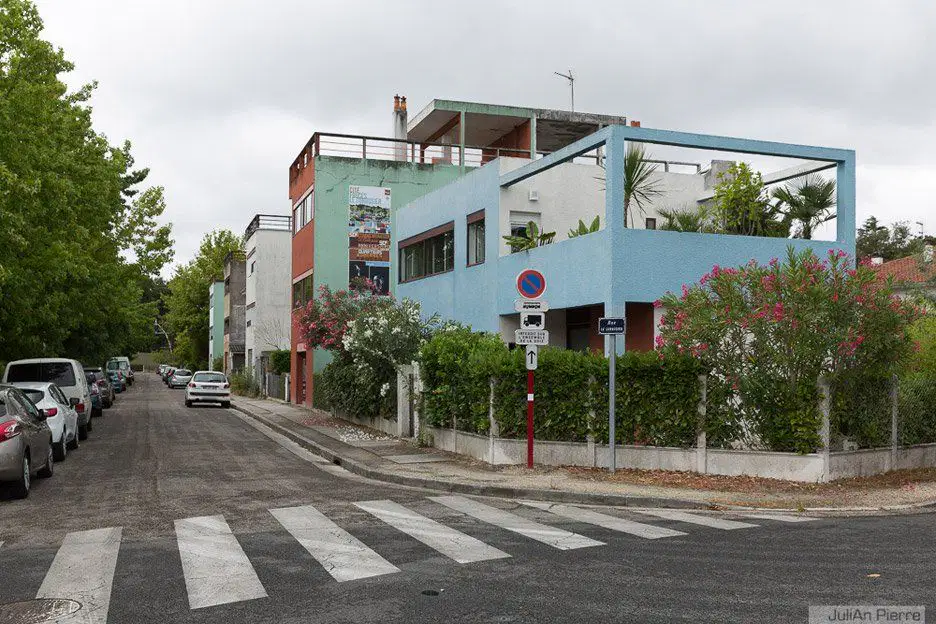
Famous example of Social Housing designed by Le Corbusier.
Pessac Housing Estate, Bordeaux
Karl Marx Hof, Vienna
Weissenhofsiedlung, Stuttgart
Siemensstadt, Berlin
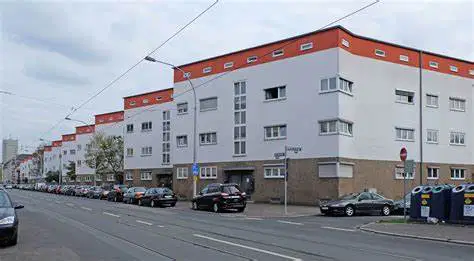
Famous example of Social Housing designed by Ernst May.
Britz Horseshoe Estate, Berlin
Karl Marx Hof, Vienna
Bruchfeldstrasse Estate, Frankfurt am Main
Siemensstadt, Berlin
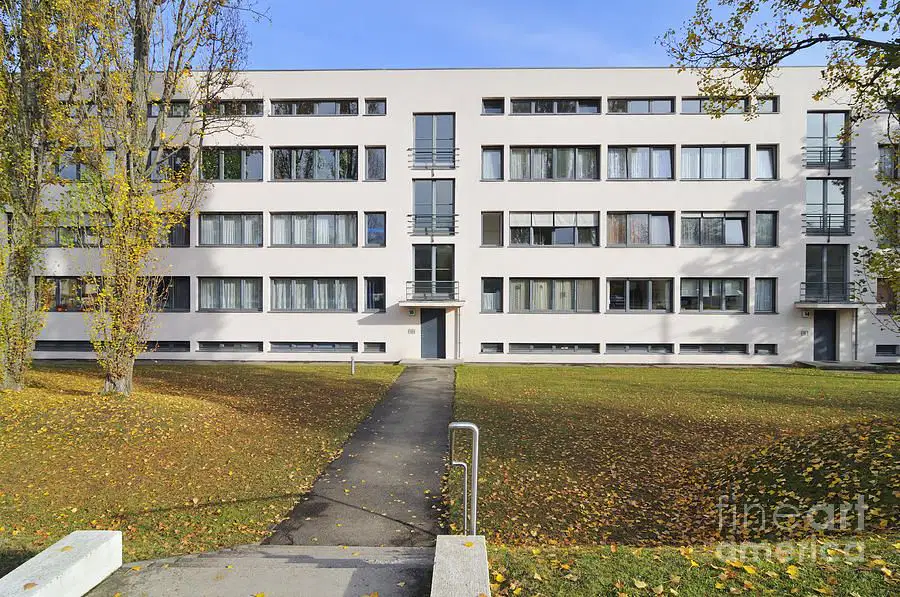
Famous example of Social Housing designed by Mies van der Rohe.
Weissenhofsiedlung, Stuttgart
Siemensstadt, Berlin
Bruchfeldstrasse
Karl Marx Hof, Vienna
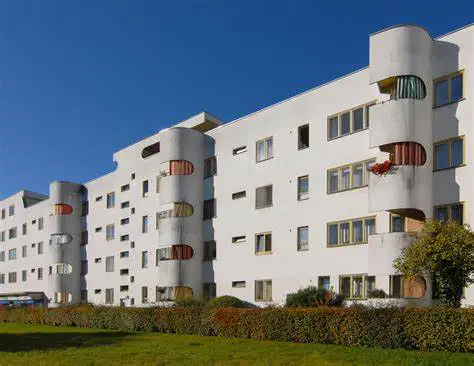
Famous example of Social Housing designed by Hans Scharoun and others.
Works Housing Estate, Hoek van Holland
Karl Marx Hof, Vienna
Siemensstadt, Berlin
Weissenhofsiedlung, Stuttgart
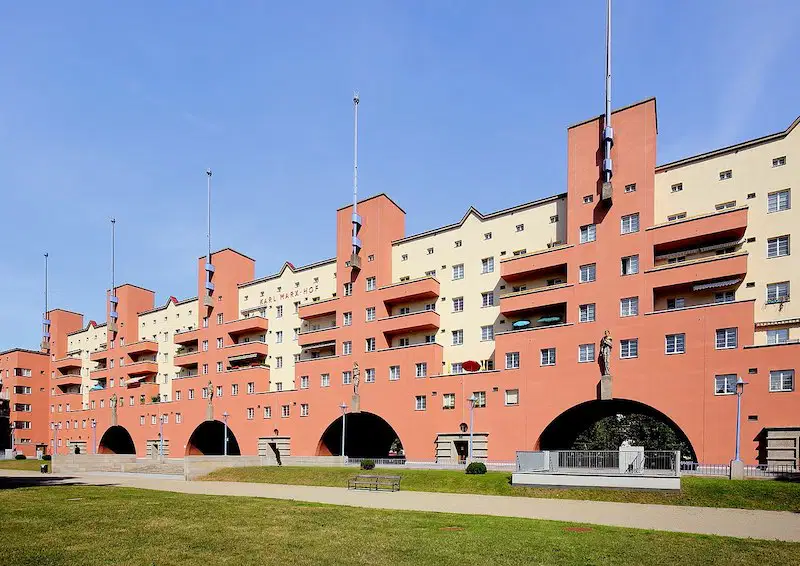
Famous example of Social Housing designed by Karl Ehn.
Siemensstadt, Berlin
Bruchfeldstrasse Estate, Frankfurt am Main
Karl Marx Hof, Vienna
Britz Horseshoe Estate, Berlin
The _____ was a hugely influential centre of inter-war modernist architecture. Its design ethos was
propagated by several key members of its teaching staff who immigrated to the United States during the 1930s.
Combining ideas from Russian Constructivism movement, the Dutch De Stijl group, and the American architect Frank
Lloyd Wright (1867-1959), as well as an attitude to crafts modeled on the Arts & Crafts movement and the Deutscher
Werkbund, Bauhaus design - with its clean lines and deliberate absence of ornamentation - eventually developed into
the International Style of modern architecture, and later spread to the United States, where it was developed by Walter
Gropius, Mies van der Rohe, and other European emigrants like Richard Neutra.
Bauhaus Design School
Art Deco Architecture
International Style of Modern Architecture
Tolatitarian Architecture
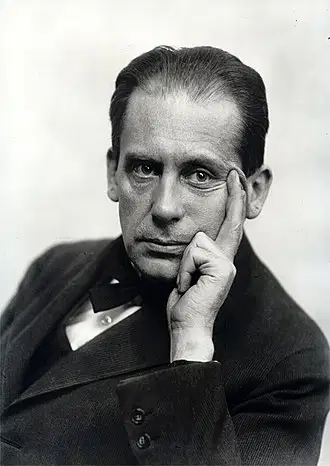
Bauhaus Style Architect. Designed Bahaus Complex, Desau (1925) and MetLife Building, NYC (1963)
Walter Gropius
Laszlo Moholy-Nagy
Hannes Meyer
Ludwig Mies van der Rohe
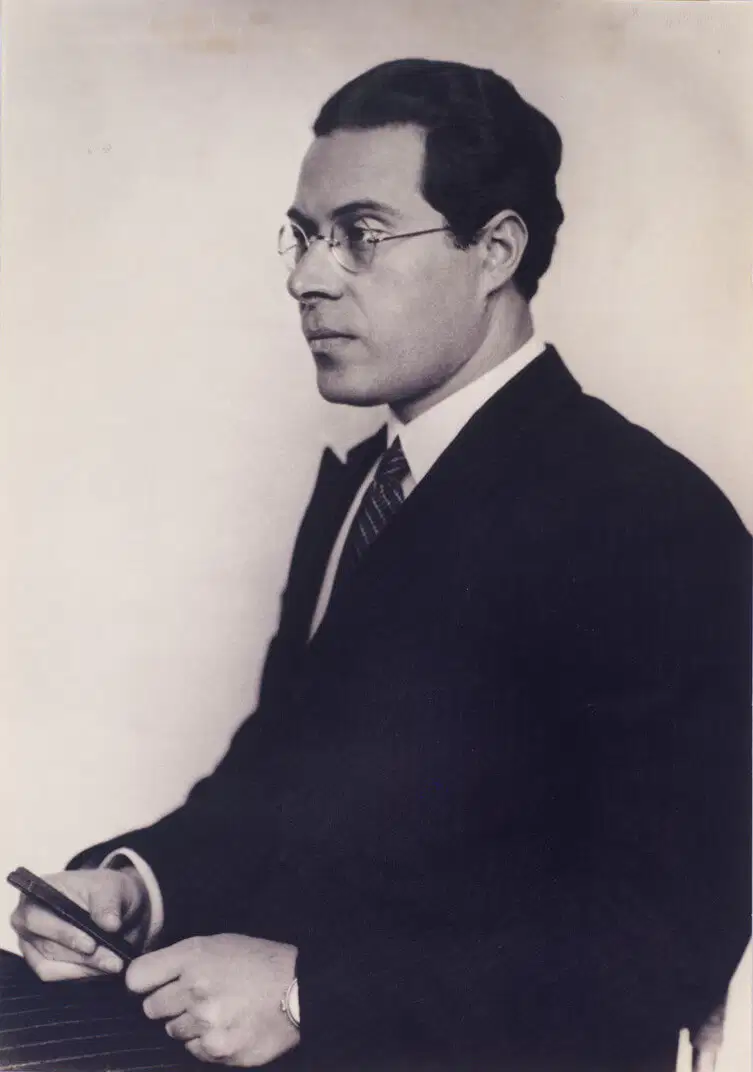
Bauhaus Style Architect.
Taught the Bauhaus's vorkurs: director of New Bauhaus, Chicago.
Hannes Meyer
Walter Gropius
Laszlo Moholy-Nagy
Ludwig Mies van der Rohe
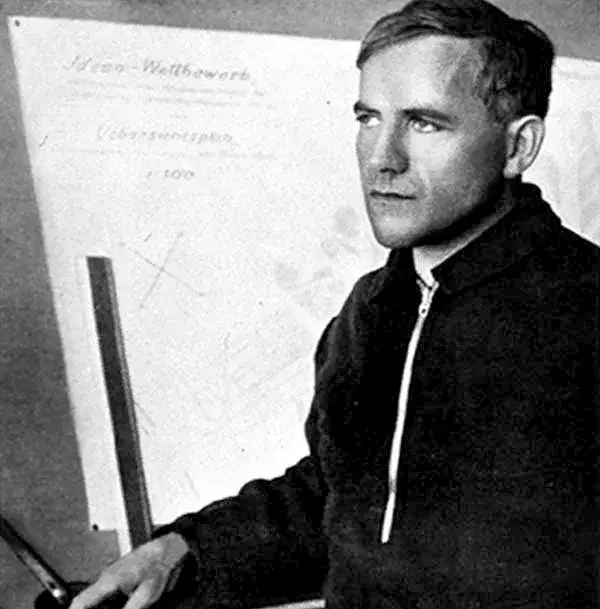
Bauhaus Style Architect.
Swiss Marxist Professor of architecture, later director, at the Bauhaus.
Laszlo Moholy-Nagy
Walter Gropius
Hannes Meyer
Ludwig Mies van der Rohe

Bauhaus Style Architect.
Succeeded Meyer as director of the Bauhaus in 1930.
Ludwig Meyer van der Rohe
Laszloo Moholy-Nagy
Walter Gropius
Hannes Meyer
____ was influenced by a combination of sources, including the geometrics of Cubism, the "movement" of Futurism,
as well as elements of ancient art, such as Pre-Columbian and Egyptian art. Its architecture was also inspired by the
ziggurat designs of Mesopotamian art.
Embraced all types of art, but unlike its predecessor,
it was purely decorative, with no theoretical or political agenda.
Bauhaus Design School
Totalitarian Architecture
Social Housing Architecture
Art Deco Architecture

