
Font size
 Worksheets
Ecological Relationships & Graphs
Total questions: 27
Worksheet time: 27mins

What is the general term used to describe the interaction between two different organisms that are living in close physical association?
photosynthesis
symbiosis
habitat
prey
omnivore

An ecological symbiotic relationship between two organisms where one benefits and the other is harmed…
parasitism
herbivore
mutualism
carnivore
commensalism
What ecological relationship is depicted between Pumba (warthog) and the bugs?
Competition, because pumba is in competition with the bugs for food sources
Mutualistic, because Pumba and the bugs benefit each other
Predator-Prey, because Pumba is a predator that consumes bug as prey
The flock of white seagulls that are fighting over a single food source (Nemo & Dory) depicts which ecological relatioship?
Intraspecies Competition
Mutualism
Parasitism
Commensalism
Marlin and his son, Nemo, are clownfish that live in a sea anemone. Clownfish benefit by receiving protection and shelter from the sea anemone. The clownfish, in return, scares away predators of the sea anemone and provides nutrients for the sea anemone through its excrement (waste). The symbiotic relationship between Nemo and the sea anemone is known as -
parasitism
commensalism
predator-prey
competition
mutualism
In a predator-prey relationship, when the population of the predator increases, the population of the prey will ____________.
Increase
Remain Stable
Decrease
Change unpredictably
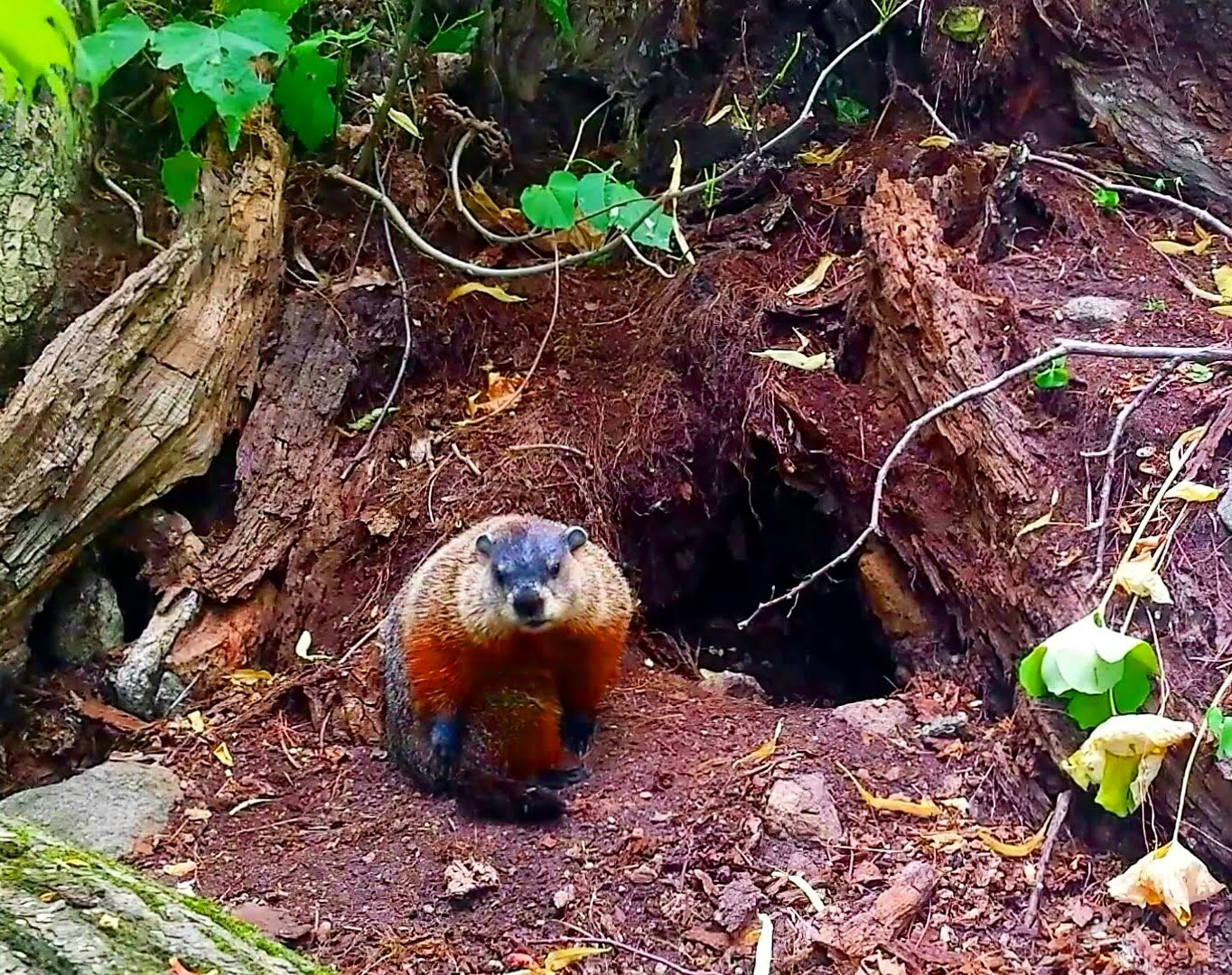
A honeybee and flower relationship in which the flower provides nectar for the honey and the honey can help pollinate other flowers is an example of ________________.
Mutualism
Parasitism
Commensalism
Competition

Wasps often lay their eggs just inside the eggs of butterflies. The wasp larva (baby wasps) are able to get lots of nutrients and protection from the butterfly/caterpillar egg while its developing. After the caterpillar is born, the wasps continue lurking in the flesh of the caterpillar, soaking up more nutrients and drinking its blood. The wasp larva must keep its host alive, so it avoids damaging the vital organs.
What type of symbiosis is being described?
predator/prey
competition
commensalism
parasitism


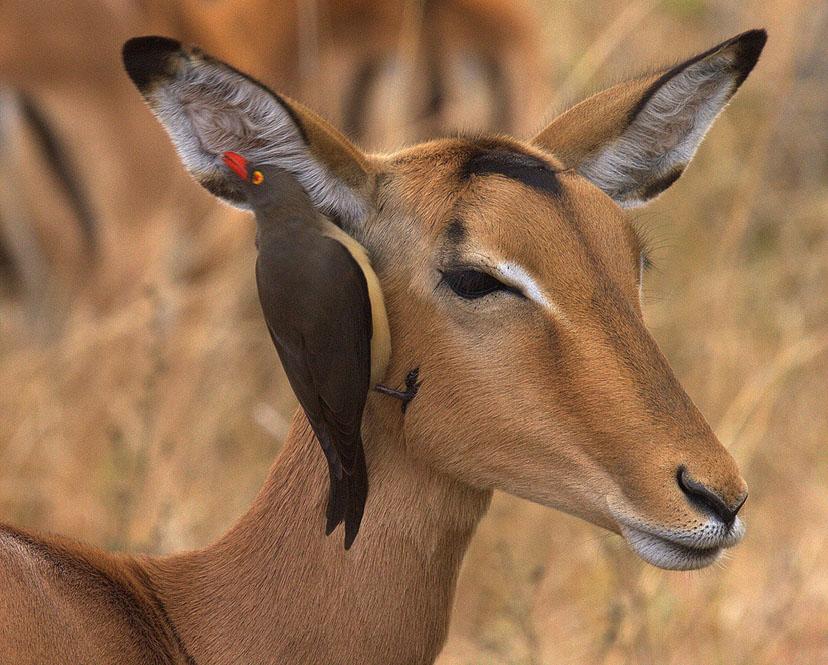


If the amount of food or resources available increases, the carrying capacity for an animal.....
Stays the same
Increases
Decreases
Fluctuates

This is the largest number of individuals of a population that the environment can support...
carrying capacity
population crash
lag phase
mutualism

Which type of growth is best illustrated by this rabbit population?
exponential
logistic
S-shaped
predator-prey

What point on the graph represents the carrying capacity?
A
B
C
D

When a population grows past the ecosystem's carrying capacity, what happens to the population?
Continues to grow
The population starts to die off to return to carrying capcity
The population will go extinct due to lack of resources
The population grows then finds a new carrying capacity


In a forest ecosystem, which of the following is the best example of a limiting factor for a rabbit population?
The squirrel population
The amount of sunlight
Amount of grass available
Rabbits have no limiting factors

Water, sunlight, shelter, and space are resources that are often........
abiotic limiting factors
biotic limiting factors
non-limiting factors
exponetial factors

According to the graph, what is causing the deer population to decrease
They got sick
The wolf population is decreasing
The wolf population increased
They ran out of food

Predator population lags behind prey population because......
Increase in predators leads to decrease in prey
Increase in predators leads to increase in prey
Increase in predators leads to decrease in producers
Increase in producers leads to increase in prey

Predation

Symbiosis

Commensalism

Parasitism

