
 Worksheets
BigFourReview (1-4)
Total questions: 116
Worksheet time: 1hrs 12mins

Which statement best expresses the principle of "consent of the governed"?
A
B
C
D

Which goal of the US Constitution is illustrated by this cartoon?
form a union
provide for the common defense
establish justice
ensure domestic peace

This phrase best refers to the -
failed policies made by foreign officials
grievances in the Declaration of Independence
national problems caused by outdated laws
weaknesses within the Articles of Confederation
Why have only 27 Amendments been added to the Constitution of the United States?
The process of adding amendments is very complex
The courts strike down many amendments
National laws limit the number of amendments
Changes in society are too small to require amendments

Which phrase completes this diagram?
state population
the number of political districts
voter registration
the number of state senators
The principle of federalism gives government power to--
the county and local governments
a strong confederate government
the national and state governments
a powerful state government

These headlines BEST illustrate the principle of--
consent of the governed
rule of law
popular sovereignty
democracy

The principle of United States government that is best illustrated by the headline is--
popular sovereignty
checks and balances
reserved and expressed powers
representative democracy

This headline illustrates the powers over which branch of government?
State Executive
State Legislative
National Judicial
National Executive
According to the 10th Amendment, powers not given to the national government, are given to the---
local governments
state governments
the courts
political parties
Which level of government can declare war on other nations?
county
state
federal
local
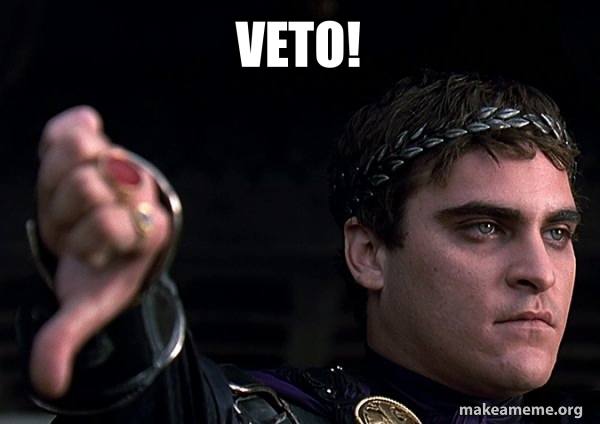
Which branch can veto legislation.
Legislative
Executive
Judicial
Congress
Which clause states that the Constitution, laws and treaties of the national government are the “supreme law of the land.”
Extradition Clause
Supremacy Clause
Full Faith & Credit Clause
Privileges & Immunities Clause
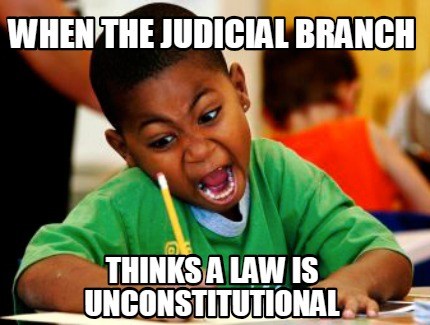
What does the Judicial Branch do?
Create laws
Enforce laws
Interpret laws
Write laws
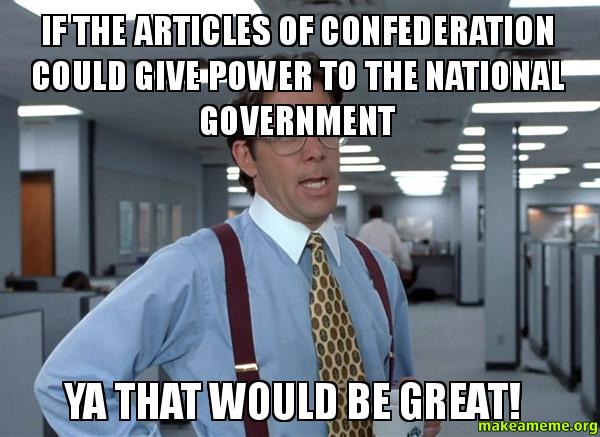
What was a major change from the Articles of Confederation to the Constitution?
The government gained the power to tax, created the executive branch, and did not need unanimous consent to do anything.
The government lost the power to raise an army, collect taxes, and make amendments.
The government gained the power to declare laws and actions of other branches unconstitutional.
The government lost the power to protect freedom of speech, religion, and the right to bear arms.
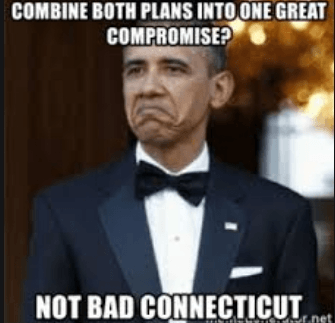
The Great Compromise was a compromise between--
Mass. Plan and New Jersey Plan
Virginia Plan and New Jersey Plan
Virginia Plan and New York Plan
Virginia Plan and Delaware Plan
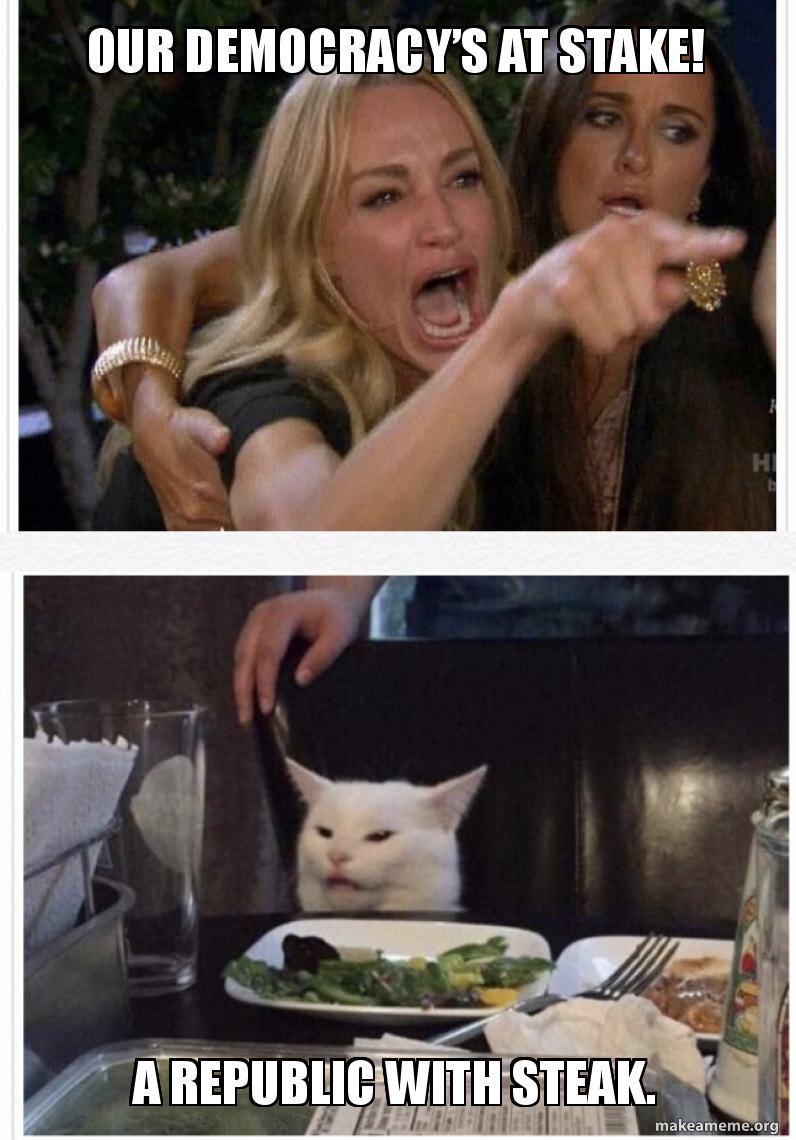
What is the difference between a democracy and a republic?
In a Democracy, people are represented by someone else. In a Republic, people get a direct say in government.
In a Republic, people are represented by someone else. In a Democracy, people get a direct say in government.
In a Democracy, people get a direct say in government. In a Republic, people are ruled by a King.
In a Republic, people are represented by someone else. In a Democracy, the government is based around religious law.
What part of the Constitution has the purposes of government for the United States?
Preamble
Articles
Amendments
none of these

What is the key concept behind the Social Contract?
It is a contract you sign with your cell phone carrier when downloading social media apps.
You surrender every right you have to the government with no benefit for yourself.
You agree to have inappropriate content removed from apps such as Snapchat.
You surrender certain rights in order for the government to provide you with protection and order.

Natural Rights are rights all people have and are born with...
Protection, Laws and Order
Life, Liberty and Property
Tabula Rasa
Money, Money, Money


A system of government, often fascist, with just one person ruling with complete and absolute power.
Monarchy
Democracy
Dictatorship
Oligarchy

The five ways to limit government are... Mark all answers that apply.
A Constitution and the Rule of Law
Rights of the Minority
Separation of Powers and Consent of the Governed
Life, Liberty and Property

A written plan of government.
The Declaration of Independence
The English Bill of Right
The Constitution
280 Characters
What does it mean to say we have "separation of powers?"
We divide power evenly between branches of government
We divide power but the leader of the government has ultimate say.
We divide power between state and national government.
We divide power among the smaller parts of government.
Which is a common characteristic of a dictatorship?
Concern for the rights and liberties of the people
Frequent and open elections
Power lies in the hands of a single person or group
This man’s writings influenced the American Representative Democracy by emphasizing that people had natural rights and to protect these rights government should be limited. If these rights are violated by the government there are grounds for rebellion.
Karl Marx
John Locke
Adam Smith
The style of government where a few leaders rule is called?
Constitutional Monarchy
Oligarchy
Representative Democracy
Thomas Jefferson borrowed many of his ideas from which Enlightenment Philosopher?
John Locke
Thomas Hobbes
Thomas Paine
John Adams

According to the Declaration of Independence, where does government get its power from?
The King
Religion
The People
The President


What was the main weakness of the Articles of Confederation?
the federal government was too weak
It had no legislative branch
The judicial was too powerful
The executive was too powerful

Which phrase completes the diagram?
regulate trade between states
borrow money
equip a navy
declare war
Sally wants to vote in the next election, but someone told her she is not allowed to. What amendment allows Sally, a woman, the right to vote?
15th
24th
19th
Voting Rights Act of 1965
A group of African Americans are hoping to vote for President in 2020. What helps them have that right? (2 Answers must be chosen)
19th Amendment
15th Amendment
Voting Rights Act of 1965
26th Amendment
DC GETS ELECTORS! What amendment would this headline come from?
19th
1st
23rd
24th
VOCAB TIME: Suffrage means...
To do away with something
The right to vote
You know long have to pay a poll tax to the polling place because of...
14th amendment
15th amendment
23rd amendment
24th amendment
Jim is 18 years old and Billy is 17. What amendment allows Jim to vote in the next election but not Billy.
13th
24th
28th
26th
VOCAB TIME: Abolish means to...
have the right to vote
do away with something
The police searched a suspect’s smartphone without getting a warrant and found photo evidence of criminal activity. After a thorough investigation, the suspect was charged and the evidence obtained from the smartphone was used in the trial. Which of the following amendments contains the Bill of Rights protections that were most likely violated in this scenario?
The Third Amendment
The Fourth Amendment
The Seventh Amendment
The Eighth Amendment
Students at a public university hold a peaceful protest to demonstrate against an increase in the cost of college tuition. Which of the following constitutional protections best applies to this scenario?
The First Amendment
The Second Amendment
The Sixth Amendment
The Ninth Amendment
A person accused of a crime cannot afford an attorney, so the state provides the accused with a public defender. Which of the following amendments in the Bill of Rights best applies in this scenario?
The Third Amendment
The Fifth Amendment
The Sixth Amendment
The Seventh Amendment
In Brown v. Board of Education of Topeka (1954), the Supreme Court struck down racial segregation in public schools, finding that “separate educational facilities are inherently unequal.”
What constitutional clause did the Court rely most heavily on to reach this decision?
The due process clause
The necessary and proper clause
The equal protection clause
The free exercise clause
Which amendment to the US Constitution granted full citizenship to all people born in the United States?
Civil Rights Act of 1981
14th amendment
15th amendment
hippos
Regulate trade within states is a ________________ power.
Federal
State
Regulating inter-state commerce, coining money, making treaties with foreign countries, and.....
Which federal power BEST completes this list?
Raising a military
Setting education standards
Promoting general welfare and well-being
Protecting State Parks
The power to tax, make and enforce laws, and establish courts are examples of...
Shared Powers
Federal Powers
State Powers
Separation of Powers

The Tenth Amendment to the Constitution has been interpreted by the Supreme Court to
prevent states from taxing agencies of the federal government
reserve powers to the states
allow for the burning of the flag as an expression of protest

The debates between Federalists and Anti-Federalists were primarily about which of the following issues?
The existence of slavery
The scope of power of the central government
The right of the people to rebel
What document was signed in 1215 and was the first to limit the power of a king?
Magna Carta
Mayflower Compact
English Bill of Rights
English Petition of Rights
Which English document included the right to petition your government?
English Petition of Right
Magna Carta
English Bill of Rights
English Declaration of Freedom

Which document listed all these rights?
Magna Carta
English Petition of Right
English Bill of Rights
Articles of Confederation
Which document outlawed:
-quartering soldiers
-seizing private property
-declaring martial law
English Bill of Rights
English Petition of Right
Virginia Declaration of Rights
Magna Carta
The Magna Carta placed limits on the government and indicated that the monarch
must obey the law.
cannot influence the law.
is above the law.
must not interfere with the law.
Which best describes the aim of the Petition of Right?
protecting citizens
supporting the monarch
empowering Parliament
restricting the military’s power
Which rights for citizens did the English Bill of Rights support? Choose three answers.
freedom of religion
universal suffrage
protection from cruel punishment
the right to bear arms
the right to trial by jury
a system in which the people choose their leaders to govern themselves - this is the type gov't of the U.S.
democracy
limited government
representative democracy
ordered government
The Petition of Right ultimately gave us:
Monarchs did not need approval before taxing people
Monarchs needed approval before taxing people
Monarchs and rulers could do whatever they wanted


The Constitution contains no Bill of Rights to protect individual liberties like freedom of speech, trial by jury, and the right against searches and seizures.
Federalist
Antifederalist
The Federalist Papers were a series of newspaper articles published in 1787 to 1788 to win support for the
construction of an interstate canal system
ratification of the United States Constitution
right of the colonies to rebel against Great Britain
right of a state to succeed from the Union
Establishes that federal constitution take precedence of laws
Supremacy Clause
Expressed Powers
Articles
Powers shared by both the federal and state governements
Concurrent powers
Expressed powers
Articles
Powers expressly granted to the federal government
Enumerated powers
Implied powers
Preamble


Separate branches are empowered to prevent actions by others
Checks and Balances
Supremacy Clause
Delegated power
All government power comes from the people
Popular Sovereignty
Indirect Democracy
Limited Government
Electoral Colleg

How are 14th Amendment due process protections related to the Civil Rights Act of 1968?
Congress may not enact discriminatory housing statutes.
Congress may not enact discriminatory employment policies.
State legislatures may not enact discriminatory housing statutes.
State legislatures may not enact discriminatory employment policies.

How did the passage of the Voting Rights of 1965 impact political participation?
All persons who passed a literacy test could now vote.
All children of foreign citizens could now vote.
All African-Americans could now vote.
All women could now vote.

Based on the scenario above, which constitutional violation has occurred?
Calvin is arrested for committing a crime.
Calvin is sentenced to serve time in prison.
Calvin is not allowed to speak freely in court.
Calvin is not granted an attorney.

Which documents addressed concerns about a bill of rights not being included in the U.S. Constitution?
The Federalist Papers
The Anti-Federalist Papers
The Mayflower Compact and Common Sense
The Mayflower Compact and the Declaration of Independence

Which situation would most likely lead to a civil case?
A person robs another person at gunpoint.
A person is caught breaking into a house.
A person breaks a leg at a friend’s house.
A person fails to stop at a red light.

Which part of the U.S. Constitution protects individual rights?
Declaration of Rights
Bill of Rights
Article I
Article II


Read more

