
 Worksheets
Unit 5 formative assessment
Total questions: 118
Worksheet time: 1hrs 17mins

What are some ways humans USE the environment?
breathe air
all of the above
swim in Lake Michigan
eat food made by farmers
In the five themes of geography what does movement mean?
how people modify the environment
where is it and why is it there?
how people and ideas get around
what is like when you get there?
In the five themes of geography what does regions mean?
the physical characteristics of an area
how and why goods get around
how people depend on their natural surroundings
places grouped together by common features
In the five themes of geography what does human environment interaction (HEI) mean?
what is it like when you get there?
where a place is on the Earth
how people depend, modify, and adapt to their natural surroundings
the way people move around the globe
In the five themes of geography what does location mean?
where is it and why is it there?
how ideas get around
the Rocky Mountains
what is it like when you get there?
In the five themes of geography what does place mean?
area of the world with common characteristics
North America
how people adapt their clothing to the climate.
what is like when you get there?
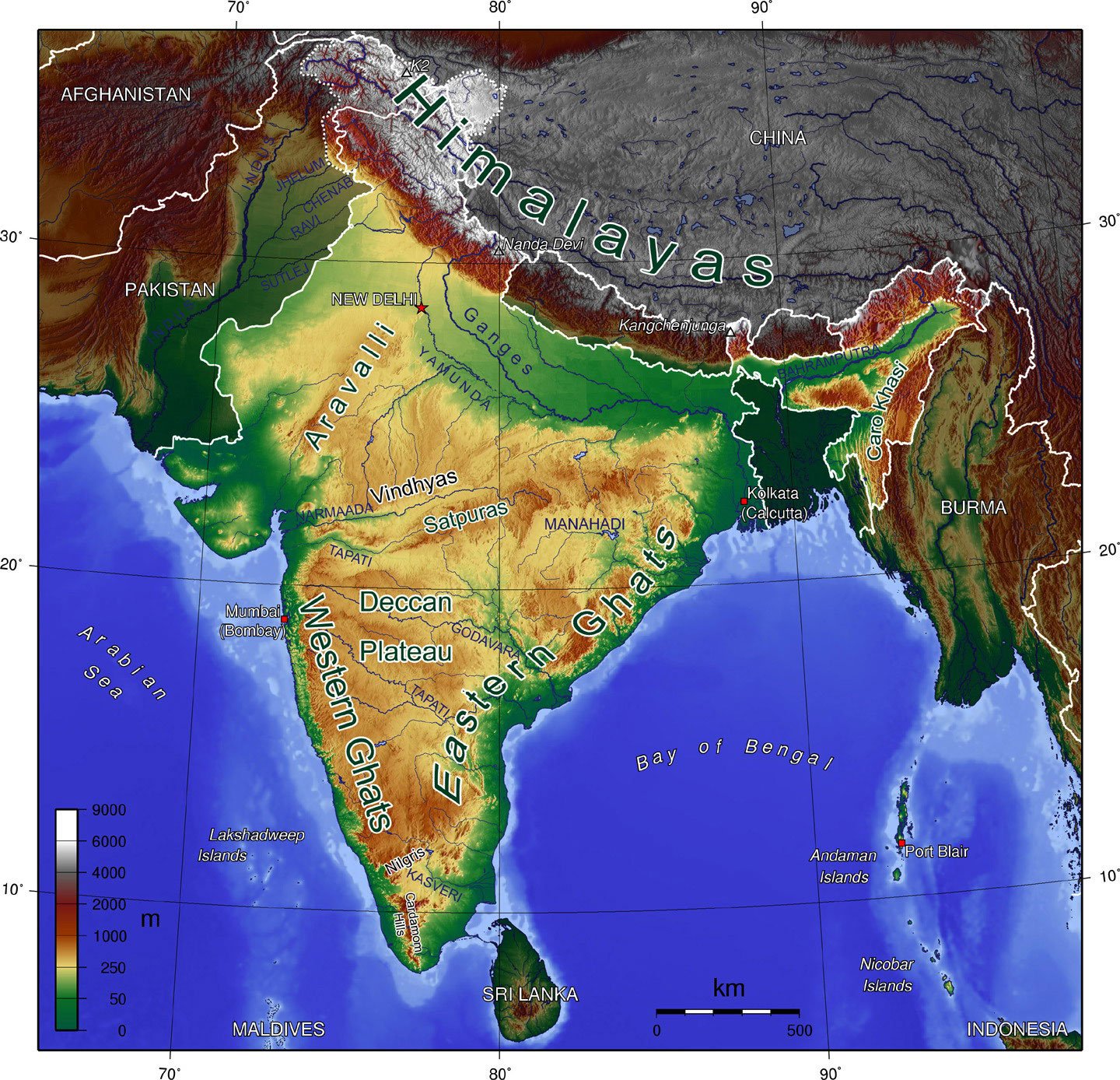
This map is an example of a . . .
Political Map
Physical Map
Population Map
Road Map

This map is an example of a . . .
Population Map
Thematic Map
Climate Map
Road Map

Adapt means...
to rely on
to change to fit a new situation
to change or make different

Modify means...
to rely on
to change to fit a new situation
to change or make different

Depend means...
to rely on
to change to fit a new situation
to change or make different

This pic shows......
Adapt
Modify
Depend

What is demonstrated in the picture?
Adapt
Modify
Depend/Use

What is shown in the picture?
Adapt
Modify
Depend/Use

This picture shows how humans --------- the environment....
Adapt
Modify
Depend/Use

Adjusting the way we live in or around landforms to meet our needs is called.....
human adaptation
non-renewable resource
technological innovation
human geograpy

Humans change the environment around them to meet their needs. This is called....
climate
technological innovation
physical geography
human modification

Clearing forests to use the area for other purposes such as growing beef is called....
climate
physical geography
non-renewable resource
deforestation

Which choice below refers to a natural resource that cannot be remade or replenished?
renewable resource
non-renewable resource

Which choice below refers to a natural resource that can be replenished naturally?
non- renewable resource
renewable resource

Since the 1800s, what has changed the landscape and led to the growth of large cities?
industrialization
suburbs
technology
colonization

A common reason for pollution is that it is produced by an activity that
is against the law
has no positive effects
should never be done
leads to economic growth

What do humans depend on or use to provide food, water, energy, and other materials that are needed to survive?
each other
the environment
other countries
themselves

This is the gradual warming of our planet's atmosphere because of human activity, including burning fossil fuels.
Global Warming
Recycling
Transportation
Conservation

Human's introducing something harmful to the environment
Global Warming
Recycling
Transportation
Pollution

Changing waste into products we can reuse to preserve natural resources
Global Warming
Recycling
Conservation
Farming

This is the act of human's interacting with their environment to try and prevent animals or their environments from being destroyed
Transportation
Recycling
Conservation
Farming

Humans burn ______ _____ in order to gain energy.
(a)

People in the south paint their houses light colors to reflect the heat in order to _________________ the environment.
modify
adapt to
depend upon


Coal, oil, and natural gas are examples of....
Carbon Footprint
Greenhouse Gases
Fossil Fuels
Climate Change

What are some ways the humans modify the environment?
remove mountaintops for coal
build dams on rivers for electricity
plant crops in arable lands
all of the above

What are some ways humans adapt to the environment?
build cities for humans to live in
build monuments to honor historical figures
wearing hats when the weather changes to cold
all of the above

Based on where resources are located on a map, why do lots of people live in that area?
All of these
People tend to live on coastlines because of the water, fish, etc.
People tend to live by resources because there are more jobs located there.
People tend to live by resources because they like the convenience of having what they want and need.

Discuss the advantages and disadvantages of using renewable versus non-renewable resources.

What types of energy might you find in a river valley?
solar power
nuclear power
natural gas
hydroelectric power

What type of energy source would you find in desert?
power generated by coal
solar power
wind power
hydroelectric power

What type of power might you find in the Great Plains/Breadbasket Region?
Wind power
power generated by oil
power generated by uranium
solar power

What are some examples of conflict that might happen due to natural resources?
They might get into a disagreement about mining.
They might get into a disagreement about oil.
They might get into a disagreement about water.
All of the above

Can important resources along a border of two countries cause a conflict ?
yes
no

Can important resources along a border of two countries cause the countries to cooperate and write a treaty ?
yes
no

Which of the following is a usable power source?
appliances
manufacturing
energy
power

Read the following examples and determine which form of technology has harmed the environment....
ropes assisting trees in standing up
water conservation
bulldozer clearing land quickly
paperless communication (email)

Is a constitution a negotiated method for resolving conflict?
yes
no

Is an economic policy an example of avoiding conflict/war?
yes
no

Discuss a major environmental issue and why it affects the entire world.


This term describes the ongoing alteration in global weather patterns due to rising levels of greenhouse gases since the late 19th century.
Climate Adjustment
Weather Shift
Climate Change
Climate Transformation
Where its position is on earth.
Location
Place
Regions
Movement
Human-Environment Inteaction
North, East, South and West are called....
Cardinal Directions
Compass Rose
Human characteristics describe what.....
Describes what humans have created.
Describes the relationship between humans and their environment.
Describes the natural environment.

What is an environment?
all the living and nonliving things in a place
a path that shows how energy moves from plants to animals
a path that shows how energy moves from plants to animals
Delaying school opening due to snow is called....
Adapting
Modifying
Clearing a forest to build a road is what????
Adapt
Modify
Wearing different clothes during the winter or summer is called????
Adaptation
Modification
Irrigation systems in the city is called....
Adaptation
Modification
Putting on sunscreen is .....
Adapt
Modify
Drinking hot chocolate in the winter is a form of....
Adaptation
Modification

Modern day Egyptians have built the Aswan Dam to keep the Nile River from flooding. This is an example of...
modifying
adapting

People who live in the northeastern United States use heating units to keep their homes warm in winter. This is an example of..
modifying
adapting
Building dams, plowing and irrigating fields, and digging mines are examples of...
modifying
adapting
When there is a change to the environment to meet the needs of people
Adaptation
Modification
When people change the way they live in order to fit new conditions or a new environment it is
adaptation
modification

Building dams is an example of?
Adapting to the environment
Modifying the environment


This picture is an example of...
Modify
Adapt
A long-term change in the temperature range and related environmental variables for regions of Earth
Consumption
Climate Change
Pollution
Environment

A natural resource that forms slower than the rate at which it is consumed by humans.
biodiversity
renewable resource
nonrenewable resource

A natural resource that can be replaced at the same rate at which it is consumed is a
biodegradable resource
renewable resource
nonrenewable resource
Is planting trees a positive or negative impact?
Positive
Negative
Is littering a positive or negative impact?
Positive
Negative
What type of map would be helpful if you were looking for an area that had a lot of mining jobs?
Physical Map
Resource Map
Climate Map
Historical Map

What type of map is this?
Political
Resource
Economic
Climate

What type of map is this?
Thematic
Political
Resource
Economic
What is energy?
moving energy
stored energy
renewable energy
The ability to do work.
What is NOT a renewable energy source?
coal
wind
solar
water
Which is NOT a non-renewable energy source?
coal
oil
wind
gas
Where is the largest coal mine in the world?
USA
China
India
Australia
Pollution stops when mining stops.
True
False

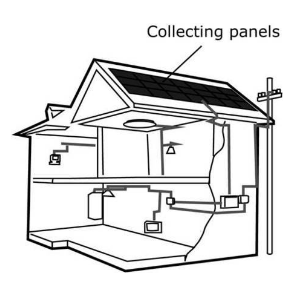
Which alternative energy source does this house use?
Geothermal Power plants generate power ________________,
Anytime
Sometimes
Daylight hours
Biomass energy comes from burning materials that were once _______________________.
Buried
Under Water
In Cars.
Alive
Uranium reactors use the energy from the uranium to heat water to generate _______________.
Magnetism
Wind
Electricity
None of these
When a new lake is built for a hydroelectric plant, the new lake floods old _______________ forcing animals to relocate.
Deserts
Cities
Habitats
None of these
Hydroelectric power does NOT cause _______ ________________.
Air induction
Air deduction
Air reduction
Air Pollution
What is a treaty?
an extra special Halloween treat
a formal agreement between branches of government
a formal agreement between two or more nations
a part of the Constitution
Why are treaties important?
kids love Halloween candy
Each opposing side signs a legal agreement to solve a problem or problems.
branches of government need to agree with each other
it forces presidents to do their job
When are treaties made?
in the month of November
Treaties are usually made BEFORE a war.
in September
Treaties are usually made AFTER a war.
Who is involved in treaties?
groups of people; usually different countries.
kids and adults on Halloween
parents and children
all three branches of government
Which geographic theme describes where something is?
Location
Place
Region
Food
Cities in the NE part of the US were huge centers of commerce and culture. Most of the largest cities were located by what natural resource which contributed to their growth?
Mountains
Flat lands for roads
Harbors or Bays, Rivers, Coastal Lines
Plantations

What encouraged urbanization?
Manufacturing centers shipped goods to Europe
The growth of labor unions
workers moving closer to manufacturing centers
decline of agriculture

How did this invention most affect the U.S. economy?
decreasing the need for canals
allowing better movement of goods
reducing the cost of settling in the West
transporting workers from the South to the North

An increase in agriculture, manufacturing and transportation led to ...?
higher cost
decreased profits
less consumer choice
more efficient production of goods
Which of the following is NOT one of the 5 themes of geography?
Location
Movement
Place
Culture

Which theme of geography does this illustrate?
location
place
region
human-environment interaction

Farmers have to clear and water land so crops can grow.
Location
Place
Region
Movement
Human-environment interaction
Deforestation has resulted in
more farmland in some places but more desertification in others
more farmland in some places and less desertification in others
less farmland in some places but more desertification in others
less farmland in some place and less desertification in others
no noticeable change in the amount of farmland or desertification
Technology can impact nature.
True
False
_________________ means to use resources wisely.
Conserve
Ethics
Switch off the lights when not in use.
Yes
No

