
 Worksheets
SS6H3b & SS6H3c.World War 2: Causes and Effects
Total questions: 123
Worksheet time: 10hrs 59mins
There were numerous causes of World War II, including a worldwide economic depression, the failure of the League of Nations, alliances, imperialism and the rise of militarism in many European countries. What were the causes of World War 2?
The causes of World War 2 were a worldwide economic depression, the failure of the League of Nations, alliances, nationalism, imperialism and the rise of militarism in many European countries.
The causes of World War 2 were disillusionment and consumerism.
The causes of World War 2 were militarism and alliances.
The causes of World War 2 were nationalism and imperialism.
While Adolf Hitler took power in Germany, strong dictatorships emerged in Italy and Japan. Benito Mussolini took power in Italy, and Emperor Hirohito commanded Japan. In the 1930s, these aggressive governments began to expand their territories by invading surrounding countries. In 1936, Japan, Italy, and Germany joined together to create an alliance called the Axis Powers. To oppose the Axis threat, Great Britain, France, and the Soviet Union joined together as the Allied Powers. Who took power in Italy during the rise of dictatorships in the 1930s?
Adolf Hitler
Emperor Hirohito
Benito Mussolini
Joseph Stalin
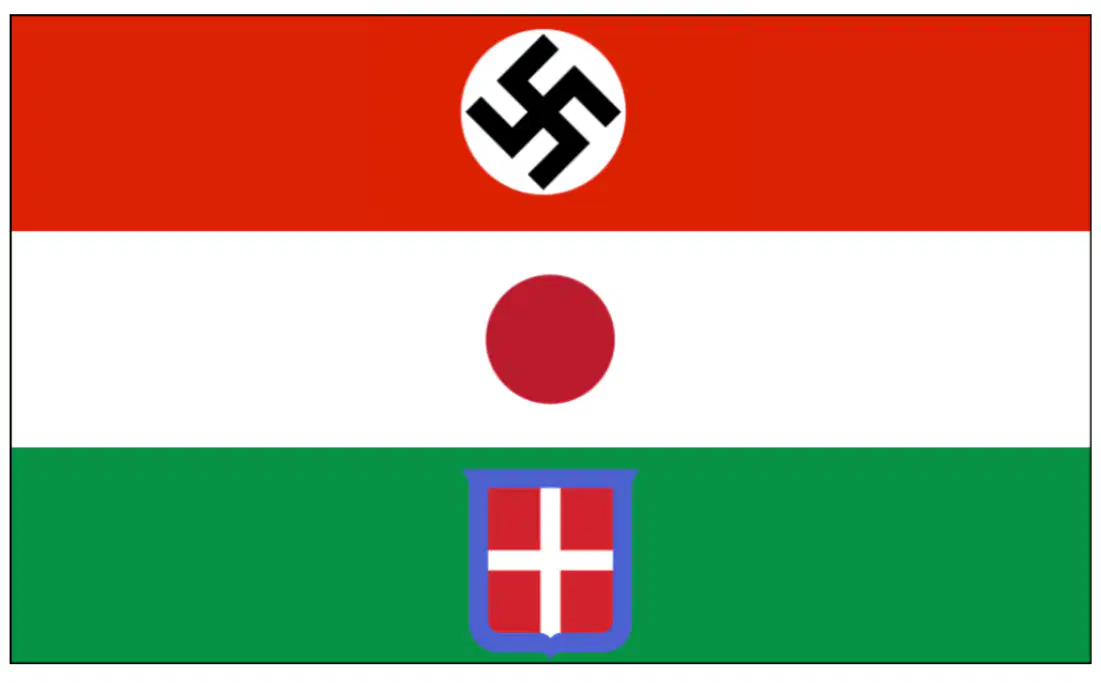
While Adolf Hitler took power in Germany, strong dictatorships emerged in Italy and Japan. Benito Mussolini took power in Italy, and Emperor Hirohito commanded Japan. In the 1930s, these aggressive governments began to expand their territories by invading surrounding countries. In 1936, Japan, Italy, and Germany joined together to create an alliance called the Axis Powers. To oppose the Axis threat, Great Britain, France, and the Soviet Union joined together as the Allied Powers. Which countries formed the Axis Powers in 1936?
Germany, Italy, and Japan
Great Britain, France, and the Soviet Union
Germany, France, and Italy
Japan, China, and Germany
While Adolf Hitler took power in Germany, strong dictatorships emerged in Italy and Japan. Benito Mussolini took power in Italy, and Emperor Hirohito commanded Japan. In the 1930s, these aggressive governments began to expand their territories by invading surrounding countries. In 1936, Japan, Italy, and Germany joined together to create an alliance called the Axis Powers. To oppose the Axis threat, Great Britain, France, and the Soviet Union joined together as the Allied Powers. What action did the dictatorships in the 1930s take to expand their power?
Signed peace treaties
Invaded surrounding countries
Held democratic elections
Strengthened trade with other nations
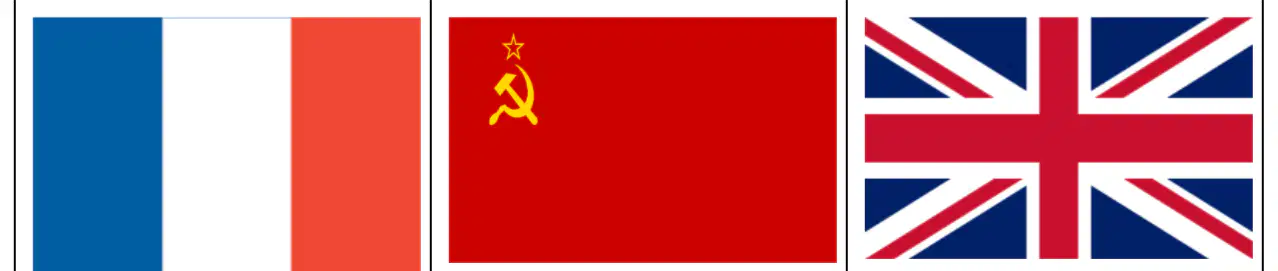
While Adolf Hitler took power in Germany, strong dictatorships emerged in Italy and Japan. Benito Mussolini took power in Italy, and Emperor Hirohito commanded Japan. In the 1930s, these aggressive governments began to expand their territories by invading surrounding countries. In 1936, Japan, Italy, and Germany joined together to create an alliance called the Axis Powers. To oppose the Axis threat, Great Britain, France, and the Soviet Union joined together as the Allied Powers. Which nations formed the Allied Powers to oppose the Axis threat?
Japan, Italy, and Germany
France, Great Britain, and the Soviet Union
Germany, the United States, and Italy
France, Japan, and Great Britain
While Adolf Hitler took power in Germany, strong dictatorships emerged in Italy and Japan. Benito Mussolini took power in Italy, and Emperor Hirohito commanded Japan. In the 1930s, these aggressive governments began to expand their territories by invading surrounding countries. In 1936, Japan, Italy, and Germany joined together to create an alliance called the Axis Powers. To oppose the Axis threat, Great Britain, France, and the Soviet Union joined together as the Allied Powers. What was the main reason the Allied Powers were formed?
To expand their own empires
To oppose the Axis Powers
To improve trade in Europe
To create new colonies
In their rise to power, the Nazis organized special police forces to intimidate citizens who opposed their party. One group was nicknamed the “Storm Troopers.” It was no coincidence that the movie franchise Star Wars features armed forces by the name of Storm Troopers. What did the Nazis organize to intimidate citizens who opposed their party?
Secret schools
Special police forces
Trade unions
Political debates
In their rise to power, the Nazis organized special police forces to intimidate citizens who opposed their party. One group was nicknamed the “Storm Troopers.” It was no coincidence that the movie franchise Star Wars features armed forces by the name of Storm Troopers. What nickname was given to one of the Nazi police groups?
Iron Guards
Storm Troopers
Shadow Soldiers
Night Patrol
In their rise to power, the Nazis organized special police forces to intimidate citizens who opposed their party. One group was nicknamed the “Storm Troopers.” It was no coincidence that the movie franchise Star Wars features armed forces by the name of Storm Troopers. What was the purpose of the Nazi special police forces?
To protect citizens
To intimidate people who opposed the Nazi Party
To train soldiers for World War I
To guard the borders of Germany

Look at the timeline of major events in WWII and answer the question.
World War II began in _____ when Germany invaded _______.
Europe; Poland
Europe; Russia
Asia; Japan
Asia; China
Look at the image. Which side did the Soviet Union fight for during World War 2?
The Soviet Union fought for the axis powers.
The Soviet Union fought for Harlem.
The Soviet Union fought for the allies.
The Soviet Union was allied with Japan in World War 2.
For many centuries, some Europeans had persecuted Jewish people and blamed them for their problems. This pre-existing prejudice against Jewish people is called antisemitism. When Hitler took power, thousands of Jewish people lived across Germany. Hitler and the Nazis blamed Jewish people for high unemployment and other economic problems in Germany.What is the term for prejudice or hatred toward Jewish people?
Nationalism
Antisemitism
Communism
Fascism
For many centuries, some Europeans had persecuted Jewish people and blamed them for their problems. This pre-existing prejudice against Jewish people is called antisemitism. When Hitler took power, thousands of Jewish people lived across Germany. Hitler and the Nazis blamed Jewish people for high unemployment and other economic problems in Germany.For how long had some Europeans persecuted Jewish people?
A few decades
For many centuries
Since World War II
Only during Hitler’s rule
For many centuries, some Europeans had persecuted Jewish people and blamed them for their problems. This pre-existing prejudice against Jewish people is called antisemitism. When Hitler took power, thousands of Jewish people lived across Germany. Hitler and the Nazis blamed Jewish people for high unemployment and other economic problems in Germany.What did Hitler and the Nazis blame Jewish people for in Germany?
Losing World War I
Religious conflicts
High unemployment and economic problems
Political corruption in other countries
For many centuries, some Europeans had persecuted Jewish people and blamed them for their problems. This pre-existing prejudice against Jewish people is called antisemitism. When Hitler took power, thousands of Jewish people lived across Germany. Hitler and the Nazis blamed Jewish people for high unemployment and other economic problems in Germany.Where did thousands of Jewish people live when Hitler took power?
Across Germany
In Italy
In the Soviet Union
In the United States
For many centuries, some Europeans had persecuted Jewish people and blamed them for their problems. This pre-existing prejudice against Jewish people is called antisemitism. When Hitler took power, thousands of Jewish people lived across Germany. Hitler and the Nazis blamed Jewish people for high unemployment and other economic problems in Germany. According to the text, what existed in Europe long before Hitler came to power?
Antisemitism and persecution of Jewish people
Support for the Nazi Party
Economic prosperity for all citizens
Equal rights for all religions
Hitler and the Nazi Party believed that white Germans were superior to all other people, and they particularly targeted Jewish, Slavic, Romany, and Black people as inferior. The Nazis called their white “master race” the Aryans. In his autobiography Mein Kampf (which means “my struggle”), Hitler described his ideas to strengthen Germany. Part of his plan was to eliminate all races he considered inferior. Which groups did the Nazis consider inferior?
Jewish, Slavic, Romany, and Black people
French, British, and American people
Germans, Italians, and Austrians
Asians, Africans, and Australians
Hitler and the Nazi Party believed that white Germans were superior to all other people, and they particularly targeted Jewish, Slavic, Romany, and Black people as inferior. The Nazis called their white “master race” the Aryans. In his autobiography Mein Kampf (which means “my struggle”), Hitler described his ideas to strengthen Germany. Part of his plan was to eliminate all races he considered inferior. What term did the Nazis use to describe their so-called “master race”?
Teutons
Aryans
Patriots
Supremacists
Hitler and the Nazi Party believed that white Germans were superior to all other people, and they particularly targeted Jewish, Slavic, Romany, and Black people as inferior. The Nazis called their white “master race” the Aryans. In his autobiography Mein Kampf (which means “my struggle”), Hitler described his ideas to strengthen Germany. Part of his plan was to eliminate all races he considered inferior. What does the title Mein Kampf mean in English?
“My Victory”
“My Nation”
“My Struggle”
“My Power”
Hitler and the Nazi Party believed that white Germans were superior to all other people, and they particularly targeted Jewish, Slavic, Romany, and Black people as inferior. The Nazis called their white “master race” the Aryans. In his autobiography Mein Kampf (which means “my struggle”), Hitler described his ideas to strengthen Germany. Part of his plan was to eliminate all races he considered inferior. What was one goal described in Hitler’s book Mein Kampf?
To create peace between nations
To promote equal rights for all people
To form alliances with other countries
To eliminate races he considered inferior
Hitler and the Nazi Party believed that white Germans were superior to all other people, and they particularly targeted Jewish, Slavic, Romany, and Black people as inferior. The Nazis called their white “master race” the Aryans. In his autobiography Mein Kampf (which means “my struggle”), Hitler described his ideas to strengthen Germany. Part of his plan was to eliminate all races he considered inferior.
What belief did Hitler and the Nazi Party promote about white Germans?
They were equal to all other people
They needed to share power with minorities
They were superior to all other people
They should stay out of world affairs

Propaganda is a tool people use to make you believe an idea, make you feel a certain way or make you act in a certain way. Propaganda is information that is biased or misleading in order to promote a particular cause. Propaganda usually uses pictures, video or words that play on your emotions. Often the goal of propaganda is to make you react emotionally instead of logically or rationally. What is propaganda?
Propaganda is not a tool people use to make you believe an idea, make you feel a certain way or make you act in a certain way.
Propaganda is sometimes a tool people use to make you believe an idea, make you feel a certain way or make you act in a certain way.
Propaganda is never a tool people use to make you believe an idea, make you feel a certain way or make you act in a certain way.
Propaganda is a tool people use to make you believe an idea, make you feel a certain way or make you act in a certain way.

When Hitler took power in 1933, the Nazis planned to eliminate all Jewish people in Europe, beginning with those in Germany. To start, Hitler hurt Jewish Germans economically by ordering Germans to boycott Jewish businesses. Then he took away Jewish Germans' citizenship and voting rights. Jewish children were turned away from public schools too. The Nazis used propaganda such as posters, radio programs, and movies to turn other Germans against their Jewish neighbors. Many German citizens responded by rioting and destroying Jewish shops, homes, and synagogues. What year did Hitler take power in Germany?
1917
1929
1933
1944

When Hitler took power in 1933, the Nazis planned to eliminate all Jewish people in Europe, beginning with those in Germany. To start, Hitler hurt Jewish Germans economically by ordering Germans to boycott Jewish businesses. Then he took away Jewish Germans' citizenship and voting rights. Jewish children were turned away from public schools too. The Nazis used propaganda such as posters, radio programs, and movies to turn other Germans against their Jewish neighbors. Many German citizens responded by rioting and destroying Jewish shops, homes, and synagogues. What was one of the Nazis’ first actions against Jewish Germans?
Sending them to concentration camps
Ordering Germans to boycott Jewish businesses
Forcing them to leave Germany immediately
Banning them from traveling abroad
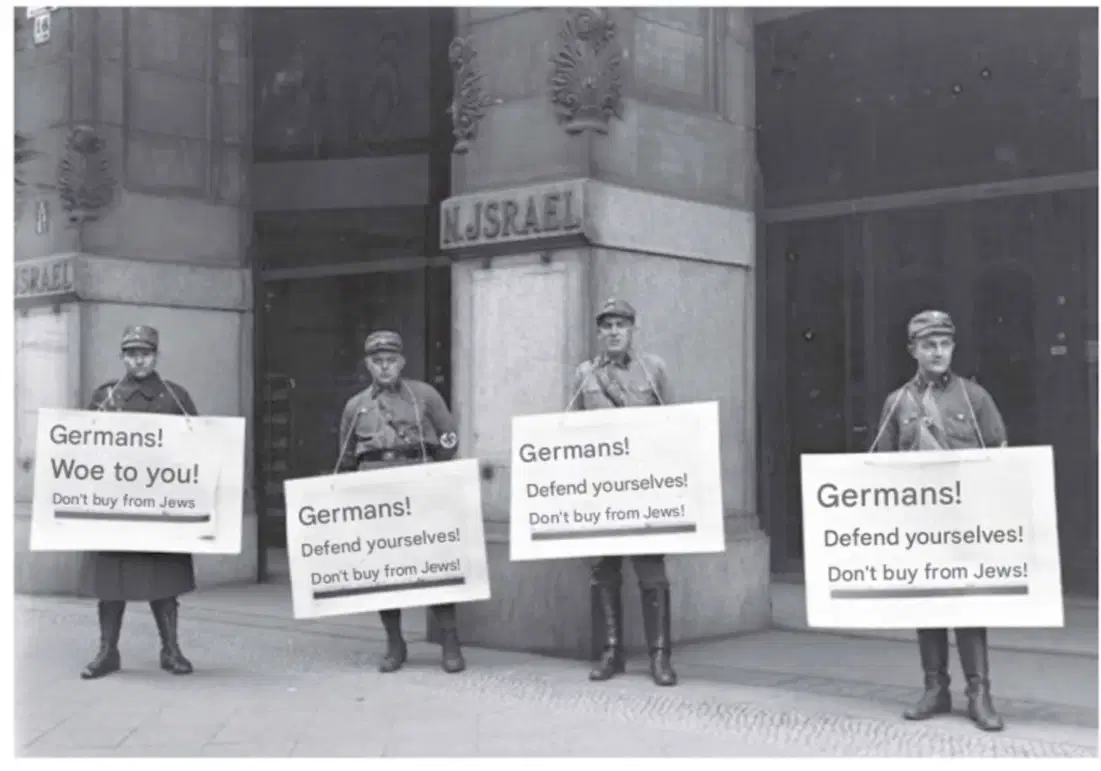
When Hitler took power in 1933, the Nazis planned to eliminate all Jewish people in Europe, beginning with those in Germany. To start, Hitler hurt Jewish Germans economically by ordering Germans to boycott Jewish businesses. Then he took away Jewish Germans' citizenship and voting rights. Jewish children were turned away from public schools too. The Nazis used propaganda such as posters, radio programs, and movies to turn other Germans against their Jewish neighbors. Many German citizens responded by rioting and destroying Jewish shops, homes, and synagogues. What was one of the Nazis’ first actions against Jewish Germans?
Sending them to concentration camps
Ordering Germans to boycott Jewish businesses
Forcing them to leave Germany immediately
Banning them from traveling abroad

When Hitler took power in 1933, the Nazis planned to eliminate all Jewish people in Europe, beginning with those in Germany. To start, Hitler hurt Jewish Germans economically by ordering Germans to boycott Jewish businesses. Then he took away Jewish Germans' citizenship and voting rights. Jewish children were turned away from public schools too. The Nazis used propaganda such as posters, radio programs, and movies to turn other Germans against their Jewish neighbors. Many German citizens responded by rioting and destroying Jewish shops, homes, and synagogues. What was one of the Nazis’ first actions against Jewish Germans?
Sending them to concentration camps
Ordering Germans to boycott Jewish businesses
Forcing them to leave Germany immediately
Banning them from traveling abroad
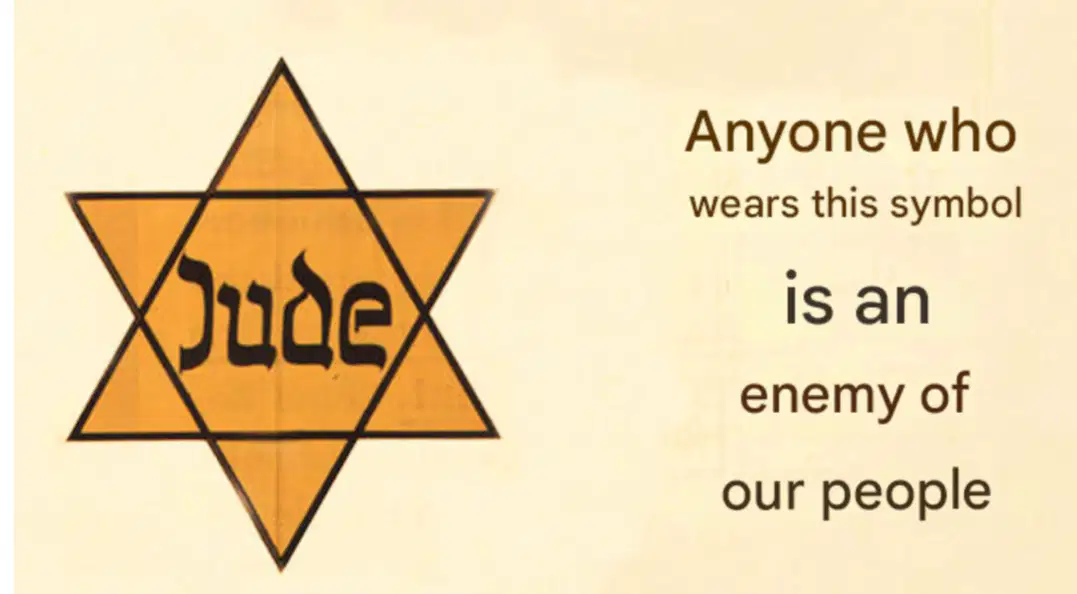
When Hitler took power in 1933, the Nazis planned to eliminate all Jewish people in Europe, beginning with those in Germany. To start, Hitler hurt Jewish Germans economically by ordering Germans to boycott Jewish businesses. Then he took away Jewish Germans' citizenship and voting rights. Jewish children were turned away from public schools too. The Nazis used propaganda such as posters, radio programs, and movies to turn other Germans against their Jewish neighbors. Many German citizens responded by rioting and destroying Jewish shops, homes, and synagogues. What was one of the Nazis’ first actions against Jewish Germans?
Sending them to concentration camps
Ordering Germans to boycott Jewish businesses
Forcing them to leave Germany immediately
Banning them from traveling abroad
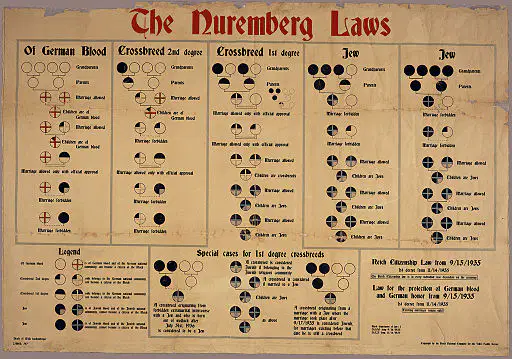
The Nuremberg Laws had many of the racially based beliefs held by the Nazi party into written law. The German Reichstag/Congress passed this set of laws on September 15, 1935, initiating a period of legal discrimination against those the German government deemed racially inferior. The Reich Citizenship Law is one. The Nazi regime's Nuremberg Race Laws of September 1935 made Jews legally different from their non-Jewish neighbors. What were the Nuremberg Laws?
A set of economic reforms in Germany
A set of racially based laws created by the Nazi Party
Laws protecting Jewish citizens in Germany
International agreements made after World War II

The Nuremberg Laws had many of the racially based beliefs held by the Nazi party into written law. The German Reichstag/Congress passed this set of laws on September 15, 1935, initiating a period of legal discrimination against those the German government deemed racially inferior. The Reich Citizenship Law is one. The Nazi regime's Nuremberg Race Laws of September 1935 made Jews legally different from their non-Jewish neighbors. What did the Nuremberg Laws do?
Granted full citizenship to all German citizens
Encouraged equality among all races in Germany
Turned Nazi racial beliefs into official written law
Ended discrimination in German society
Adolf Hitler and the National Socialist German Workers' Party (Nazi) gained control of the German state in 1933, after which the systematic and deliberate exclusion of Jews rapidly escalated. In 1933 Hitler called for a ban on Jewish business and the Law for the Restoration of the Professional Civil Service banned Jewish people (and some political opponents) from the civil service, including employment as teachers, professors and judges. Soon after this a similar law banned Jews from several other professions including doctor, musician, notary and lawyer. Initial exclusions for World War I veterans and their children were disallowed after Paul von Hindenburg’s (President of the Weimar Republic) death in 1934. What happened after the Nazis took control of Germany in 1933?
The inclusion of all minority groups in government
The end of World War I
Germany established a democracy
The systematic exclusion of Jews began to rapidly escalate
Adolf Hitler and the National Socialist German Workers' Party (Nazi) gained control of the German state in 1933, after which the systematic and deliberate exclusion of Jews rapidly escalated. In 1933, Hitler called for a ban on Jewish businesses, and the Law for the Restoration of the Professional Civil Service banned Jewish people (and some political opponents) from the civil service, including employment as teachers, professors, and judges. Soon after, a similar law banned Jews from several other professions, including doctor, musician, notary, and lawyer. Initial exclusions for World War I veterans and their children were disallowed after Paul von Hindenburg’s (President of the Weimar Republic) death in 1934. What did the Law for the Restoration of the Professional Civil Service do?
Protected Jewish-owned businesses
Allowed Jewish people to work in public offices
Banned Jewish people and political opponents from civil service jobs
Created more opportunities for Jewish teachers
Adolf Hitler and the National Socialist German Workers' Party (Nazi) gained control of the German state in 1933, after which the systematic and deliberate exclusion of Jews rapidly escalated. In 1933, Hitler called for a ban on Jewish businesses, and the Law for the Restoration of the Professional Civil Service banned Jewish people (and some political opponents) from the civil service, including employment as teachers, professors, and judges. Soon after, a similar law banned Jews from several other professions, including doctor, musician, notary, and lawyer. Initial exclusions for World War I veterans and their children were disallowed after Paul von Hindenburg’s (President of the Weimar Republic) death in 1934. Which professions were Jews later banned from under Nazi laws?
Doctor, musician, notary, and lawyer
Soldier, banker, and artist
Only teaching and law
Engineering and farming
Adolf Hitler and the National Socialist German Workers' Party (Nazi) gained control of the German state in 1933, after which the systematic and deliberate exclusion of Jews rapidly escalated. In 1933, Hitler called for a ban on Jewish businesses, and the Law for the Restoration of the Professional Civil Service banned Jewish people (and some political opponents) from the civil service, including employment as teachers, professors, and judges. Soon after, a similar law banned Jews from several other professions, including doctor, musician, notary, and lawyer. Initial exclusions for World War I veterans and their children were disallowed after Paul von Hindenburg’s (President of the Weimar Republic) death in 1934. What happened to the exemptions for Jewish World War I veterans after President Paul von Hindenburg’s death in 1934?
They were expanded
They remained unchanged
They were given only to teachers
They were taken away (disallowed)
During World War II, the German army forced Jewish people to leave their homes and move into poor, crowded areas called ghettos. Many Jewish people were transported to concentration camps where they were forced to do hard labor. Men, women, and children died there of starvation and exhaustion. Additionally, hundreds of thousands of Jewish people were sent to “death camps” where they were executed in gas chambers. What happened to Jewish people during World War II under German rule?
They were forced to leave their homes and live in ghettos
They were given better housing and jobs
They were sent to schools for retraining
They were allowed to move freely across Europe
During World War II, the German army forced Jewish people to leave their homes and move into poor, crowded areas called ghettos. Many Jewish people were transported to concentration camps where they were forced to do hard labor. Men, women, and children died there of starvation and exhaustion. Additionally, hundreds of thousands of Jewish people were sent to “death camps” where they were executed in gas chambers. What were ghettos during World War II?
Areas for German soldiers to live
Poor, crowded areas where Jewish people were forced to live
Camps for prisoners of war
Places of worship for Jewish communities
During World War II, the German army forced Jewish people to leave their homes and move into poor, crowded areas called ghettos. Many Jewish people were transported to concentration camps where they were forced to do hard labor. Men, women, and children died there of starvation and exhaustion. Additionally, hundreds of thousands of Jewish people were sent to “death camps” where they were executed in gas chambers. What kind of work were Jewish people forced to do in concentration camps?
Hard labor
Office work
Teaching and research
Agricultural management
During World War II, the German army forced Jewish people to leave their homes and move into poor, crowded areas called ghettos. Many Jewish people were transported to concentration camps where they were forced to do hard labor. Men, women, and children died there of starvation and exhaustion. Additionally, hundreds of thousands of Jewish people were sent to “death camps” where they were executed in gas chambers. What were the main causes of death for many people in concentration camps?
Disease and old age
Starvation and exhaustion
Cold weather only
Attacks by soldiers
During World War II, the German army forced Jewish people to leave their homes and move into poor, crowded areas called ghettos. Many Jewish people were transported to concentration camps where they were forced to do hard labor. Men, women, and children died there of starvation and exhaustion. Additionally, hundreds of thousands of Jewish people were sent to “death camps” where they were executed in gas chambers. What were “death camps” used for during World War II?
Training German soldiers
Reuniting families separated by war
Housing refugees
Executing Jewish people in gas chambers
Germany lost World War II in 1945. As Allied troops freed areas of Europe from German control, they came across some horrible sights. The troops found the concentration camps where Nazis had imprisoned and killed Jewish people. In total, Hitler and his Nazi government was responsible for the murder of more than six million Jewish people between 1933 and 1945. This horrific event is known as the Holocaust. When did Germany lose World War II?
1939
1940
1941
1945
Germany lost World War II in 1945. As Allied troops freed areas of Europe from German control, they came across some horrible sights. The troops found the concentration camps where Nazis had imprisoned and killed Jewish people. In total, Hitler and his Nazi government was responsible for the murder of more than six million Jewish people between 1933 and 1945. This horrific event is known as the Holocaust. What did Allied troops discover as they freed areas of Europe from German control?
New German weapons
Hidden Nazi gold
Concentration camps
Underground cities
Germany lost World War II in 1945. As Allied troops freed areas of Europe from German control, they came across some horrible sights. The troops found the concentration camps where Nazis had imprisoned and killed Jewish people. In total, Hitler and his Nazi government was responsible for the murder of more than six million Jewish people between 1933 and 1945. This horrific event is known as the Holocaust. Who was responsible for the murder of more than six million Jewish people?
The Allied forces
The Soviet government
Hitler and the Nazi government
The League of Nations
Germany lost World War II in 1945. As Allied troops freed areas of Europe from German control, they came across some horrible sights. The troops found the concentration camps where Nazis had imprisoned and killed Jewish people. In total, Hitler and his Nazi government was responsible for the murder of more than six million Jewish people between 1933 and 1945. This horrific event is known as the Holocaust. Between which years did the Holocaust take place?
1914–1918
1933–1945
1939–1941
1945–1950
Germany lost World War II in 1945. As Allied troops freed areas of Europe from German control, they came across some horrible sights. The troops found the concentration camps where Nazis had imprisoned and killed Jewish people. In total, Hitler and his Nazi government was responsible for the murder of more than six million Jewish people between 1933 and 1945. This horrific event is known as the Holocaust. What is the name given to the mass murder of Jewish people during World War II?
The Cold War
The Holocaust
The Great Depression
The Berlin Blockade

The Holocaust was the systematic murder of Europe's Jews by the Nazis and their collaborators during the Second World War. This program of targeted mass murder was a central part of the Nazis’ broader plans to create a new world order based on their ideology. What was the Holocaust?
It was the systematic murder of more than six million Jewish people under Nazi rule.
It was not the systematic murder of more than six million Jewish people under Nazi rule.
It was not the was the systematic murder of Europe's Jews by the Nazis and their collaborators during the Second World War.
It was the name of a popular song in Nazi Germany.
What were concentration camps in Nazi Germany?
a prison camp used to hold a large number of civilians or political prisoners
German factories
Secret Nazi tunnels
Training German soldiers
What were concentration camps used for during World War II?
Training German soldiers
Housing Allied prisoners
Imprisoning and killing Jewish people
Protecting civilians from bombings

Appeasement was one of the main causes of World War 2. Appeasement means agreeing to the demands of another nation in order to avoid conflict. During the 1930s, politicians in Britain and France began to believe that the Treaty of Versailles was unfair to Germany and that Hitler’s actions were understandable and justifiable. This belief, adopted by Britain, was the Policy of Appeasement. An example of appeasement was the Munich Agreement of September 1938. In the Agreement, Britain and France allowed Germany to annex areas in Czechoslovakia where German-speakers lived. Germany agreed not to invade the rest of Czechoslovakia or any other country. In March 1939, Germany broke its promise and invaded the rest of Czechoslovakia. Neither Britain nor France was prepared to take military action. Then, on September 1, 1939, German troops invaded Poland. Britain and France immediately declared war on Germany. World War II had begun in Europe. What does the term "appeasement" mean?
A.Building up a nation's military power
Agreeing to another nation's demands to avoid conflict
Refusing to negotiate with enemies
Forming alliances for protection

Appeasement was one of the main causes of World War 2. Appeasement means agreeing to the demands of another nation in order to avoid conflict. During the 1930s, politicians in Britain and France began to believe that the Treaty of Versailles was unfair to Germany and that Hitler’s actions were understandable and justifiable. This belief, adopted by Britain, was the Policy of Appeasement. An example of appeasement was the Munich Agreement of September 1938. In the Agreement, Britain and France allowed Germany to annex areas in Czechoslovakia where German-speakers lived. Germany agreed not to invade the rest of Czechoslovakia or any other country. In March 1939, Germany broke its promise and invaded the rest of Czechoslovakia. Neither Britain nor France was prepared to take military action. Then, on September 1, 1939, German troops invaded Poland. Britain and France immediately declared war on Germany. World War II had begun in Europe. What does the term "appeasement" mean?
A.Building up a nation's military power
Agreeing to another nation's demands to avoid conflict
Refusing to negotiate with enemies
Forming alliances for protection

Germany's imperialism was a main cause of World War 2. Hitler immediately began secretly building up Germany’s army and weapons. Although Britain and France knew of Hitler’s actions, they thought a stronger Germany would stop the spread of Communism from Russia. In 1936 Hitler ordered German troops to enter the German-speaking areas of the Rhineland (France), Austria, and Czechoslovakia. At this point neither France nor Britain was prepared to go to war. In 1936, Hitler made alliances with Italy and Japan. The military alliance of Germany, Italy, and Japan was called the Axis Powers. What was a main cause of World War 2?
Germany's isolationism.
Germany's imperialism.
Germany's charity.
Germany's good foreign relations.

Germany's imperialism was a main cause of World War 2. Hitler immediately began secretly building up Germany’s army and weapons. Although Britain and France knew of Hitler’s actions, they thought a stronger Germany would stop the spread of Communism from Russia. In 1936 Hitler ordered German troops to enter the German-speaking areas of the Rhineland (France), Austria, and Czechoslovakia. At this point neither France nor Britain was prepared to go to war. In 1936, Hitler made alliances with Italy and Japan. The military alliance of Germany, Italy, and Japan was called the Axis Powers. What was a main cause of World War 2?
Germany's imperialism.
Germany's isolationism.
Germany's charity.
Germany's good foreign relations.
The League of Nations was an international organization set up in 1919 to keep world peace. It was intended that all countries
would be members and that if there were disputes between countries, they could be settled by negotiation rather than by force.
The League of Nations was a good idea, but ultimately a failure. Not all countries joined the league and the League had no army
to prevent military aggression such as Italy’s invasion of Ethiopia in Africa or Japan’s invasion of Manchuria in China. The failure of the League of Nations was one of the main causes of World War 2. What was one of the main causes of World War 2?
The failure of the League of Nations
Germany's amazing foreign policy.
Japan's amazing foreign policy
Italy's amazing foreign policy.
In 1931, Japan was hit badly by the economic depression. Japanese people lost faith in the government. They turned to the army in order to find a solution to their economic problems. In order to produce more goods, Japan needed natural resources for its factories. The Japanese army invaded China, an area rich in minerals and resources. China asked for help from the League of Nations. Japan ignored the League of Nations and continued to occupy China and Korea. As Japan invaded other areas of South East Asia including Vietnam, the United States grew concerned about its territories in Asia, such as the Philippines and Guam. Japan felt that its expansion could be threatened by the United States military and attacked Pearl Harbor, Hawaii, in December 1941. World War II had begun in Asia. Japan's militarism was one of the main causes of World War 2. What was one of the main causes of World War 2?
Japan's militarism
Japan's enemies joined forces to invade it in 1931.
Japan's amazing foreign policy
Italy's amazing foreign policy
In 1931, Japan was hit badly by the economic depression. Japanese people lost faith in the government. They turned to the army in order to find a solution to their economic problems. In order to produce more goods, Japan needed natural resources for its factories. The Japanese army invaded China, an area rich in minerals and resources. China asked for help from the League of Nations. Japan ignored the League of Nations and continued to occupy China and Korea. As Japan invaded other areas of South East Asia including Vietnam, the United States grew concerned about its territories in Asia, such as the Philippines and Guam. Japan felt that its expansion could be threatened by the United States military and attacked Pearl Harbor, Hawaii, in December 1941. World War II had begun in Asia. Japan's militarism was one of the main causes of World War 2. Why did many Japanese people lose faith in their government in 1931?
Because Japan lost a war
Because Japan was hit hard by the economic depression
Because the League of Nations took control of Japan
Because the United States stopped trading with Japan
In 1931, Japan was hit badly by the economic depression. Japanese people lost faith in the government. They turned to the army in order to find a solution to their economic problems. In order to produce more goods, Japan needed natural resources for its factories. The Japanese army invaded China, an area rich in minerals and resources. China asked for help from the League of Nations. Japan ignored the League of Nations and continued to occupy China and Korea. As Japan invaded other areas of South East Asia including Vietnam, the United States grew concerned about its territories in Asia, such as the Philippines and Guam. Japan felt that its expansion could be threatened by the United States military and attacked Pearl Harbor, Hawaii, in December 1941. World War II had begun in Asia. Japan's militarism was one of the main causes of World War 2. Why did Japan invade China in the early 1930s?
To spread democracy
To punish China for attacking Japan
To gain natural resources for its factories
To follow orders from the League of Nations
In 1931, Japan was hit badly by the economic depression. Japanese people lost faith in the government. They turned to the army in order to find a solution to their economic problems. In order to produce more goods, Japan needed natural resources for its factories. The Japanese army invaded China, an area rich in minerals and resources. China asked for help from the League of Nations. Japan ignored the League of Nations and continued to occupy China and Korea. As Japan invaded other areas of South East Asia including Vietnam, the United States grew concerned about its territories in Asia, such as the Philippines and Guam. Japan felt that its expansion could be threatened by the United States military and attacked Pearl Harbor, Hawaii, in December 1941. World War II had begun in Asia. Japan's militarism was one of the main causes of World War 2. How did Japan respond when China asked the League of Nations for help?
Japan withdrew from China immediately
Japan apologized and signed a peace treaty
Japan ignored the League and continued to occupy China and Korea
Japan attacked the League’s headquarters
In 1931, Japan was hit badly by the economic depression. Japanese people lost faith in the government. They turned to the army in order to find a solution to their economic problems. In order to produce more goods, Japan needed natural resources for its factories. The Japanese army invaded China, an area rich in minerals and resources. China asked for help from the League of Nations. Japan ignored the League of Nations and continued to occupy China and Korea. As Japan invaded other areas of South East Asia including Vietnam, the United States grew concerned about its territories in Asia, such as the Philippines and Guam. Japan felt that its expansion could be threatened by the United States military and attacked Pearl Harbor, Hawaii, in December 1941. World War II had begun in Asia. Japan's militarism was one of the main causes of World War 2. What caused the United States to become concerned about Japan’s actions?
Japan’s invasion of other areas in South East Asia
Japan’s trade agreements with China
Japan’s refusal to trade with the U.S.
Japan’s alliance with Britain
Which was NOT a reason for the start of World War II?
Failure of Appeasement
Failure of League of Nations
Germany invaded Poland
Strong economies throughout the world
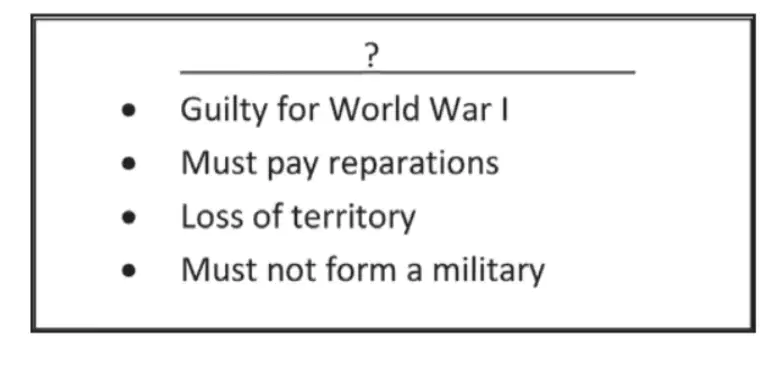
What is the best title for the list?
Munich Agreement
Treaty of Versailles
Sino Non-Aggression pact
League of Nations
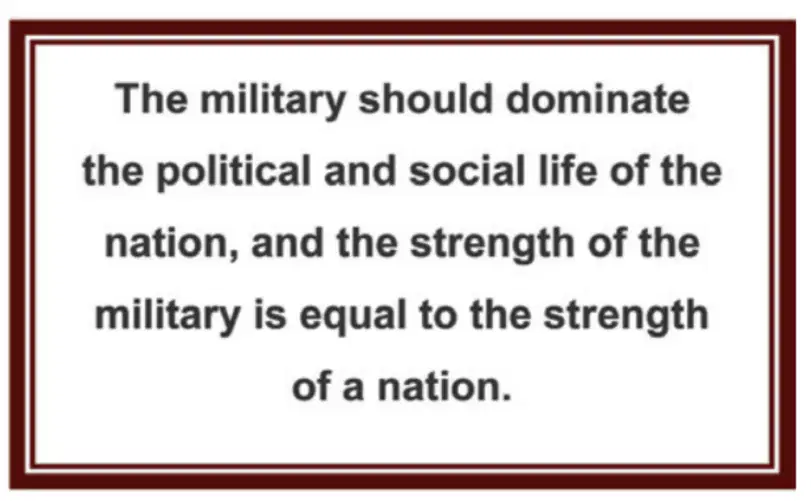
Militarism is the belief that a country should maintain a strong military and be prepared to use it aggressively to defend or promote national interests. The passage refers to _____ ___?
depression.
appeasement.
militarism.
nationalism.

The worldwide economic depression of the late 1920s was one of the main causes of World War 2. The whole world was hit by an economic depression in the late 1920s. In a depression, economies shrink, trade is reduced, businesses close, prices fall, banks fail, and unemployment rises. Sometimes during a depression, people look for a strong political leader to resolve their problems. In 1933, Adolf Hitler became the leader of Germany by promising to restore German wealth and power. What was one main cause of World War 2?
The worldwide economic depression of the late 1920s
The worldwide economic depression of the late 1930s
The worldwide economic depression of the late 1940s
The worldwide economic depression of the late 1950s
The worldwide economic depression of the late 1920s was one of the main causes of World War 2. The whole world was hit by an economic depression in the late 1920s. In a depression, economies shrink, trade is reduced, businesses close, prices fall, banks fail, and unemployment rises. Sometimes during a depression, people look for a strong political leader to resolve their problems. In 1933, Adolf Hitler became the leader of Germany by promising to restore German wealth and power. What was one main cause of World War 2?
The worldwide economic depression of the late 1930s
The worldwide economic depression of the late 1920s
The worldwide economic depression of the late 1940s
The worldwide economic depression of the late 1950s
The worldwide economic depression of the late 1920s was one of the main causes of World War 2. The whole world was hit by an economic depression in the late 1920s. In a depression, economies shrink, trade is reduced, businesses close, prices fall, banks fail, and unemployment rises. Sometimes during a depression, people look for a strong political leader to resolve their problems. In 1933, Adolf Hitler became the leader of Germany by promising to restore German wealth and power. In what decade did the worldwide economic depression occur?
1910s
1930s
1920s
1940s
The worldwide economic depression of the late 1920s was one of the main causes of World War 2. The whole world was hit by an economic depression in the late 1920s. In a depression, economies shrink, trade is reduced, businesses close, prices fall, banks fail, and unemployment rises. Sometimes during a depression, people look for a strong political leader to resolve their problems. In 1933, Adolf Hitler became the leader of Germany by promising to restore German wealth and power. Who became the leader of Germany in 1933 by promising to restore the nation’s wealth and power?
Joseph Stalin
Benito Mussolini
Franklin D. Roosevelt
Adolf Hitler
The worldwide economic depression of the late 1920s was one of the main causes of World War 2. The whole world was hit by an economic depression in the late 1920s. In a depression, economies shrink, trade is reduced, businesses close, prices fall, banks fail, and unemployment rises. Sometimes during a depression, people look for a strong political leader to resolve their problems. In 1933, Adolf Hitler became the leader of Germany by promising to restore German wealth and power. Why do people sometimes support strong political leaders during a depression?
They prefer leaders who avoid taking action
They want leaders to reduce taxes for the wealthy
They want to end international trade
They hope such leaders can solve economic problems

The rise of Nazism in Germany was one of the main causes of World War 2. Germany's high unemployment and other economic problems gave the Nazis the opportunity to rise to power. The Nazis were very interested in militarism and imperialism. What was one of the main causes of World War 2?
The Nazis rise to power in Germany.
The Nazis rise to power in Brazil.
The Nazis rise to power in Russia.
The Nazis rise to power in Japan.
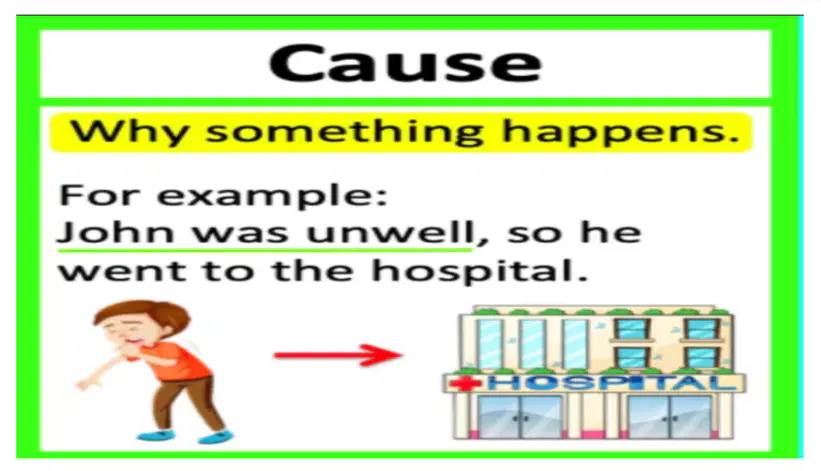
The word cause is the reason why something happens. What does the word cause mean?
Why something happens.
It is what happens as a result of the cause.
It is not what happens as a result of the cause.
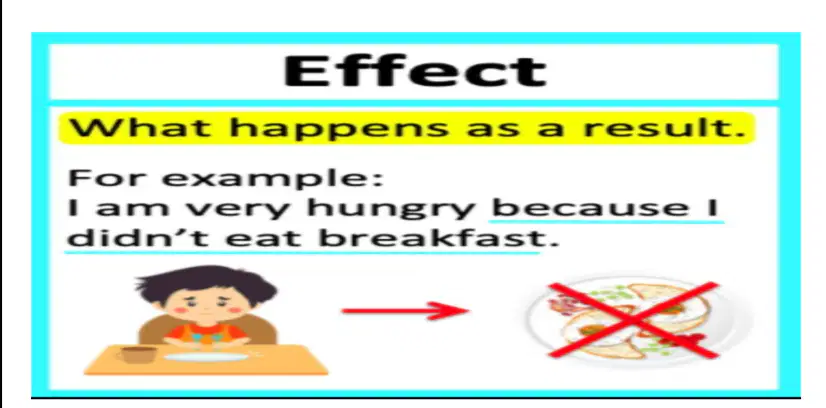
An effect is what happens as a result of the cause. What does the word effect mean?
Why something happens.
It is what happens as a result of the cause.
It is not what happens as a result of the cause.
At the end of World War II, the Allied armies of France, Great Britain, and the United States freed all the nations in Western Europe that had been conquered by Germany. The Allies also helped Western European countries form stable, democratic governments and gave them money to rebuild. Then, Allied troops returned to their own countries. Which nations were part of the Allied armies that freed Western Europe at the end of World War II?
Germany, Italy, and Japan
France, Great Britain, and the United States
Russia, China, and Canada
Spain, Portugal, and Switzerland
At the end of World War II, the Allied armies of France, Great Britain, and the United States freed all the nations in Western Europe that had been conquered by Germany. The Allies also helped Western European countries form stable, democratic governments and gave them money to rebuild. Then, Allied troops returned to their own countries. What did the Allied armies do at the end of World War II?
They conquered new territories in Asia
They created a new empire in Europe
They freed all nations in Western Europe that had been conquered by Germany
They signed a peace treaty with Germany and Japan
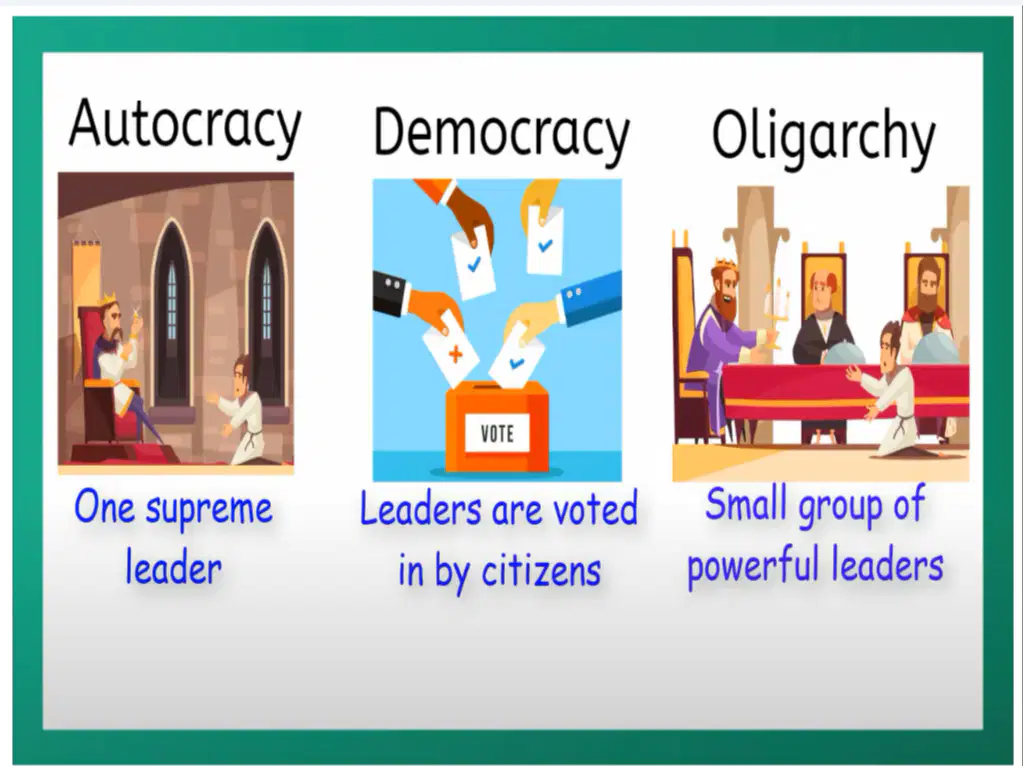
At the end of World War II, the Allied armies of France, Great Britain, and the United States freed all the nations in Western Europe that had been conquered by Germany. The Allies also helped Western European countries form stable, democratic governments and gave them money to rebuild. Then, Allied troops returned to their own countries. How did the Allies help Western European countries after World War II?
They helped form stable, democratic governments and gave money to rebuild
They took control of their governments and economies
They divided Western Europe into military zones
They withdrew all support immediately after the war
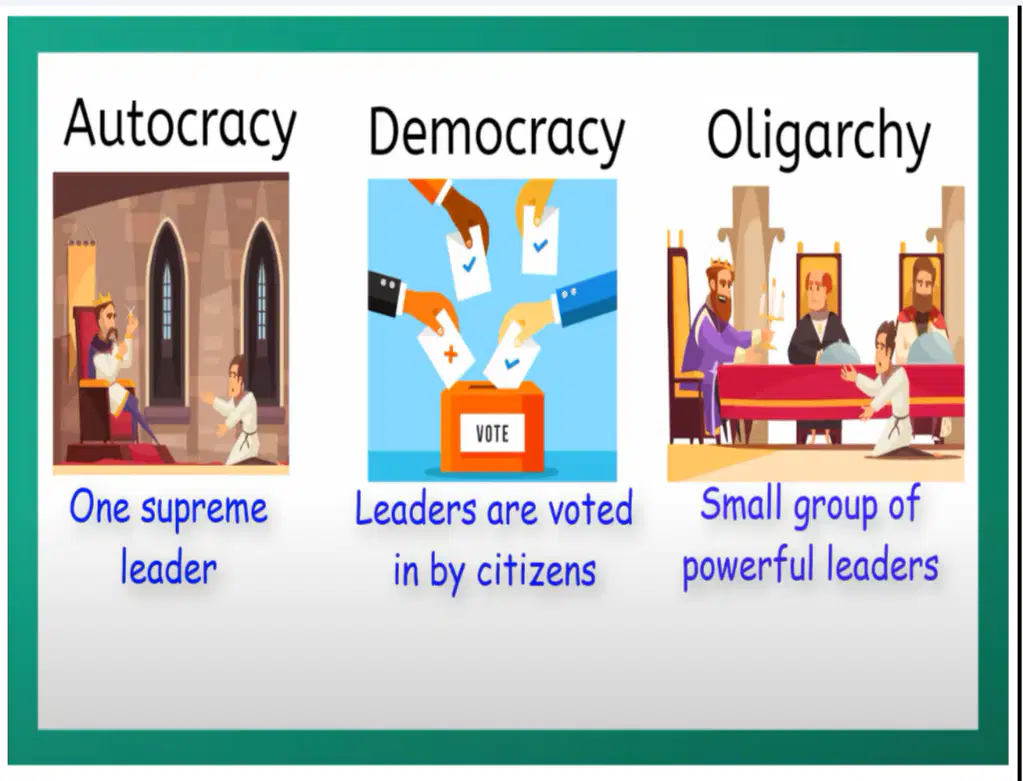
At the end of World War II, the Allied armies of France, Great Britain, and the United States freed all the nations in Western Europe that had been conquered by Germany. The Allies also helped Western European countries form stable, democratic governments and gave them money to rebuild. Then, Allied troops returned to their own countries. What type of governments did the Allies help Western European nations create?
Dictatorial governments
Communist governments
Stable, democratic governments
Monarchical governments
At the end of World War II, the Allied armies of France, Great Britain, and the United States freed all the nations in Western Europe that had been conquered by Germany. The Allies also helped Western European countries form stable, democratic governments and gave them money to rebuild. Then, Allied troops returned to their own countries. What did the Allied troops do after helping Western Europe rebuild?
They stayed to govern the countries
They joined the Soviet army
They returned to their own countries
They occupied Germany permanently

At the end of World War II, the Allied armies of France, Great Britain, and the United States freed all the nations in Western Europe that had been conquered by Germany. The Allies also helped Western European countries form stable, democratic governments and gave them money to rebuild. Then, Allied troops returned to their own countries. The story was different in Eastern Europe. After the war, the Soviet Union continued to occupy countries like Poland, Romania, Hungary, and the eastern half of Germany. The Soviet Union helped establish Communist governments like its own in many Eastern European nations. Which part of Europe had a different story after World War II?
Western Europe
Northern Europe
Eastern Europe
Southern Europe
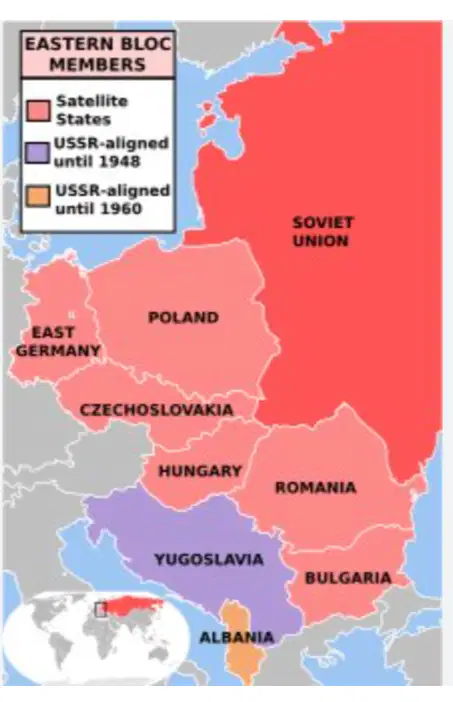
At the end of World War II, the Allied armies of France, Great Britain, and the United States freed all the nations in Western Europe that had been conquered by Germany. The Allies also helped Western European countries form stable, democratic governments and gave them money to rebuild. Then, Allied troops returned to their own countries. The story was different in Eastern Europe. After the war, the Soviet Union continued to occupy countries like Poland, Romania, Hungary, and the eastern half of Germany. The Soviet Union helped establish Communist governments like its own in many Eastern European nations. Which part of Europe had a different story after World War II?
Western Europe
Northern Europe
Eastern Europe
Southern Europe
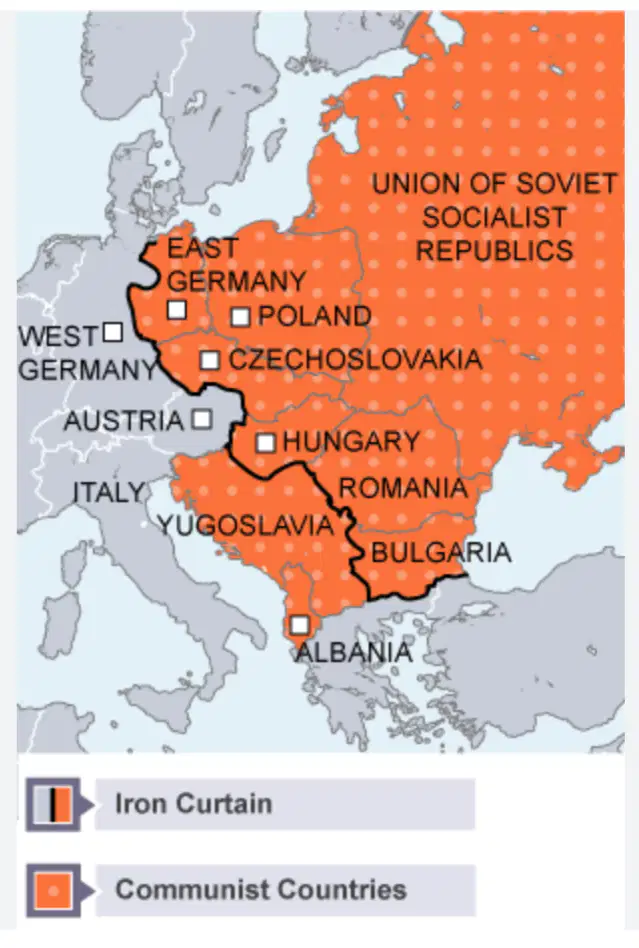
At the end of World War II, the Allied armies of France, Great Britain, and the United States freed all the nations in Western Europe that had been conquered by Germany. The Allies also helped Western European countries form stable, democratic governments and gave them money to rebuild. Then, Allied troops returned to their own countries. The story was different in Eastern Europe. After the war, the Soviet Union continued to occupy countries like Poland, Romania, Hungary, and the eastern half of Germany. The Soviet Union helped establish Communist governments like its own in many Eastern European nations. Which part of Europe had a different story after World War II?
Western Europe
Northern Europe
Eastern Europe
Southern Europe

At the end of World War II, the Allied armies of France, Great Britain, and the United States freed all the nations in Western Europe that had been conquered by Germany. The Allies also helped Western European countries form stable, democratic governments and gave them money to rebuild. Then, Allied troops returned to their own countries. The story was different in Eastern Europe. After the war, the Soviet Union continued to occupy countries like Poland, Romania, Hungary, and the eastern half of Germany. The Soviet Union helped establish Communist governments like its own in many Eastern European nations. Which part of Europe had a different story after World War II?
Western Europe
Northern Europe
Southern Europe
Eastern Europe

At the end of World War II, the Allied armies of France, Great Britain, and the United States freed all the nations in Western Europe that had been conquered by Germany. The Allies also helped Western European countries form stable, democratic governments and gave them money to rebuild. Then, Allied troops returned to their own countries. The story was different in Eastern Europe. After the war, the Soviet Union continued to occupy countries like Poland, Romania, Hungary, and the eastern half of Germany. The Soviet Union helped establish Communist governments like its own in many Eastern European nations. Which part of Europe had a different story after World War II?
Eastern Europe
Northern Europe
Southern Europe
Western Europe
At the end of World War II, the Allied armies of France, Great Britain, and the United States freed all the nations in Western Europe that had been conquered by Germany. The Allies also helped Western European countries form stable, democratic governments and gave them money to rebuild. Then, Allied troops returned to their own countries. The story was different in Eastern Europe. After the war, the Soviet Union continued to occupy countries like Poland, Romania, Hungary, and the eastern half of Germany. The Soviet Union helped establish Communist governments like its own in many Eastern European nations. Who is the man sewing in this image?
The man sewing was leader of the Soviet Union; his name was Joseph Stalin.
The man sewing was leader of the Soviet Union; his name was Franklin Roosevelt.
The man sewing was leader of the Soviet Union; his name was Winston Churchill.
The man sewing was leader of the Soviet Union; his name was Mao Zedong.

At the end of World War II, the Allied armies of France, Great Britain, and the United States freed all the nations in Western Europe that had been conquered by Germany. The Allies also helped Western European countries form stable, democratic governments and gave them money to rebuild. Then, Allied troops returned to their own countries. The story was different in Eastern Europe. After the war, the Soviet Union continued to occupy countries like Poland, Romania, Hungary, and the eastern half of Germany. The Soviet Union helped establish Communist governments like its own in many Eastern European nations. Which part of Europe had a different story after World War II?
Eastern Europe
Northern Europe
Southern Europe
Western Europe

Communism is based on the ideas of the German philosopher Karl Marx. Marx published his beliefs in the Communist Manifesto in 1848. He said that capitalism and free markets divided people into classes (rich, middle, and poor). Marx believed that the poor would one day rise up, overthrow their wealthy rulers, and create a new society without economic classes. In this “classless society,” people would work together and share everything as a community. After the Russian Revolution of 1917, Russia became a communist country. Russia was named the Soviet Union. Who was the German philosopher whose ideas became the basis for communism?
Friedrich Nietzsche
Karl Marx
Vladimir Lenin
Joseph Stalin
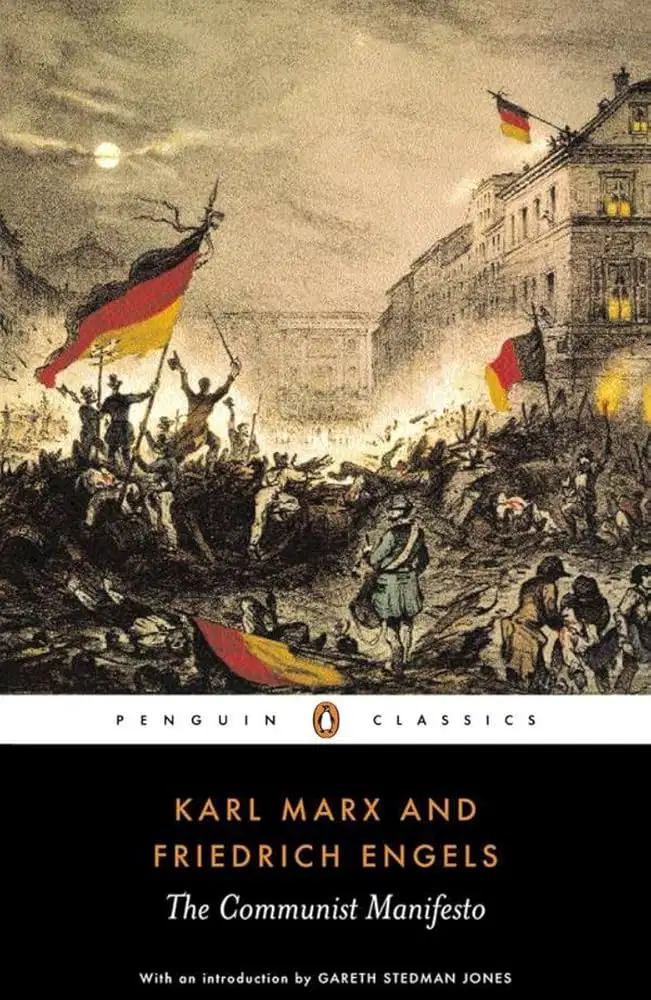
Communism is based on the ideas of the German philosophers Karl Marx and Friedrich Engels. Marx and Engels published his beliefs in the Communist Manifesto in 1848. they said that capitalism and free markets divided people into classes (rich, middle, and poor). Marx believed that the poor would one day rise up, overthrow their wealthy rulers, and create a new society without economic classes. In this “classless society,” people would work together and share everything as a community. After the Russian Revolution of 1917, Russia became a communist country. Russia was named the Soviet Union. What is the name of the book in which Karl Marx published his beliefs about communism?
The Wealth of Nations
Mein Kampf
The Communist Manifesto
Das Kapital
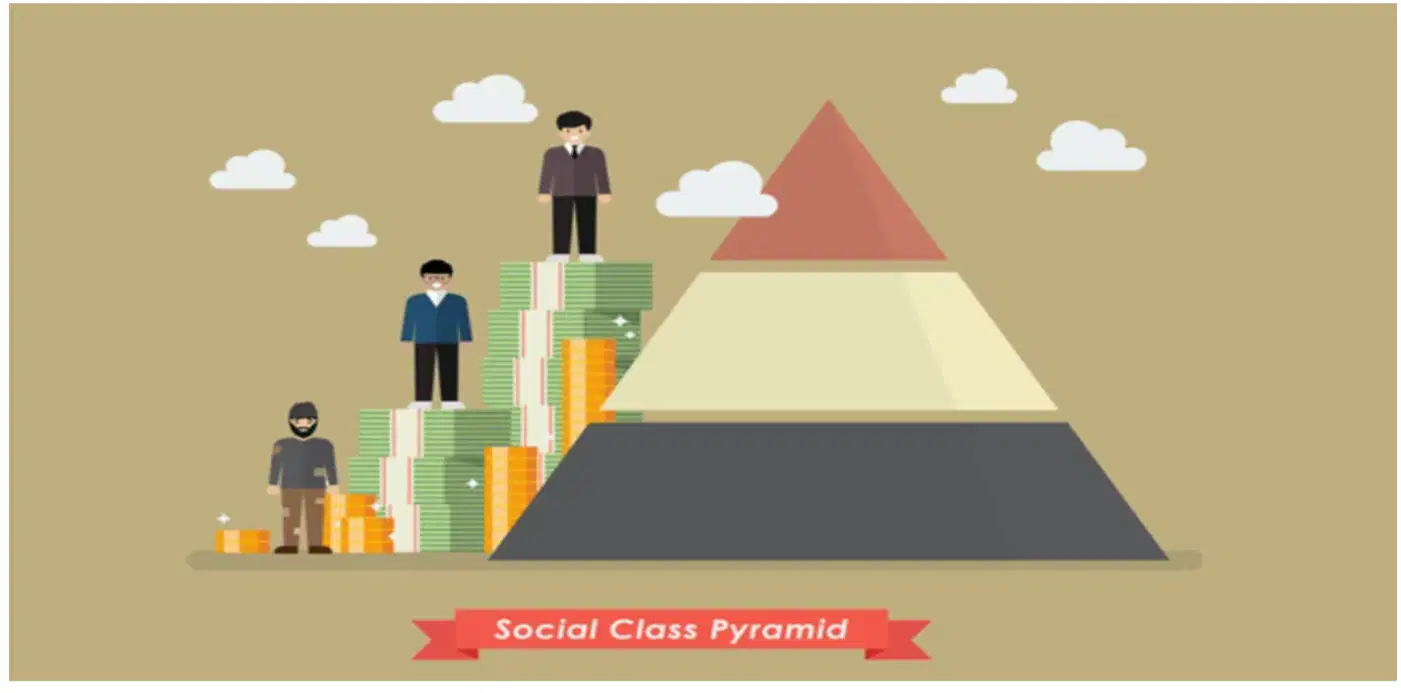
Communism is based on the ideas of the German philosophers Karl Marx and Friedrich Engels. Marx and Engels published his beliefs in the Communist Manifesto in 1848. they said that capitalism and free markets divided people into classes (rich, middle, and poor). Marx believed that the poor would one day rise up, overthrow their wealthy rulers, and create a new society without economic classes. In this “classless society,” people would work together and share everything as a community. According to Karl Marx, what system divided people into classes?
Socialism
Democracy
Capitalism and free markets
Feudalism
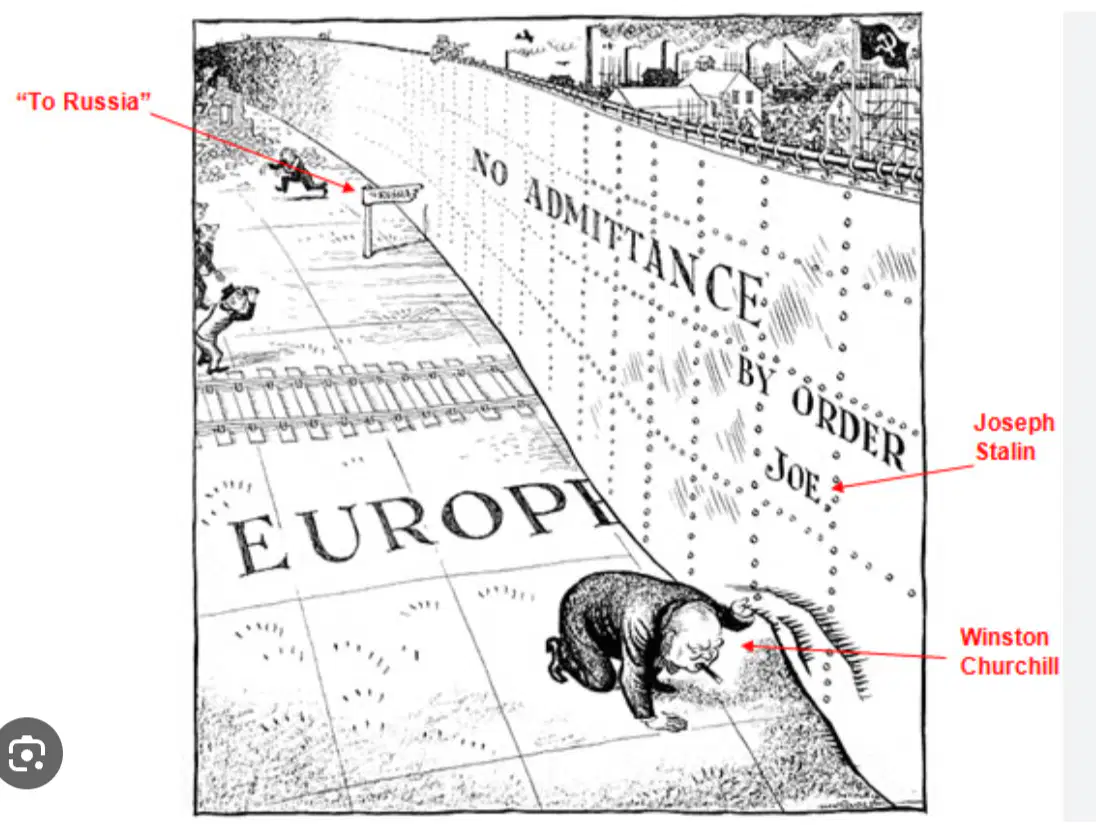
One effect of World War 2 was the dominance of communism in Eastern Europe. In a 1946 speech, British Prime Minister Winston Churchill warned that an “Iron Curtain” had fallen across the continent of Europe. He meant that a dividing line now existed between the communist countries in Eastern Europe and the capitalist democracies in Western Europe. Who gave the speech warning about an “Iron Curtain” in 1946?
Franklin D. Roosevelt
Joseph Stalin
Winston Churchill
Harry S. Truman
One effect of World War 2 was the dominance of communism in Eastern Europe. In a 1946 speech, British Prime Minister Winston Churchill warned that an “Iron Curtain” had fallen across the continent of Europe. He meant that a dividing line now existed between the communist countries in Eastern Europe and the capitalist democracies in Western Europe. Admittance is the process or fact of entering or being allowed to enter a place or institution. Who order for people who were not capitalist to be denied entrance to the Soviet Union and its allies? Hint: look at the image.
Franklin D. Roosevelt
Joseph Stalin
Winston Churchill
Harry S. Truman
One effect of World War 2 was the dominance of communism in Eastern Europe. In a 1946 speech, British Prime Minister Winston Churchill warned that an “Iron Curtain” had fallen across the continent of Europe. He meant that a dividing line now existed between the communist countries in Eastern Europe and the capitalist democracies in Western Europe. Admittance is the process or fact of entering or being allowed to enter a place or institution. Who order for people What countries is behind the iron curtain? Hint: look at the image.
Franklin D. Roosevelt
Joseph Stalin
Winston Churchill
Harry S. Truman

One effect of World War 2 was the occupation of Germany by France, the United Kingdom, the United States and the Soviet Union. After World War II, the four Allied Powers occupied Germany, but the democratic Allied Powers (the United States, France, and Great Britain) did not want the Soviet Union spreading Communism any farther into Western Europe. Over time, Germany split into two zones—West Germany (Allied Zone) and East Germany (Soviet Zone). The Allies set up a democratic government in West Germany, and the Soviets set up a Communist government in East Germany. What happened to Germany after World War II?
It became a single Communist nation.
It was occupied by four Allied Powers.
It joined the Soviet Union.
It remained independent and neutral.
One effect of World War 2 was the occupation of Germany by France, the United Kingdom, the United States and the Soviet Union. After World War II, the four Allied Powers occupied Germany, but the democratic Allied Powers (the United States, France, and Great Britain) did not want the Soviet Union spreading Communism any farther into Western Europe. Over time, Germany split into two zones—West Germany (Allied Zone) and East Germany (Soviet Zone). The Allies set up a democratic government in West Germany, and the Soviets set up a Communist government in East Germany. Which countries made up the democratic Allied Powers that occupied Germany?
Soviet Union, France, and Great Britain
France, Italy, and Japan
United States, Soviet Union, and Italy
United States, France, and Great Britain

The Holocaust was the systematic, state-sponsored persecution and murder of six million European Jews by the Nazi German regime and its allies and collaborators. The Holocaust was an evolving process that took place throughout Europe between 1933 and 1945. Antisemitism was at the foundation of the Holocaust. Antisemitism, the hatred of or prejudice against Jews, was a basic tenet of Nazi ideology. This prejudice was also widespread throughout Europe. Nazi Germany’s persecution of Jews evolved and became increasingly more radical between 1933 and 1945. This radicalization culminated in the mass murder of six million Jews. During World War II, Nazi Germany and its allies and collaborators killed nearly two out of every three European Jews using deadly living conditions, brutal mistreatment, mass shootings and gassings, and specially designed killing centers. What was the Holocaust?
The Holocaust was the systematic, state-sponsored persecution and murder of six million European Jews by the Nazi German regime and its allies and collaborators.
The Holocaust was not the systematic, state-sponsored persecution and murder of six million European Jews by the Nazi German regime and its allies and collaborators.
The Holocaust was a theme park in Antarctica.
The Holocaust was sometimes the systematic, state-sponsored persecution and murder of six million European Jews by the Nazi German regime and its allies and collaborators.

The Holocaust was the systematic, state-sponsored persecution and murder of six million European Jews by the Nazi German regime and its allies and collaborators. The Holocaust was an evolving process that took place throughout Europe between 1933 and 1945. Antisemitism was at the foundation of the Holocaust. Antisemitism, the hatred of or prejudice against Jews, was a basic tenet of Nazi ideology. This prejudice was also widespread throughout Europe. Nazi Germany’s persecution of Jews evolved and became increasingly more radical between 1933 and 1945. This radicalization culminated in the mass murder of six million Jews. During World War II, Nazi Germany and its allies and collaborators killed nearly two out of every three European Jews using deadly living conditions, brutal mistreatment, mass shootings and gassings, and specially designed killing centers. What was the Holocaust?
The Holocaust was sometimes the systematic, state-sponsored persecution and murder of six million European Jews by the Nazi German regime and its allies and collaborators.
The Holocaust was not the systematic, state-sponsored persecution and murder of six million European Jews by the Nazi German regime and its allies and collaborators.
The Holocaust was a theme park in Antarctica.
The Holocaust was the systematic, state-sponsored persecution and murder of six million European Jews by the Nazi German regime and its allies and collaborators.
The Holocaust was the systematic, state-sponsored persecution and murder of six million European Jews by the Nazi German regime and its allies and collaborators. The Holocaust was an evolving process that took place throughout Europe between 1933 and 1945. Antisemitism was at the foundation of the Holocaust. Antisemitism, the hatred of or prejudice against Jews, was a basic tenet of Nazi ideology. This prejudice was also widespread throughout Europe. Nazi Germany’s persecution of Jews evolved and became increasingly more radical between 1933 and 1945. This radicalization culminated in the mass murder of six million Jews. During World War II, Nazi Germany and its allies and collaborators killed nearly two out of every three European Jews using deadly living conditions, brutal mistreatment, mass shootings and gassings, and specially designed killing centers. What belief formed the foundation of the Holocaust?
Nationalism
Communism
Antisemitism
Fascism

The Holocaust was the systematic, state-sponsored persecution and murder of six million European Jews by the Nazi German regime and its allies and collaborators. The Holocaust was an evolving process that took place throughout Europe between 1933 and 1945. Antisemitism was at the foundation of the Holocaust. Antisemitism, the hatred of or prejudice against Jews, was a basic tenet of Nazi ideology. This prejudice was also widespread throughout Europe. Nazi Germany’s persecution of Jews evolved and became increasingly more radical between 1933 and 1945. This radicalization culminated in the mass murder of six million Jews. During World War II, Nazi Germany and its allies and collaborators killed nearly two out of every three European Jews using deadly living conditions, brutal mistreatment, mass shootings and gassings, and specially designed killing centers. How did Nazi Germany and its allies kill Jews during the Holocaust?
Through deadly living conditions, mistreatment, shootings, gassings, and killing centers
Through exile and imprisonment
Through assimilation policies
Through forced emigration and deportation
The Holocaust was the systematic, state-sponsored persecution and murder of six million European Jews by the Nazi German regime and its allies and collaborators. The Holocaust was an evolving process that took place throughout Europe between 1933 and 1945. Antisemitism was at the foundation of the Holocaust. Antisemitism, the hatred of or prejudice against Jews, was a basic tenet of Nazi ideology. This prejudice was also widespread throughout Europe. Nazi Germany’s persecution of Jews evolved and became increasingly more radical between 1933 and 1945. This radicalization culminated in the mass murder of six million Jews. During World War II, Nazi Germany and its allies and collaborators killed nearly two out of every three European Jews using deadly living conditions, brutal mistreatment, mass shootings and gassings, and specially designed killing centers. Approximately how many European Jews were murdered during the Holocaust?
One million
Three million
Six million
Ten million
Jewish children in Nazi Germany were forced to wear the Star of David. A Nazi decree mandated that all Jews in the Greater German Reich over the age of six wear a yellow Star of David on their outer clothing at all times when in public. Official order: On September 1, 1941, an order was issued that all Jews six years of age and older were forbidden to be seen in public without a Jewish star. The star had the word "Jude" (German for "Jew") inscribed inside it and had to be prominently displayed on the left side of their chest. Stigmatization and control: This policy served to publicly identify, humiliate, and isolate Jewish people from the rest of the population, making them easy targets for further persecution. For children, this meant being marked as an outcast in public and being separated from their non-Jewish peers. What symbol were Jewish children in Nazi Germany forced to wear?
A red triangle
A white armband
A yellow Star of David
A blue circle
Jewish children in Nazi Germany were forced to wear the Star of David. A Nazi decree mandated that all Jews in the Greater German Reich over the age of six wear a yellow Star of David on their outer clothing at all times when in public. Official order: On September 1, 1941, an order was issued that all Jews six years of age and older were forbidden to be seen in public without a Jewish star. The star had the word "Jude" (German for "Jew") inscribed inside it and had to be prominently displayed on the left side of their chest. Stigmatization and control: This policy served to publicly identify, humiliate, and isolate Jewish people from the rest of the population, making them easy targets for further persecution. For children, this meant being marked as an outcast in public and being separated from their non-Jewish peers. According to the Nazi decree, who was required to wear the Star of David?
Only adults over the age of eighteen
All Jews over the age of six
Only Jewish men
Only people living in concentration camps
Jewish children in Nazi Germany were forced to wear the Star of David. A Nazi decree mandated that all Jews in the Greater German Reich over the age of six wear a yellow Star of David on their outer clothing at all times when in public. Official order: On September 1, 1941, an order was issued that all Jews six years of age and older were forbidden to be seen in public without a Jewish star. The star had the word "Jude" (German for "Jew") inscribed inside it and had to be prominently displayed on the left side of their chest. Stigmatization and control: This policy served to publicly identify, humiliate, and isolate Jewish people from the rest of the population, making them easy targets for further persecution. For children, this meant being marked as an outcast in public and being separated from their non-Jewish peers. When was the official order issued that required Jews to wear the Star of David?
September 1, 1939
September 1, 1941
November 9, 1938
June 6, 1942
After World War II, the four Allied Powers occupied Germany, but the democratic Allied Powers (the United States, France, and Great Britain) did not want the Soviet Union spreading Communism any farther into Western Europe. Over time, Germany split into two zones—West Germany (Allied Zone) and East Germany (Soviet Zone). The Allies set up a democratic government in West Germany, and the Soviets set up a Communist government in East Germany. Germany’s capital, Berlin, was another point of conflict. Berlin was surrounded by territory controlled by the Soviet Union. However, the Allied nations held on to half of the city. Just like the rest of Germany, Berlin was divided into separate zones—East and West. West Germany was capitalist and East Germany was communist. What economic and political system was West Germany?
West Germany was capitalist.
West Germany was communist.
West Germany was anti-democratic.
West Germany was an oligarchy.
After World War II, the four Allied Powers occupied Germany, but the democratic Allied Powers (the United States, France, and Great Britain) did not want the Soviet Union spreading Communism any farther into Western Europe. Over time, Germany split into two zones—West Germany (Allied Zone) and East Germany (Soviet Zone). The Allies set up a democratic government in West Germany, and the Soviets set up a Communist government in East Germany. Germany’s capital, Berlin, was another point of conflict. Berlin was surrounded by territory controlled by the Soviet Union. However, the Allied nations held on to half of the city. Just like the rest of Germany, Berlin was divided into separate zones—East and West. West Germany was capitalist and East Germany was communist. What economic and political system was East Germany?
West Germany was capitalist.
East Germany was communist.
West Germany was anti-democratic.
West Germany was an oligarchy.
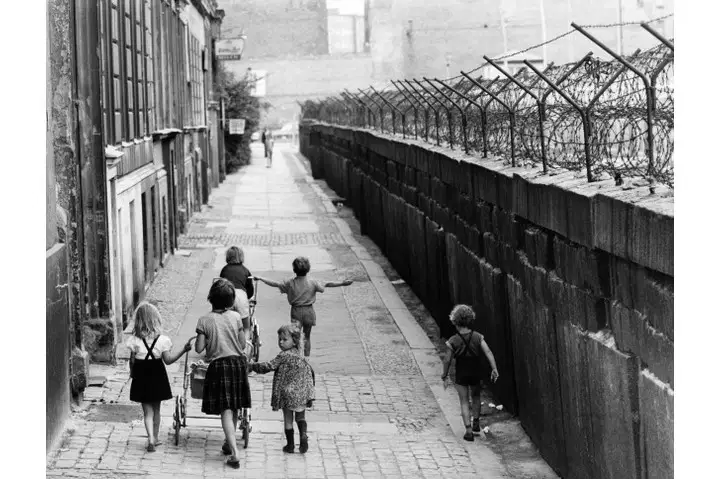
Many East Germans moved to West Germany to find better living conditions. One route of escape was through West Berlin. To stop the outflow of people, Soviet-controlled East Germany built the Berlin Wall. It was first constructed in the dark, early morning hours of August 13, 1961. The people of Berlin awoke to find a barbed-wire fence (later made of concrete) separating the city. Families and friends were separated. East German guards patrolled the wall. Germans caught trying to cross into West Germany were captured or shot. Why did many East Germans move to West Germany?
To join the Soviet Union
To find better living conditions
To escape from war
To work on the Berlin Wall
Many East Germans moved to West Germany to find better living conditions. One route of escape was through West Berlin. To stop the outflow of people, Soviet-controlled East Germany built the Berlin Wall. It was first constructed in the dark, early morning hours of August 13, 1961. The people of Berlin awoke to find a barbed-wire fence (later made of concrete) separating the city. Families and friends were separated. East German guards patrolled the wall. Germans caught trying to cross into West Germany were captured or shot. Why did East Germany build the Berlin Wall?
To protect against invasion from the West
To stop people from moving to West Germany
To divide East and West Europe equally
To celebrate German unity
Many East Germans moved to West Germany to find better living conditions. One route of escape was through West Berlin. To stop the outflow of people, Soviet-controlled East Germany built the Berlin Wall. It was first constructed in the dark, early morning hours of August 13, 1961. The people of Berlin awoke to find a barbed-wire fence (later made of concrete) separating the city. Families and friends were separated. East German guards patrolled the wall. Germans caught trying to cross into West Germany were captured or shot. When was the Berlin Wall first constructed?
1939
1949
1961
1971
Many East Germans moved to West Germany to find better living conditions. One route of escape was through West Berlin. To stop the outflow of people, Soviet-controlled East Germany built the Berlin Wall. It was first constructed in the dark, early morning hours of August 13, 1961. The people of Berlin awoke to find a barbed-wire fence (later made of concrete) separating the city. Families and friends were separated. East German guards patrolled the wall. Germans caught trying to cross into West Germany were captured or shot. What happened to people who tried to cross the Berlin Wall into West Germany?
They were allowed to pass freely
They were sent to West Berlin safely
They were rewarded for bravery
They were captured or shot
After World War II, the United States of America (U.S.A.) and the Soviet Union (U.S.S.R.) emerged as the world’s two “superpowers.” Both countries had the military and political strength to influence other nations around the world. There was a great deal of distrust between the United States and the Soviet Union. The two nations had very different ideas about government and economics. Disagreements between the two countries grew into a long period of tension and rivalry known as the Cold War. The Cold War was an indirect conflict that began after WWII and lasted until 1991. Both countries worried the other would become more powerful and spread its government and economic system to other countries. This period is called a “cold” war because there was no actual fighting between the United States and the Soviet Union, but the relationship between these countries remained tense and conflictual. Which two countries became the world’s superpowers after World War II?
Germany and Japan
France and Great Britain
The United States and the Soviet Union
China and India
After World War II, the United States of America (U.S.A.) and the Soviet Union (U.S.S.R.) emerged as the world’s two “superpowers.” Both countries had the military and political strength to influence other nations around the world. There was a great deal of distrust between the United States and the Soviet Union. The two nations had very different ideas about government and economics. Disagreements between the two countries grew into a long period of tension and rivalry known as the Cold War. The Cold War was an indirect conflict that began after WWII and lasted until 1991. Both countries worried the other would become more powerful and spread its government and economic system to other countries. This period is called a “cold” war because there was no actual fighting between the United States and the Soviet Union, but the relationship between these countries remained tense and conflictual. What was the main cause of distrust between the U.S.A. and the U.S.S.R.?
Border disputes
Different ideas about government and economics
Disagreements over World War I
Competition in sports
After World War II, the United States of America (U.S.A.) and the Soviet Union (U.S.S.R.) emerged as the world’s two “superpowers.” Both countries had the military and political strength to influence other nations around the world. There was a great deal of distrust between the United States and the Soviet Union. The two nations had very different ideas about government and economics. Disagreements between the two countries grew into a long period of tension and rivalry known as the Cold War. The Cold War was an indirect conflict that began after WWII and lasted until 1991. Both countries worried the other would become more powerful and spread its government and economic system to other countries. This period is called a “cold” war because there was no actual fighting between the United States and the Soviet Union, but the relationship between these countries remained tense and conflictual. What was the long period of tension between the U.S.A. and the U.S.S.R. called?
The Great Depression
The Cold War
The Space Race
The Nuclear Age
After World War II, the United States of America (U.S.A.) and the Soviet Union (U.S.S.R.) emerged as the world’s two “superpowers.” Both countries had the military and political strength to influence other nations around the world. There was a great deal of distrust between the United States and the Soviet Union. The two nations had very different ideas about government and economics. Disagreements between the two countries grew into a long period of tension and rivalry known as the Cold War. The Cold War was an indirect conflict that began after WWII and lasted until 1991. Both countries worried the other would become more powerful and spread its government and economic system to other countries. This period is called a “cold” war because there was no actual fighting between the United States and the Soviet Union, but the relationship between these countries remained tense and conflictual. When did the Cold War begin and end?
1939–1945
1945–1961
1961–1989
1945-1991
During the Cold War, the United States and the Soviet Union competed with each other for power, natural resources and political influence. The United States challenged the Soviet spread of Communism and supported countries that wanted to form democratic governments. Inevitably, the U.S. and U.S.S.R. faced off in several major foreign conflicts. In addition, both countries built stockpiles of weapons, including nuclear bombs, in case the Cold War ever turned “hot.” This build-up of weapons was called the “arms race.” The U.S. and U.S.S.R. also competed to have the most advanced science and technology. To prove their superiority, both countries pledged to be the first nation to put a man in space and to land on the moon. This competition was called the “space race.” What were the United States and the Soviet Union competing for during the Cold War?
Natural resources
Power, natural resources and political influence
Control of the oceans
Sports championships
During the Cold War, the United States and the Soviet Union competed with each other for power, natural resources and political influence. The United States challenged the Soviet spread of Communism and supported countries that wanted to form democratic governments. Inevitably, the U.S. and U.S.S.R. faced off in several major foreign conflicts. In addition, both countries built stockpiles of weapons, including nuclear bombs, in case the Cold War ever turned “hot.” This build-up of weapons was called the “arms race.” The U.S. and U.S.S.R. also competed to have the most advanced science and technology. To prove their superiority, both countries pledged to be the first nation to put a man in space and to land on the moon. This competition was called the “space race.” What did the United States try to stop the Soviet Union from spreading?
Democracy
Capitalism
Communism
Religion
The weapons buildup, space race, and defense of Communist countries cost the Soviet Union a lot of money. Its command economy eventually faltered because there was little growth and a shortage of goods. Frequently, government planning left Communist countries with barely enough food and goods to meet their citizens’ needs. Protests broke out across Soviet-controlled nations as their citizens demanded freedom from Communist rule. Protests were strongest in East Germany where families and friends suffered separation for more than 30 years. Citizens in East Germany had suffered under Communist rule. The citizens of West Germany lived under constant threat of attack. The Berlin Wall was a powerful symbol of this forced separation. In 1989, massive protests in East Berlin forced East Germany’s Communist government to give up its power. Overjoyed, East Germans climbed atop the Berlin Wall and began to tear it apart. Germany was reunited, and a new government was elected in 1990. After German reunification, other countries began to break away from the Soviet Union. Between 1989 and 1991, the Soviet Union collapsed and split into 15 independent republics. The Cold War was over. What was one major reason the Soviet Union’s command economy began to fail?
The Soviet Union had too many natural resources.
The command economy caused shortages and little growth.
Citizens stopped working for the government.
Western countries refused to trade with the Soviet Union.
The weapons buildup, space race, and defense of Communist countries cost the Soviet Union a lot of money. Its command economy eventually faltered because there was little growth and a shortage of goods. Frequently, government planning left Communist countries with barely enough food and goods to meet their citizens’ needs. Protests broke out across Soviet-controlled nations as their citizens demanded freedom from Communist rule. Protests were strongest in East Germany where families and friends suffered separation for more than 30 years. Citizens in East Germany had suffered under Communist rule. The citizens of West Germany lived under constant threat of attack. The Berlin Wall was a powerful symbol of this forced separation. In 1989, massive protests in East Berlin forced East Germany’s Communist government to give up its power. Overjoyed, East Germans climbed atop the Berlin Wall and began to tear it apart. Germany was reunited, and a new government was elected in 1990. After German reunification, other countries began to break away from the Soviet Union. Between 1989 and 1991, the Soviet Union collapsed and split into 15 independent republics. The Cold War was over. Why did protests break out in Soviet-controlled nations?
People wanted to support Communist leaders.
Western nations organized the protests.
The government encouraged public demonstrations.
Citizens demanded freedom from Communist rule.
The weapons buildup, space race, and defense of Communist countries cost the Soviet Union a lot of money. Its command economy eventually faltered because there was little growth and a shortage of goods. Frequently, government planning left Communist countries with barely enough food and goods to meet their citizens’ needs. Protests broke out across Soviet-controlled nations as their citizens demanded freedom from Communist rule. Protests were strongest in East Germany where families and friends suffered separation for more than 30 years. Citizens in East Germany had suffered under Communist rule. The citizens of West Germany lived under constant threat of attack. The Berlin Wall was a powerful symbol of this forced separation. In 1989, massive protests in East Berlin forced East Germany’s Communist government to give up its power. Overjoyed, East Germans climbed atop the Berlin Wall and began to tear it apart. Germany was reunited, and a new government was elected in 1990. After German reunification, other countries began to break away from the Soviet Union. Between 1989 and 1991, the Soviet Union collapsed and split into 15 independent republics. The Cold War was over. What did the Berlin Wall symbolize during the Cold War?
Economic cooperation in Europe
Friendship between East and West Germany
Forced separation between Communist and democratic societies
The unity of the Soviet Union
The weapons buildup, space race, and defense of Communist countries cost the Soviet Union a lot of money. Its command economy eventually faltered because there was little growth and a shortage of goods. Frequently, government planning left Communist countries with barely enough food and goods to meet their citizens’ needs. Protests broke out across Soviet-controlled nations as their citizens demanded freedom from Communist rule. Protests were strongest in East Germany where families and friends suffered separation for more than 30 years. Citizens in East Germany had suffered under Communist rule. The citizens of West Germany lived under constant threat of attack. The Berlin Wall was a powerful symbol of this forced separation. In 1989, massive protests in East Berlin forced East Germany’s Communist government to give up its power. Overjoyed, East Germans climbed atop the Berlin Wall and began to tear it apart. Germany was reunited, and a new government was elected in 1990. After German reunification, other countries began to break away from the Soviet Union. Between 1989 and 1991, the Soviet Union collapsed and split into 15 independent republics. The Cold War was over. What event marked the fall of East Germany’s Communist government?
The building of the Berlin Wall
The Soviet Union’s invasion of West Germany
Massive protests in East Berlin in 1989
The election of a new German government in 1990
The weapons buildup, space race, and defense of Communist countries cost the Soviet Union a lot of money. Its command economy eventually faltered because there was little growth and a shortage of goods. Frequently, government planning left Communist countries with barely enough food and goods to meet their citizens’ needs. Protests broke out across Soviet-controlled nations as their citizens demanded freedom from Communist rule. Protests were strongest in East Germany where families and friends suffered separation for more than 30 years. Citizens in East Germany had suffered under Communist rule. The citizens of West Germany lived under constant threat of attack. The Berlin Wall was a powerful symbol of this forced separation. In 1989, massive protests in East Berlin forced East Germany’s Communist government to give up its power. Overjoyed, East Germans climbed atop the Berlin Wall and began to tear it apart. Germany was reunited, and a new government was elected in 1990. After German reunification, other countries began to break away from the Soviet Union. Between 1989 and 1991, the Soviet Union collapsed and split into 15 independent republics. The Cold War was over. What happened after Germany was reunited?
The Soviet Union expanded its control.
The Cold War became more intense.
Other countries began breaking away from the Soviet Union.
East Germany rebuilt the Berlin Wall.
The weapons buildup, space race, and defense of Communist countries cost the Soviet Union a lot of money. Its command economy eventually faltered because there was little growth and a shortage of goods. Frequently, government planning left Communist countries with barely enough food and goods to meet their citizens’ needs. Protests broke out across Soviet-controlled nations as their citizens demanded freedom from Communist rule. Protests were strongest in East Germany where families and friends suffered separation for more than 30 years. Citizens in East Germany had suffered under Communist rule. The citizens of West Germany lived under constant threat of attack. The Berlin Wall was a powerful symbol of this forced separation. In 1989, massive protests in East Berlin forced East Germany’s Communist government to give up its power. Overjoyed, East Germans climbed atop the Berlin Wall and began to tear it apart. Germany was reunited, and a new government was elected in 1990. After German reunification, other countries began to break away from the Soviet Union. Between 1989 and 1991, the Soviet Union collapsed and split into 15 independent republics. The Cold War was over. How did the Soviet Union’s weapons buildup and space race contribute to its eventual collapse?
They increased the Soviet Union’s global power and wealth.
They cost so much money that the economy weakened.
They encouraged other nations to join Communism.
They led to food shortages in Western Europe.
The weapons buildup, space race, and defense of Communist countries cost the Soviet Union a lot of money. Its command economy eventually faltered because there was little growth and a shortage of goods. Frequently, government planning left Communist countries with barely enough food and goods to meet their citizens’ needs. Protests broke out across Soviet-controlled nations as their citizens demanded freedom from Communist rule. Protests were strongest in East Germany where families and friends suffered separation for more than 30 years. Citizens in East Germany had suffered under Communist rule. The citizens of West Germany lived under constant threat of attack. The Berlin Wall was a powerful symbol of this forced separation. In 1989, massive protests in East Berlin forced East Germany’s Communist government to give up its power. Overjoyed, East Germans climbed atop the Berlin Wall and began to tear it apart. Germany was reunited, and a new government was elected in 1990. After German reunification, other countries began to break away from the Soviet Union. Between 1989 and 1991, the Soviet Union collapsed and split into 15 independent republics. The Cold War was over. What connection can be made between the Soviet Union’s failing economy and the protests in Eastern Europe?
Citizens protested because they wanted more government control.
Protests began only after the economy completely recovered.
The economy had no effect on the citizens’ desire for freedom.
The failing economy caused shortages and frustration, leading to protests.
The weapons buildup, space race, and defense of Communist countries cost the Soviet Union a lot of money. Its command economy eventually faltered because there was little growth and a shortage of goods. Frequently, government planning left Communist countries with barely enough food and goods to meet their citizens’ needs. Protests broke out across Soviet-controlled nations as their citizens demanded freedom from Communist rule. Protests were strongest in East Germany where families and friends suffered separation for more than 30 years. Citizens in East Germany had suffered under Communist rule. The citizens of West Germany lived under constant threat of attack. The Berlin Wall was a powerful symbol of this forced separation. In 1989, massive protests in East Berlin forced East Germany’s Communist government to give up its power. Overjoyed, East Germans climbed atop the Berlin Wall and began to tear it apart. Germany was reunited, and a new government was elected in 1990. After German reunification, other countries began to break away from the Soviet Union. Between 1989 and 1991, the Soviet Union collapsed and split into 15 independent republics. The Cold War was over. In what way did the fall of the Berlin Wall represent more than just the reunification of Germany?
It symbolized the expansion of Communist influence.
It showed that the Soviet Union had regained strength.
It represented the decline of Communist control across Europe.
It marked the beginning of another war between East and West Germany.
The weapons buildup, space race, and defense of Communist countries cost the Soviet Union a lot of money. Its command economy eventually faltered because there was little growth and a shortage of goods. Frequently, government planning left Communist countries with barely enough food and goods to meet their citizens’ needs. Protests broke out across Soviet-controlled nations as their citizens demanded freedom from Communist rule. Protests were strongest in East Germany where families and friends suffered separation for more than 30 years. Citizens in East Germany had suffered under Communist rule. The citizens of West Germany lived under constant threat of attack. The Berlin Wall was a powerful symbol of this forced separation. In 1989, massive protests in East Berlin forced East Germany’s Communist government to give up its power. Overjoyed, East Germans climbed atop the Berlin Wall and began to tear it apart. Germany was reunited, and a new government was elected in 1990. After German reunification, other countries began to break away from the Soviet Union. Between 1989 and 1991, the Soviet Union collapsed and split into 15 independent republics. The Cold War was over. Based on the text, why might the citizens of East Germany have felt more desperate for change than those in West Germany?
East Germans suffered under strict Communist rule and isolation.
West Germans lacked access to food and jobs.
East Germans were free to travel and express their opinions.
West Germans were not affected by the Cold War.
The weapons buildup, space race, and defense of Communist countries cost the Soviet Union a lot of money. Its command economy eventually faltered because there was little growth and a shortage of goods. Frequently, government planning left Communist countries with barely enough food and goods to meet their citizens’ needs. Protests broke out across Soviet-controlled nations as their citizens demanded freedom from Communist rule. Protests were strongest in East Germany where families and friends suffered separation for more than 30 years. Citizens in East Germany had suffered under Communist rule. The citizens of West Germany lived under constant threat of attack. The Berlin Wall was a powerful symbol of this forced separation. In 1989, massive protests in East Berlin forced East Germany’s Communist government to give up its power. Overjoyed, East Germans climbed atop the Berlin Wall and began to tear it apart. Germany was reunited, and a new government was elected in 1990. After German reunification, other countries began to break away from the Soviet Union. Between 1989 and 1991, the Soviet Union collapsed and split into 15 independent republics. The Cold War was over. What broader historical impact did the collapse of the Soviet Union have between 1989 and 1991?
It ended the Cold War and created new independent nations.
It united Europe under one Communist government.
It caused Germany to divide again.
It increased Soviet influence in Asia.
The weapons buildup, space race, and defense of Communist countries cost the Soviet Union a lot of money. Its command economy eventually faltered because there was little growth and a shortage of goods. Frequently, government planning left Communist countries with barely enough food and goods to meet their citizens’ needs. Protests broke out across Soviet-controlled nations as their citizens demanded freedom from Communist rule. Protests were strongest in East Germany where families and friends suffered separation for more than 30 years. Citizens in East Germany had suffered under Communist rule. The citizens of West Germany lived under constant threat of attack. The Berlin Wall was a powerful symbol of this forced separation. In 1989, massive protests in East Berlin forced East Germany’s Communist government to give up its power. Overjoyed, East Germans climbed atop the Berlin Wall and began to tear it apart. Germany was reunited, and a new government was elected in 1990. After German reunification, other countries began to break away from the Soviet Union. Between 1989 and 1991, the Soviet Union collapsed and split into 15 independent republics. The Cold War was over. How did the Soviet Union’s military spending and space race weakened its economy?
The high costs of weapons, space exploration, and supporting Communist countries drained money from the economy, leading to shortages and little growth.
It united Europe under one Communist government.
It caused Germany to divide again.
It increased Soviet influence in Asia.
A new Soviet leader named Mikhail Gorbachev came to power in 1985. He saw trade with western Europe and the United States as a way to help modernize the Soviet Union and improve its economy. To ease international tensions between the U.S. and the Soviets, Gorbachev decreased military spending. Perestroika and glasnost were two interconnected policies implemented by Soviet leader Mikhail Gorbachev in the late 1980s. Intended to reform and revitalize the Soviet system, they instead accelerated its collapse by exposing deep-seated problems and unleashing popular dissent. Perestroika included a push for greater democratization, such as multi-candidate elections for the Congress of People's Deputies in 1989. This created a new platform for political debate and criticism. Glasnost significantly relaxed censorship, allowing for more freedom of expression in the media and public spaces. Unfortunately, the economies under the Soviet Union did not improve and protests among the people grew louder. In 1989, Gorbachev said that the Soviets would no longer help its member governments put down domestic protests. Countries like Poland and Czechoslovakia began to break away from Soviet rule. As the Soviet Union slowly crumbled, many countries under Soviet Union control declared independence. In 1991, the Soviet Union came to an end and officially split into 15 republics. The Cold War was over! How did Gorbachev’s policies of perestroika and glasnost contribute to the collapse of the Soviet Union?
They made the Soviet economy stronger and more unified.
They revealed deep problems and encouraged public criticism of the government.
They increased military control over the people.
They improved trade but limited free speech.
A new Soviet leader named Mikhail Gorbachev came to power in 1985. He saw trade with western Europe and the United States as a way to help modernize the Soviet Union and improve its economy. To ease international tensions between the U.S. and the Soviets, Gorbachev decreased military spending. Perestroika and glasnost were two interconnected policies implemented by Soviet leader Mikhail Gorbachev in the late 1980s. Intended to reform and revitalize the Soviet system, they instead accelerated its collapse by exposing deep-seated problems and unleashing popular dissent. Perestroika included a push for greater democratization, such as multi-candidate elections for the Congress of People's Deputies in 1989. This created a new platform for political debate and criticism. Glasnost significantly relaxed censorship, allowing for more freedom of expression in the media and public spaces. Unfortunately, the economies under the Soviet Union did not improve and protests among the people grew louder. In 1989, Gorbachev said that the Soviets would no longer help its member governments put down domestic protests. Countries like Poland and Czechoslovakia began to break away from Soviet rule. As the Soviet Union slowly crumbled, many countries under Soviet Union control declared independence. In 1991, the Soviet Union came to an end and officially split into 15 republics. The Cold War was over! Why did Gorbachev reduce military spending after coming to power?
To prepare for war with the United States
To punish the Soviet military leaders
To focus on modernizing the economy and easing tensions with the West
To gain control over Eastern Europe
A new Soviet leader named Mikhail Gorbachev came to power in 1985. He saw trade with western Europe and the United States as a way to help modernize the Soviet Union and improve its economy. To ease international tensions between the U.S. and the Soviets, Gorbachev decreased military spending. Perestroika and glasnost were two interconnected policies implemented by Soviet leader Mikhail Gorbachev in the late 1980s. Intended to reform and revitalize the Soviet system, they instead accelerated its collapse by exposing deep-seated problems and unleashing popular dissent. Perestroika included a push for greater democratization, such as multi-candidate elections for the Congress of People's Deputies in 1989. This created a new platform for political debate and criticism. Glasnost significantly relaxed censorship, allowing for more freedom of expression in the media and public spaces. Unfortunately, the economies under the Soviet Union did not improve and protests among the people grew louder. In 1989, Gorbachev said that the Soviets would no longer help its member governments put down domestic protests. Countries like Poland and Czechoslovakia began to break away from Soviet rule. As the Soviet Union slowly crumbled, many countries under Soviet Union control declared independence. In 1991, the Soviet Union came to an end and officially split into 15 republics. The Cold War was over! What connection can be made between glasnost and the rise of protests in Soviet countries?
A. Glasnost limited communication, making protests smaller.
Glasnost banned political discussions in the media.
Glasnost encouraged more government censorship.
Glasnost increased freedom of speech, which allowed people to express their dissatisfaction.
A new Soviet leader named Mikhail Gorbachev came to power in 1985. He saw trade with western Europe and the United States as a way to help modernize the Soviet Union and improve its economy. To ease international tensions between the U.S. and the Soviets, Gorbachev decreased military spending. Perestroika and glasnost were two interconnected policies implemented by Soviet leader Mikhail Gorbachev in the late 1980s. Intended to reform and revitalize the Soviet system, they instead accelerated its collapse by exposing deep-seated problems and unleashing popular dissent. Perestroika included a push for greater democratization, such as multi-candidate elections for the Congress of People's Deputies in 1989. This created a new platform for political debate and criticism. Glasnost significantly relaxed censorship, allowing for more freedom of expression in the media and public spaces. Unfortunately, the economies under the Soviet Union did not improve and protests among the people grew louder. In 1989, Gorbachev said that the Soviets would no longer help its member governments put down domestic protests. Countries like Poland and Czechoslovakia began to break away from Soviet rule. As the Soviet Union slowly crumbled, many countries under Soviet Union control declared independence. In 1991, the Soviet Union came to an end and officially split into 15 republics. The Cold War was over! What was one unintended consequence of Gorbachev’s reforms?
The Soviet Union became the world’s leading economy.
The Cold War intensified between the U.S. and Soviet Union.
Many Soviet-controlled countries began demanding independence.
Communist rule grew stronger across Eastern Europe.
A new Soviet leader named Mikhail Gorbachev came to power in 1985. He saw trade with western Europe and the United States as a way to help modernize the Soviet Union and improve its economy. To ease international tensions between the U.S. and the Soviets, Gorbachev decreased military spending. Perestroika and glasnost were two interconnected policies implemented by Soviet leader Mikhail Gorbachev in the late 1980s. Intended to reform and revitalize the Soviet system, they instead accelerated its collapse by exposing deep-seated problems and unleashing popular dissent. Perestroika included a push for greater democratization, such as multi-candidate elections for the Congress of People's Deputies in 1989. This created a new platform for political debate and criticism. Glasnost significantly relaxed censorship, allowing for more freedom of expression in the media and public spaces. Unfortunately, the economies under the Soviet Union did not improve and protests among the people grew louder. In 1989, Gorbachev said that the Soviets would no longer help its member governments put down domestic protests. Countries like Poland and Czechoslovakia began to break away from Soviet rule. As the Soviet Union slowly crumbled, many countries under Soviet Union control declared independence. In 1991, the Soviet Union came to an end and officially split into 15 republics. The Cold War was over! Based on the text, how did Gorbachev’s decision not to use Soviet force in 1989 affect Eastern Europe?
It allowed countries like Poland and Czechoslovakia to break away from Soviet control.
It caused the Soviet military to overthrow Gorbachev.
It stopped all protests across Europe.
It led to increased Soviet control over its allies.

