
 Worksheets
4C SCIENCE REVISION
Total questions: 88
Worksheet time: 53mins
What is a food chain?
The flow of energy from one thing to another
The way animals eat each other
The way the sun makes everything
How the plants grow


*Remember Humans are on the top of all food chains because we do not get hunted.
What do plants need to make their own food?
Sun, Water, and Animals
Sun, Coke, and Soil
Sun, Water, and Soil
Nothing at all
An example of prey:
lion
mouse
shark

What is a decomposer?


Food webs show you everything an animal eats. Food chains show you one thing.

Which organ controls our senses?
heart
brain
lungs
stomach
In which organ do you find gastric juices?
heart
lungs
stomach
liver
Which organ helps break down food?
heart
stomach
lungs
brain
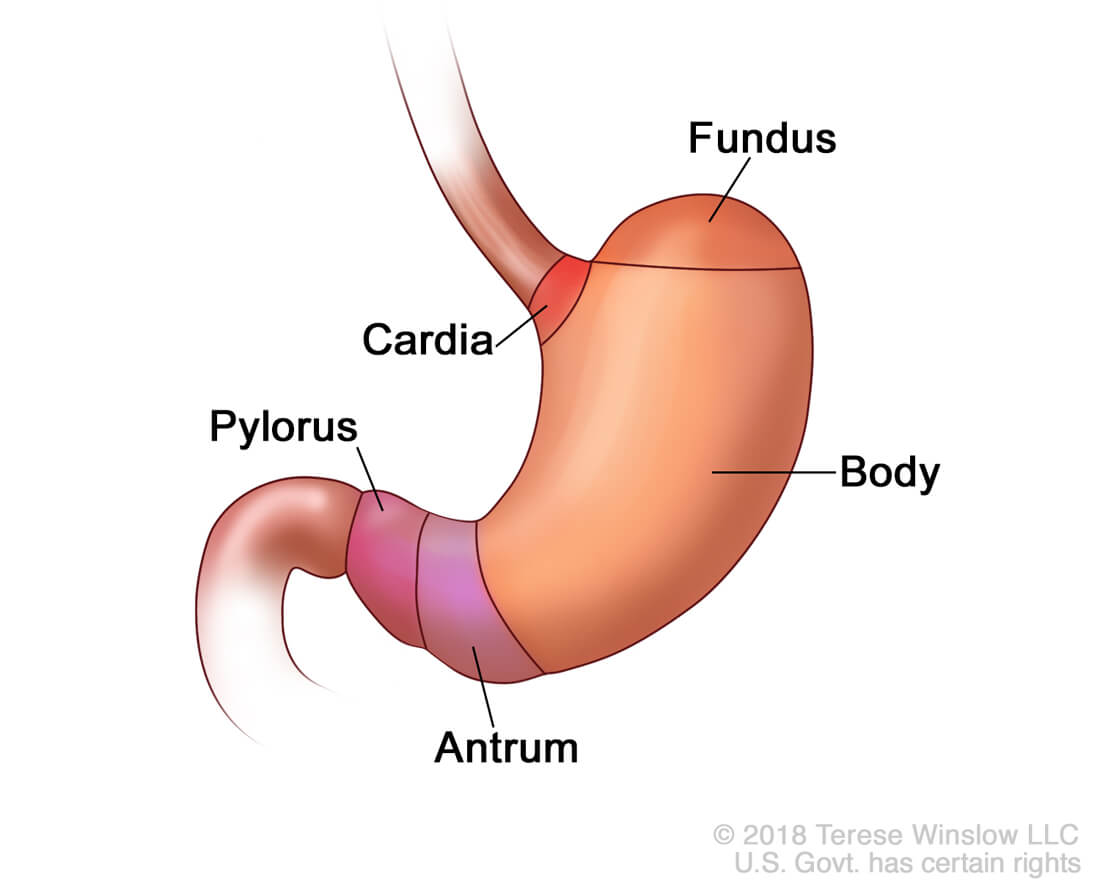
What organ is this?
heart
stomach
lungs
brain
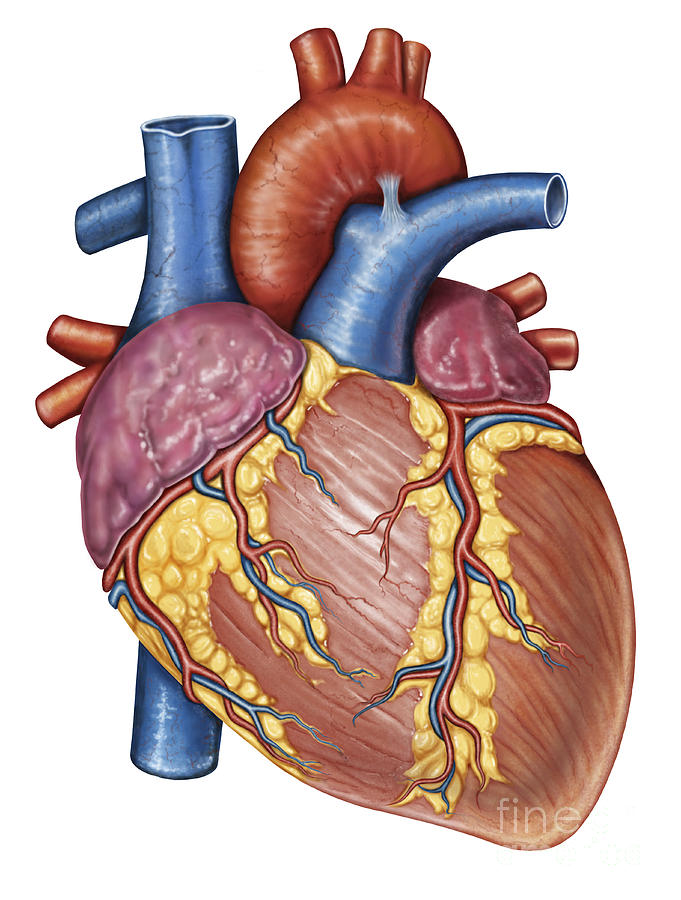
What organ is this?
heart
stomach
liver
lungs
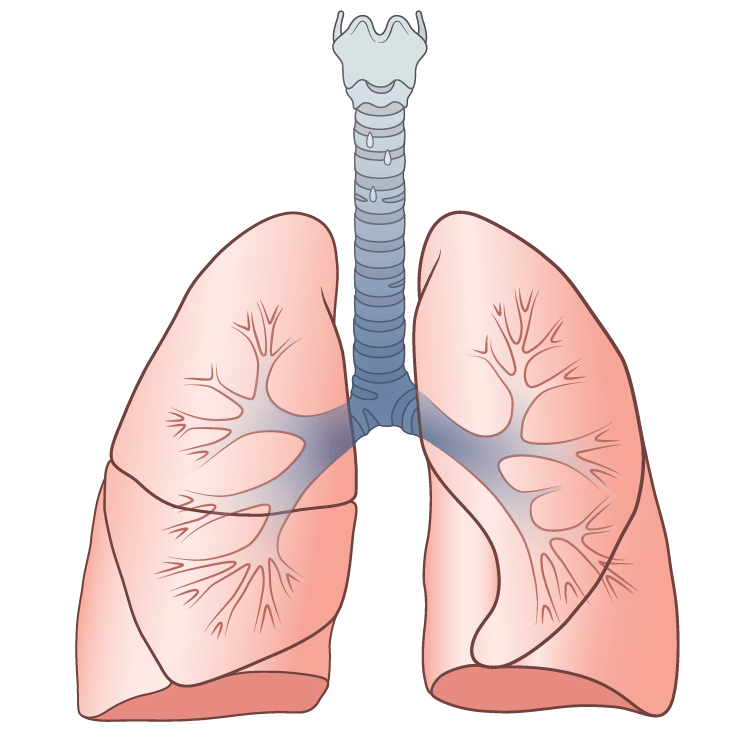
What organ is this?
heart
lungs
liver
stomach
Which organ is linked to the windpipe?
heart
lungs
stomach
brain
Which is the largest solid organ in your body?
stomach
heart
liver
brain
What does the liver do?
it makes bile and helps us breath
it stores energy, makes bile and cleans your blood
it breaks down your food and cleans your blood
none of these answers are correct
Which organs stores information?
heart
brain
stomach
liver

What organ can your see?
Brain
Heart
Lungs
Muscles

what is this organ?
Bones
Muscles
Lungs
Brain

What is this organ?
Toe
Eye
Hair
Brain

What is the name of this organ?
Bladder
Kidney
Stomach
Pancreas
What organs help us to breathe?
Lungs
Stomach
Heart
Brain

What organ is this?
Skeleton
Brain
Muscles
Bones

what organs are they?
Bones
Skeletons
Muscles
Lungs
You brain only send messages to your body
True
False

What organ helps you move, think and feel
Lungs
Heart
Stomach
Brain

Your five senses send information to your brain. But your brain doesn't send messages to the other parts of your body
True
False

Babies can run but can't crawl
True
False

What organ helps you cut food into smal pieces.
Bones
Stomach
Brain
Muscles

Why can't babies eat all types of food?
They don't have teeth
Milk makes them sick
The liquids in their stomachs aren't ready
They can't change food into energy

What organ pumps blood to all parts of your body?
Heart
Brain
Lungs
Muscles

Do you need oxygen for living?
Yes, I do.
No, I don’t

What organs help you take oxygen from the air?
Lungs
Brain
Stomach
Heart

What carries the oxygen from your lungs to all parts of your body?
Bladder
Blood
Brain
Lungs
Match the food groups or nutrients to what they provide the body.
carbohydrates (grains)
Long lasting energy
fruits
Has a sugar that gives body short bursts of energy
vegetables
Helps the digestive system run smoothly (helps you use the bathroom)
protein
helps to build and repair tissues or muscles
dairy
strengthens bones
Which of the following foods are good sources of the nutrient carbohydrates (grains)?
Bread
Vitamin A
Protein
Rice
Pasta
Which of the following foods are in the protein group?
Bread and Cereal
Beans and Chicken
Peanut butter and beef
Milk, yogurt, and cheese
Fish
Vitamin A is important for good eyesight, helps your body fight infection, and keeps your skin and hair healthy.
Which of the following foods have the most vitamin A?
A. meats
B. breads
C. deep yellow or orange fruits and vegetables
D. candy
What is one important thing protein does for the body?
A. helps make bones strong
B. keeps us from getting cold
C. helps build muscles
The food groups from which you should choose the most daily servings (a)
**hint: look at your MyPlate graphic organizer
Which of the following are benefits of food labels?
It tells you what therapeutic diets the food supports.
It serves as a tool for making food choices.
It shows the percent daily value of nutrients per serving.
It tells you the total number of calories.

If you ate all of the eggs in the container how many calories would you consume?
50 calories
10 X 50 = 500
12 X 50 = 600
3.5 X 12 = 42

How many trans fats are in this food?
2g
13g
120g
0g

What is the serving size of the baked potato?
half the potato
one potato
3 potatoes
2 potatoes

What is the Vitamin C in the baked potato?
100%
45%
0%
8%

How much sodium is in French fries?
57g
5g
0mg
290mg
Apparatus used for heating small quantity of chemicals
Beaker
Flask
Test tube
Gas jar

Name this apparatus
Spirit lamp
Burner
Bunsen burner
Automatic flame

Mention the use of this apparatus
For keeping the test tube
For supporting the apparatus during heating
For drying other apparatus
Used as a shelf

Name this apparatus
Beaker
Measuring cylinder
Gas jar
Test tube
Mortar and pestle is used for ________
Mixing chemicals
Grinding and crushing solid substances
Both
The following are some safety rules in a laboratory. Which one is not correct?
Do not eat or drink in the laboratory
Do not report any injury, however small, to the teacher
Do not taste chemicals in the laboratory
Do not run in the laboratory
Which of the following is the correct laboratory rule?
Eating in the laboratory while doing practical during lunch time
Running in the laboratory when he is in a hurry
Poking the electrical power points with sharp objects
Using the apparatus in the laboratory only when told to do the science teacher
Used to hold crucibles
crucible holder
test tube holder
crucible tong
pipettes
Tong is made up of
metal
non metal
both


Which of these pieces of equipment is beaker?


What is a material? Choose several answers!
man-made
natural
it is something
it is handsome
What are the forms of states of matter? Choose several answers!
liquid
gas
hand
solid
space

What is solid? Choose several answers!
in the air
Keeps shape
flowing in the river
not a liquid
can't be poured
Sugar and Salt, what are they? They are ...
liquid
gas
solid
If you want to change the solid shape, what should you do?
staring at the solid shape
Giving big force to it
Singing a lullaby
What are solid characteristics? Choose several answers!
Visible
Has its wonderful colour
Has its definite volume and shape
Always big
Cannot be compressed

What is liquid?
cannot be pressed easily
cannot be poured
changes its shape
flying in the sky
What is the meaning of viscosity?
has different adhesiveness
it is liquid
can be runnier
cannot be burn
What is gas? Choose several answers!
change its shape
fill the space
Odourless
invisible
What are the characteristics of gas? Choose several answers!
Can be compressed
Have its shape and volume
Doesn't have its shape and volume
visible
Frozen is
liquid to solid
gas to liquid
solid to liquid
liquid to gas
How about melting? It is...
gas to solid
solid to liquid
liquid to gas
liquid to solid
What is irreversible?
cannot change to the same state
can back to the same state
The process from liquid to gas is called...
condensation
melting
evaporation
freezing
Condensation is a process from
liquid to gas
solid to liquid
liquid to solid
gas to liquid
The process from solid to gas is called...
evaporating
condensation
sublimation
melting
Complete this sentence!
Water is going to freeze at the temperature of .... and evaporate in ..........
0 C - 10 C
10 C - 100 C
0 C - 50 C
0 C - 100 C

