
 Worksheets
Natural Selection Unit Test Study Guide
Total questions: 50
Worksheet time: 25mins
The distribution of traits in a population can change over many generations.
True
False
A trait that helps an organism survive.
adaptive trait
non-adaptive trait
distribution
variation
Having lots of fur in a cold environment would be an example of
non-adaptive trait
distribution
variation
adaptive trait
Traits that make it less likely that an organism will survive.
adaptive trait
non-adaptive trait
disbribution
generation
Can an organism with a non-adaptive trait change to an adaptive trait in the middle of their lifetime?
No
Yes
The number of individuals with each trait in a population can change over time.
True
False
The traits that exist in a population determines which traits can become more common over many generations
True
False
The traits that exist in a population determines which traits can become more common over many generations
True
False
Over many generations, individuals with non-adaptive traits become more common in a population, while individuals with adaptive traits become less common.
True
False
A population can be described by the traits present and by the number of individuals who have each trait.
True
False
When organisms in a population have different traits
distribution
traits
variation
distribution
How many individuals in a generation that have each trait refers to
variation
distribution
histogram
traits
A group of the same species that live in the same area refers to
population
generation
offspring
environment
An adaptive trait depends on the (fill in the blank)
environment
species
natural selection
predation
What does a histogram show?
Adaptive and non-adaptive traits
The distribution of traits within a population
The variation of features for a species
The variation of adaptive traits within a population

What information can you gain from this histogram?
The population has high distribution
The population has low variation
The population has high variation
The population has no variation

What can you tell about this population of Thornpalms from the histogram?
High water storage is an adaptive trait
It has a non-adaptive trait
It has medium to high variation
It has low variation

What can you tell about this population of newts from the histogram
Most of the newts have high poison levels
Most of the newts have medium poison levels
Low poison level is the adaptive trait
You cannot tell anything about the poison levels

How would you describe a horse population composed of horses of different colors?
All of the horses have the same traits because they are in the same population
The population of horses has different traits for color. Some horses are brown. Some are gray, some are black, and some are white
None of the horses in the population have similar traits because they are all individuals.
These horses must not be in a population because they have different traits.
Why do populations change over time?
different traits are passed on depending on which traits are favored by the environment
they mutate
they lose abilities that are no longer useful
How do genes determine an individual’s traits?
Genes directly cause traits
Genes are random and don’t lead to traits
Genes give organisms the ability to change their traits.
Genes are instructions for making protein molecules and protein molecules determine traits.
Where do the genes that determine an individual's traits come from?
An individual can be born with any genes, since genes are random.
Individuals grow genes specific to their environment.
Parents pass their genes down to their offspring
Parents choose which genes their offspring have when each individual is born
The poison of the newt was a(n) __________________________ against the snakes in the environment.
generation
distribution
non-adaptive trait
adaptive trait
Which is NOT an example of mutations allowing the population to survive the environmental change?
a mutation for fur to protect against a change in the temperature
a mutation in poison to protect against an increase of snakes in the environment
an organism continuing to express the same genes regardless of changes in the environment
Which is an example of a non-adaptive trait of the newt population?
eye color of the newt
color of the newt's body for camouflage
poison of the newt to protect against predatory snakes
tough skin of the newt to protect against rocks
Traits introduced by mutation will always become more common in a population
True
False
A new trait will only become more common in a population if it is _______________________________
harmful to predators
adaptive
recessive
dominant

Which location has guppies with medium spot size as the adaptive trait?
Population in Brazil
Population in Venezuela
Which population has both adaptive and non-adaptive traits?


What changed in the environment to cause evolution?
The water temperature increased.
The water temperature decreased.
The water temperature did not change.

Which prediction supports the following statement? Red is the adaptive trait to survive predators.


Which location had short giraffes as the
non-adaptive trait?
Population in Niger
Population in Somalia
Which population evolved to survive a cold water environment?


What change in the environment caused the evolution?
The amount of large riverbed rocks increased.
The amount of small riverbed rocks increased.
The amount of riverbed rocks did not change.

Which prediction demonstrates white fur as the adaptive trait?


How did the cactuses evolve from 1970 to 2015?
Medium spine size became an adaptive trait.
Medium spine size became a non-adaptive trait.
Small and large spine sizes became adaptive traits.
Which population has evolved to run away from predators faster?


What change in the environment caused the evolution?
The tree bark became gray.
The tree bark became black.
The tree bark became black and gray.
The tree bark became white.

True or false? Thick beaks are the non-adaptive trait in the population.
True
False

Which statement is correct about the evolution of guppies?
Small spot size was the adaptive trait 40 years ago.
Medium spot size was the non-adaptive trait last year.
Guppies evolved from large to medium spot size over time.
Guppies evolved from medium to large spot size over time.
Populations 1, 2, and 3 have evolved over time from brown to white fur. Which population shows variation of traits?


What is the change in distribution of traits from the population at time 1 to the population at time 2?
Thin blubber increased.
Thick blubber decreased.
The distribution did not change.
Thin blubber decreased and thick blubber increased.

Why did the population evolve from medium to thick?
Medium is the adaptive trait.
Thick is the non-adaptive trait.
The environment became more cold.
The environment became more hot.

What happens to giraffes over generations when they are moved from the wild and placed in the nature preserve?
Giraffe height becomes shorter.
Giraffe height becomes taller.
Giraffe height does not change.
Giraffe height becomes medium.

What happened to beak length over generations from 1960 to 2010?
The distribution of short beaks increased.
The distribution of long beaks increased.
The distribution of medium beaks increased.
The distribution of medium beaks decreased.
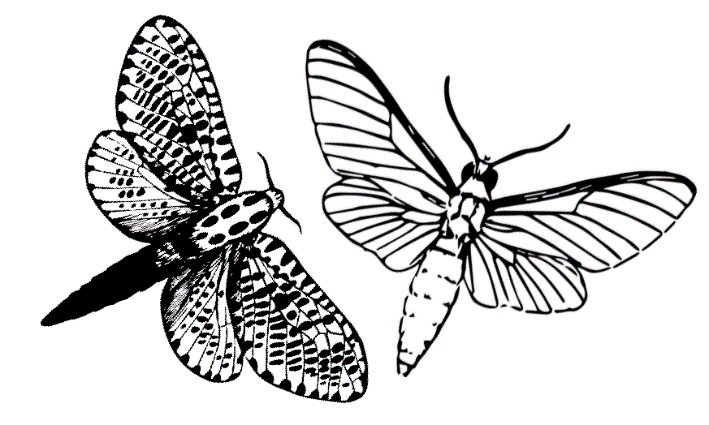
According to natural selection, light colored tree trunks would favor
light colored moths
dark colored moths
red colored moths
red and light colored moths
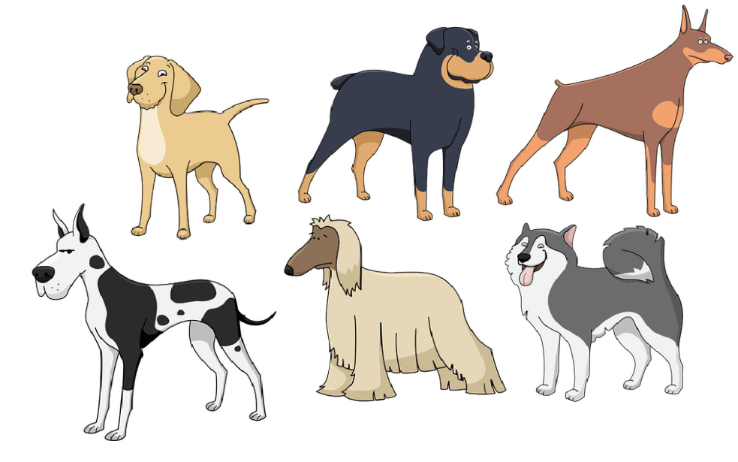
Genetic diversity in a species makes long term survival of some members
impossible
improvable
more likely
less likely
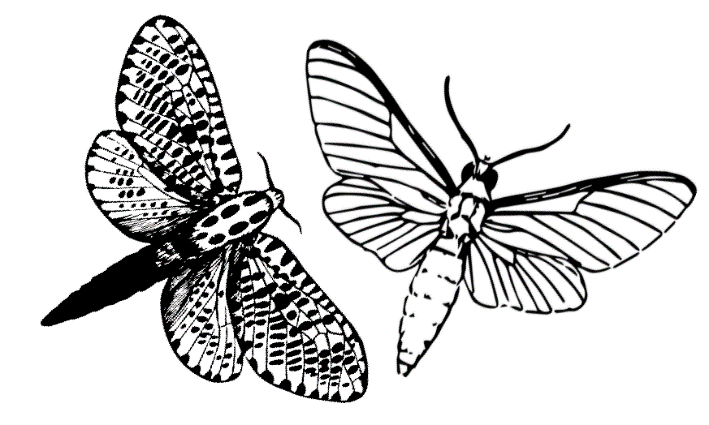
A physical trait favored by an environmental change can be called an
adaptation
extinction
possibility
mutation

