
 Worksheets
Water Contamination + Solubility
Total questions: 68
Worksheet time: 51mins
Define the term insoluble (a)
What is a solvent?
A liquid that will dissolve a solid solute
Another word for solution
A thing that make drinks change color
Usually the solid about to be dissolved
Which is an example of a solute? (a)
Define the term soluble
can dissolve in water
cannot dissolve in water
partially dissolves in water
If I dissolve salt in water, what is the solute?
water
none of the above
salty water
salt
If I dissolve sugar in water, what is the solute?
water
sugar
hydrogen
carbon
The substance being dissolved in a solution is the...
solution
solvent
solute
mixture
Is salt soluble or insoluble? (P.S...try this at home!)
soluble
insoluble
Is oil soluble or insoluble? (P.S...try this at home!)
soluble
insoluble
Is sugar soluble or insoluble?
soluble
insoluble
Label the solute and the solvent. Then, write a description about how agitation is effecting the rate of dissolution.

Circle the container with the most kinetic energy. Then, write a description about the effect of increasing kinetic energy on the rate of dissolution.


How many grams are soluble in 100 g of water at 100 ºC?
300 grams
250 grams
100 grams
50 grams

When something dissolves in water it disappears and is no longer there.
True
False

gravel
soluble
insoluble

soluble
insoluble

soluble
insoluble

What is the solvent example in this picture?
Sugar
Water
Solution
You can tell a chemical is an ionic compound because it contains a (a) bonded with a non-metal
Water molecules are attracted to one another through hydrogen bonding because they are highly (a)
H2O is a ________ molecule.
polar
nonpolar
ionic
metallic
Oxygen attracts most of the _____ towards its end and away from the hydrogen.
n0
p+
e−
The oxygen end acts _____, while the hydrogen end acts ______.
positive, positive
negative, negative
positive, negative
negative, positive
What is a universal solvent?
temperature
heat
water
acids
Octane (C8H18- nonpolar hydrocarbon) and water
Soluble (miscible)
Insoluble (immiscible)
Partially soluble
Sodium chloride (NaCl - ionic) in water (H2O)
Soluble (miscible)
Insoluble (immiscible)
Partially soluble
Sodium chloride (NaCl - ionic) in hexane (C6H14 - nonpolar hydrocarbon)
Soluble (miscible)
Insoluble (immiscible)
Partially soluble
Toluene (C6H5CH3 - polar) in chloroform (CHCl3 - polar)
Soluble (miscible)
Insoluble (immiscible)
Partially soluble
What kind of solute will dissolve in a polar solution? (Select all that apply)
polar covalent solvent
nonpolar covalent solvent
ionic solvent
metallic solvent
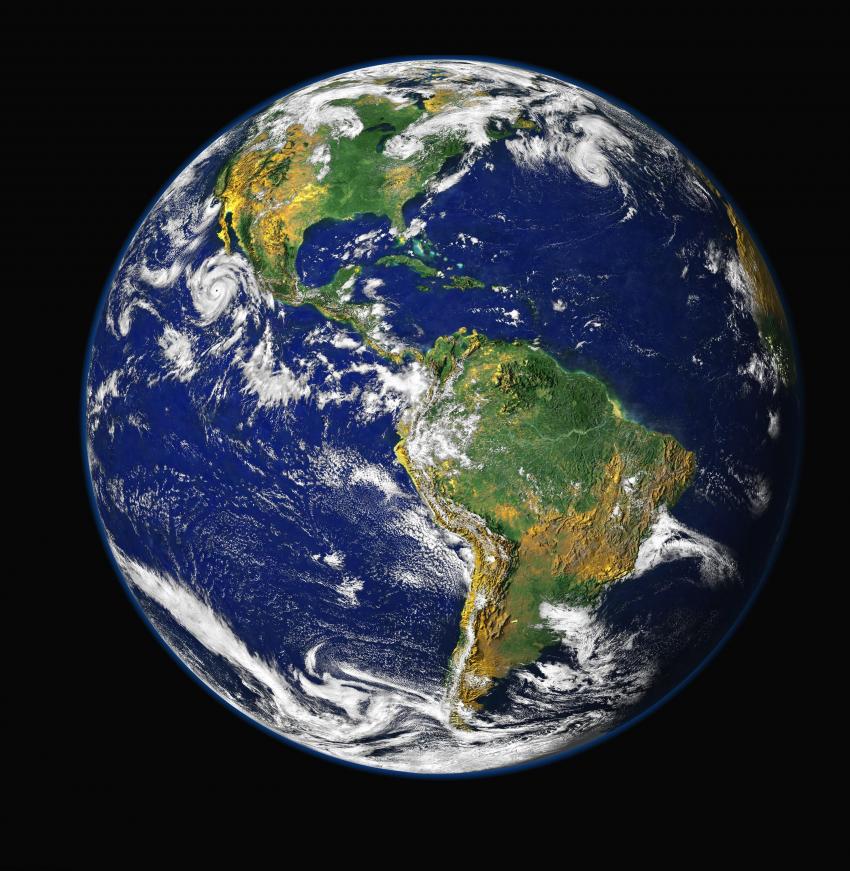
Due to its polarity, water doesn't mix with (a) substances like (b) .


_________ bonds form through the electrical force between two oppositely charged ions, like salt, or sodium chloride (NaCl).
Hydrogen
Covalent
Ionic
Polar Covalent

What is a molecule with an unequal distribution of charge resulting in a positive pole and a negative pole?
polar molecule
nonpolar molecule
ionic compound
nonionic compound

What is a molecule that share electrons equally and so does not have oppositely charged poles?
polar molecule
nonpolar molecule
ionic compound
nonionic compound

In a solution, polar solvents dissolve polar and ionic solute while nonpolar solvents dissolve nonpolar solutes is more commonly known as?
solution
"like dissolves like"
solute
solvent
Contamination means
to mix something
to make unfit or impure for a particular use
to add salt
to drink a liquid


Snow and hail are examples of (a)
occurs when the sun heats water up and it becomes vapor in the air.
Evaporation
the opposite of evaporation; it occurs when air cools and the vapor collects into liquid form.
Condensation
condensation falling onto land in the form of rain, sleet, hail, snow, and mist. Only 10% of water evaporated falls as precipitation.
Precipitation
the downward movement of water from the land surface into the soil or porous rock. Ground water begins as precipitation. Once water infiltrates the soil it can move vertically and horizontally through the soil.
Infiltration
is the water that exists for long periods below the Earth’s surface.
Groundwater storage
Pollution from cattle in a pasture
Point source
Non-point source
Pollution from a factory
point source
non-point source
Pollution from a dirt road
point source
non-point source
Can be traced back to the point of origin.
Point Source Pollution
Non-point source pollution
Cannot easily be traced to the source of the pollution.
Point Source Pollution
Non-point source pollution

Pollution that comes from a single source
Point
Non-Point

Pollution that comes from MANY different places and is hard to identify its source.
Point
Non-Point

A ship carrying gasoline runs into shore and spills large amount of gasoline.
Point
Non-Point

Disposing of paint and other household hazardous materials down the drain
Point
Non-Point
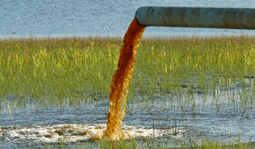
______________________ is water waste/pollution discharge from a single source.
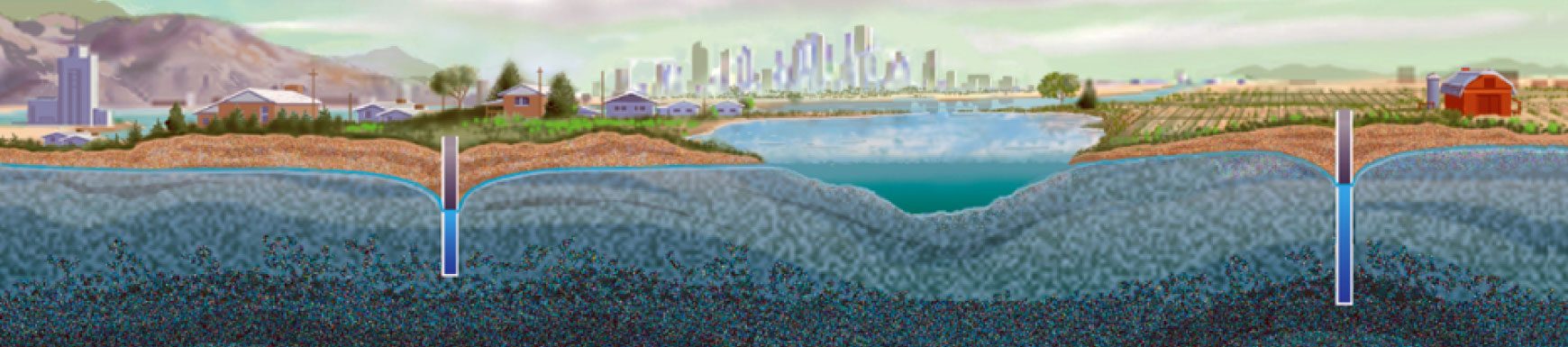
Water is made by 2 (a) atoms and 1 (b) atom bonded covalently together.
When water vaporizes, what bonds are broken?
ionic bonds
hydrogen bonds between water molecules
covalent bonds between atoms within water molecules
nonpolar covalent bonds
Draw a hydrogen bond in the correct placement between the water molecules.

Which equation demonstrates the dissociation of NaCl in water?
NaCl(s) --->Na+(aq) + Cl-(aq)
NaCl(s) ---> Na(s) + Cl-(aq)
NaCl (aq) ---> Na+(aq) + Cl-(aq)
NaCl (s) ---> Na+(s) + Cl-(s)

In a solution, the substance that is dissolved is called the _________________.
colloid
solute
solvent
suspnsion

