wayground logo

Free Printable Worksheets

Font size

S
M
L
XL
Worksheets

Quiz #1 pg 104-150

Total questions: 75

Worksheet time: 40mins
Name
Class
Date
1.
Which biome has deciduous trees (which lose their leaves)?
a)
Temperate Forest
b)
Rainforest
c)
Grasslands
d)
Taiga
2.
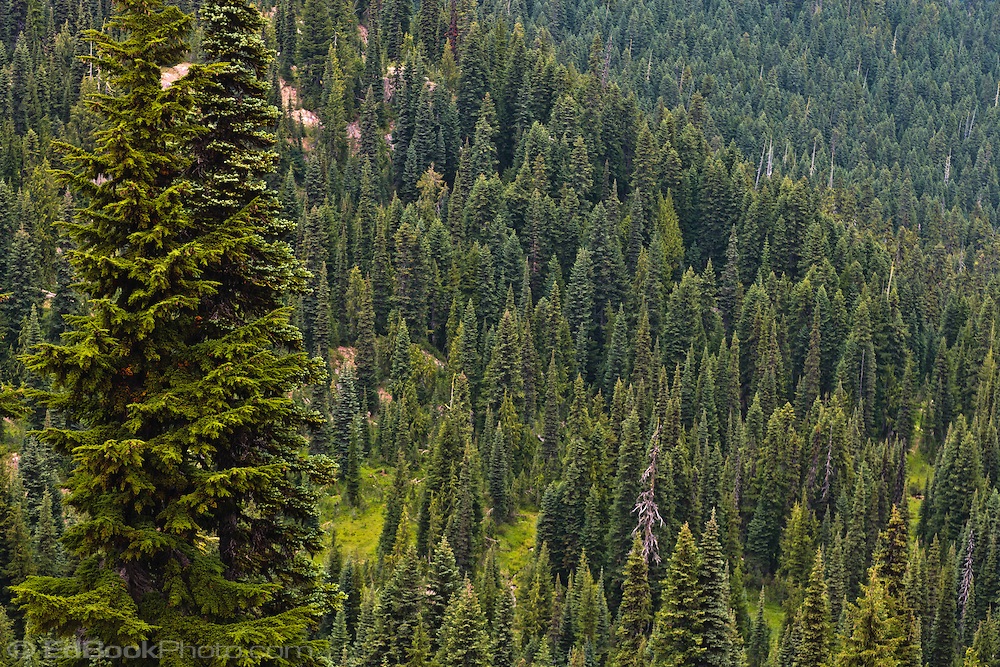
Which biome has coniferous trees (which don't lose their leaves)?
a)
Taiga
b)
Temperate Forest
c)
Tundra
d)
Grasslands
3.
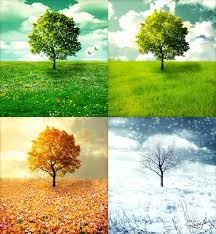
Which biome has 4 seasons?
a)
Taiga
b)
Tundra
c)
Grasslands
d)
Temperate Forest
4.
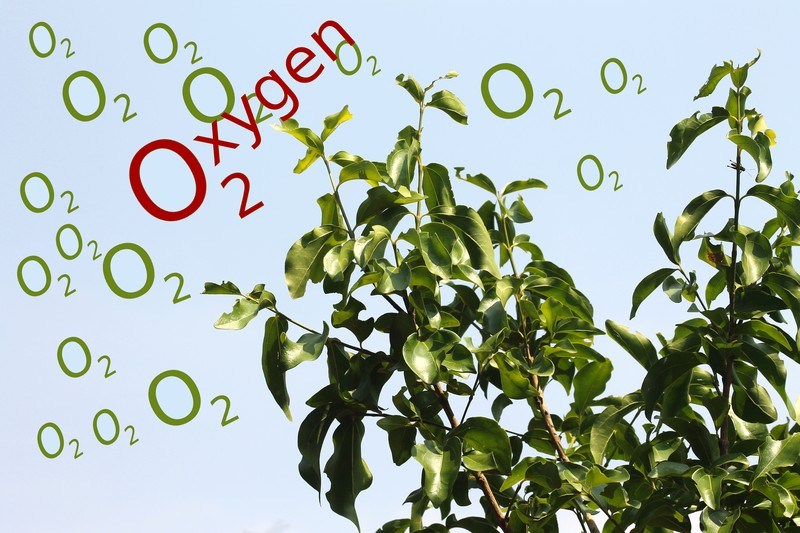
Which biome produces over 50% of the world's oxygen?
a)
Rainforest
b)
Temperate Forest
c)
Grasslands
d)
Taiga
5.
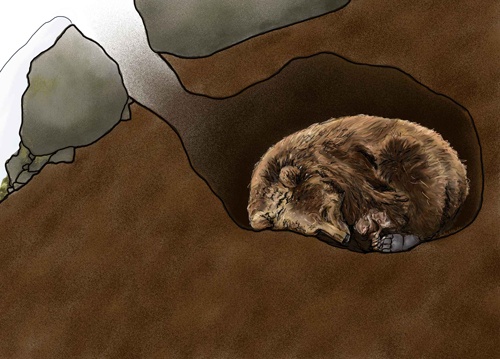
Which biome could an animal who hibernates in the winter to survive the cold live in?
a)
Grasslands
b)
Taiga
c)
Desert
d)
Rainforest
6.
In which biome does an organism have to be able to conserve water to survive?
a)
Rainforest
b)
Taiga
c)
Desert
d)
Temperate Forest
7.
What term is given by scientists to the living parts of an ecosystem?
a)
Biotic Factors
b)
Abiotic Factors
c)
Community
d)
Population
8.
The term "terrestrial" means
a)
land.
b)
water.
9.
One characteristic feature of the tundra is that only the surface thaws in the summer and refreezes in the winter, leaving a permanently frozen subsoil. This characteristic is known as 
a)
winter frost
b)
Glaciation
c)
Permafrost
d)
Crystallization 
10.
We would NOT find this animal in the deciduous forest
a)
squirrel
b)
deer
c)
bear
d)
giraffe
11.
Which animal is the apex predator?
a)
hawk
b)
lizard
c)
snake
d)
grass
12.
In the energy pyramid here, how much of the energy in each level gets lost as heat or used by the organism for survival?
a)
80%
b)
90%
c)
10%
d)
20%
13.
An organism that gets energy from breaking down dead organisms, non-living material or waste is a(an) ___________.
a)
producer
b)
consumer
c)
decomposer
d)
autotroph
14.
Organisms that create their own energy from sunlight or chemicals
a)
Herbivore
b)
Omnivore
c)
Autotroph
d)
Heterotroph 
15.
An organism that obtains energy from eating meats
a)
Omnivores
b)
Carnivores
c)
Herbivores
d)
Animals 
16.
The process of plants using energy from the sun to create the first trophic level is called?
a)
Photosynthesis
b)
Chemosynthesis
c)
Cellular Respiratation
d)
Primary Producers
17.

Which answer choice is a freshwater ecosystem?

a)

Rivers

b)

Oceans

c)

Coral reefs

18.

Producers are

a)

plants

b)

also called autotrophs

c)

able to do photosynthesis

d)

all of the above

19.

Arrows in a food web represent

a)

eating

b)

Energy

c)

sunlight

d)

matter

20.

A food chain always begins with

a)

A Consumer

b)

The Sun

c)

A Decomposer

d)

A Producer

21.

What is an abiotic factor?

a)

a nonliving condition or thing

b)

a flat and treeless region of land that has a layer of permafrost

c)

a food web

d)

a swampy coniferous forest that is located in high northern altitudes bordering the tundra.

22.

What type of organisms makes their own food for energy?

a)

Consumers

b)

Decomposers

c)

Producers

d)

Predators

23.

What is a food chain?

a)

The movement of water from the surface to the atmosphere

b)

The path of food energy from one organism to another.

c)

The ranking of organisms by size in an ecosystem.

d)

A list of food that consumers will eat in an ecosystem.

24.
This system supplies the body with oxygen and rids it of carbon dioxide.
a)
circulatory
b)
respiratory
c)
muscular
d)
nervous
25.
This system transports essentials and removes wastes to and from the cells of the body.
a)
circulatory
b)
respiratory
c)
skeletal
d)
integumentary
26.
This system includes the skin, hair, and nails.
a)
integumentary
b)
nervous
c)
skeletal
d)
muscular
27.
This system allows for movement of the body.
a)
skeletal
b)
nervous
c)
muscular
d)
integumentary
28.
This system secretes chemical messages (hormones) to different parts of the body.
a)
excretory
b)
endocrine
c)
digestive
d)
immune
29.
This system filters and removes liquid wastes from the body.
a)
endocrine
b)
digestive
c)
circulatory
d)
excretory
30.
This system provides a framework for the body.
a)
muscular
b)
integumentary
c)
skeletal
d)
excretory
31.
An example of a behavioral adaptation is
a)
The long neck of a giraffe
b)
Penguins huddling together for warmth
c)
A camel's hump used to store water
d)
A polar bear's white fur used for camouflage
32.
Parrots have special feet, with two toes on the front and back to help them cling to branches.
a)
Behavioral Adaptation
b)
Structural Adaptation
33.
An owl is mostly nocturnal meaning it hunts and is active at night.
a)
Behavioral Adaptation
b)
Structural Adaptation
34.
When an animal looks like another animal it is called ______________.
a)
camouflage
b)
mimicry
c)
warning coloration
d)
protective resemblance
35.

Living things have two kinds of adaptations: __________________. Choose the best answer.

a)

behavioral and physical

b)

physical makeup and structural

c)

behavioral and structural

d)

thrive and survive

36.

Which one is a behavioral adaptation for humans?

a)

walking upright

b)

having thumbs

c)

eyes on the front of our heads

d)

molar teeth

e)

all of the above

37.

Name this structure:

a)

Chromosome

b)

Chromatin

c)

Chromatid

d)

Tetrad

38.

Do the daughter cells formed from mitosis have DNA identical to the parent cells or different to the parent cells?

a)

Identical

b)

Different

c)

Identical but different

39.

In which process are Gametes produced?

a)

Mitosis

b)

Meiosis

40.

How many pairs of chromosomes do humans have in a cell?

a)

92

b)

46

c)

23

d)

12

41.

How many daughter cells is made at the end of Meiosis?

a)

4

b)

3

c)

2

d)

1

42.

The cell that is produced from mitosis is called the

a)

parent cell

b)

daughter cell

43.
What is cancer caused by? 
a)
cell membrane damage
b)
mitochondria malfunction
c)
mutations in DNA
d)
immune-system damage
44.
A parent cell has 46 chromosomes, How many does each daughter cell have after mitosis? 
a)
12
b)
23
c)
46
d)
92
45.
A parent cell has 12 chromosomes. How many does each daughter cell have? 
a)
6
b)
12
c)
24
d)
none of these
46.
What is the purpose of the cell cycle? 
a)
Growth
b)
Repair
c)
make food for the cell
d)
growth AND repair
47.
A parent cell has 98 chromosome. Following the cell cycle how many does each daughter cell have? 
a)
24
b)
49
c)
98
d)
196
48.
Barnacles create home sites by attaching themselves to whales.  The whale is unaffected.  
a)
commensalism
b)
mutualism
c)
predation
d)
laziness
49.
Remoras attach themselves to a shark's body. They then travel with the shak and feed on the left over scraps from the shark's meals.
a)
commensalism
b)
mutualism
c)
predation
d)
competition
50.
Ostriches and Gazelles feed next to each other.  They both watch for predators and alert each other to danger.  Since the visual abilities of the two species are different, they can each identify threats the other animal would not as readily see.  
a)
Parasitism
b)
Commensalism
c)
 Mutualism 
d)
Competition.  
51.
The flea feeds on a mouse's blood to the mouse's detriment (or harm).  
a)
Predation
b)
Parasitism
c)
Commensalism
d)
Mutualism
52.
Ticks feed on deer blood to the deer's detriment (or harm).  
a)
Commensalism
b)
Predation
c)
Parasitism
d)
Mutualsim
53.
Plants need what to do photosynthesis?
a)
Food absorbed from ground
b)
Sun's energy
c)
Food broken down
d)
Minerals from the soil
54.
What two products does a plant make during photosynthesis?
a)
Water and Glucose
b)
Oxygen and Glucose
c)
Oxygen and Water
d)
CO2 and Glucose
55.
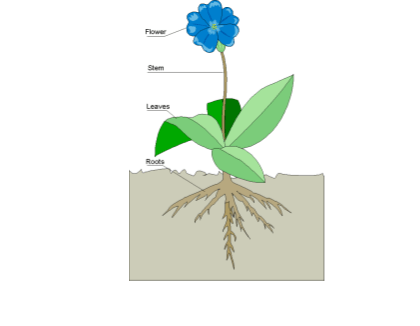
Which plant part absorbs water and nutrients?
a)
Leaf
b)
Stem
c)
Roots
d)
Flower
56.
Which plant part collects the sun's energy and makes food?
a)
Leaf
b)
Stem
c)
Roots
d)
Flower
57.
What is the name of the green pigment inside plants?
a)
Monophyll
b)
Chlorophyll
c)
Epiphyll
d)
Glorophyll
58.

Cellular Respiration occurs in what cell organelle?

a)

chloroplast

b)

cytoplasm

c)

mitochondria

d)

animal

59.

Which of these is a product of cellular respiration?

a)

ATP

b)

Carbon dioxide

c)

Water

d)

All of these are a product of cellular respiration

60.
The purpose of cellular respiration is to produce ?
a)
energy
b)
oxygen
c)
sugar
d)
protein
61.

The waste gas given off by cellular respiration is?

a)

oxygen

b)

carbon dioxide

c)

nitrogen

d)

methane

62.

Does the following process absorb or release energy: Evaporation

a)

Absorb

b)

Release

63.

What is the driving force of the water cycle?

a)

adhesion

b)

cohesion

c)

the sun

d)

the oceans

64.

Plants use 3 things during photosynthesis. Which of the following is needed by the plant? - Pick 3 answers

a)

water

b)

oxygen

c)

sunlight

d)

carbon dioxide

e)

sugar

65.

Plants produce 2 things during photosynthesis. Which of the following are produced by the plant? - Pick 2 answers

a)

water

b)

oxygen

c)

sunlight

d)

carbon dioxide

e)

sugar

66.

E

a)

Evaporation

b)

Transpiration

c)

Sublimation

d)

Condensation

e)

Precipitation

67.

A

a)

Evaporation

b)

Transpiration

c)

Sublimation

d)

Condensation

e)

Precipitation

68.

B

a)

Evaporation

b)

Transpiration

c)

Sublimation

d)

Condensation

e)

Precipitation

69.

How many daughter cells does meiosis produce?

a)

1

b)

2

c)

3

d)

4

70.

THE GAMETES ARE CONSIDERED TO HAVE ONE HALF OF THE GENETIC INFO SO IT IS CALL

a)

DIPLOID (2N)

b)

DIPLOID (N)

c)

HAPLOID (2N)

d)

HAPLOID (N)

71.

MALE GAMETE IS KNOWN AS

a)

EGG

b)

SPERM

72.

A FEMALE GAMETE IS KNOWN AS

a)

EGG

b)

SPERM

73.

HOW MANY CHROMOSOMES DO HUMAN GAMETES HAVE?

a)

46

b)

23

c)

47

d)

22

74.

WHEN THE SPERM FERTILIZES THE EGG WHAT IS FORMED

a)

ZYGOTE

b)

EMBRYO

c)

FETUS

d)

FERTILIZATION

75.

WHY ARE THE CHROMOSOMES EVEN NUMBERED FOR ORGANISIMS?

a)

JUST A COINCIDENCE

b)

BECAUSE 75% OF THE INFO COMES FROM MOM AND 25% COMES FROM DAD

c)

BECAUSE 51% OF THE INFO COMES FROM MOM AND 49% COMES FROM DAD

d)

BECAUSE HALF OF THE GENTIC INFORMATION COMES FROM MOM AND HALF COMES FROM DAD