
Font size
 Worksheets
The Circulatory System Test
Total questions: 50
Worksheet time: 31mins
Type of circulation that refers to blood flow from the heart to the lungs and back to the heart again?
Systemic circulation
Renal circulation
Portal circulation
Pulmonary circulation
Type of circulation that refers to the blood flowing through the entire body?
Systemic circulation
Renal circulation
Portal circulation
Pulmonary circulation
The contraction/emptying phase of the cardiac cycle?
Systole
Diastole
Hemastole
Erythrastole
The relaxing/filling stage of the cardiac cycle?
Systole
Diastole
Hemastole
Erythrastole
Coronary arteries...
supply the heart muscle cells with a supply of blood.
supply the brain cells with a supply of blood.
contain deoxygenated blood.
when clogged, cause a stroke.
The type of blood vessel that normally carries de-oxygenated blood back to the heart from body cells?
arteries
capillaries
veins
arterioles
The type of blood vessel that normally carries oxygenated blood from the heart to the body cells?
arteries
capillaries
veins
venules
The type of blood vessel where exchange of gases, nutrients, and wastes occurs?
arteries
capillaries
veins
venules

An abnormal widening/ballooning of a portion of an artery.
aneurysm
embolism
thrombosis
atherosclerosis
A blood clot that travels through the circulatory system and eventually becomes lodged within a blood vessel?
aneurysm
embolism
thrombosis
atherosclerosis
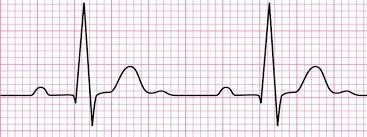
Type of device that measures the electrical currents created by the SA and AV nodes?
AED
MRI
ECG
CAT Scan

The main vein(s) that brings blood to the right atrium?
Aorta
Pulmonary veins
Superior and Inferior vena cava
Jugular vein

Which choice below correctly identifies the layers of the heart from the most outer layer to the most inner layer?
epicardium, myocardium, endocardium
endocardium, myocardium, epicardium
myocardium, endocardium, epicardium
myocardium, epicardium, endocardium
The sac that surrounds and protects the heart?
endocardium
epicardium
myocardium
pericardium

Name part N.
Right atrium
left atrium
right ventricle
left ventricle

Name part I.
pericardium
mediastinum
septum
unknownum

Name part A.
Pulmonary artery
Pulmonary vein
Superior vena cava
Aorta

Name part B.
Pulmonary arteries
Pulmonary veins
Superior Vena cava
Aorta

Name part M.
Tricuspid valve
Semilunar valve
Bicuspid valve
Mitral valve

The inferior vena cava does not drain blood from the ???
Legs
Feet
Kidneys
Arms
Which two of these does the septum separate?
(select 2)
Left Ventricle
Right Ventricle
Right Atrium
Left Atrium

What type of Blood does the Pulmonary Artery carry?
Deoxygenated Blood
Oxygenated Blood
Mixed Blood
Hydrogenated Blood

Coronary Artery

Coronary Veins

sinoatrial Node
Which is a major blood vessel that transports blood into the heart itself?
pulmonary veins
coronary veins
coronary artery
septum
The tiny white cords that anchor the flaps of the bicuspid and tricuspid valves to the walls of the ventricles.
semilunar cords
chordae tendineae
atrioventricular cords
pulmonary flaps
Blood is classified as a (a) tissue. It is composed of liquid (b) , (c) that carry oxygen, (d) that help the immune system fight infections, and (e) that aid in clotting the blood.
The superior vena cava DOES NOT empty blood from the ???
head
neck
arms
legs
The amount of erythrocytes in a given volume of blood is called the (a) .
The heart is made up of what kind of muscle?
smooth
cardiac
skeletal
voluntary
The human heart pumps blood throughout the body supplying needed (a) gas , nutrients, blood, and hormones the tissues. It removes the waste gas (b) and the cellular waste (c) .
The subclavian artery runs underneath the ???
scapula
sternum
humerus
clavicle
The so-called "buffy coat" is composed of platelets and (a) and accounts for less than (b) of blood volume.
Renal circulation refers to blood carried to and away from the ???
lungs
thighs
head
kidneys
arms

Using the diagram, what 3 vessels are carrying deoxygenated blood? Mark all that correct.
Right/Left Ventricles
Superior/Inferior Vena Cava
Pulmonary Arteries
Pulmonary Veins
Aorta
Femoral arteries and veins carry blood to and from the ???
arms
thighs
fingers
head
the heart
Trace blood flow to, through, and from the heart by placing the following in order of initially entering the heart from the body.
vena cava
right atrium
pulmonary arteries
left ventricle
aorta
What is the medical term for the sound the heart makes while pumping blood?
tik tok
pitter patter
lub dub
squish squash
ping pong
Which artery carries DEOXYGENATED blood?
Renal
Femoral
Brachial
Carotid
Pulmonary
Capillaries are usually colored (a) because they are the (b) between the arteries and the veins.
The carotid artery branches off of the ...
Pulmonary Vein
Pulmonary Artery
Vena Cava
Aorta
Jugular Vein
What is considered by doctors to be the "anatomical pacemaker" of the heart?
SA node
AV node
Purkinje Fibers
Bundle of His
Bundle branches
The four heart chambers prevent ???
...low blood volume.
...backflow of blood.
...mixing of O2 rich and O2 poor blood.
...CO2 from entering the heart.
...SA and AV nodes from transmitting impulses.
Receives blood from the body that is low in oxygen and high in carbon dioxide
Right Atrium
Right Ventricle
Left Atrium
Left Ventricle
Receives oxygen-rich blood from the lungs
Right Ventricle
Left Ventricle
Right Atrium
Left Atrium
Pumps the oxygen-rich blood to all parts of the body
Right Ventricle
Left Ventricle
Right Atrium
Left Atrium
After originating in bone marrow, may be found in lymphoid tissue.
megakaryocte
eosinophil
basophil
lymphocyte
neutrphil
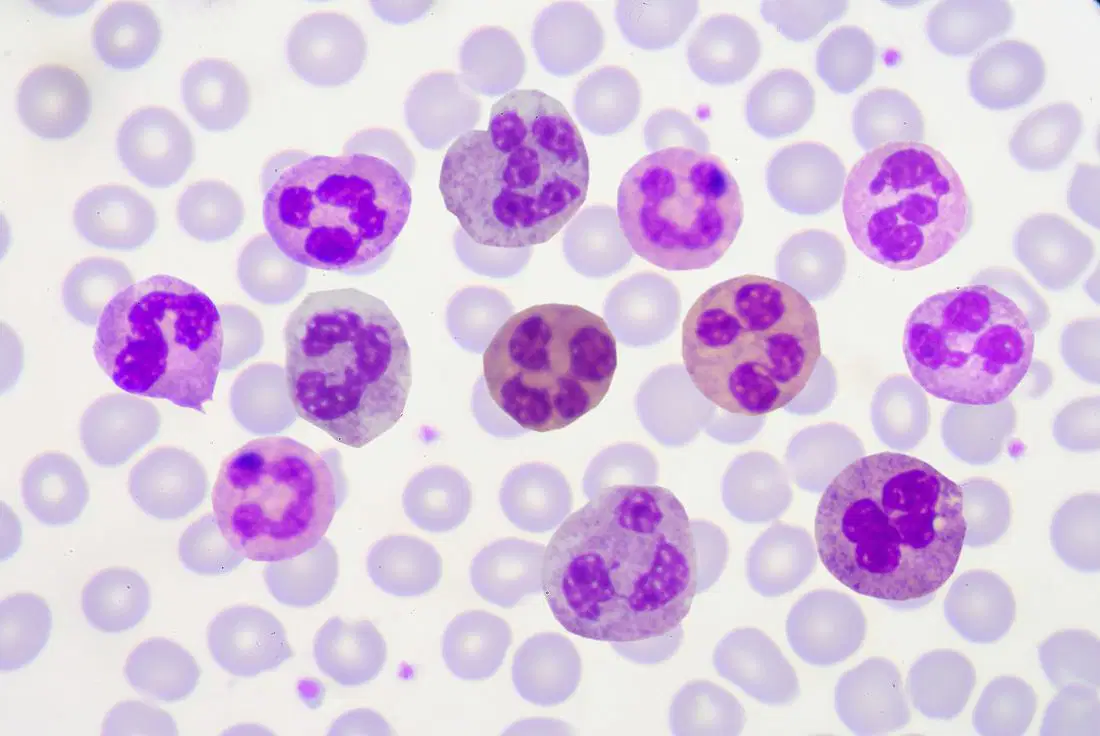
Looking at blood under a microscope, what are the cells that stained purple?
leukocytes
erythrocytes
platelets
plasma
hematocrits
Formed in the bone marrow, they are small cells that have important function of clotting of the blood
white blood cells
red blood cells
platelets
leukocytes
White blood cells move into and out of blood vessels by the process of (a)

