
 Worksheets
STAAR Review: 7th Grade Topics
Total questions: 59
Worksheet time: 39mins

What is NOT a part of cell theory:
all cells come from existing cells
all cells have a nucleus
all living things are made of cells
cells are basic unit of structure and function in living things
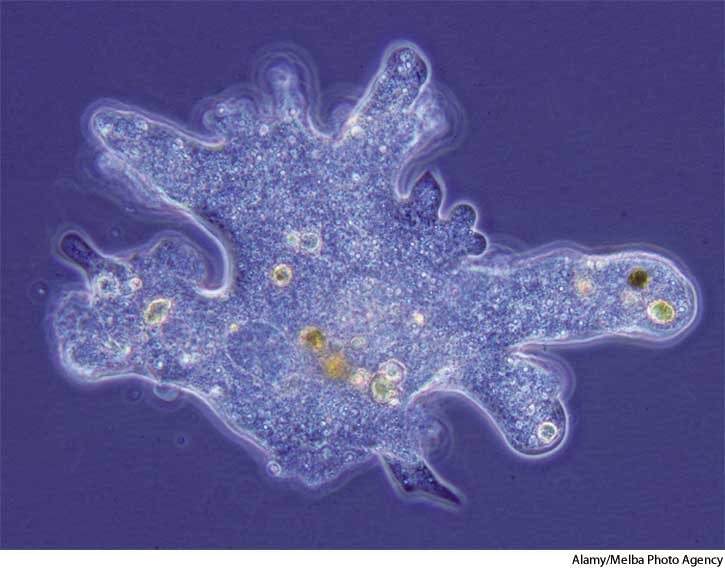
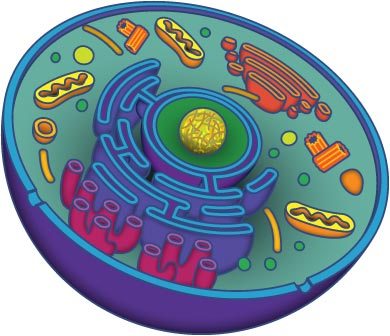
True or False?
The nucleus is the control center of the cell
true
false
What is the function of the Cytoplasm?????????
It is a gelatin like substance that constantly flows inside membrane. Chemical reactions occur in the cytoplasm.
Folded membranes in which material can be processed and moved around inside of the cell.
Found inside nucleus, place where ribosomes are produced
Flattened membranes, that sort proteins.
What is the function of Cell Membrane?
Found inside nucleus, place where ribosomes are produced
Contain digestive materials that help break down molecules, wastes, and worn-out cell parts.
It is a gelatin like substance that constantly flows inside membrane. Chemical reactions occur in the cytoplasm.
Protective layer all cells have. It regulates interaction between the cells & the environment.
What is the function of the cell wall?
In plant cells, a green organelle where food is made.
the outer covering that protect plant cells and gives them shape.
Provide energy for the cell
Flattened membranes, that sort proteins.
What is the Mitochondria?
provides food for the cell
filters waste out from the cell
provides energy for the cell
stores food, water, and waste products
In plant cells, a green organelle where food is made.
This is a ___________________.
None of these
Folded membranes in which material can be processed and moved around inside of the cell.
Cell Wall
chloroplasts
Vacuoles-Store materials such as water, waste products, and food.
true
false


Which trait most suggests that the mammoth was adapted to live in a cold climate?
its thick, furry coat
its long, flexible trunk
Its sharp, curved tusks
Its broad, powerful body
Why do birds have different beaks?
they migrate different places
the beaks help with hibernation
they eat different things
no one knows
Rabbits with a mutation for longer, thicker fur survive an unusually cold winter, while many normal rabbits do not survive. This is an example of-
Selective Breeding
Natural Selection
To produce a more desirable fruit, a farmer crosses a tree that produces sweet oranges with a tree that produces large oranges. Is an example of-
Natural Selection
Selective Breeding

Peppered moths use the adaptation of camouflage as protection from predators. They may have a variety of colors or shades, but before the Industrial Revolution, they were typically white with black speckles. The Industrial Revolution in the 1880s introduced large-scale pollution into the environment. The pollution resulted in widespread, dark-colored staining of buildings and trees.
Which of the following was the most likely effect of the Industrial Revolution on peppered moths in cities?
The population of light-colored moths decreased and the population of dark-colored moths increased.
The peppered moths adapted an improved sense of sight and smell.
Over time, the white, speckled moths were outnumbered by plain white moths.
The peppered moths developed a tolerance to smog and chemical waste.
Some organisms have favorable traits that are well-suited to their environments. Organisms with this advantage are more likely to thrive, reproduce, and pass their traits to future generations than organisms without favorable traits. This process is known as:
genetic engineering
artificial selection
selective breeding
natural selection

Persian cats bred for their flat faces, even though often have certain diseases and disorders, especially of the eye and nose since their heads have an unusual shape. This is an example of
Natural Selection
Selective Breeding

Chromosomes are found in the
mitochondria
Nucleus
Golgi body
Ribosomes

Eye Color is....
Not inherited
Inherited

Sections of DNA that have the instructions for a specific trait are ____________
Nucleus
Shapes
Genes
Cells
The transfer of traits from one generation to the next.
Heredity
Acquired Trait
Dominant Trait
Recessive Trait

Fur color in mice is
Inherited
Preference
Asexual reproduction has
1 parent
2 parents
Sexual reproduction has
1 parent
2 parents
Asexual reproduction creates offspring that are
genetically identical to the parent
different from the parent
different from each other
formed by 2 parents
Budding, vegetative propagation, regeneration, and binary fission are all types of
sexual reproduction
asexual reproduction
Compared to the amount in a normal human cell, a sperm cell will have
the same amount of chromsomes
twice the amount of chromosomes
half the amount of chromosomes
one fourth the amount of chromosomes
Advantages of sexual reproduction are
selective breeding
saves time
saves energy
genetic variation
In which type of reproduction do the sperm and egg cell join?
asexual
sexual
Which takes longer, primary or secondary succession?
Primary Succession
Secondary Succession
What 3 things can cause primary succession to start?
Volcanic Eruption
Glacial Retreat
Hurricane
Formation of a sand dune
What are the species called that appear first during primary succession?
Pioneer Species
New Species
Alpha Species
Mature Species
True or false: humans can be the cause of secondary succession
True
False
True or false: hurricanes, tornadoes, floods, and fires are examples of secondary succession
True
False

Look closely at the map of the watershed below. If water enters the watershed at the top of the mountain where the arrow is pointing, at which point will it stop draining?
Point A
Point B
Point C
Point D

Where are you most likely to find a watershed?
In a lake
On a mountain top
At the bottom of a valley
Everywhere

What definition BEST describes a watershed?
An area where water infiltrates the soil
An area where aquatic plants and animals thrive
An area where snow melts and changes into liquid water
An area that collects precipitation and drains it to the lowest point
Which of the following human activities is LEAST likely to affect watersheds?
Flying in an airplane
Cutting down trees
Fertilizing lawns
Reading a book
Which statement about water pollution is TRUE?
Pollution only affects surface water.
Pollution cannot be dissolved in water.
Pollution affects both surface and groundwater.
Pollution cannot travel through soil to groundwater.

Pollutants from a factory that enter the water in a watershed will have a negative effect on which of the following?
Local pond life
Rainfall rates
Direction of river flow
Available space for crops
A structure made up of different types of tissue and performs a specific job.
cells
tissue
organ
organ system

