
 Worksheets
Skin infection
Total questions: 16
Worksheet time: 8mins
Natural defences of the skin may include all of the following EXCEPT
Keratinous surface
Antibacterial effects of sebum
Effects of normal flora
Ciliary action moving mucus and debris
Which of the following is NOT common pathogens cause skin infection?
Staphylococcus aureus
Streptococcus pyogenes
Varicella zoster virus
HIV
Streptococcus pyogenes can produce coagulase to convert fibrinogen to fibrin during infection.
TRUE
FALSE
MRSA is a species of Staphylococcus aureus
TRUE
FALSE
MRSA infection can be treated with methicillin antibiotic
TRUE
FALSE
__________ is a condition where the epidermis layer loose and easily rubbed off the underlaying layers.
Cellulitis
Scalded skin syndrome
Necrotizing fasciitis
Erysipelas
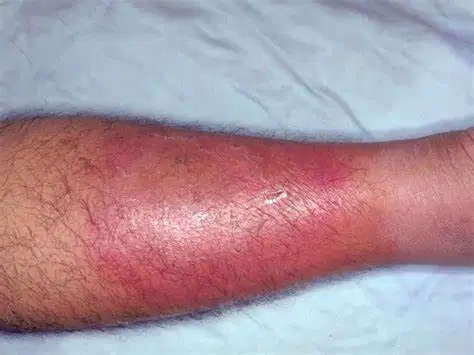
The figure shows _______ condition.
Erysipelas
Candidiasis
Cellulitis
chicken pox
Cellulitis and erysipelas are disease that commonly caused by Staphylococcus aureus.
TRUE
FALSE
Gas gangrene is an infection of subcutaneous tissue (muscle).
TRUE
FALSE
Common cause of gas gangrene is ___________.
Staphylococcus aureus
Streptococcus pyogenes
Clostridium perfringens
Pseudomonas aeruginosa
Hand, foot and mouth disease is caused by _________.
Coxsackie virus
Varicella zoster virus
Herpes simplex virus
Poxvirus
Herpes zoster is the condition caused by reactivation of latent varicella zoster virus.
TRUE
FALSE
Impetigo often occurs around the mouth or nose.
TRUE
FALSE
Dermatophytoses are group of fungus that have the ability to produce keratinase.
TRUE
FALSE

Scalp ringworm is caused by _________.
Tinea capitis
Tinea corporis
Candida albican
Cryptococcus neoformans
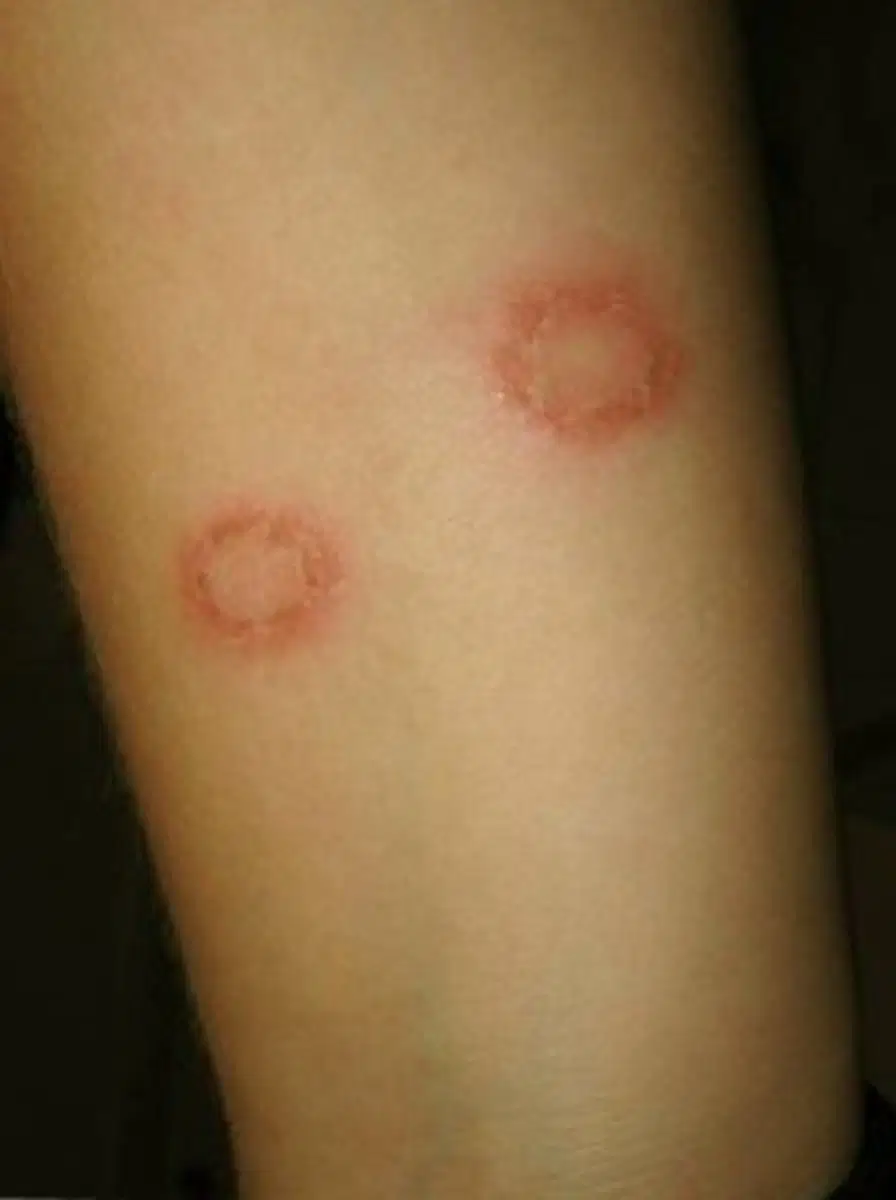
The image shows _________.
Impetigo
ringworm
candidiasis
folliculitis

