
 Worksheets
UNIT 2 AND 3 P
Total questions: 100
Worksheet time: 2hrs 40mins
comprised of hormone-producing organs that have one of the largest impacts on our long-term development, mood, and behavior
(a)
are chemicals created and released by organs that travel throughoutthe bloodstream and impact feelings, perception, development, sexuality, etc.
(a)
tend to raise dopamine levels, aggression, make productive effort ‘feel good,’ increase muscle mass, and reduce body fat
(a)
tend to increase serotonin levels, compassion, makeemotions ‘feel good’, protects against bone loss, and increase body fat
(a)
located in the neck, this organ controls hormones that boost or reduce metabolism (consumption of energy)
(a)
below the lungs, it releases insulin to manage glucose levels and manage energy
(a)
above the kidneys, they release adrenaline in fight or flight situations
(a)
release testosterone and estrogen—sex hormonesthat impact sexual behavior, muscle, body fat, aggression, and more
(a)
the ‘master gland’ in our brain that regulates general hormonal production, including growth hormone, sex hormones, and others
(a)
facilitation of communication between the brain and body through spinal cord fluids
(a)
the sensory nerves and tissues that relay messages to the brain through the CNS
(a)
enables voluntary muscle movement through motor neurons
(a)
largely uncontrollable, operating on automatically to beat the heart, digest food, and move organs
(a)
arouses and expends energy (fight or flight
(a)
slows your heartbeat, lowers blood sugar, and calms your system afterwards
(a)
relay signals to the brain from sensory receptors
(a)
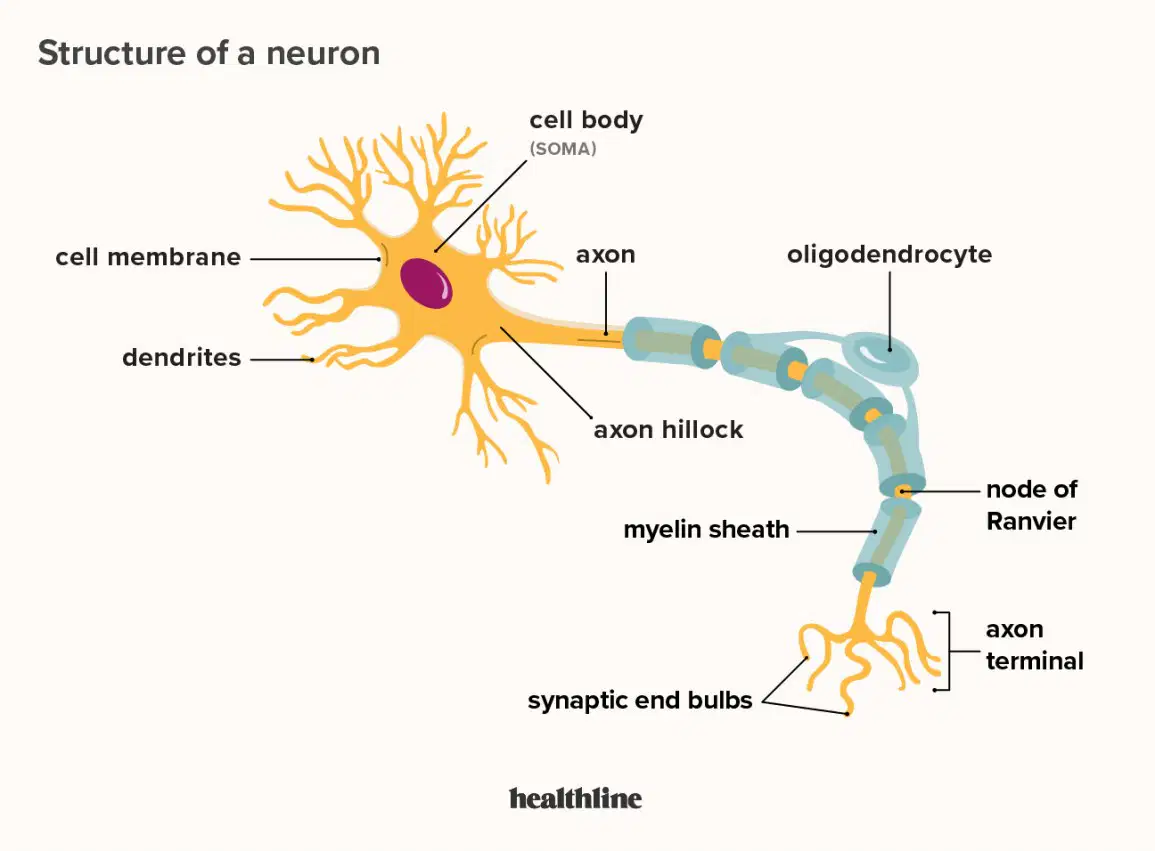
is the cell body, which contains all the DNA,and other essential parts for keeping the neuron alive
(a)
where neurochemicals are released and received
(a)
The message travels through the (a) to the synapses
when an electrical impulse passes through the axons of the communicating neuron
(a)
When electrical signals travel through the axon to the end of the terminal, they trigger the release of chemical (a)
Once the signal has been sent, proteins in your body activate (a) to re-separate the Na and K ions
sent back to the original axon in a process called
(a)
are chemicals in drugs that can bind and activatereceptors in dendrites, thus providing the associated feeling
(a)
chemicals that block receptors
(a)
areas of destroyed brain tissue
(a)
views the electrical waves in one’s brain
(a)
are X-rays that can reveal tissue damage
(a)
show the brain’s use of chemical fuels like glucose and ketones
(a)
uses a spinning magnet to disorient electrons in the brain; when they return to normal, it gives a detail picture of the soft tissues
(a)
takes MRI scans less than a secondapart to track blood flow and reveal activity in areas on the brain
(a)
the tendency for some neural functions to be specialized to one side of the brain or the other
(a)
allow the two hemispheres to communicate seamlessly
(a)
the idea thatdifferent areas in the brain are specialized for different functions
(a)
deals with mastery and organization of what we already know (things like speech
(a)
specializes in exploring new ideas or concepts we don’t understand (things like creativity, and complex & inferential thought)
(a)
the inabilityto recognize faces, even if you have known them for your entire life
(a)
are responsible for perceiving sensory and motor information processed in other regions of the brain, and deal primarily with our perception of and interaction with the world
(a)
end of the chain of sensory information and perception that is responsible for your conscious executive functioning (i.e., decision and action)
also responsible for impulse control
(a)
the ability to resist urges and thoughts that offer short-term rather than long-term benefits
(a)
the processing of both conscious and unconscious simultaneously
(a)
the brain’s ability to change or adapt by developing new or alternative neural pathways from existing neurons
(a)
the inability to produce or formulate language
(a)
area of the frontal lobe that directs muscle movements involved in speech
(a)
a region of the temporal lobe on the left hemisphere responsible for language comprehension
(a)
The study and application of environmental factors that can regulate gene expression
(a)
the periodic loss of natural consciousness, distinct from coma, anesthesia, or hibernation
(a)
First stage of sleep
(a)
Second stage (relaxed, but awake state)
(a)
3rd stage (can experience hallucinations, images, falling, jerking)
(a)
4th stage of sleep
(a)
5th stage of sleep (delta brain waves – ‘deep sleep’)
(a)
Stage 6 of sleep
(a)
consistent lack of sleep and/or inability to maintain sleep
(a)
uncontrolled bouts of falling asleep (short or long)
(a)
temporary seizing of breath and micro-wake ups that interrupt sleeping cycles and deplete people of deep sleep
(a)
a sleep disorder that causes subjects to experience extreme fright or dread
(a)
substances that change perceptions and moods, meaning the sensory information is the same but our perception of that information is altered
(a)
are a class of drugs that reduce neural activity and slow body functions;the three primary subgroups of depressants are: alcohol, barbiturates, and opiates
(a)
is a dis-inhibitor which slows brain activity that controls judgment and inhibitions
(a)
are prescribed to induce sleep or reduce anxiety as they depress the central nervous system, resulting in relaxed states, sedation, and sleep
(a)
endorphin-mimicking painkillers that illicit warm, euphoric feelings that can disrupt natural endorphin use and creation
(a)
are drugs that excite neural activity and accelerate body functions, increasing breathing rate, heartbeat, energy, and confidence
(a)
provides a rush of euphoria, but depletes one’s own dopamine and norepinephrine by overuse, causing quick withdrawal symptoms
(a)
increases dopamine, euphoria, alertness, and energy, followed by a crash of irritability, social isolation, depression, hypertension, and heightened aggression
(a)
are drugs that distort perceptions and evoke sensory images in the absence of sensory input (i.e., hearing and seeing things that aren’t there)
(a)
a stream of uninterrupted fantastic pictures, shapes, colors, etc., ranging from euphoria, to detachment, to panic
(a)
is a hallucinogen which can evoke both agitation & hallucinations by amplifying colors, sounds, tastes, smells, touch, and can produce a euphoric high
(a)
triggers a large dopamine release, and additionally floods neurons withserotonin and blocks reuptake (thus making you experience them much longer)
(a)
is pulses of electromagnetic energy (light) received through the cornea, then the pupil, then the lens which focuses the light on the retina
(a)
are responsible for fine detail and color, focused mostlyin the center of the retina in an area referred to as a the fovea
(a)
Rods are mainly responsible for peripheral vision and are more sensitive to light, giving us better vision in low-light situations
(a)
in the occipital lobe relay information on shape, edges, angles, etc.and allow us to recognize familiar faces and shapes from various angles, colors, etc.
(a)
the recognition of things from different angles and colors
(a)
The processing of all these factors (speed, distance, texture, color, etc.) simultaneously
(a)
light energy is converted to neurochemical energy
(a)
holds that cones and perceives color through combinations of mixing red/green/blue receptors
(a)
proposes that some receptors eliminate opposing colors that share the same pathway (red-green, yellow-blue, black-white) in the retina
(a)
is a process by which sounds waves enter the ‘outer ear’ through the auditory canal to the eardrum
(a)
the height of an energy wave—in this case sound wave), which is how we determine loudness
(a)
the theory that certain hairs are only activated by certain frequencies
(a)
the theory that neurons fire in unison with the vibrationsto match the frequency of the vibrations, which is interpreted by the brain
(a)
a perceptual phenomenon in which stimulation of one sensory or cognitive pathway leads to automatic, involuntary experiences in a second sensory or cognitive pathway
(a)
is the sensation that allows us to experience pressure, pain, and temperature
(a)
the theory that small fibers are constantly sending pain signals to the brain, while large fibers block said signals until stimulated
(a)
the impact of touch on cognitive preferences and judgments
(a)
is our sense of position regarding our body and its parts
(a)
monitors head position and movement
(a)
the ability to detect signal difference
(a)
the ability to detect the presence of a weak stimulus amid other, stronger stimuli
(a)
is the impact of stimuli on our cognition and judgement that is too quick or weak to consciously detect or process
(a)
starts at sensory receptors and works up to higher levels of processing
(a)
constructs perceptions that draw from our own experiences and expectations
(a)
not noticing stimuli when focused on others
(a)
failing to notice changes in the environment, especially when selective attention focuses our conscious thought on a single stimuli
(a)
diminished sensitivity as a consequence of constant stimulation (not smelling one’s own house, clothes, odor)
(a)
theformation of whole, meaningful, or continuous stimuli whengiven mixed or unintegrated pieces of visual information
(a)
the organization of the visual field into objects that standout from their surroundings (face or vases—can only see one at a time)
(a)
the perceptual tendency to organize stimuli into coherent groups based on continuity, proximity, and closure
(a)
a mental disposition to see onething over another
(a)

