
 Worksheets
Unit 9 Review: Thermodynamics
Total questions: 56
Worksheet time: 1hrs 14mins
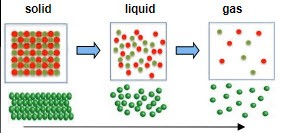
Which represents a decrease in entropy?
sublimation of CO2
boiling water
condensation of steam on cold glass
NaCl dissolving in water
Entropy is a measure of
accuracy
precision
the disorder of a system
the attraction of a nucleus for an electron
What phase of matter has the most entropy?
solid
liquid
gas
What is a spontaneous process ?
slow process
fast process
process that needs an external intervention to occur
process that does not need external intervention to occur / keep happening
Which of these reactions shows a DECREASE in entropy?
CaCO3(s) → CaO(s) + CO2(g)
3O2(g) → 2O3(g)
2NH3(g) → 3H2(g) + N2(g)
C6H6(l) → C6H6(g)
Which reaction has a +ΔS ?
AgNO3(aq) + NaCl(aq) → AgCl(s) + NaNO3(aq)
H2O(g) + CO2(g) → H2CO3(aq)
H2(g) + I2(g) → 2Hl(g)
C2H2O2(g) → 2CO(g) + H2(g)
What does Gibbs Free Energy tell us?
How much energy is given off by a reaction.
The tendency of a reaction to become "random"
How spontaneous a reaction is.
Your enthalpy is +20 J and your entropy is +5 J. Which temperature will give a spontaneous reaction?
0
4
8
Your enthalpy is -20J and your entropy is -8J. Which temperature will give you a spontaneous reaction?
1
3
5
Which of the following situations demonstrates high entropy?
water freezing
water vaporizing
steam condensing to water
Which combination of ΔH and ΔS NEVER has a spontaneous reaction?
+ΔH and +ΔS
+ΔH and -ΔS
-ΔH and -ΔS
-ΔH and +ΔS
What information do we need to perform a calculation of Gibbs Free Energy?
Enthalpy of the reaction.
Entropy of the reaction.
The temperature of the reaction in Kelvin.
All of the above are needed.
6. The formation ½ A2 + 2 B2 + C --> CAB4 has an enthalpy of formation of -104 kJ and a change in entropy of -60.8 J/K at 30 °C. What is the free energy and spontaneity of the reaction?
-85.6 kJ, spontaneous
-18.3 kJ, not spontaneous
+18.3 kJ, spontaneous
+85.6 kJ, not spontaneous
1. Given the following information, calculate ΔG0 for the reaction below at 250C: (K = 0C + 273)
SnCl4(l) + 2 H20(l) → SnO2(S) + 4HCl(g),
ΔH0=133.0 kJ and ΔS0 =401.5 J/K
-252.6 kJ
-13.4 kJ
13.4 kJ
252.6 kJ
Which reaction has the greatest increase in entropy of the system?
A. HCl (g) + NH3 (g) → NH4Cl (s)
B. (NH4)2Cr2O7 (s) → Cr2O3 (s) + N2 (g) + 4H2O (g)
C. CaCO3 (s) → CaO (s) + CO2 (g)
D. I2 (g) → I2 (s)
A
B
C
D
Choose the correct correlation between Gibbs free energy and feasibility.
a reaction to be feasible, ΔG has to be negative.
a reaction to be feasible, ΔG has to be positive.
a reaction to be feasible, ΔG has to be zero
no correlation between ΔG and feasibility
Which of the reactions below has a negative ∆S?
CuCO3 (s) + 2HCl (aq) → CuCl2 (aq) + CO2 (g) + H2O (l)
C (s) + O2 (g) → CO2 (g)
CuO (s) + H2SO4 (aq) → CuSO4 (aq) + H2O (l)
BaCl2 (aq) + Na2SO4 (aq) → BaSO4 (s) + 2NaCl (aq)
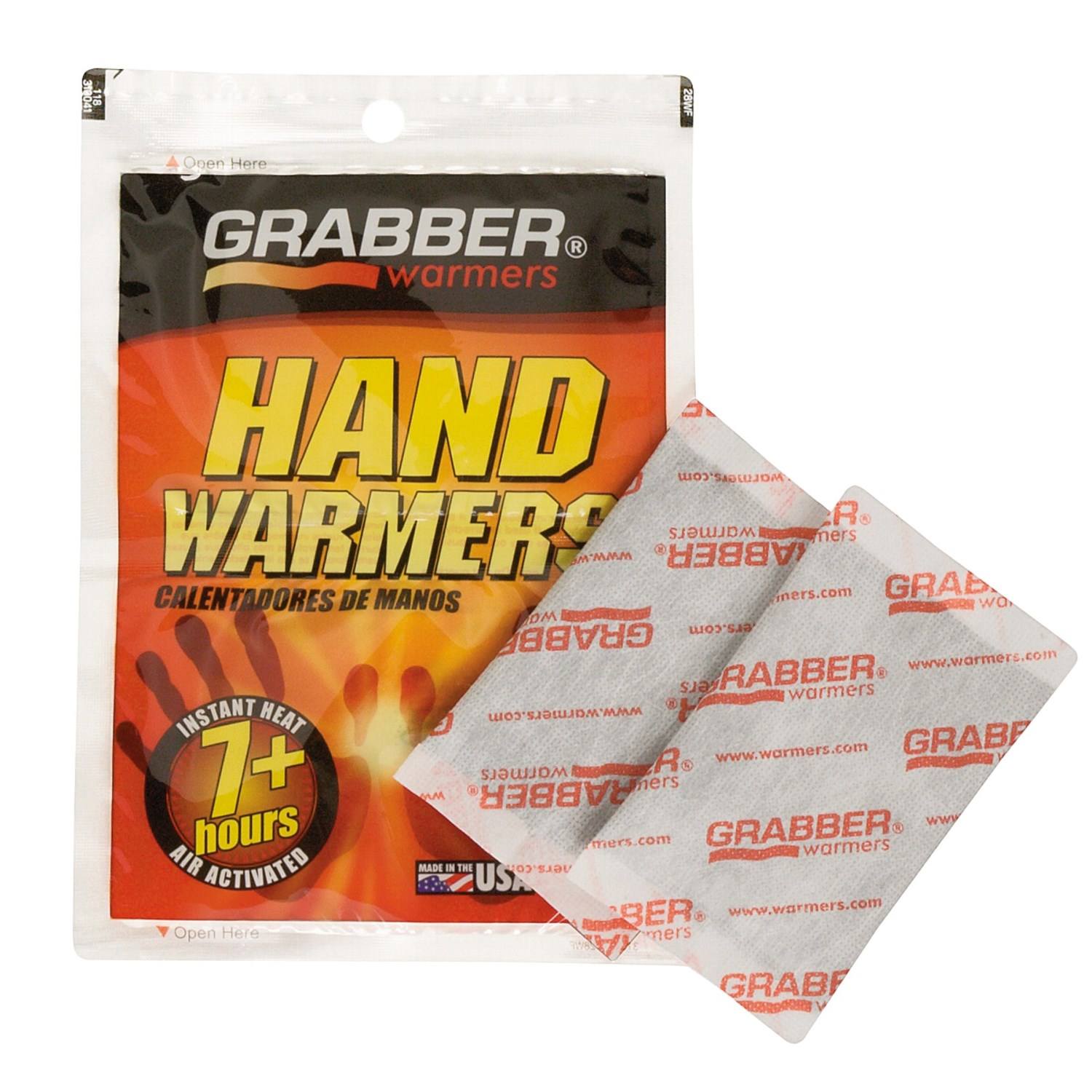

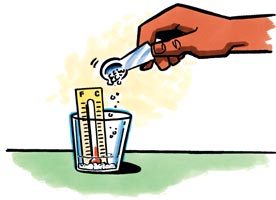
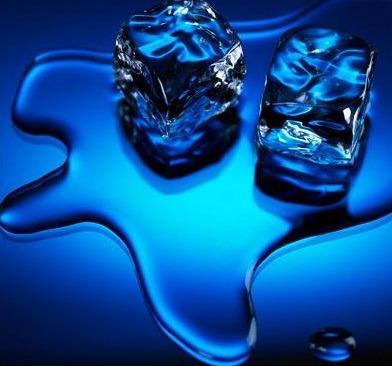
____ reactions usually feel cold.
endothermic
exothermic
Q= m c ∆T
The units for specific heat are:
If two objects have different temperatures when they come in contact, heat will flow from the warmer object to the cooler one UNTIL ____________
one reaches a temperature of zero
they both have an equal temperature
one runs out of energy
If the specific heat of water is 4.18 J/g∙°C, how much heat is required to increase the temperature of 1.2 kg of water from 23 °C to 39 °C? (ignore sig figs)
-80,256 J
80.256 J
80,256 J
-80.256 J
What is the specific heat of an unknown substance if 100.0 g of it at 200.0 °C reaches an equilibrium temperature of 27.1 °C when it comes in contact with a calorimeter of water. The water weighs 75. g and had an initial temperature of 20.00 °C? (Specific heat of water is 4.18 J/g°C) (ignore sig figs)
For a skillet, used for cooking, do you want a high or low specific heat
High, so that it will need more energy to heat up
Low, so that it will change temperature quickly
What symbol represents Enthalpy change?
ΔH
ΔT
ΔG
ΔS
How do you calculate Change in Enthalpy?
ΔH = q / n
ΔT = q / mC
ΔG = ΔH -TΔS
E = mc2
Organic chemistry is difficult. Those who study it have __________ of trouble.
all kinds
alkynes
alkanes
alkenes
2 S + 3 O2 --> 2 SO3 + 791.4 kJ
How much heat will be released if 96 grams of O2 (32g/mol) were reacted?
1055.2 kJ
791.4 kJ
1582.8 kJ
4.0 mole A reacts?
A + 2B + 22.0 kJ → 3C
How much energy does it take to heat 60g of ice at -20C to a temperature of 75C?
-19980 J
2460 J
19980 J
41250 J
How much energy would it take to melt 75g of ice?
-3135
3135 J
24975 J
169500 J
When the ice is heated, the temperature _______ until the temperature becomes _________ . The temperature at which this occurs is called the ________ point.
(a)
Determine the amount of heat energy required to convert 10 grams of ice at -20 °C to steam at 125 °C.
31012 J
30292 J
33938 J
32293 J
Heat flows from _______ to _________.
warm to cool
cool to warm
How can you find the change in temperature?
Tfinal + Tinital
Tfinal − Tinitial
none of the above
A cast iron skillet is used to fry bacon. For optimal frying, the pan must be heated to about 178 oC from a room temperature of 22.0 oC. It is known that 1.58 x 10⁵ J of heat energy are absorbed by the pan to reach the desired temperature and the specific heat of iron is 0.450 J/g oC. What must the mass of the skillet be?
12.7 kg
2.25 kg
110 kg
1.97 kg
In the following reaction, 2A + 2B --> C, ΔH=−60 kJ . What is the ΔH when 6 moles of A are reacted?
-180 kJ
-360 kJ
180 kJ
360 kJ
Which process is accompanied by a decrease in entropy?
boiling of water
condensing of water vapor
subliming of iodine
melting of ice
Given the change of phase:
CO2(g) —> CO2(s)
As CO2(g) changes to CO2(s), the entropy of the system
decreases
increases
remains the same
Which sample has the lowest entropy?
1 mole of KNO3(l)
1 mole of KNO3(s)
1 mole of H2O(l)
1 mole of H2O(g)
1. The temperature increases when calcium chloride dissolves in water.
2. Steam condenses to liquid water
3. Water boils
4. Dry ice sublimates

Predict the entropy change, ΔS.
ΔS = +
ΔS = -
ΔS = 0
ΔS = no change
For the reaction C2H6 (g) ->C2H4 (g) + H2 (g) ΔHο is +137 kJ/mol and ΔSοis +120 J/K.mol. This reaction is
nonspontaneous at all temperatures
unreliable
spontaneous only at high temperature
spontaneous at all temperatures
spontaneous only at low temperature
Which of the following would most likely lead to a spontaneous reaction.
A high negative enthalpy.
A low negative enthalpy.
A high positive enthalpy.
A low positive enthalpy.
What information do we need to perform a calculation of Gibbs Free Energy?
Enthalpy of the reaction.
Entropy of the reaction.
The temperature of the reaction in Kelvin.
All of the above are needed.

A
B
C
D

