
 Worksheets
Unit 8
Total questions: 49
Worksheet time: 34mins
Which of the following is NOT part of the Cardiovascular System?
blood
antibodies
blood vessels
heart
What is the importance of antibiotics?
to fight and neutralize viruses
to fight and destroy viruses and bacteria
to fight and neutralize bacteria
to fight antigens
These vessels carry blood away from the heart.
arteries
veins
capillaries
superior vena cava
Heart Attack, Stroke & Atherosclerosis are examples of?
Respiratory Diseases
Cardiovascular Diseases (CVD)
Cholesterol
Hypertension
Atherosclerosis is a leading cause of other cardiovascular disease (CVD) and it happens when arteries become clogged by _______
sugar
plaque
blood pressure
insulin
True or false. An individual who may live a sedentary lifestyle is likely to have higher blood pressure and increased chances of heart diseases.
true
false
Atherosclerosis can be caused by
Fatty buildup on the inside walls of arteries
plaques
a diet high in saturated fats and cholesterol
All of the above
Which of these can lead to stroke or heart attack?
diet high in carbohydrates
diet high in saturated fatty acids
diet high in unsaturated fatty acids
diet high in proteins
Which of these is TRUE of exercise?
exercise has not effect on health
exercise makes your heart weak
exercise erodes plaque in blood vessels increasing heart attack and stroke
exercise erodes plaque in blood vessels decreasing heart attack and stroke

These are important because they remember the pathogen for the future.
Macrophage
Lymphocyte
Memory T and B cells
Antibodies

What attaches to antigens and tags the pathogen for destruction?
Pathogen
Antibodies
B-cells
Lymphocyte

What is the molecule located on the outside of a pathogen that the immune system recognizes?
Lymphocyte
Antigen
Pathogen
Inflammation

What makes and releases antibodies?
Pathogen
B-cells
Lymphocyte
Antigen

What micro-organism is responsible for causing disease?
Pathogen
Antibodies
B-cells
Lymphocyte

T or F - Vaccines work by directly attacking the disease.
true
false

T or F - Viruses can be treated with antibiotics.
true
false

T or F - The type of pathogen that invades your cells and uses your cellular processes to make more copies of itself is a virus.
true
false

Name 3 parts of the body that keep pathogens out ("The First Line of Defense").
White blood cells, tears, T-cells
Saliva, inflammation, Lymphocytes
Skin, tears, saliva
Mucous membranes, fever, B-cells
The healthy human immune system responds to pathogens with both specific and nonspecific processes. Which of the following models represents a nonspecific response?


An immune response that occurs in the human body is shown above. This activity helps to do which of the following?
Produce antibiotics to control disease
Provide protection against a specific pathogen
Provide protection against all types of pathogens
Eliminate harmful gene alterations
What is the body's first line (non-specific) of defense against infection by foreign organisms?
antibodies
lymph nodes
white blood cells
the skin
White blood cells are an important part of the human immune response. Two types of white blood cells, neutrophils and macrophages, act as phagocytes. Phagocytes perform which of the following functions in the human body?
They produce antibodies.
They bind to antigens and develop into plasma cells
They form a barrier against pathogens.
They engulf and destroy bacteria
Which of the following describes a way that a person's health can be affected by heredity?
A person with a family history of obesity is more likely to catch a common cold.
A person with a family history of high blood pressure is more likely to have heart disease.
A person with a family history of obesity is less likely to enroll in a weight loss plan.
A person with a family history of cancer is less likely to be screened for cancer.
Many species of bacteria have become resistant to antibiotics because antibiotics have been so widely used. Now, bacteria that used to be killed by antibiotics are more difficult to treat. What is the best way to proceed in dealing with this public health problem?
Antibiotics should no longer be used.
Antibiotics should be made available to anyone without a prescription.
Antibiotics should only be prescribed to people with bacterial infections.
Anti-viral medications should now be used instead of antibiotics.
What are memory T Cells?
The kills infected body cells
They help the immune system respond quicker if the same pathogen enters the body again
They signal B Cells
They cause Inflammation
What is a vaccine?
A weakened pathogen injected in the body to produce immunity
Temporary immunity that develops as natural exposure
An overreaction of the immune system
Medicine that helps after you're infected
What is the role of the immune system?
To pump blood throughout the body
To protect the body from disease-causing agents
To contain disease-causing organisms to a single area of the body
To give Ms. Genosa something to test us over
The process by which harmless antigens are introduced into a person's body to produce active immunity is called:
Vaccination
Immunity
Passive Immunity
Protective Barrier
A chemical that kills bacteria or slows their growth is called:
Antivirals
Vaccine
Antibiotics
Antigen


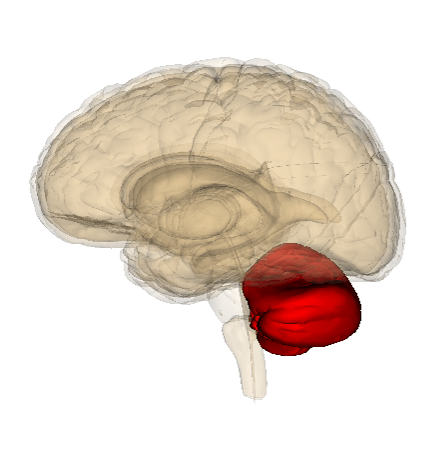
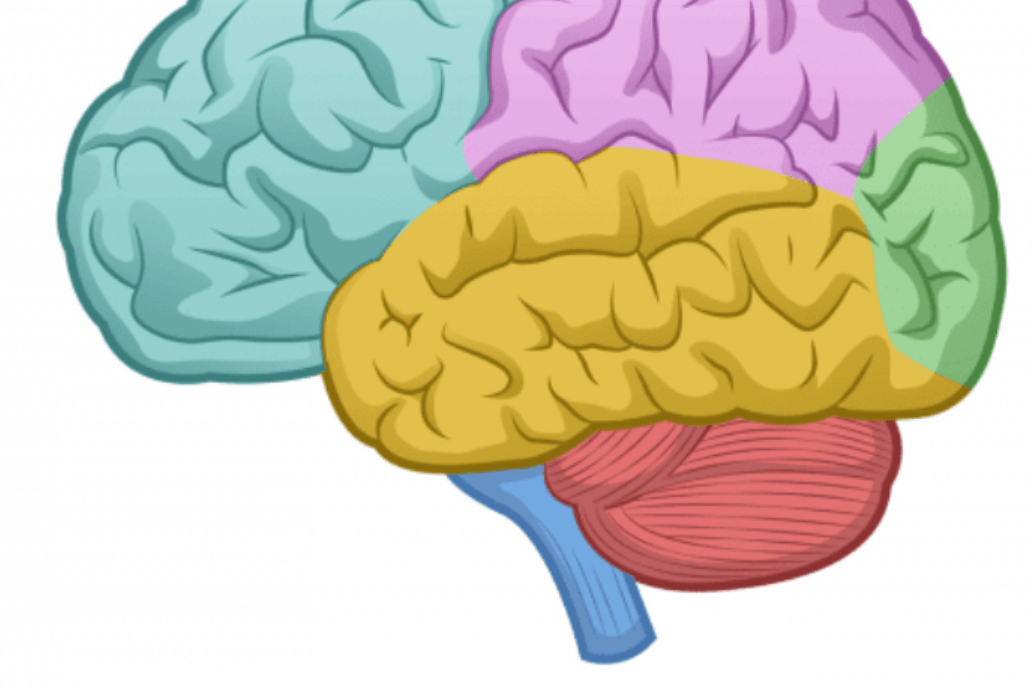
What structure is blue in this picture?
Cerebrum
Cerebellum
Brain Stem
Spinal cord

Which structure is labeled #5?
midbrain
pons
medulla oblongata
spinal cord
Which structure is labeled #6?
midbrain
pons
medulla oblongata
spinal cord
Which is the correct ascending order of organization in Biology?
Organism--> organ system--> organ--> tissue--> cell
Cell--> tissue--> organ--> organ system--> organism
Biosphere--> Ecosystem--> Community--> Population--> Organism
Organism--> cell--> tissue--> atoms
Which is the correct descending order of organization in Biology?
Organism--> organ system--> organ--> tissue--> cell
Cell--> tissue--> organ--> organ system--> organism
Biosphere--> Ecosystem--> Community--> Population--> Organism
Organism--> cell--> tissue--> atoms
Which type cells to HIV attack?
T cells
red blood cells
B cells
macrophages
The correct sequence of mitosis:
metaphase, anaphase, telophase, prophase
prophase, metaphase, anaphase, telophase
prophase, anaphase, metaphase, telophase
telophase, metaphase, prophase, anaphase
During which cycle can you identify chromosomes
G1 phase
G2 phase
S phase
M phase

In which stage of MEIOSIS does crossing over occur? (The exchange of genetic material between chromosomes in a tetrad.)
Anaphase I
Metaphase I
Prophase I
Telophase I


Which macromolecule is structured this way?
Carbohydrates
Lipids
Proteins
Nucleic acids
My monomers consist of a phosphate group, a sugar, and a nitrogenous base. Which macromolecule am I?
Carbohydrate
Lipids
Proteins
Nucleic Acids

Which of the macromolecules are structured in this way?
Carbohydrates
Lipids
Proteins
Nucleic acids

Which macromolecule is structured in this way?
Carbohydrates
Lipids
Proteins
Nucleic acids
Which macromolecule has amino acids as monomers?
Carbohydrates
Lipids
Proteins
Nucleic acids

