Font size
 Worksheets
Unit 9 Review
Total questions: 57
Worksheet time: 14hrs 15mins
Natural selection occurs during the lifetime of a single organism.
True
False

What is most likely to happen to moth populations in the picture shown?
Light moths--hunted easily, dark moths--population increase
Dark moths--hunted easily, dark moths--population increase
Light moths--hunted easily, light moths--population increase
Lights moths will change their color to match dark moths.
How do you "win" at natural selection?
survive
go extinct
survive & reproduce
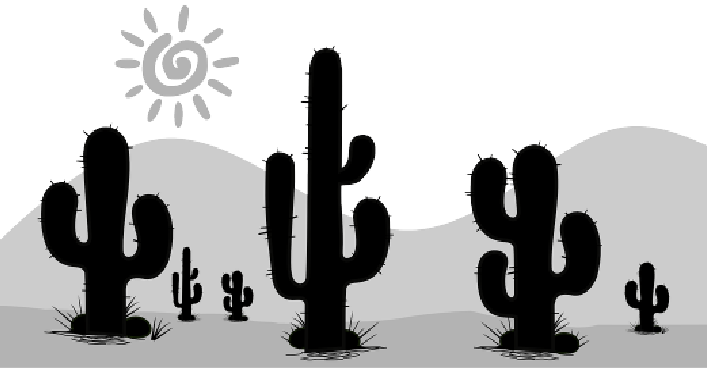
Natural Selection is driven by a change in the environment and survival of the
Earth
Fastest
Fittest
Biggest
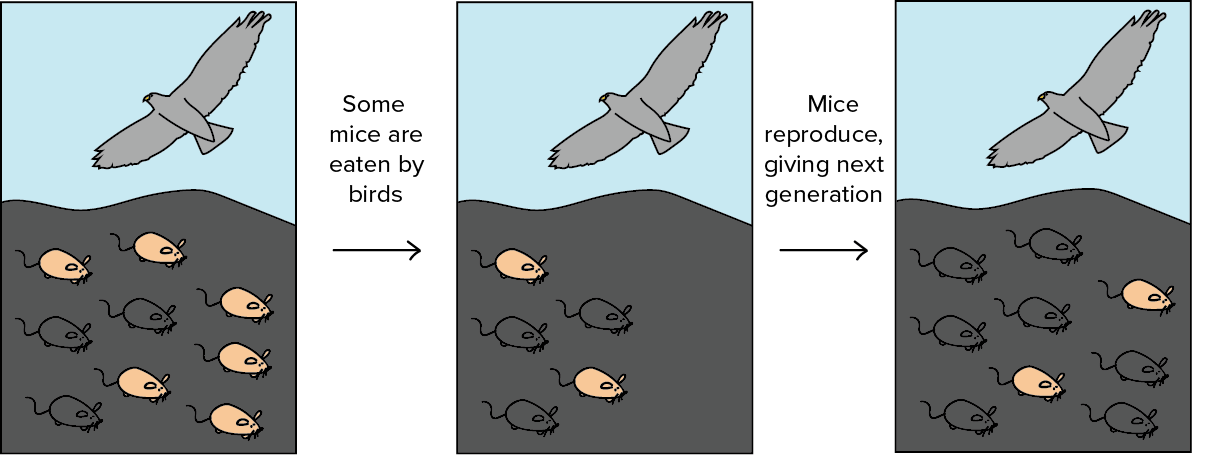
Mutations are a change in what?
DNA
tRNA
protein
rRNA

All rabbits of the same species living in a particular area would be an example of a(n)
population
species
community
ecosystem
The more genetic variation a population has,
the more likely it is for some individuals to
evolve
migrate
survive
mutate
Mutations are important because they bring about
death of the organism in which they develop
genetic variation needed for a population to evolve
benefits for the individual, not for the population
changes in genotype, but not phenotype

Why is competition important for natural selection?
It shows which variations are more successful, allowing the organisms with those variations to survive.
It causes organisms, regardless of which traits they have, to die out, reducing the population size.
It causes organisms to get stronger due to having to outcompete other species.
Competition is not important for natural selection.
Darwin observed many finch species on the Galapagos Islands. To explain these observations, he
proposed that each species evolved from the same common ancestor, which was a finch species
that migrated to the islands from the mainland. What additional evidence did Darwin use to support
his explanation?
The finch populations were very numerous, and different species often bred with one another.
The finch species lived in different habitats on different islands, which isolated them from one another.
The finch species were distributed evenly among all of the islands, but did not interbreed.
The beaks of the finches were identical, allowing them to eat the same foods on any of the islands.
A population of rabbits grows rapidly from one year to the next. Then one year, a disease strikes approximately one fourth of the adult rabbits. The disease remains with the population in the years that follow.
As explained by Darwin’s theory, which of these conditions allows the rabbit population to evolve by natural selection?
The disease affects adult and juvenile rabbits equally.
The disease reduces the ability of the rabbits to reproduce.
Some rabbits are resistant to the disease, and they pass the resistance to their offspring.
No rabbits are resistant to the disease, and all die when the disease strikes them.
Which of the following is a situation that could cause evolutionary change that is NOT due to natural selection?
A volcano erupts and kills many individuals in a population.
A mutation produces sea stars that are less visible to predators.
An insecticide is sprayed in a community to combat mosquitoes.
Cattle are treated with antibiotics to prevent the spread of infections.

The graphs below show the changes in crab color at one beach.
Which of the following is most likely to have caused the change in the distribution?
A new predator arrived that preferred dark-tan crabs.
A new predator arrived that preferred light-tan crabs.
A change in beach color made medium-tan crabs the least visible to predators.
A change in beach color made medium-tan crabs the most visible to predators.
A population that is isolated in a remote environment is still able to experience genetic variation. How could genetic variation that contributes to evolution occur in such a population?
A mutation in a liver cell produces liver cancer.
Lateral gene transfer occurs that produces an organism that is less resistant to drought.
A mutation in an egg cell causes a change in DNA that produces an organism that is more sensitive to sunlight.
A mistake in DNA replication before meiosis produces an organism that is better able to outrun predators.

The figure shows how natural selection of a single-trait gene affects lizard survival.
Which of the following most likely causes the changes in allele distribution?
The allele for light gray coloration disappears from the population. This may be because light gray lizards are more visible to predators and therefore they might be less likely to survive and reproduce.
The allele for black coloration decreases fitness and becomes less common. This may be because black coloration keeps the lizards cool during hot summer temperatures.
Medium gray coloration in lizards appears to be a neutral mutant allele that allows the lizards to hide better from predators. This leads to increases in phenotype and allele frequency of gray coloration.
Because black and medium gray lizards are less visible to predators, these alleles are neutral to natural selection and therefore will not disappear from the population of lizards.
Grass plants in a population range in height from 6 cm to 25 cm. The short plants receive little sunlight, and the tall plants are eaten by grazing animals. Which statement best describes the effect of natural selection on the grasses?
Because average height grass plants are favored, stabilizing natural selection is occurring.
Because average height grass plants are favored, disruptive natural selection is occurring.
Because tall grass plants are favored by the animals that eat grass, directional selection is occurring.
Because short and tall grass plants are favored, normal natural selection is occurring.
Scientists use several concepts to explain patterns of evolutionary change. Which evidence would be most useful for identifying a pattern of punctuated equilibrium in an evolutionary lineage?
Similar bone structures among mammal species alive today
An identical genetic code in use among all species alive today
Fossil sequences that show gradual changes over long spans of geologic time
Fossil sequences that show rapid changes over brief spans of geologic time
Which of the following is NOT part of the that mechanisms of natural selection?
Organisms produce more offspring than can survive.
Disease and natural disaster will limit population growth.
Species today descended with modifications from ancestral species.
Organisms with advantages will survive and reproduce.
Before the invention of the light bulb, Americans burned oil in lamps for light. Whale oil was popular bio-fuel for these
lamps. Ship crews would hunt whales for their oil. They searched for the largest whales they could find so that they could obtain as much whale oil as possible. How mighty decades of whale hunting possibly affect the natural selection of the species?
The whales lost their legs.
The whales became slower.
The whales became smaller.
The whales changed their calls.

What is the most likely explanation of the data shown below?
There has been a drought in the area that is affecting all life forms.
The population of natural predators of the moths has gotten smaller.
The moths are living in an environment with light trees.
The moths are living in an environment with dark trees.

The pair of population graphs below display the results of two different five-year hunting cycles, one on light trees and one on dark trees. The population of light-colored moths is shown by the light gray dots, and the population of dark moths is shown by the dark gray dots. How do these results demonstrate natural selection?
The moth populations shown here demonstrate random fluctuations over time that are not explained by tree color.
On light trees, individual moths tried to become lighter in color to match the tree background. On dark trees, individual moths tried to become darker in color.
The moths that were the same color as their background were more likely to survive and reproduce. Over time, the populations of these well-adapted moths increased.
Small particles of tree bark became embedded in the moth’s wings, causing the moths to become darker on the dark trees and lighter on the light trees. These acquired traits were then passed down to the next generation of moths, causing the populations to change color over time.
Suppose a certain species of insect lives in the lush green canopy of the rain forest. Some of the insects are bright green in color, and some are bright yellow. Assume there is a natural predator of the insect in the area. What do you expect to happen to the populations of the green and the yellow insects over time?
The green insect population will increase and the yellow insect population will decrease.
The green insect population will decrease and the yellow insect population will increase.
Both insect populations will remain constant over time.
Both insect populations will increase over time.
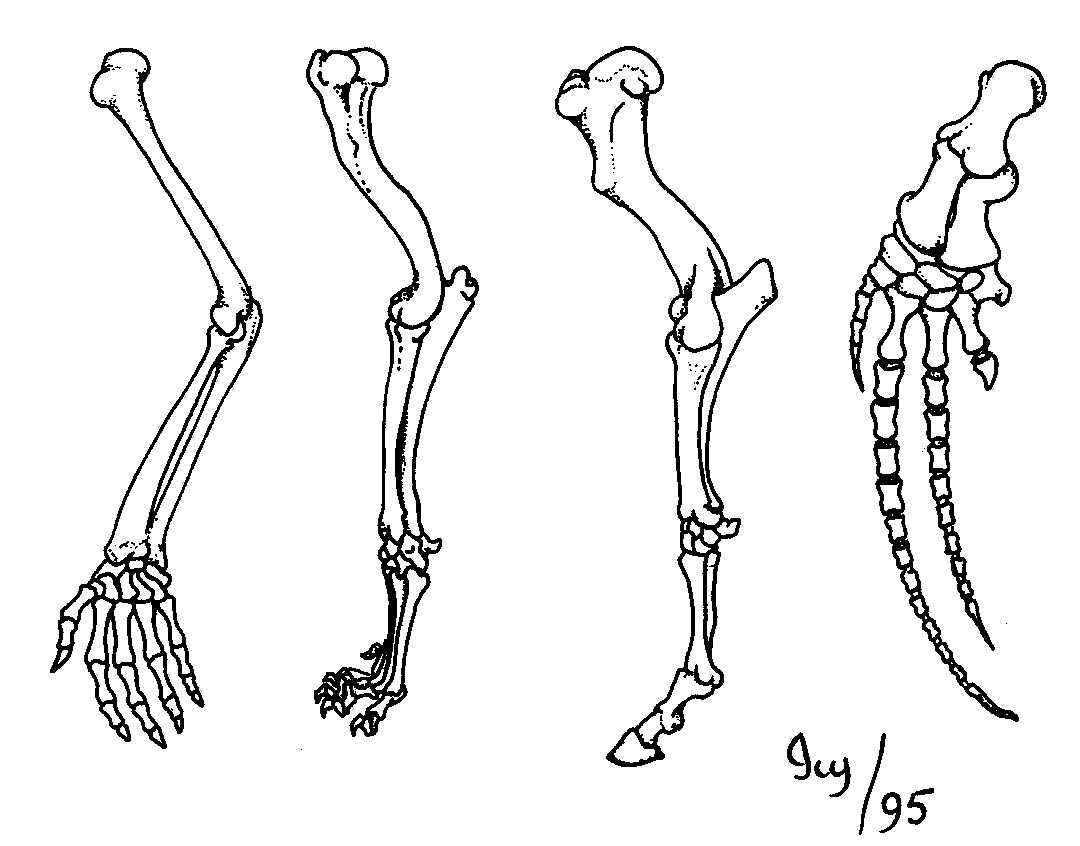
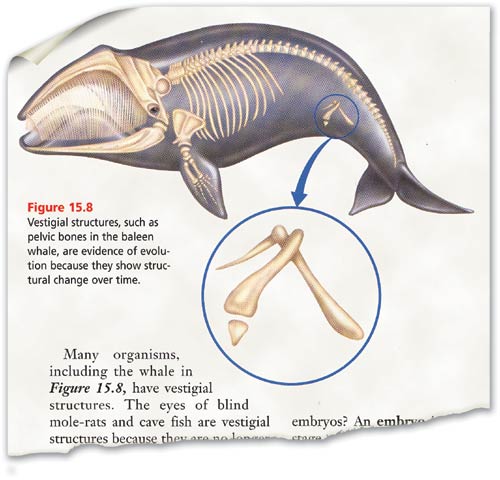

What do we call a change in a species over time?
Adaptation
Evolution
Extinction
Environmental influences
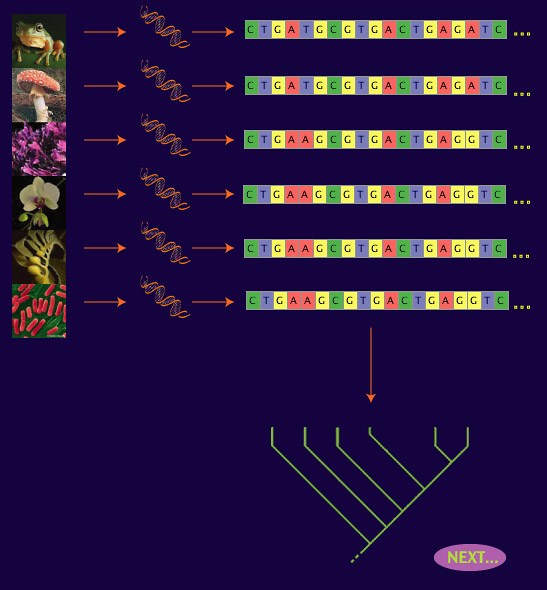


Scientists have collected millions of fossils of different organisms, and have developed a timeline of life on Earth. What do we call this?
Mutation
Natural Selection
The theory of evolution
Fossil Record
What most likely caused the finches on the Galapagos Islands to have beaks that were different from the finches on the mainland?
There were different types of predators on the island.
There were different types of food available on the island.
The finches had no water to drink.
The finches on the mainland could not fly high enough.
What is the study of organisms at the early stages of development?
DNA studies
Comparative Embryology
Extinction
Fossil Record
Which one does not increase variation?
Gene flow
Migration
Mitosis
Crossing Over
When unrelated species evolve similar characteristics because they live in similar
environments
Divergent Evolution
Speciation
Convergent Evolution
Punctuated equilibrium
A number of different species arise from one common ancestor
- New environments caused differences to evolve in populations
Convergent Evolution
Divergent Evolution
Coevolution
Gradualism
This structure could be leftover from an ancestor that had used the structure, and thus could provide evidence of divergent evolution
Homologous
Analogous
Vestigial
What is the order of classification? (largest to smallest)
(a)
Binomial nomenclature is a 2-name naming system based on
Family genus
Class order
genus species
Genus species

Hunters killed elephants with tusks resulting in more tuskless elephants. The hunters were the ___ pressure changing the population
Selective
Unusual
Usual
exceptional

What are the oldest fossils and why?
B, C- because they are closest to the top
A, B- because they are closest to the bottom
They are all the same age- because they are all found on layer 2
A, B- because they are found closest to the top
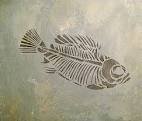
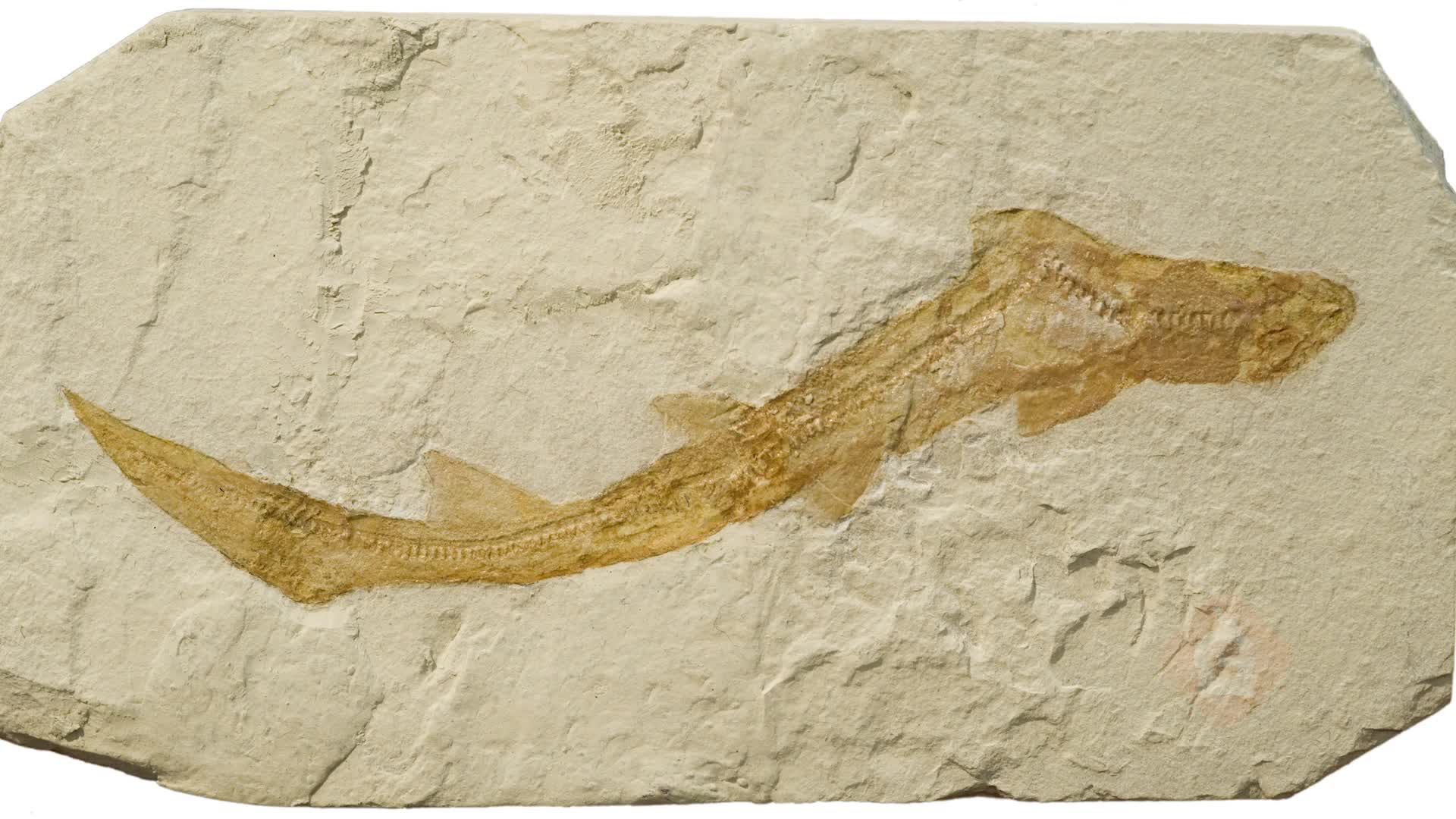
If scientists found this fossil, what could they infer?
what fish are like today
that this fish lacked oxygen
that water once covered the area where this fossil was found

What era will you find Jurassic period fossils?
Cenozoic
Mesozoic
Paleozoic

While examining a layer of rock, a scientist found a fossil of a trilobite like the one shown below. The scientist knows that trilobites only lived during the Paleozoic era. The scientist finds fossilized remains of other species in the same rock layer as the trilobite. What can the scientist conclude about these other fossils?
The organisms that formed them must have evolved from trilobites.
The organisms that formed them likely also lived during the Paleozoic era.
The organisms that formed them likely went extinct before the Paleozoic era.
The organisms that formed them are still living in modern times.
Which Era are we currently living in?
Precambrian
Cenozoic
Mesozoic
Cambrian