
 Worksheets
Unit 4 APES Review
Total questions: 67
Worksheet time: 34mins
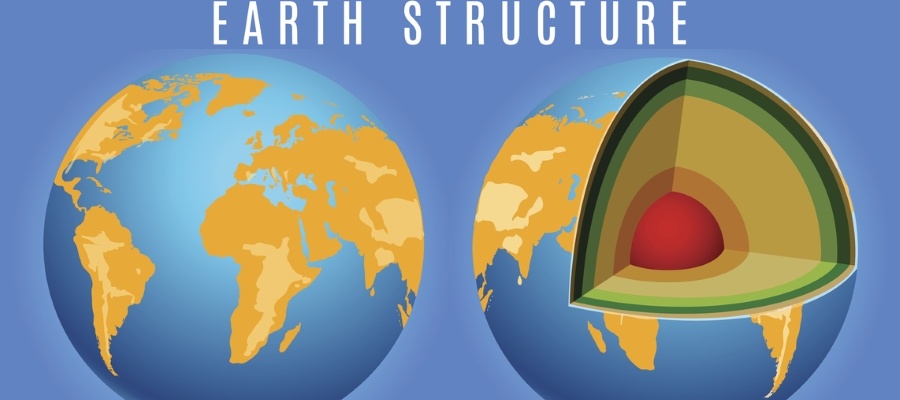
The surface of the earth, otherwise known as the ______, is broken into seven major pieces and sits atop a liquid layer called the _______
lithosphere, asthenosphere
asthenosphere, mantle
crust, lithosphere
asthenosphere, lithosphere

I. variation in the angle of sunlight that reaches Earth
II. variation in the amount of surface area over which the Sun's rays are distributed
III. variation in the amount of sunlight reflected from clouds


The process by which the ocean floor sinks beneath a deep-ocean trench and back into the mantle is known as _______
convection.
continental drift.
subduction.
conduction.

What is the correct order (starting from the surface) of Earth’s layers?
crust, outer core, inner core, mantle
mantle, outer core, inner core, crust
crust, mantle, outer core, inner core
outer core, inner core, crust, mantle
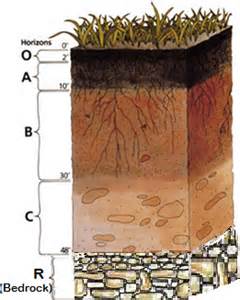
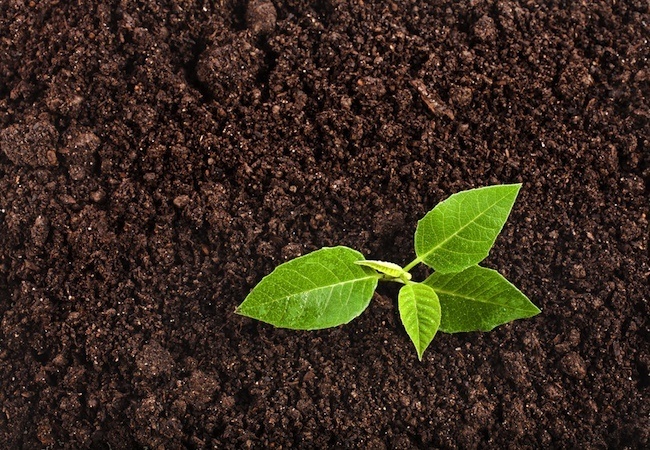


The rate at which water flows through the soil is called soil percolation or ______.
Groundwater
Permeability
Soil Pores
Porosity
The movement of the tectonic plates is caused by
the rotation of the Earth.
convection currents in the Asthenosphere
the gravity of the iron-nickel core.
the Moho discontinuity.
In some areas of the world, like California and Japan, earthquakes are a common occurrence. How can this best be explained?
The strong ocean currents are undermining both areas causing earthquakes.
Both areas are located near the edge of the Pacific Ocean, the unstable sand causes earthquakes.
Both areas are subjected to strong ocean wind and waves that causes earthquakes.
Both areas are on the boundary of active plates, the motion of the plates causes earthquakes.
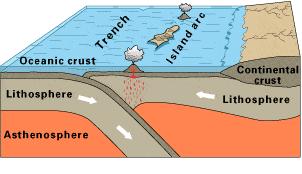
Observe this diagram of a plate boundary. One statement BEST describes what is happening. It is that
the oceanic crust is melting.
the denser oceanic crust is subducting under the less dense oceanic crust
volcanic islands are forming.
the tectonic plates are moving away from each other.
In which layer of the atmosphere does ozone help block UV radiation from striking the Earth?
troposphere
mesosphere
stratosphere
thermosphere
In which layer of the atmosphere do all the pressure, wind, and precipitation changes occur?
Outer space
stratosphere
troposphere
mesosphere

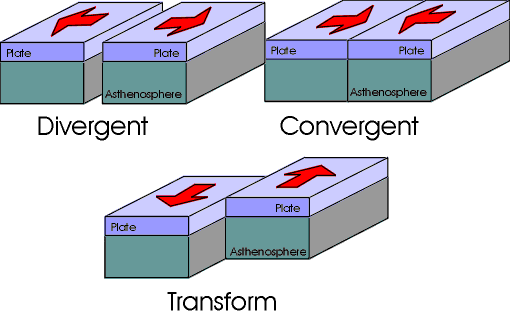
The type of plate boundary where two plates come together is a .....
Convergent Boundary
Divergent Boundary
Transform Boundary
Plate Boundary

What type of event will occur at this boundary?
Earthquake
Volcano Eruption
Tornado
Mountain Building
A divergent boundary occurs when plates ....
Pull apart
Come together
Slide past each other
subducting
The rate at which water flows through the soil is called soil percolation or ______.
Groundwater
Permeability
Soil Pores
Porosity
Which two factors allow earth to experience four distinct seasons?
latitude & solar intensity
tilt of axis & rotation of axis
tilt of axis & rotation around sun
distance from sun & place in orbit around sun

What type of plate boundary is shown here?
Convergent
Subduction
Divergent
Transform

What type of plate boundary is shown here?
Convergent
Subduction
Divergent
Transform
What type of plate boundary is most likely to cause the formation of a new oceanic crust?
Convergent
Subduction
Divergent
Transform
Which soil particle is largest in diameter?
Clay
Silt
Sand
Loam
In which layer of the atmosphere does weather take place?
Troposphere
Stratosphere
Mesosphere
Thermosphere
Exosphere
Which layer of the atmosphere contains the ozone layer?
Troposphere
Stratosphere
Mesosphere
Thermosphere
Exosphere
Mountains are created when....
Two continental plates collide
Two oceanic plates pull apart
An Oceanic plate subducts under a Continental Plate
Two continental plates pull apart
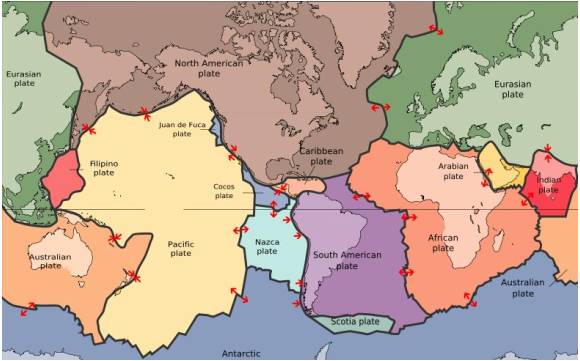
The map in the picture shows tectonic plate boundaries. This map would be useful in predicting the location of future
droughts
hurricanes
earthquakes
tornadoes
In which layer of the atmosphere does ozone help block UV radiation from striking the Earth?
troposphere
mesosphere
stratosphere
thermosphere
During a(n) ____ event, trade winds are much stronger than usual.
El Nino
La Nina
Normal
Partly sunny
Both El Nino and La Nina have this in common
Influence birds that migrate over the ocean
Influence rainy / dry weather world wide
The weather at the polar regions
The directions that ships travel in the oceans
During an El Nino, trade winds are typically...
about average
stronger
weaker
La Niña is characterized by ______________ of the Western Pacific Ocean.
a warming
a cooling
average temperatures

1. This side of the mountain is dry and desert like because of the rain shadow effect.
Leeward
Sideward
Windward
Land

On the leeward side of a mountain, you might find _____.
Heavy rainfall
Desert
More vegetation
More snow

What landform causes the rain shadow effect?
Mountains
Lakes
Plains
Valleys

This side of the mountain is where the wind originates and evaporation occurs
windward
leeward
rain shadow
prevailing winds
In which layer of the atmosphere does ozone help block UV radiation from striking the Earth?
troposphere
mesosphere
stratosphere
thermosphere
Which best explains global wind patterns?
gravitational pull of the moon
revolution of the Earth
distribution of vegetation across the surface
unequal heating of the Earth
Which of the following best characterizes the air that deposits at the surface of the Earth 30 degrees north and south of the equator by Hadley Cells?
cool, moist air deposits here, which is why taiga biomes are often found here
cool, dry air deposits here, which why tundra biomes are often found here
warm, moist air deposits here, which is why tropical rain forests are often found here
warm dry air deposits here, which is why desert biomes are often found here
This variable is the one thing that changed on purpose...
Dependent Variable
Control
Independent Variable
These are the variables that should stay the same. They do not get any changes in order to make for a fair test.
Dependent Variables
Controlled variables
Independent Variables
Soil deterioration as a consequence of human activity is typically considered which type of feedback loop?
This is a positive feedback loop because degraded soils often continue to show a decline in quantity & quality, further decreasing soil productivity
This is a positive feedback loop because once soils have been degraded, they tend to stabilize and return to the original status.
This is a negative feedback loop because damaged soils will continue to lose soil quality, which increases erosion probability.
This is a negative feedback loop because soils that have been damaged will stabilize and return to the original state.

Winds occur because hot air rises and cool air sinks in a process called...
conduction
convection
radiation
magnetism

The rotation of the Earth causes winds to bend due to the...
coriolis effect
doldrums
trade winds
westerlies

