
 Worksheets
Review life processes
Total questions: 44
Worksheet time: 26mins

Pseudoscorpions often hitch rides on the backs of large beetles or true bugs. What is the ecological relationship?
Mutualism
Commensalism
Parasitism
Competition


Lions and hyenas live in close proximity and eat the same types of foods. What is the ecological relationship?
Mutualism
Commensalism
Parasitism
Competition
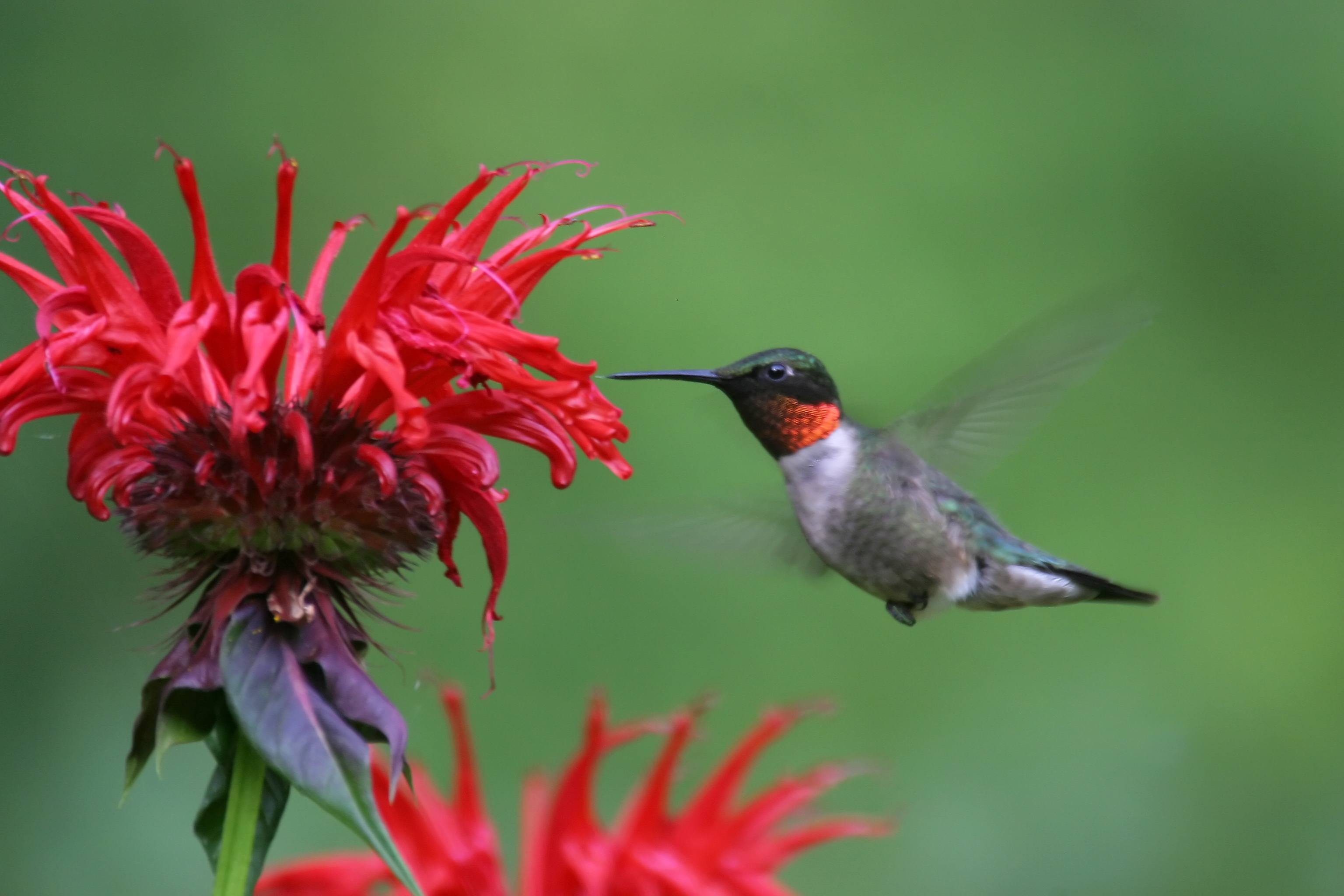

A bird builds a nest in a tree and the tree is neither helped nor harmed. What is this type of relationship?
commensalism
predation
mutualism
parasitism

Vines grow on a tree. The vines get light but the tree is not affected. What kind of relationship is this?
Competition
Mutualism
Commensalism
Parasitism

Plants on the bottom of the forest floor do not get as much sunlight when they grow near tall trees. What type of relationship is this?
Mutualism
Commensalism
Competition
Parasitism
the movement of carbon from the nonliving environment into living things and back.
Cellular Respiration
Carbon Cycle
Consumer
Climax Community
the process by which cells produce energy from carbohydrates.
Cellular Respiration
Carbon Cycle
Consumer
Climax Community
a gradual process of change and replacement in a community.
Climax Community
Evolution
Ecological Succession
Food Chain
a diagram that shows the feeding relationships between organisms in an ecosystem.
Phosphorous Cycle
Nitrogen Cycle
Food Chain
Food Web
a resources that formed much more slowly than it is used
sustainable
nonrenewable natural resources
renewable natural resources
fossil fuel

Ostriches and gazelles eat next to each other. They both watch for predators and alert each other to danger. They each can identify threats that the other animal would not see as easily. What type of relationship is this?
commensalism
predation
parasitism
mutualism
What does the following equation represent?
Sunlight +6H20 + 6CO2--> C6H1206 +6O2
Cellular respiration
Human respiration
Photosynthesis
Solar energy
C6H1206 +6O2--> 6H20 + 6CO2 + Energy (ATP)
This equation represents ___________________.
Human Respiration
Cellular Respiration
DNA Replication
Photosynthesis
The products of cellular respiration are:
Carbon Dioxide, Energy (ATP) and Water
Oxygen and Glucose
Water and Glucose
Oxygen and Water
Two processes that take place while an animal breathes are ___________________ and __________________.
Inhalation (Inhale) and Exhalation (Exhale)
Intermediate Reaction and Beginning reaction
Light Reactions and the Calvin Cycle
The Krebs Cycle and Glycolysis
The reactants in photosynthesis are ____________
Sunlight, Water, and Carbon Dioxide
Glucose and Water
Carbon Dioxide and Water
Oxygen and Glucose

Which moth will survive longer?
The white one
The black one
The gas given off by plants is ________________.
carbon dioxide
ATP
oxygen
vaporized water
Which two body systems function in coordination to deliver oxygen to our cells?
Respiratory system and Circulatory system
Circulatory system and Immune system
Digestive system and Nervous system
Muscular system and Skeletal system
Which of the following statements is true
The products of photosynthesis are the reactants of cellular respiration.
The products of photosynthesis are not necessary for respiration to occur.
The reactants of photosynthesis are also the reactants of cellular respiration.
The products of photosynthesis are also the products of cellular respiration.
In the fall, deciduous trees no longer produce ____________.
Chromosomes
Mitocondria
Chlorophyll
Endoplasmic Reticulum
A group of ecosystems that share similar climates is called _______________.
cell
biome
organ
community
One individual living being is called a __________________
organism
population
cell
tissue
The smallest unit of life is the _________.
tissue
organ
biome
cell
The entire planet is a ______________.
biosphere
community
organ system
ecosystem
One part of a body, for example the heart, is an example of a(n) ________________________
organ
tissue
cell
population
Biotic and abiotic factors in an area are referred to as a(n) ___________________.
biome
ecosystem
community
biosphere
Many cells working together for a combined function is a ________________.
organ
tissue
organism
organ system
All the living organisms in an area is a ______________.
community
biosphere
ecosystem
biome
An ______________________ refers to multiple organs working together.
Bioms
Ecosystem
Organ System
Community
Organisms of the same species that can breed is a ____________
community
biome
population
biosphere

