
NEW
Font size
 Worksheets
Ecosystem Review
Total questions: 26
Worksheet time: 34mins

Termites are tiny insects that can cause severe damage to homes and other structures that consist of wood. Termites are an example of what type of factor.
Biotic
Abiotic

The Sun is the source of all energy within an ecosystem. Plants depend on light from the sun in order to perform the process of photosynthesis. Sunlight is an example of what type of factor?
Biotic
Abiotic

Water is a compound that consists of 2 hydrogen atoms and 1 oxygen atom. Up to 60% of an adult human is made up of water. Water is an example of what type of factor?
Biotic
Abiotic

Air is a mixture of colorless gases. The air that makes up the Earth's atmosphere consists primarily of nitrogen and oxygen. Air is an example of which type of factor?
Biotic
Abiotic

An arctic blast pushed its way through several of the Northern state in the United State. The temperatures dropped below freezing for several days. Temperature is an example of which type of factor?
Biotic
Abiotic

An angler fish has a fleshy growth on its head that gives off light. This part acts as a lure to help the angler fish catch its prey. An anglerfish is an example of which type of factor?
Biotic
Abiotic

All living things or organisms in an ecosystem are
None
biotic factors
abiotic factors

Is a tree considered abiotic or biotic?
Biotic
Abiotic
Neither

Is a rock considered abiotic or biotic?
Abiotic
biotic
neither
What is the difference between the biotic and abiotic factors?
Biotic factors are living things and abiotic factors are nonliving things.
Biotic factors are nonliving things and abiotic factors are living things.
Factors that limit the growth of a population are called?
Carrying Capacity
Limiting Factors
____________ is a limiting factor to the monarch butterflies because it is their only source of food.
Water
Milkweed
Sunflowers
Sacred Fir Trees
When all the resources needed are available the population number...
Increases
Decreases
Stays the same
Carrying capacity is...
The lowest number of organisms in an ecosystem.
The total number of organisms in an ecosystem.
The maximum number of organisms an ecosystem and its resources can support.
The number of living organisms in an ecosystem.
When resources are not available a population will _____________ in size.
Increase
Decrease
Stay the same
The amount of water available limit the growth of a population?
True
False
Unsure

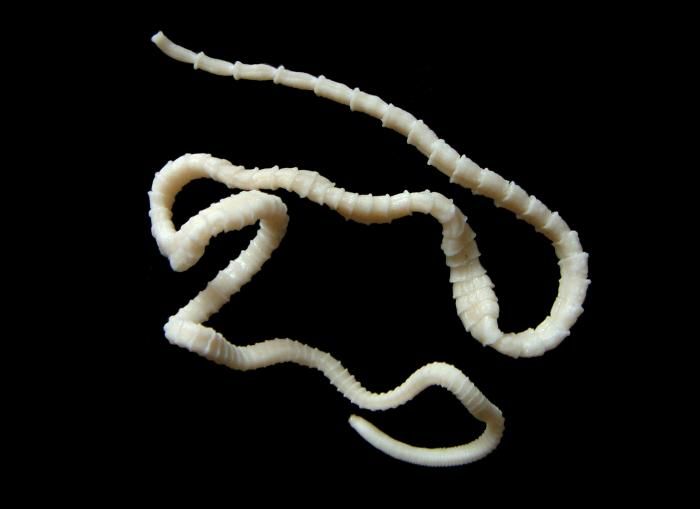
A tapeworm lives in the intestine of a cat absorbing nutrients through its skin. A tapeworm and a cat have this type of relationship.
mutualism
parasitism
commensalism
competition




