
 Worksheets
1499EDN Week 6 Humanist Views of Learning
Total questions: 14
Worksheet time: 7mins

The main influences humanism has had on contemporary pedagogy include:
regulation of emotions, positive mental health & developing social skills
student-directed learning goals & whole-child consideration
pro-social skills, individual accountability ‘free to learn’
explicit teaching, group collaboration & interdependence

Humanist teaching strategies incl. ‘learning by doing’, developing self-awareness, cooperative & child-centred education
True
False

Two key theorists who contributed to humanist ideas in psychology and education in the 20th Century were:
Rogers and Piaget
Maslow and Freud
Maslow and Rogers
Gardner and Rogers

Maslow’s basic needs and growth needs come in a series of 5 ascending levels. These include all of these choices except:
food, shelter, clothes
competition and academic success
safety, protection and security
self-esteem
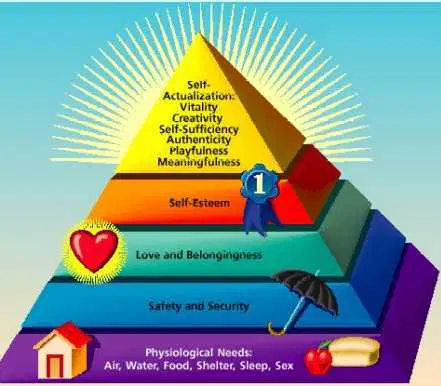
Self-actualisation may be defined as:
achieving one’s ‘being’ needs
a clear knowledge of one’s own self
achieving one’s full potential
achieving beyond the average person
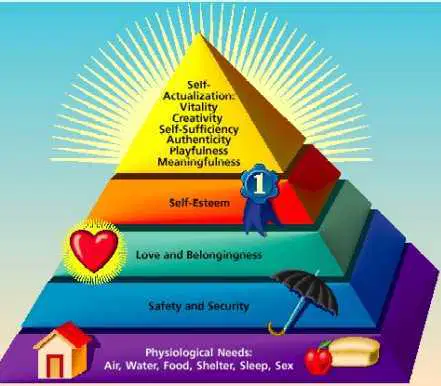
According to Maslow, only ten per cent of adults truly reach the level of self-actualisation.
True
False

According to Rogers, teachers should:
carefully manage children’s learning
explain concepts in full through explicit teaching
ensure children follow the prescribed curriculum
assist students to explore their intrinsic interests

A particular strength of Rogers’ work is teachers having a positive view of children.
True
False

Progressive education employs all of the following strategies EXCEPT:
individual instruction
mixed ability groups
working together in small groups
emphasis on academic grades

Two critical features of cooperative learning include:
task structure and contingent rewards
conflict management and decision making
identical tasks and individual products
social cohesion and group commitment
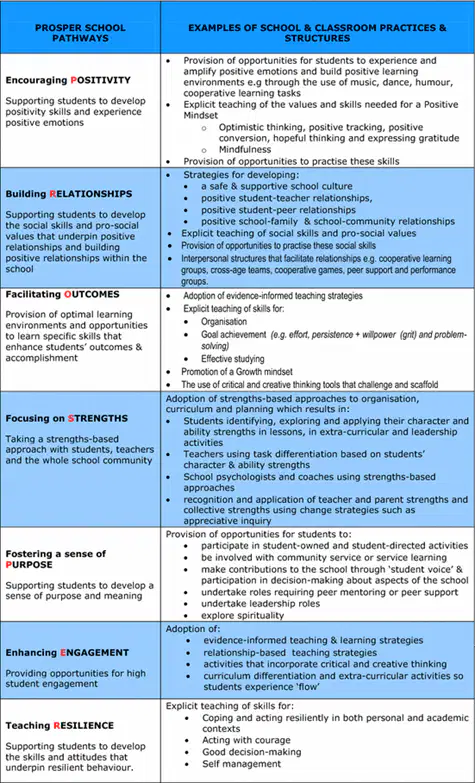
Noble & McGrath (2008): schools can become places that promote wellbeing by incl. all of the following strategies EXCEPT
positive emotions and positive relationships
social and emotional competency
reflective journaling
engagement through strengths and a sense of meaning and purpose

Mindfulness interventions have been found to influence:
attention, resilience and stress
academic progress
collaborative practice in group work
the ability to work faster

Within a cooperative learning framework, jigsaw strategy refers to group members discussing ideas:
True
False

Active listening is sometimes called ‘reflective listening’.
True
False

