
 Worksheets
Ecology Pt. 3
Total questions: 45
Worksheet time: 1hrs 26mins
Gradual, natural change in an ecosystem over time:
Succession
Movement
Evolution
Change
After a volcano destroys the land, ________________ succession takes place.
Secondary
Primary
Tertiary
Important
The first species to live in a land, after destruction, are:
Oregon Trail species
Primary consumers
Pioneer species
A pattern of change after existing ecosystem is destroyed, such as clearing for farming.
Evolution
Secondary Succession
Primary Succession
Primary succession takes ____________ time than secondary succession.
More
Less
Same
After an area was cleared for farmland 100 years ago, it has completely regrown large trees. This is an example of:
Evolution
Ecology
Primary Succession
Secondary Succession
What type of organism would typically grow on bare rock?
Moss and lichen
Grass
Oak trees
Shrubs
Would an oak tree be one of the first or last species to grow?
First
Last
What animals would be first to enter a new ecosystem?
Insects
Bears
Foxes
Elk
A large power plant burns coal to generate electricity for nearby homes and businesses.
This contributes most directly to which long-term human-induced environmental change?
wildlife hazard
global warming
eutrophication
habitat destruction
Which of the following are examples of short-term, human-induced environmental changes? Select three answer choices.
global warming
pollution
deforestation
mass extinction
ozone layer destruction
Which statements describe global warming? Select two answer choices.
Global warming occurs naturally.
Global warming is likely increased by humans.
Global warming can be decreased through deforestation.
Global warming results from the buildup of nutrients in runoff.
Global warming is enhanced by nonnative species.
Which situation is an example of a human-induced environmental change affecting a population?
Blue jays no longer live in a forest because the trees in the forest were cut down.
A volcanic eruption killed grasses that were growing within a few miles of the volcano.
Floods from a storm forced many white-tailed deer to move to a new habitat.
A fisher caught a few different species of fish that live in an ocean habitat.

Deforestation causes an increase in atmospheric carbon dioxide
true
false
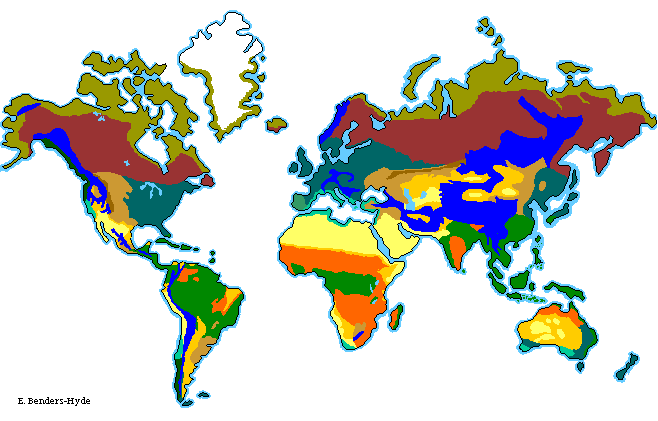
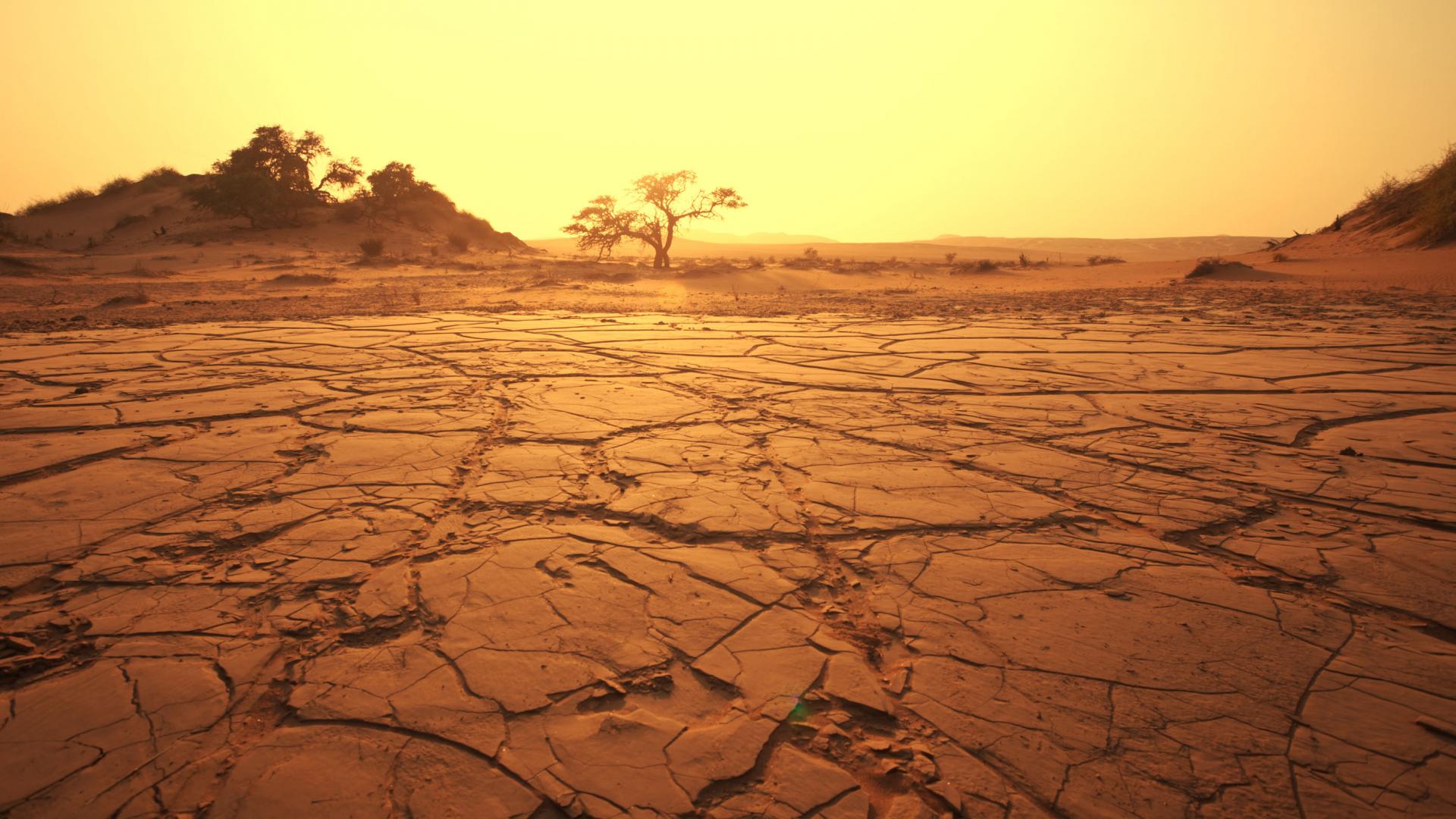
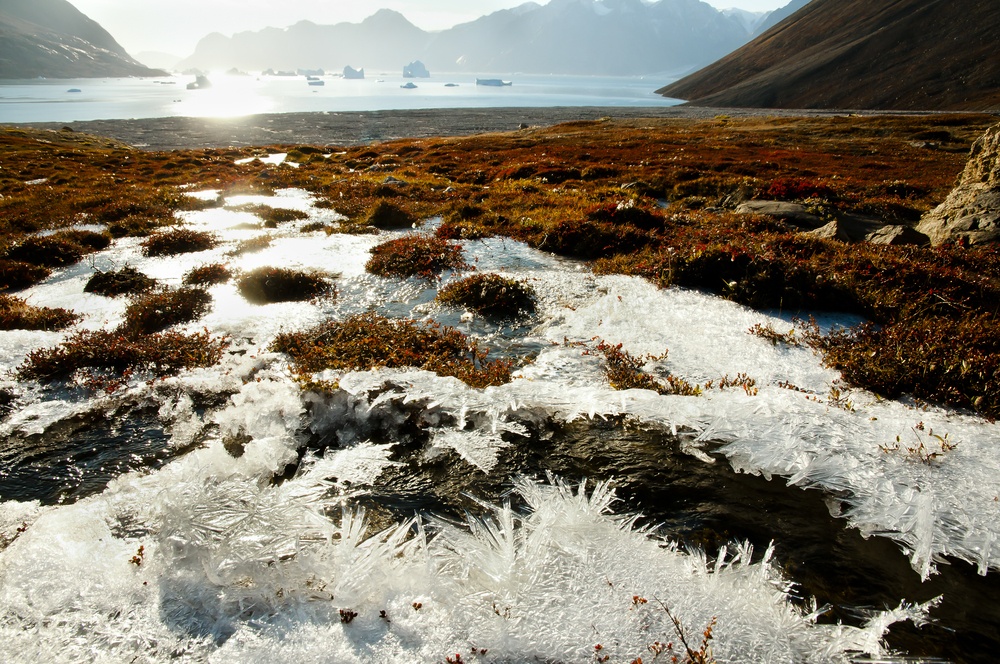
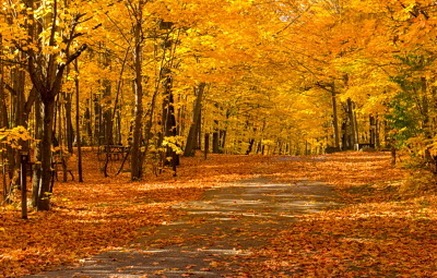
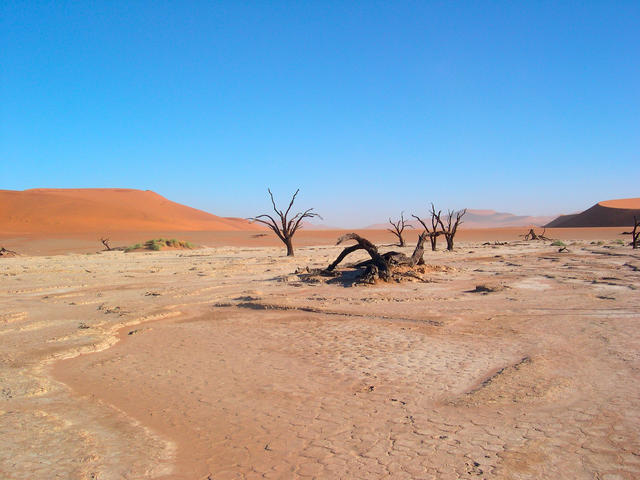
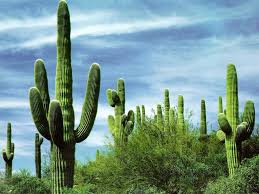
Which major biome's lack of precipitation limits plant grow and is home to cacti, mesquite, white thorn, pack rats, small reptiles, birds, antelope, lizards, fox, snakes, bob cats and coyotes?
desert
taiga
tundra
grassland
grasses and scattered trees adapted to a tropical wet and dry climate
taiga
tundra
temperate deciduous forest
tropical grasslands
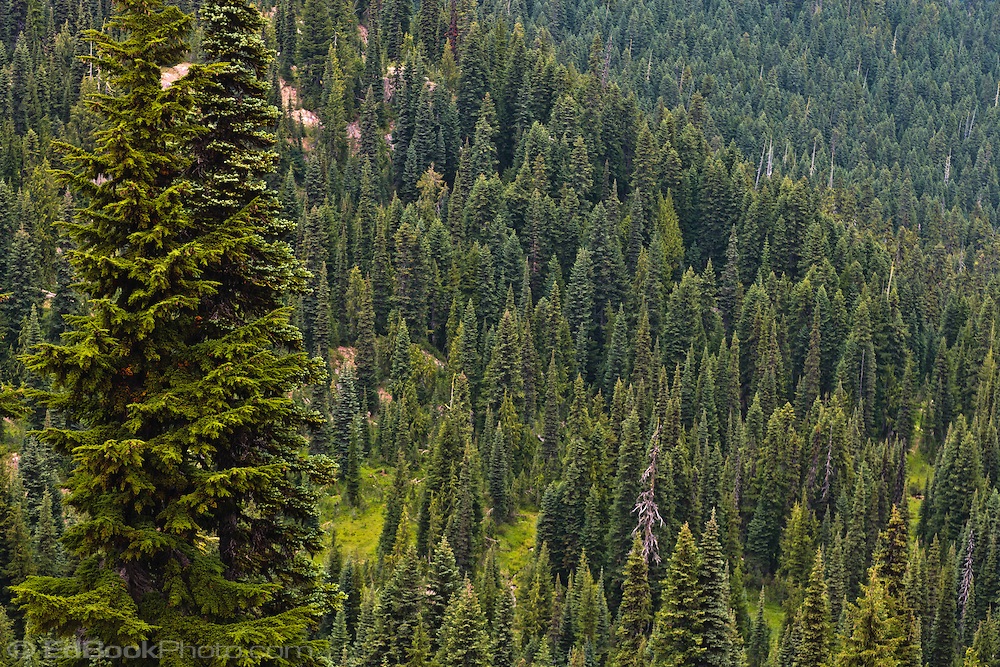
This biome is just south of the tundra. It contains mostly spruce trees and Douglas firs, which are both evergreen. The winters are long and cold and the summers are short and rainy. The soil is very rich. Moose and elk live here.
boreal forest or taiga
chaparral
temperate deciduous forest
temperate rainforest

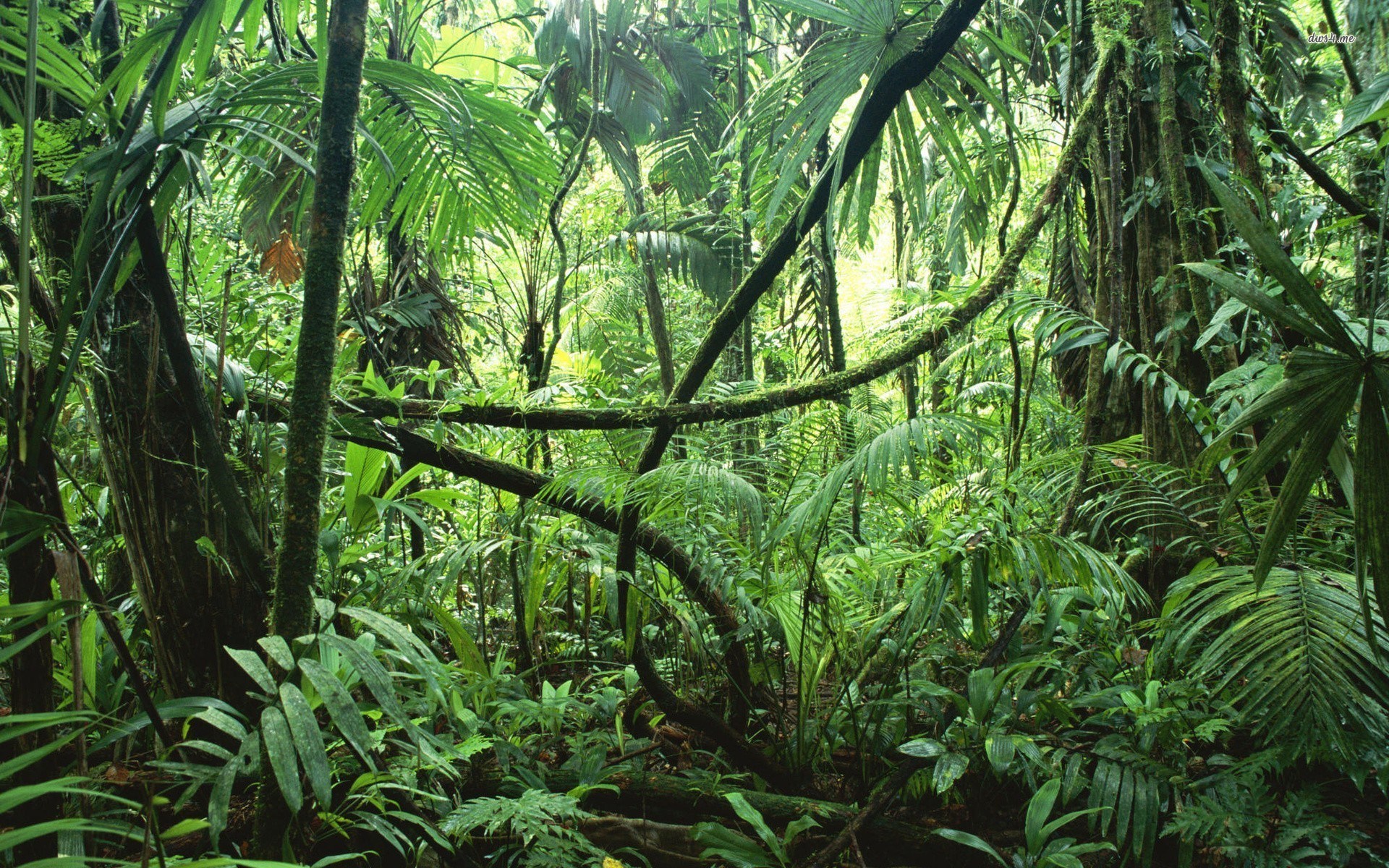
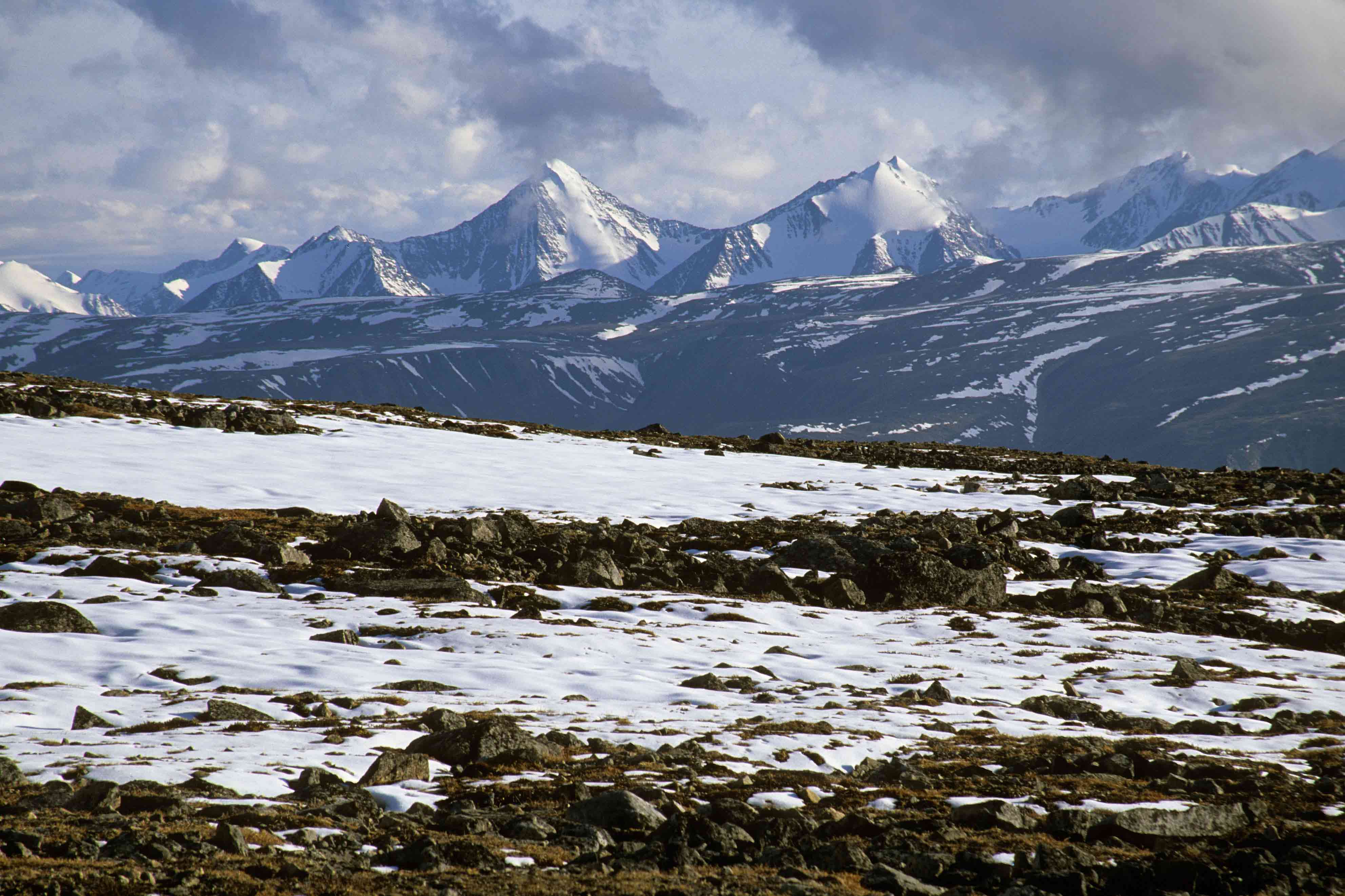

This biome contains American black bear, raccoon, porcupine, frog, and white tailed deer
temperate deciduous forest
chaparral
taiga
desert
This biome has hot summers, cold winters, diverse grasses, trees, and shrubs, and is common in central US.
savanna
temperate grassland
temperate forest
tundra
Which biome consists of warm weather year-round, a dry season and a rainy season, and diverse trees, shrubs, and grasses?
tropical rainforest
temperate grassland
savanna
desert

The kind of wetland formed where saltwater and fresh water meet is called
brujeria
estuary
swamp
marsh

_________ is the amount of salt dissolved in water.
Temperature
Salinity
Nutrients
Pressure


Wetland dominated by small trees and woody shrubs
benthic zone
glade
marsh
swamp

An ecosystem where water covers the soil or water is near the surface of the soil is called
a desert
an ocean
an estuary
a wetland

Adaptations in the deep ocean might include
the ability for plants to excrete salt water
the ability to hold on to rocks against strong current
strong swimming abilities
glowing bacteria to signal in the dark
Adaptations in the river biome might include the ability to ___________
ability to produce energy from sulfur
excrete salt water
resist a strong current
conserve oxygen by not moving

What aquatic biome is characterized by flowing fresh water?
Lakes/Ponds
Mangroves Swamps
Rivers/Streams
Coral Reefs

