
Font size
 Worksheets
Plant Test
Total questions: 96
Worksheet time: 1hrs 3mins
What do plants use to absorb water from the ground? (a)
The substance which gives green colour to leaves is ________
chlorophyll
sunlight
stomata
water
Part of the plant which carries and protect the seeds _______
flower
fruit
stem
root
This is the part of the plant which has baby plant inside it.
seed
leaf
root
stem
TRUE or FALSE. Roots help a plant take in water and nutrients from the soil.
TRUE
FALSE
Examples: carrots, dandelions, cacti
What is the male part of the flower?
Stem
Pistil
Stamen
Leaf
Why are flowers brightly colored?
To attract bugs
To make bugs go away
To attract sunlight
To make people want to smell them
What part of a flower holds a flower up?
Leafs
Petals
Anthers
Stems
Where is pollen made in a flower?
Stem
Petals
Anther
Pistil
What part of the flower has eggs which turn into seeds?
Stamen
Anther
Stem
Ovules
What is the colorful part of the flower?
Petals
Leaves
Stamen
Pistil
What do certain bugs and animals move from one flower to another?
Leaves
Pollen
Grass
Nothing
What is pollination used for?
To make the world yellow and cause allergies
To make new, baby flowers
To cause animals to want to eat flowers
To protect flowers
What insect pollinates the most?
Ladybugs
Beatles
Honey Bees
Ants
What part of the flower does the pollen stick to?
The style
The petals
The anther
The stigma
What are animals that pollinate called?
Animals
Insects
Pollinators
Pollies
What part of the plant sucks up water and nutrients?
Stem
Leaf
Petal
Roots

What 3 things that are true about roots
Absorption of water and nutrients from the soil.
anchores the plant
stores food
Perform photosynthesis

What 3 things are true about the stem
Carries nutrients and water
Preforms photosynthesis
connects the roots to the leaves
stores food
Plants make food through photosynthesis
True
False

What is this?
root
leaf
flower
stem

Roots are (below/above) the flower
below
above

The bulb is (below/above) the stalk
above
below

What gas goes into the plant before photosynthesis?
Carbon Dioxide
Carbon Monoxide
Oxygen

What three things are needed for a plant to do photosynthesis?
Glucose, Oxygen, Sunlight
carbon dioxide, Water, Sunlight
Oxygen, Water, Sunlight
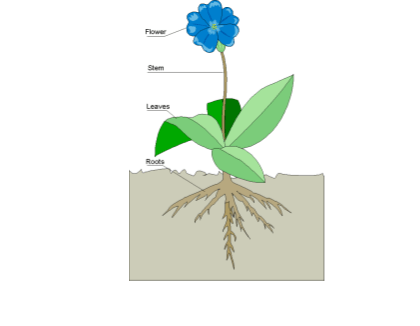
Which plant part absorbs water and nutrients?
Leaf
Stem
Roots

What is the name of the green pigment inside plants?
Monophyll
Chlorophyll
Glorophyll

The important gases, carbon dioxide and oxygen, enter and leave the leaf through the
roots
leaf
stomata

What does a plant release into the air?
Plants release sugar into the air.
Plants release bacon into the air.
Plants release oxygen into the air.

Where does a plant get water from?
Water is collected from the ocean.
Water is taken up from the soil.
Water is bought from Costco.

What part of the plant allows carbon dioxide in for photosynthesis?
roots
leaf
stomata

Most photosynthesis takes place in what part of the plant?
flower
leaf
stem

The main source of energy for all life comes from ____.
the Earth
the moon
the sun

Which statement about photosynthesis is correct?
Plants get the energy they need for photosynthesis from water.
Plants get the energy they need for photosynthesis from soil.
Plants get the energy they need for photosynthesis from sunlight.

Plants need ________ for photosynthesis
oxygen
soil
carbon dioxide

Stomata are....
the energy plants use.
what is produced by photosynthesis.
pores on the leaves of the plant.

How do plants release oxygen?
Through the stomata on the leaves.
Through their roots.
Through the stem of the plant.
Examples: carrots, dandelions, cacti
Part of the plant that has chlorophyll
Roots
Flowers
Petals
Leaves
Green substance that turn the leaves green
Chlorophyll
Roots
Green Paint
Spore
Which type of plant produces a flower?
angiosperm
gymnosperm
both
The four features seed plants have in common are roots, stems, leaves, and
angiosperm
xylem
fronds
vascular tissue
Angiosperms produce from
rhizoids
cones
fruit and flowers
Gymnosperms reproduce with
cones
fruit
flowers
An oak tree is an example of a (an)
angiosperm
gymnosperm
Both angiosperms and gymnosperms have leaves, stems, and seeds
true
false
All plants are classified based on ...
Whether they have vascular tissue or not
Whether they have flowers or not
Whether they have cuticle or not
Whether they do photosynthesis or not
Select ALL that are correct about nonvascular plants.
Transport materials through a system of tubes
Live in shady and moist environments
Low growing
Have a slow method of transporting materials
Supported by rigid cell walls

This is a ...
Nonvascular plant
Vascular plant

This is a(n) ...
Angiosperm
Gymnosperm

This is a(n) ...
Angiosperm
Gymnosperm
Select ALL that are correct about vascular plants.
Transport materials through a system of tubes
Can survive in a variety of environments (including dry ones)
Low growing
Have a slow method of transporting materials
Supported by rigid cell walls and vascular tissue
"Evergreen plants" is a common name for ...
Nonvascular plants
Seedless vascular plants
Gymnosperms
Angiosperms
Name the parts of a vascular plant?
Roots
Stems
Leaves
Thallus
An example of an angiosperm is?
Pine Tree
Fern
Moss
Flower
Name the types of vascular plants.
Angiosperms
Gymnosperms
seedless
mosses
If you found a pinecone, it would be from a ?
angiosperm
gymnosperm
monocot
dicot


What do the vascular tissues in a plant do?
Attract pollinators
Capture sunlight to make food
Transport food & water
Open to let extra water out
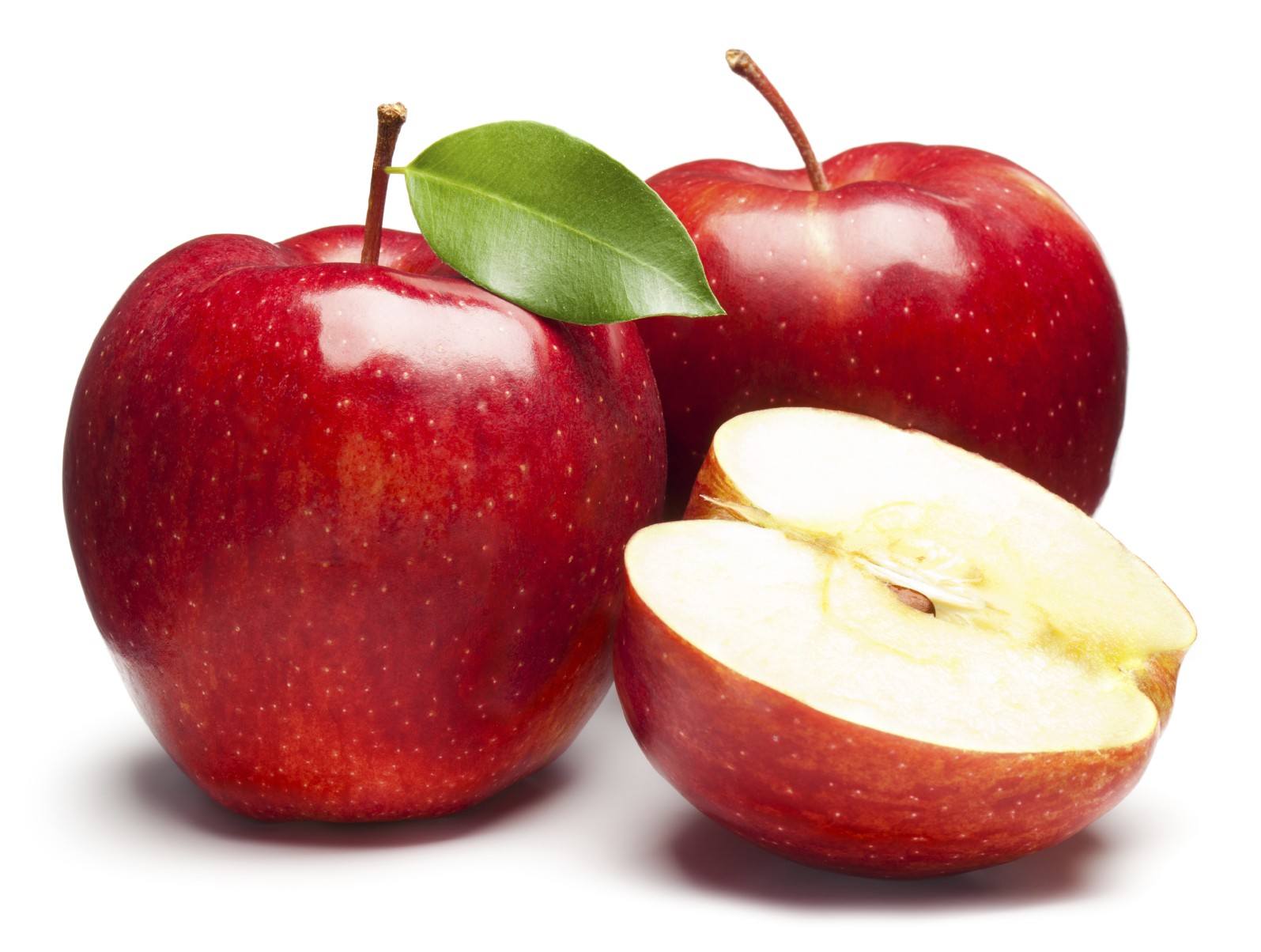
Which of these is a gymnosperm?
tulip
daffodil
apple tree
pine tree
Plants that have tube-like structures that transport water from the roots to the stems and leaves.
vascular plants
non vascular plants
rhizoids
ferns
Plants that do not have tubelike structures to transport water.
vascular plants
aerial plants
non vascular plants
fronds
Select all that are products of Photosynthesis.
Water
Carbon Dioxide
Oxygen
Sunlight (Light Energy)
Glucose (Sugar/food)
What three things do plants need?
Water, air, and sunlight.
Water, soil, and sunlight.
Water, soil, and air.
Love, family, and Cheetos.
Exit: Carbon dioxide
Exit: Glucose
Exit: Oxygen
Exit: Water vapor
How does most of the water needed by the plant get into its leaves?
It enters through the stomata
The roots absorb it and then it travels up the stem
It's made during a chemical reaction in the leaf
The flowers capture water and deliver it to the leaves
Which of the following is the correct equation for PHOTOSYNTHESIS?
light + carbon dioxide + water --> glucose + oxygen
carbon dioxide + sugar + water --> oxygen + light
oxygen + light + water --> carbon dioxide + sugar
carbon dioxide + oxygen + water --> Light+ Sugar
What is the science word for turning sunlight into food?
Photosynthesis
Cellular Respiration
Decomposition
The gas that plants breathe in is called ____.
Carbon Dioxide
Oxygen
Nitrous Oxide
The sugar plants produce is called ____.
Glucose
Fructose
Lactose
The gas that plants breathe out is called ____.
Carbon Dioxide
Oxygen
Nitrous Oxide
What do plants make by using air, water, and energy from the Sun?
food
heat
soil
wind
What process describes how plants use air, water, and energy from the Sun to make their own food?
condensation
evaporation
photosynthesis
weathering
What two things are the product (end result) of photosynthesis?
chloroplast
glucose
oxygen
carbon dioxide
Where do the leaves and stems of plants get their green color from?
glucose
oxygen
carbon dioxide
chlorophyll

