
NEW
Font size
 Worksheets
PHYSICAL SCIENCE SUMMATIVE TEST
Total questions: 40
Worksheet time: 13mins

Where do hydrogen and helium fuse in a main sequence star?
core
crust
inner core
mantle

In the triple-alpha process, stars fuse together three alpha helium particles, creating a new element. Which of the following element is formed?
Argon
Chlorine
Carbon
Oxygen

When a star has used up all the hydrogen in its core, hydrogen will be converted into helium in the layer immediately surrounding the core. What stage of star formation is this?
Protostar
Red giant
Supernova
White dwarf
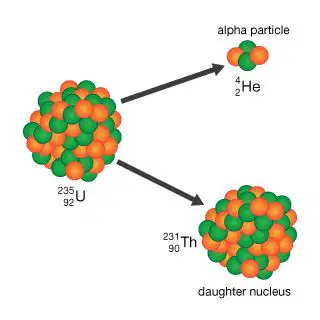
What type of nuclear reaction emits a particle with two protons and two neutrons?
Alpha emission
Beta emission
Gamma emission
Fusion
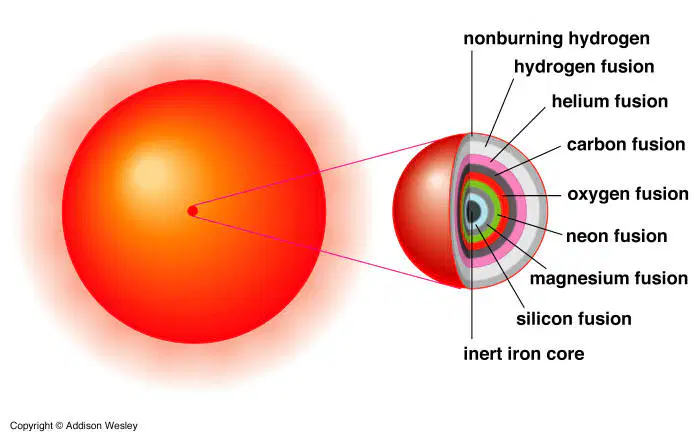
When the fragments of clouds contract, a stellar core known as _________ is formed.
protostar
red giant
supernova
white dwarf
Which of the following will be the solvent if a nonpolar substance dissolves in an unknown liquid?
ionic
non-polar
polar
water

Which of the following is an example of a non-polar molecule?
H₂O
N2
ClBr3
SO₂
Which of the following is a common structure of a non-polar molecule?
bent
trigonal pyramidal
linear
trigonal planar
Which of the following is an example of a polar molecule?
HCl
BF3
CCl4
XeF4
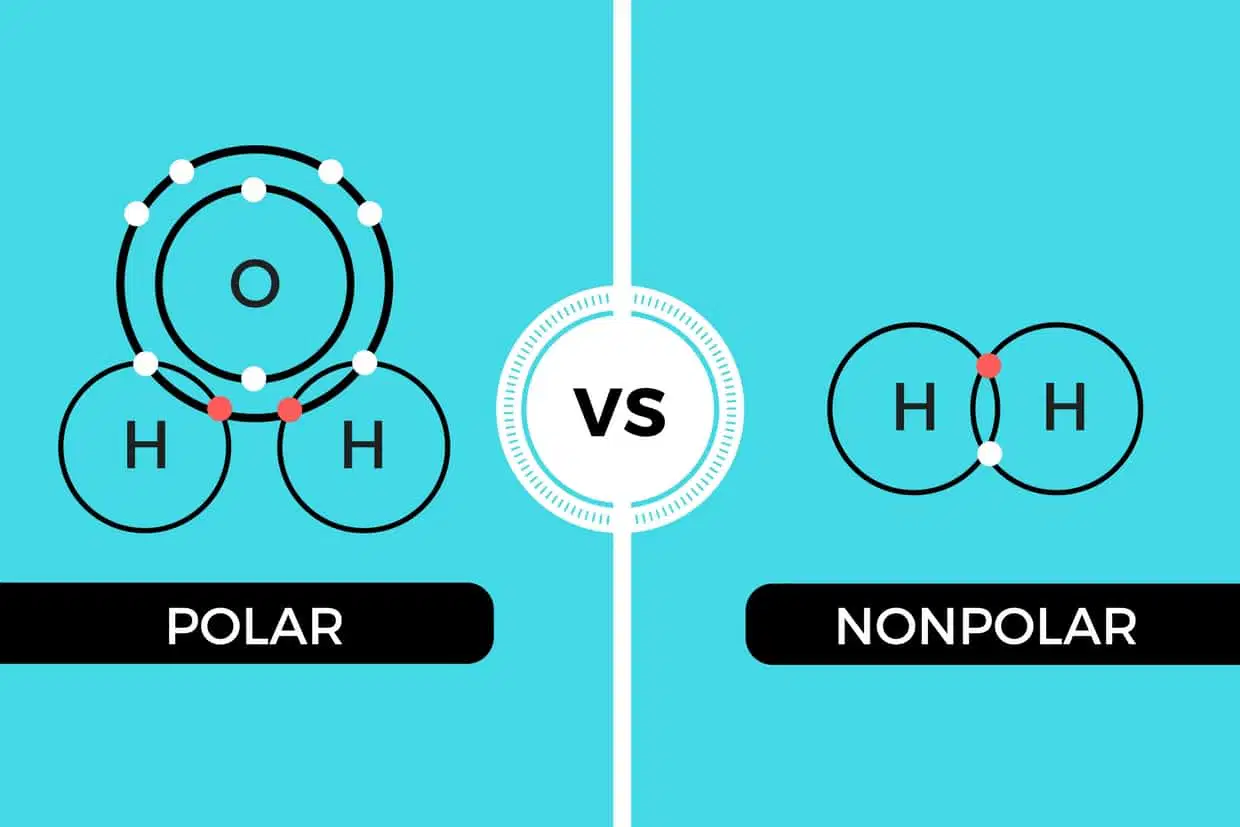
Which of the following is TRUE about the boiling point of polar molecules?
Generally high boiling point
Generally low boiling point
Boiling point cannot be determined
Similar non-polar molecules
Which of the following is the intermolecular force that is present in all types of neighboring molecules?
ionic bond
hydrogen bond
dipole-dipole force
london dispersion force
Which is properly ordered from the weakest to strongest intermolecular attractions?
London dispersion forces, dipole-dipole, hydrogen bond
dipole-dipole, hydrogen bond, London dispersion forces
dipole-dipole, London dispersion forces, hydrogen bond
London dispersion forces, hydrogen bond, dipole-dipole
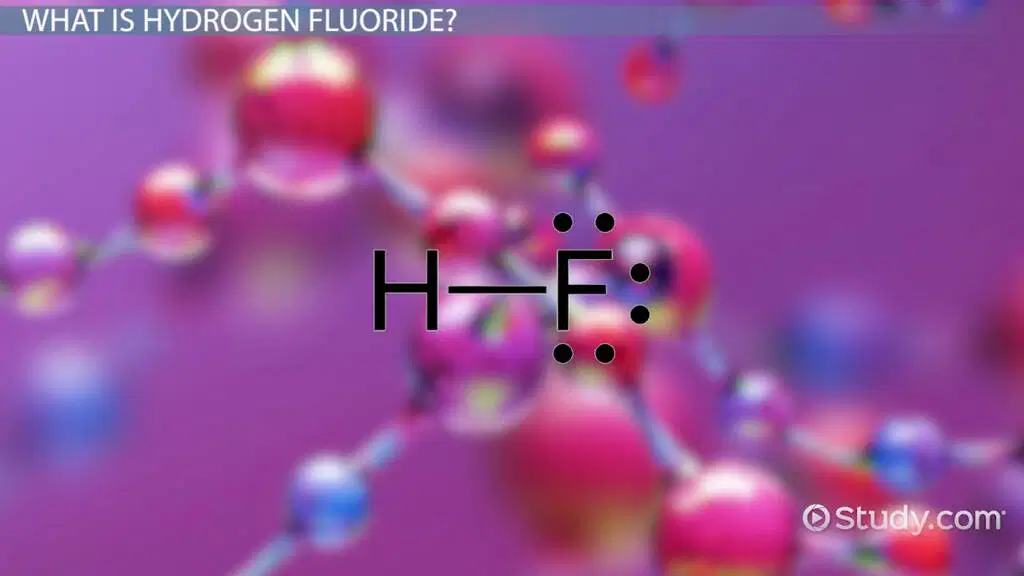
Which type of intermolecular force of attraction is the strongest in the molecule HF?
ionic bond
London dispersion
dipole-dipole
hydrogen bond
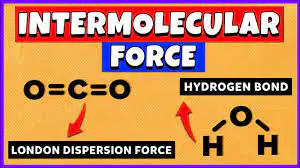
Which one of the following properties decreases once the strength of its intermolecular forces increases?
viscosity
melting point
evaporation rate
boiling point

Which of the following trends is correct about substances with stronger intermolecular forces of attraction?
lower melting points and higher boiling points
higher melting and higher boiling points
lower melting and boiling points
higher melting points and lower boiling points

Which biomolecule is our first source of energy?
nucleic acids
lipids
proteins
carbohydrates

The following samples are simple carbohydrates except for _________.
cellulose
fructose
glucose
sucrose
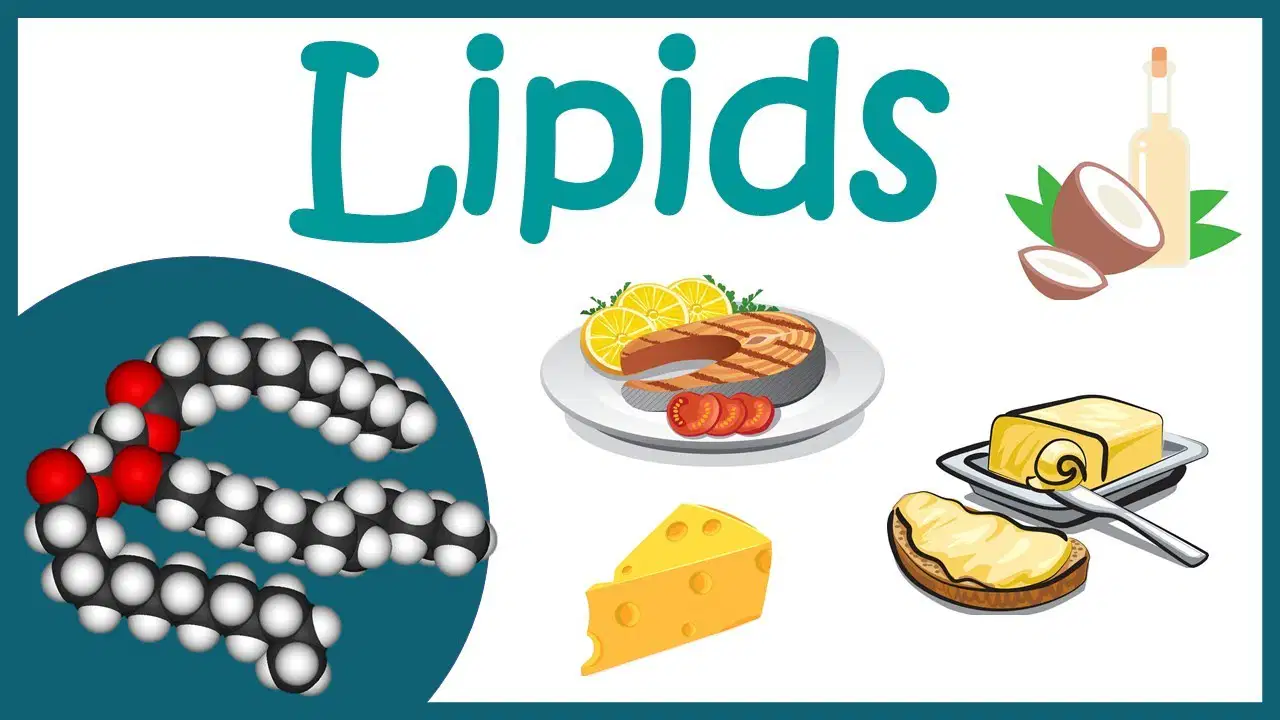
Which statement below best describes a lipid?
It is insoluble in water.
It is always in gaseous form.
Its general structure is only made up of carbon and hydrogen.
It can form ionic compounds due to its ability to become ionic.
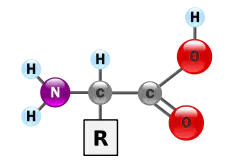
Refer to the image. What group is attached to the left side of the central carbon?
hydrogen group
amino group
acid group
functional group
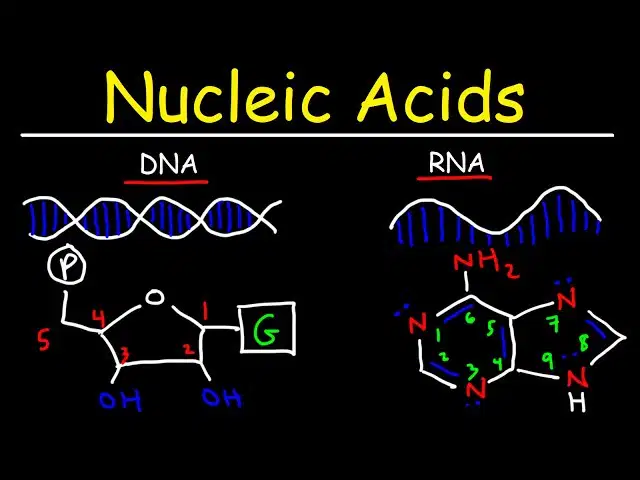
What is primarily the function of nucleic acid?
As storage of energy of the body
As an energy source of the body
For storage and expression of genetic information
As structural molecules of most living organisms
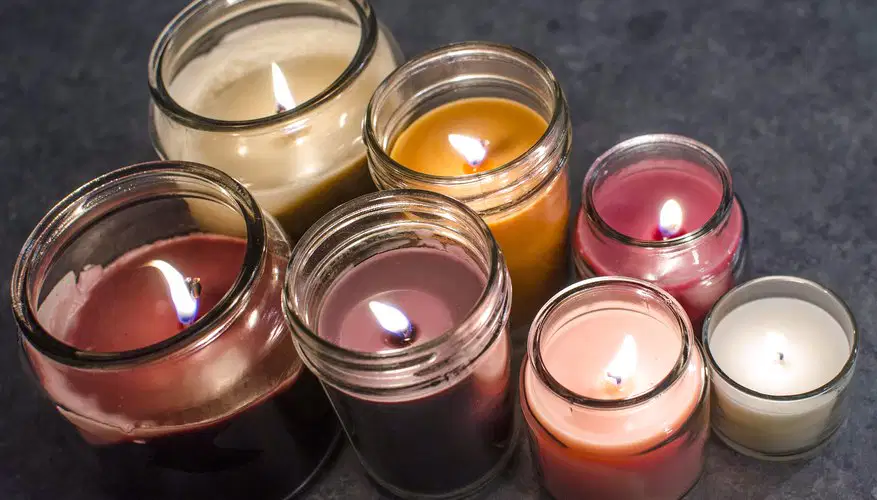
Why does a candle burn more rapidly when placed in an open jar than in a closed jar? What accounts for this reaction?
Higher oxygen concentration
Greater surface area of the jar
Increasing the surrounding temperature
Length of the candle

Activation energy is the amount of energy required to _________.
Break the bonds between the reacting molecules
Make the reacting particles collide
Form the bonds between the product molecules
Convert the reactant to a single product

Suppose you dissolve Zinc (Zn) in Hydrochloric acid (HCl) and add more acid than usual. Then drop pieces of Zinc. What factor does NOT affect the rate of the reaction?
Surface area of Zinc
Concentration of the reactant
Temperature of the solution
Amount of hydrochloric acid
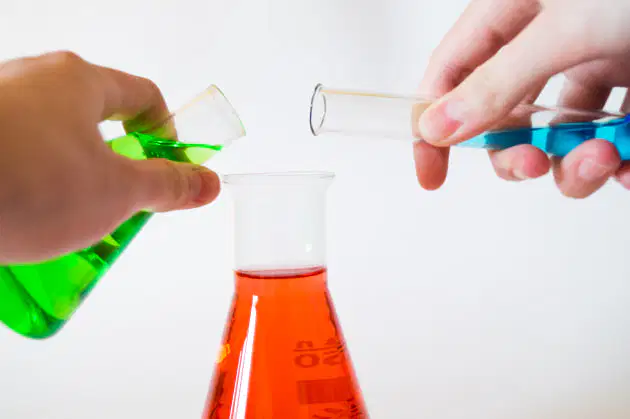
What conditions must be met in order for a chemical reaction to occur?
Collision with proper orientation
Sufficient activation energy
Adding more reactant particles
Both collision with proper orientation and sufficient energy

Which of the following would NOT increase the rate of reaction?
Increasing the temperature
Adding catalyst
Increasing the volume
Increasing the concentrations
Stoichiometry is defined as the quantitative study of _________in a chemical reaction.
elements and compounds
moles and mass
matter and energy
reactants and products
What are the correct coefficients to balance the equation below?
KClO3 → KCl + O2
2-2-3
2-3-2
1-2-3
3-2-2

What is the first step in solving stoichiometric problems?
convert mass of the given substance to mole
determines the mole ratio of the involved substance
convert the moles of the wanted substance to the desired unit
balance the chemical equation
It is an SI (international system of units) which measures the number of particles in a specific substance.
kg
mole
cm
m/s
It is a reactant that is completely used up or reacted.
catalyst
excess reactant
limiting reactant
product

Which of the following natural resources are usually used by powering homes, especially in remote areas?
biogas
biomass
fossil fuel
wind energy
Which of the following is not an example of a fossil fuel?
coal
dry cell
oil
petroleum
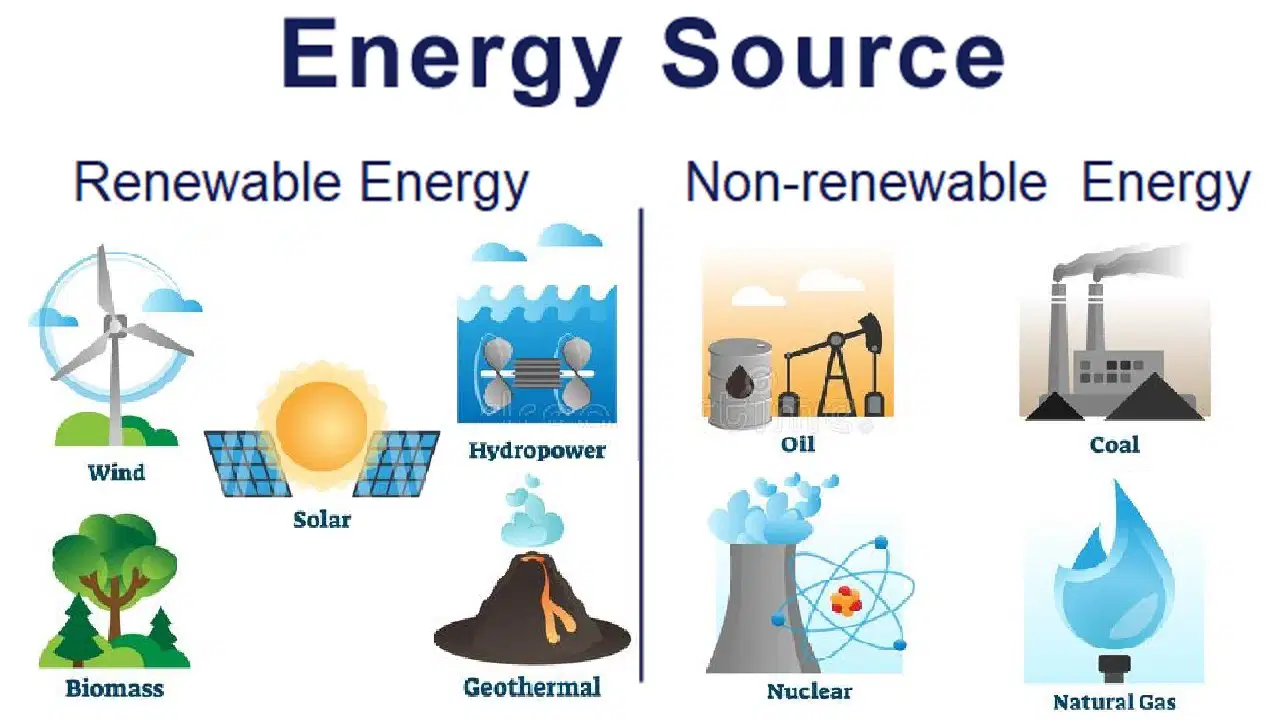
Which of the following is an example of a non-renewable resource that can be found at home?
wood
rubber
oil
solar power
It refers to the process of obtaining heat or energy from a large body of water.
biomass
fossil fuel
geothermal
hydrothermal
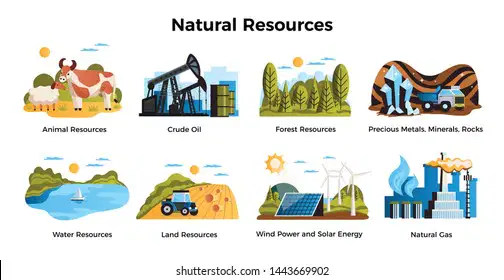
It is a nonrenewable resource that can be found inside our homes and can be used by cars, flashlights, and other materials.
battery
coal
electricity
gas
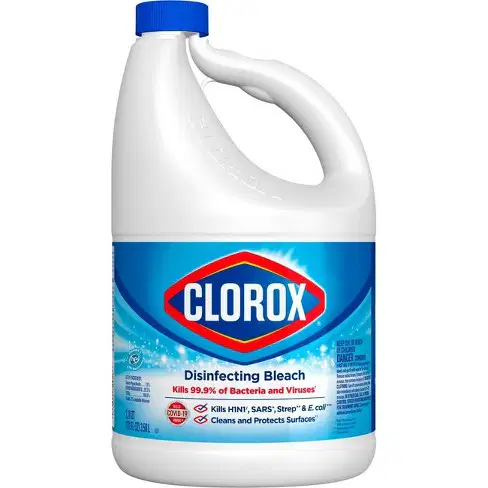
Which household chemical is the main ingredient in bleach or bleach products?
ammonia
sodium lauryl sulfate
sodium hypochlorite
sodium bicarbonate

Which of the following is not an active ingredient of most detergents?
Alcohol Ethoxylate
Sodium Alkyl sulfate
Sodium hypochlorite
Phenol
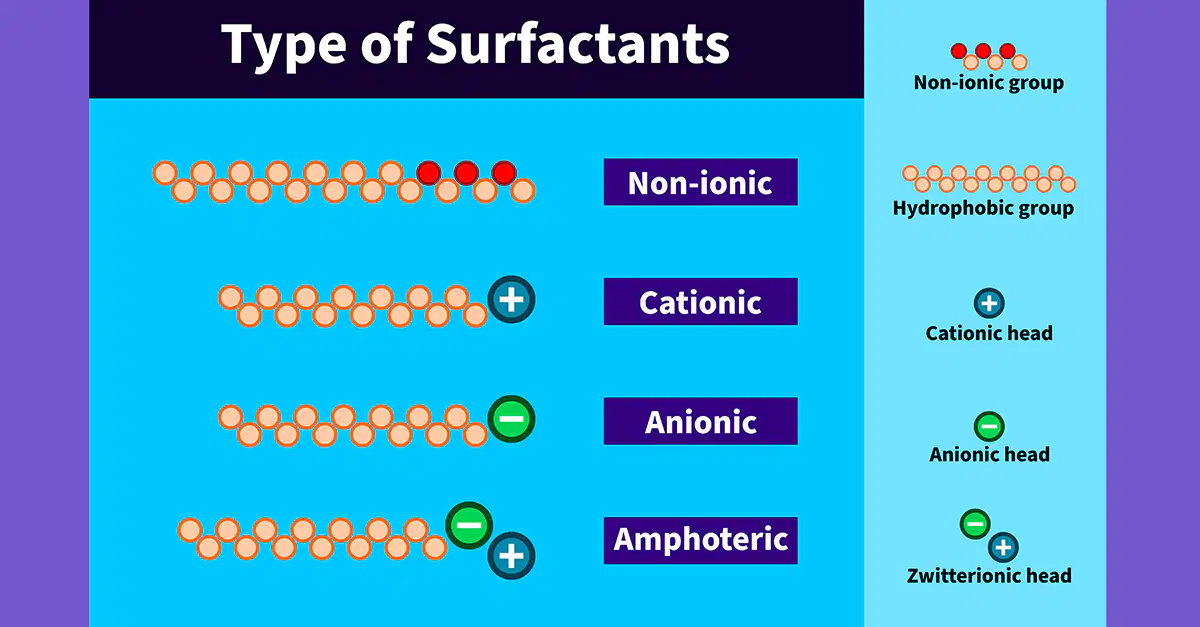
It is an ingredient that gives surfactants a helping hand.
builder
enzyme
fragrances
solvent

It provides a further reduction in germs on our hands or surfaces in our homes.
antibacterial
enzyme
fragrances
solvent

Cleaning materials have active ingredients, what bleaching agent contains active ingredients that can remove stains?
aluminum
boron
chlorine
sulfur

