
 Worksheets
Oysters Lessons 1-6 Mid-Unit Test Review
Total questions: 22
Worksheet time: 54mins
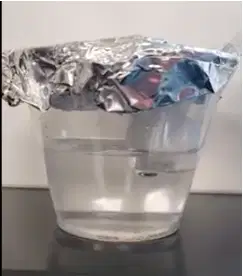
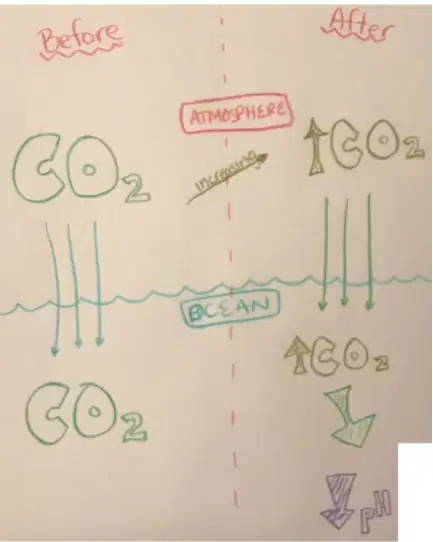


Option 1

Option 2
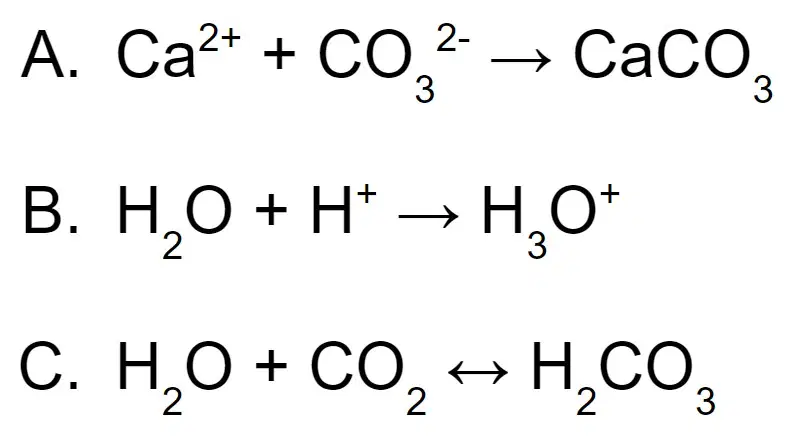
Which of the following models best illustrates how carbonic acid reacts in the water:

Option A

Option B

Option C
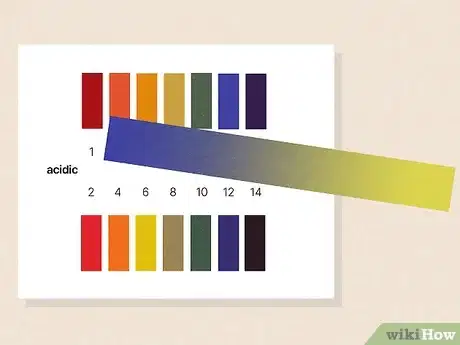
This pH strip starts as a yellow-green color. After dipped in a liquid, we can determine that the pH of the substance tested is approximately...
1
6
11
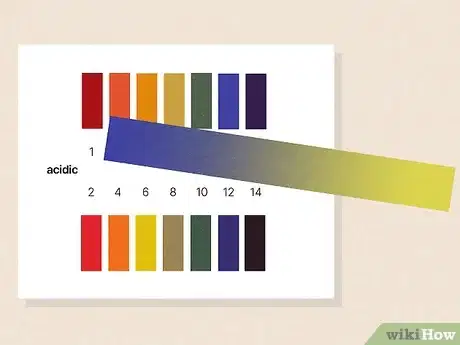
Based on the color of the pH test strip, the substance that was tested is most likely a(n)...
acidic substance
basic substance
neutral substance
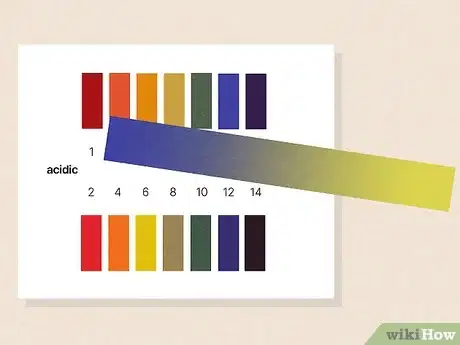
Choose the chemical formula that best represents the substance tested on this pH strip.
HCN
H2O
NaOH
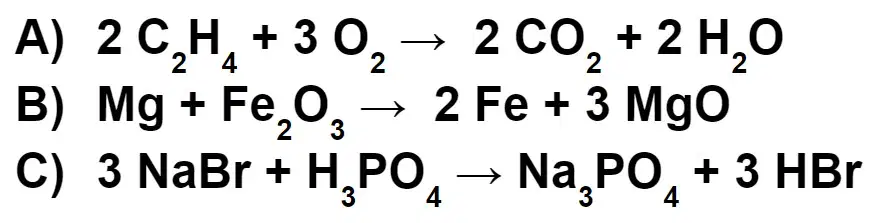
Which equation in this set is balanced?
A
B
C
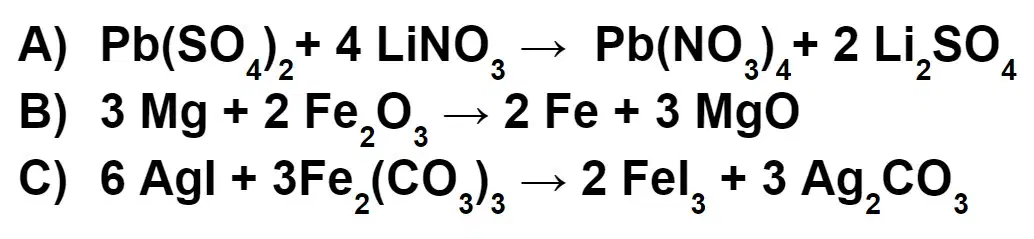
Which equation in this set is balanced?
A
B
C
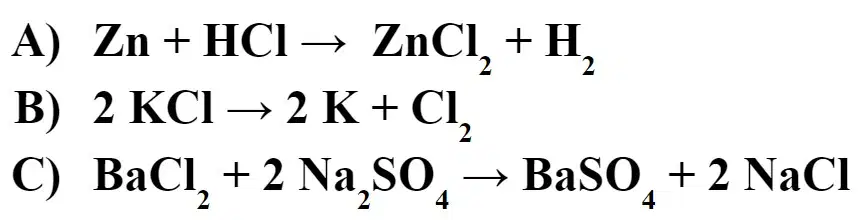
Which equation in this set is balanced?
A
B
C
Which of these definitions best describes a Decomposition reaction?
Two or more reactants becoming one product
One reactant becoming two or more products
Element and a compound yields a new element and a new compound
A carbon compound reacts with oxygen to form carbon dioxide and water as products
Which of the following reactions are Decomposition reactions? More than one answer are correct.
NaCl 🡪 Na + Cl2
Na + Cl2 🡪 NaCl
H2O 🡪 H2 + O2
NaOH + HCl 🡪 HOH + NaCl

Which of these definitions best describes a Double Displacement reaction?
Two or more reactants becoming one product
One reactant becoming two or more products
Compound plus a compound yields two new compounds
A carbon compound reacts with oxygen to form carbon dioxide and water as products
Which of the following reactions are Double Displacement reactions? There is more than one correct response.
Na + HCl 🡪 H2 + NaCl
KOH + HNO3 🡪 KNO3 + HOH
H2O 🡪 H2 + O2
NaOH + HCl 🡪 HOH + NaCl

Which of these definitions best describes a Combustion reaction?
Two or more reactants becoming one product
One reactant becoming two or more products
A carbon compound reacts with oxygen to form carbon dioxide and water as products
Which of the following reactions is a Combustion reaction?
C3H7OH + O2 → CO2 + H2O
NaCl + AgNO3 → NaNO3 + AgCl
P + O2 → P2O5
AlCl3 + H2O → Al(OH)3 + HCl

Which of these definitions best describes a Synthesis reaction?
Two or more reactants becoming one product
Element and a compound yields a new element and a new compound
A carbon compound reacts with oxygen to form carbon dioxide and water as products
Which of the following reactions are Synthesis reactions? There is more than one correct response.
AlCl3 + H2O → Al(OH)3 + HCl
N2O5 → N2 + O2
Na + Cl2 🡪 NaCl
S8 + O2 → SO3
Which of these definitions best describes a Single Displacement reaction?
Two or more reactants becoming one product
Element and a compound yields a new element and a new compound
A carbon compound reacts with oxygen to form carbon dioxide and water as products
Which of the following reactions are Single Displacement reactions? There is more than one correct response.
NaCl 🡪 Na + Cl2
NaOH + HCl 🡪 HOH + NaCl
K + AgCl2 🡪 Ag + KCl
Na + HCl 🡪 H2 + NaCl

