
 Worksheets
TCAP Review Space
Total questions: 106
Worksheet time: 58mins
an immense cloud of dust & gas where stars are born
black hole
nebula
prominence
supernova
Elliptical, spiral, lenticular and irregular are all types of ______.
solar systems
universes
galaxies
stars


composition
Temperature
Brightness
Mass
What do you call a scientist who studies objects in space?
meteorologist
astronomer
astronaut
Most distances in space and to stars outside of our solar system are measured using.....
light-years
astronomical units
feet
meters
Ancient Greeks, Romans, and other early cultures observed patterns of stars in the night sky called __________________.
constellations
galaxies
light-years
connections
There are ____ types of galaxies.
4
6
8
3

irregular galaxy
spiral galaxy
elliptical galaxy

irregular galaxy
spiral galaxy
elliptical galaxy

The Sun is the biggest star in the sky.
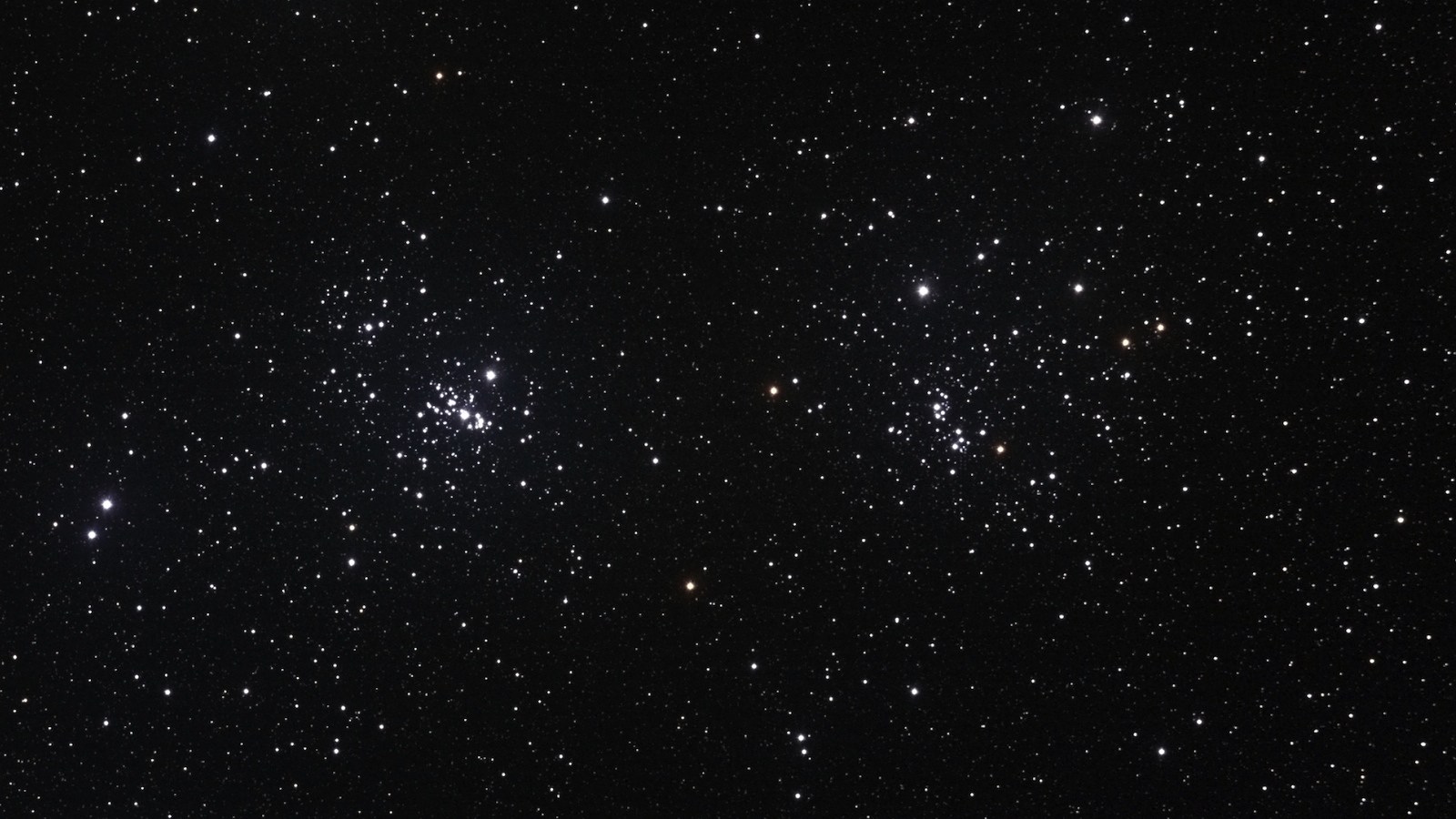
What type of star is the sun?
super giant
middle aged
dwarf stars

A(n) ___________________ is a scientist who studies objects found in space such as stars, planets, moons, and solar systems.
Astronomer
Marine Biologist
Meteorologist

A big ball of hot, burning gases that give off light and heat is a _____________________.
meteor
star
satellite

A(n) ________________________ is a group of stars that makes a pattern in the sky.
gravity
orbit
constellation

A ______________ is a special tool astronomers use to see objects that are far away in space.
magnifying glass
glasses
telescope

Why do stars look so small in the sky?
Stars are all small.
Stars are made of gases.
Stars are far away from Earth.

True or false: All stars are the same size and color.
True
False

True or false: The sun is the smallest star.
True
False

True or false: Stars are made of hydrogen and helium.
True
False

The Sun is a(n) ________, a huge ball of glowing gases.
planet
asteroid
star
comet

The following is true about stars: (Click ALL that apply.)
The color of a star tells us how hot it is.
Patterns of stars form constellations.
Planets are a special type of star.
There are billions of stars in the universe.

The Sun looks like the largest and brightest star in our galaxy because _________.
It is the largest and brightest star.
It is billions of light-years away.
It is the closest star to us.
The Sun is not a star, it is a planet.
Our Solar System is part of the
Milky Way Galaxy
Andromeda Galaxy
Sombrero Galaxy
Triangulum Galaxy
The stars which are closer to the Earth will appear _______________.
brighter
dimmer
higher
A very large star is called a ___________________.
White Dwarf
Snow White
Giant/Supergiant
A tiny star is called a ____________________.
White Dwarf
Snow White
Giant/Supergiant
The coolest star is the color _______________.
red
blue
yellow

When you look through a telescope, what seems to be increased?
shape
color
distance
size
There are ____________ stars in the sky
hundreds
thousands
billions
How bright a star looks to observers on Earth is its....
true brightness
apparent brightness
The actual amount of energy a star gives off is its...
true brightness
apparent brightness
What is the biggest kind of star in a galaxy called?
blue giant star
the sun
super giant star
red dwarf star
True or False? Stars disappear during the day.
True
False
Stars that give off yellow light are known as ________.
Red Dwarf stars
White Dwarf
Neutron stars
Medium stars

Stars that are very bright, large, and burn at the highest temperature, are known as _______.
Blue Giant stars
Red Giants
Neutron stars
Proto stars
Asteroids are irregularly shaped due to less mass and gravitational force
TRUE
FALSE
Asteroids can range in size from 1 meter to 1000Km
TRUE
FALSE
Comets make there way around the sun in an elliptical orbit.
TRUE
FALSE
Where are most of the asteroids in the solar system located?
Asteroid Belt
Orion's Belt
Gemini Area
Nickname for Comets--
Rocks that glow
rock "stars"
dirty snowballs
As comets approach the sun they travel faster and have:
shorter tails
medium tails
longer tails
no tails due to solar winds
After orbiting the sun frequently Comets break into:
meteors
meteoroids
meteorites
A meteoroid is found
in Space
entering earths atmosphere
impacting earths surface
Meteor is also known as a shooting star
TRUE
FALSE


One similarity between asteroids & comets is that they all:
are made of rock
come from the Asteroid Belt
come from the Oort Cloud
orbit the sun

I am sometimes called a shooting star.
meteor
asteroid
comet
What's the difference between comets and asteroids?
Asteroids are made of metal and rock, while Comets are ice and rock
Asteroids are made of ice and rock, while Comets are made of metals and rock
There is no difference
Asteroids are made of stardust, while Comets are made up of water


What is at the center of our solar system?
asteroid belt
Earth
sun
moon
How many planets are in our solar system?
6
7
8
9

What is the smallest planet?
Venus
Pluto
Jupiter
Mercury
What is the hottest planet?
Venus
Mercury
Earth
Jupiter
Select all that apply to the GAS GIANTS
They all have rings
They are all made of gas
They have a rocky surface
They are very small
Select all that apply to the ROCKY or TERRESTRIAL planets
They are small
They are made of gas
They have a rocky surface
They are closer to the sun

Mercury,Saturn
Jupiter, Uranus, Neptune
Jupiter, Neptune,
Mercury,Saturn,
Uranus
Mars,Jupiter,
Saturn,Uranus
Neptune
Ms. Johns shows her class a correct model of the Solar System.
What can the model show that is just like the real Solar System?
how heavy the Earth is
how big the planets are
how fast the Sun spins
how many planets there are
What are the outer planets?
Jupiter, Saturn, Earth, Neptune
Saturn, Neptune, Mars, Uranus
Uranus, Saturn, Neptune, Jupiter
Mercury, Venus, Earth, Mars
Which planet is a gas giant?
Mercury
Earth
Saturn
Venus
Which planet is a terrestrial planet?
Uranus
Neptune
Jupiter
Venus
Which planets are all outer planets?
gas giants
terrestrial planets
Which planets are all inner planets?
gas giants
terrestrial planets
Which object in space is NOT made of rock and metal?
Asteroid
Meteor
Meteorite
Comet

Select the 3 materials a comet is composed (made) of
Dust
Metal
Ice
Small rocky particles

Asteroids are found in a region called the
Kuiper Belt
Asteroid Belt
Oort Cloud
Earth's surface

The asteroid belt is located between which 2 planets?
Mercury and Venus
Jupiter and Saturn
Uranus and Neptune
Mars and Jupiter

Which object in space is larger?
Asteroid
Meteoroid

Which object in space has a long, narrow orbit around the sun. We never see this object except once every 76 years!
Asteroid
Comet
Meteor
Meteorite

A comet forms a tail when
It is deep in outer space and begins to melt
It gets close to the sun and begins to melt
What do asteroids, comets and meteors all have in common?
They are all made of rock/iron
They are all made of ice and dust
They all orbit the sun
They are all found in the asteroid belt
Where do comets form/come from?
Kuiper Belt and Oort Cloud
Asteroid Belt
Earth's atmosphere
Earth's surface

Ceres is the largest asteroid located in the asteroid belt. It is nearly 587 miles wide and is between the orbits of ________________
the sun and Earth
Mars and Jupiter
Saturn and Neptune
Jupiter and Uranus
Which object in space looks like a "dirty snowball" because of its composition of ice, gas and dust?
Asteroid
Meteoroid
Comet
Meteor

A small rock orbiting the sun in space. This object is a small broken off piece of a larger asteroid
Meteoroid
Meteor
Meteorite

A _____________ bursts through Earth's atmosphere at amazingly fast speeds and appears as a "shooting star"
Meteorite
Meteor
Meteoroid

A meteor that does not burn up in Earth's atmosphere and strikes Earth's surface forming a crater on Earth!
Meteorite
Meteoroid
Meteor

Planets, asteroids, comets and meteoroids all stay in orbit around the sun due to the sun's strong force of _________________
electricity
solar power
gravity
motion

