
 Worksheets
5/1 Review for C4.3 Thermochemistry Summative Test
Total questions: 46
Worksheet time: 1hrs 15mins
Energy stored in chemical bonds like food fuel, and batteries
Sound Energy
Nuclear Energy
Chemical Energy
Light Energy
A car at the top of the drop on a roller coaster has ________ energy.
potential
kinetic
heat
sound

The average kinetic energy of water molecules is greatest in:
(Hint: The higher the temperature, the higher the kinetic energy)
steam at 200 oC
water at 90 oC
water at 373K
ice at 0 oC

Ice cubes are frequently used in drinks to cool the drink down. What is happening to the liquid in the cup and the ice cubes as the ice cubes are melting?
Kinetic energy of the ice cubes and liquid are both increasing.
Kinetic energy of the ice cubes and liquid are both decreasing.
Kinetic energy of the ice cubes is increasing while the kinetic energy of the liquid is decreasing.
Kinetic energy of the ice cubes is decreasing while the kinetic energy of the liquid is increasing.
Q = m C ∆T
Q = m C
Q = ½ m v
m = Q C

What does q stand for?
Heat-Joules
Mass-Grams
Specific Heat-J/g*C
Temperature Change-*C
8778 J
0.0005 J
34673 J
43451.1 J
Thelma Thermo and Harry Heat performed a lab experiment to determine the molar enthalpy of octane, C8H18. Molar mass = 114 g/mol. A total of 1.4 g octane is placed in a bomb calorimeter containing 10.0 kg water, and the octane is combusted using excess oxygen. The molar heat of combustion of octane is 5500 kJ/mol. The specific heat of water is 4.2 J/g°C. What would be the increase in temperature in the calorimeter after the reaction above is complete?
(Look at your notes on 4/24 if you forgot how to solve it!)
0.25 °C
1.6 °C
3.0 °C
5.0 °C

Which will heat up faster?
copper
granite
iron
basalt

Which will heat up slower?
water
lead
granite
iron
Which of the following best explains why the sand at the beach is hotter than the water?
Sand has a higher specific heat than water.
Sand has a lower specific heat than water.
There is more water than sand at the beach.
There is more sand than water at the beach.


What type of reaction is this?
Endothermic
Exothermic
Allergic

What is the Heat of Reaction ΔH for this reaction?
-200 KJ
200 KJ
400 KJ
-300 KJ
How much activation energy is needed for this reaction?
300 KJ
500 KJ
400 KJ
100 KJ
What type of reaction is this?
Exothermic
Endothermic
Energy Producing
No way to tell
In an endothermic reaction, energy is _________.
absorbed
released
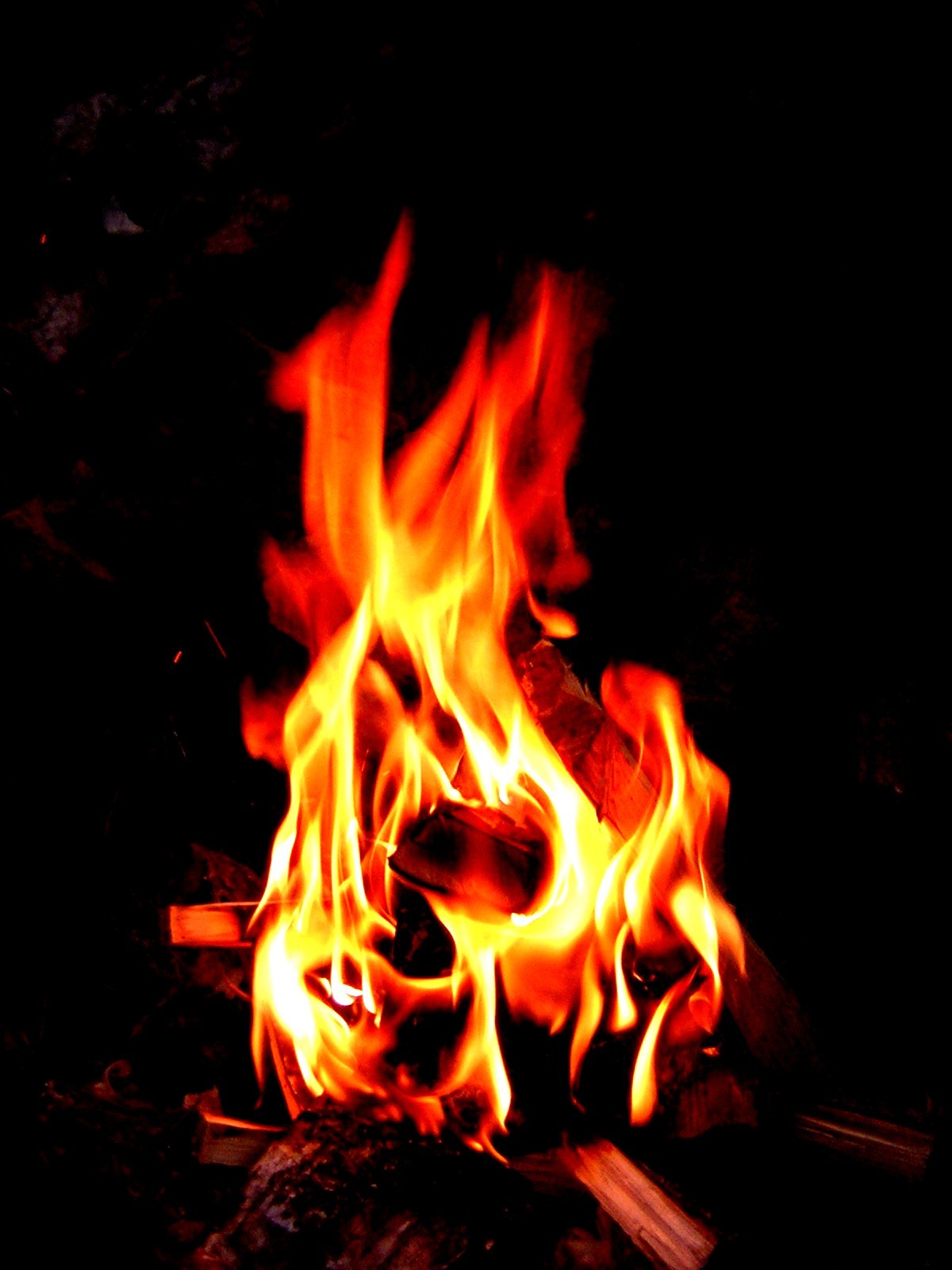
_____ reactions usually feel hot!
endothermic
exothermic
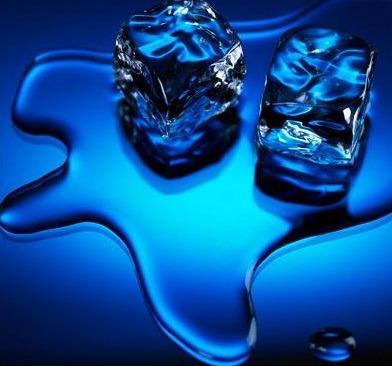
____ reactions usually feel cold.
endothermic
exothermic
Solid --> liquid --> gas is what type of reaction?
endothermic
exothermic
catalytic
inhibited
gas --> liquid --> solid is what type of reaction?
endothermic
exothermic
catalytic
inhibited

Ice cubes in your glass of soda melt.
endothermic
exothermic
All of the following are endothermic processes EXCEPT…
Steam condenses on a bathroom mirror
A chemical cold pack feels cold after being activated
Raw dough bakes into bread in the oven
Sugar melts in a pan to form caramel
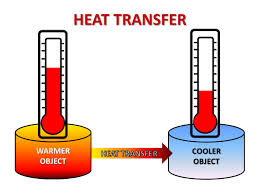
If heat is added to a boiling liquid, what happens to the temperature of the liquid?
(Hint: boiling point has reached its maximum temperature at 100 C)
It increases.
It decreases.
It does not change.
When a molecule has its bonds broken, it sometimes gives off energy. This energy is then absorbed by the matter around it, increasing the speed of the molecules. How is this increased speed in the molecules measured?
calculating the distance they traveled in a particular amount of time
determining the change in temperature of the substance
counting the number of bonds broken, and comparing that to the number of particles present
the particles are too small, and any changes cannot be measured
A large piece of metal is sitting in a solid form. Heat is applied to it until the metal melts. What property in the metal is changed during this process?
the chemical formula of the metal compounds
the average kinetic energy of the metal atoms
the atomic mass of the metal atoms
the charge of the metal atoms
The law of conservation of energy states that
energy can be created or destroyed
energy cannot be created or destroyed
energy can be potential or kinetic only
heat energy is kinetic energy
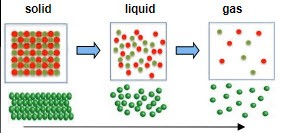
Which represents a decrease in entropy?
sublimation of CO2
boiling water
condensation of steam on cold glass
NaCl dissolving in water
Which of the following would have the lowest value of absolute entropy per mole?
Ice at 0°C
Water at 50°C
Steam at 100°C
Superheated steam at 200°C
The product(s) of complete combustion of any hydrocarbon is/are _________________.
I. water
II. carbon dioxide
III. carbon monoxide
I
III
I and II
I and III
Using the equations below:
C(s) + O2(g) → CO2(g) ∆H = –390 kJ
Mn(s) + O2(g) → MnO2(s) ∆H = –520 kJ
what is ∆H (in kJ) for the following reaction?
MnO2(s) + C(s) → Mn(s) + CO2(g)
910
130
-130
-910
The following equations show the oxidation of carbon and carbon monoxide to carbon dioxide.
C(s) +O2(g) → CO2(g) ΔH = –x kJ mol–1
CO(g) + O2(g) → CO2(g) ΔH = –y kJ mol–1
What is the enthalpy change, in kJ mol–1, for the oxidation of carbon to carbon monoxide?
C(s) + O2(g) → CO(g)
x + y
-x - y
y - x
x - y
The standard enthalpy change of formation values of two oxides of phosphorus are:
P4(s) + 3O2(g) → P4O6(s) ΔHf = –1600 kJ mol–1
P4(s) + 5O2(g) → P4O10(s) ΔHf = –3000 kJ mol–1
What is the enthalpy change, in kJ mol–1, for the reaction below?
P4O6(s) + 2O2(g) → P4O10(s)
+4600
+1400
–1400
–4600

