
 Worksheets
Circulatory System
Total questions: 26
Worksheet time: 14mins

Which type of blood vessel carries blood TO the heart?
Arteries
Veins
Capilleries
The job of the heart is to...
pump blood around the body.
break down food.
control higher order thinking.

What is the main organ of the circulatory system?
Brain
Lungs
Heart
Stomach
Deoxygenated blood means that the blood is low in...
Oxygen
White Blood Cells
Plasma
Carbon Dioxide
As the blood reaches the lungs, what is removed from the blood?
Oxygen
Carbon Dioxide
Red Blood Cells
White Blood Cells
The part of the blood that carries oxygen is called
Red Blood Cells
White Blood Cells
Platelets
Plasma
What type of blood vessels normally carry de-oxygenated blood back to the heart from body cells?
Arteries
Veins
Capillaries
Pulse
What type of blood vessel normally carries oxygenated blood from the heart to the body cells?
Artery
Vein
Capillary
Pulse
What type of blood vessel is the site of gas exchange where the exchange of gases, nutrients, and wastes occurs?
Artery
Capillary
Vein
Pulse

The heart is about the size and shape of your ___.

Hand

Arm

Fist

Foot
Which are the smallest blood vessels?
Veins
Arteries
Capillaries
Heart
Which are the largest blood vessels?
Veins
Arteries
Capillaries
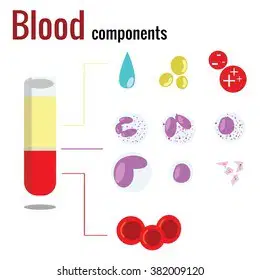
White blood cells ____.
fight infection and disease
allow for gases to exchange
carry oxygen around the body
give blood its colour

_______ is the liquid part of the blood.
Plasma
Red Blood Cells
White Blood Cells
Platelets
_______ help to form clots and stop bleeding.
Platelets
Red Blood Cells
Plasma
White Blood Cells
Which system makes red blood cells?
Nervous System
Circulatory System
Skeletal System
Digestive System
Which system breaks down food into nutrients?
Skeletal System
Nervous System
Circulatory System
Digestive System
Which system sends electrical signals to the heart to tell it to beat?
Nervous System
Skeletal System
Respiratory System
Digestice System
How many types of blood vessels are in our bodies?
1
2
3
4
How many components are in our blood?
1
2
3
4
One of the most common examples of homeostasis is body temperature. When your body temperature rises above normal, how does your body respond?
Coughs
Shivers
Sweats
How does your body respond when your body temperature drops below normal?
Coughs
Shivers
Swaets
There were many systems involved in helping the body keeps its normal body temperature. Check all that apply.
Nervous System
Circulatory System
Muscular System
Integumentary System (Skin)
The maintenance of an organism’s internal environment is called:
Compensating
Balancing
Homeostasis
Routine
Why does pulse rate increase during exercise?
Oxygen and carbon dioxide must be removed from the body ASAP
Gas exchange must happen more quickly than when a person is at rest
Oxygen must be moved to the lungs and carbon dioxide must be moved to cells more quickly
Carbon dioxide must be moved to the kidneys to be excreted
True or false: Blood that is low in oxygen is blue
True
False

