
 Worksheets
Question Bank for Grade 9 Science
Total questions: 222
Worksheet time: 4hrs 43mins

Water temperature would be an example of ...
a biotic factor
an abiotic factor
an antibiotic factor
a bacterial factor

A collection of living organisms that belong to different populations but all live in the same area and interact with one another is a...
Population
Ecosystem
Community
Ecosphere

Non-living factor that affects an ecosystem...
biotic factor
abiotic factor
food chain
biome

What are the biotic factors in this image?
sunlight, elephants, grasses
sunlight, water, air
elephants, plants, trees
elephants, clouds, grasses

What are the abiotic factors in this image? (2)
water
birds
plants
air
An ecosystem contains living and nonliving things.


Which of the following is a population?
hawks, barred owls, and eagles on NC coast
mountain stream
all the frogs and fish in a pond
blue-tailed lizards around a barn

Which of the following best describes a community?
sharks, groupers, anemones and shrimp on a coral reef
decorator crabs on the seafloor
loggerhead sea turtles in Atlantic
prairie grassland in Wyoming

What level of organization can be seen here?
Species
Population
Community
Ecosystem


What is an individual?
One individual member of a species
a group of individuals of a species
all the different populations of a species that live in an area together
a community of organisms and their physical environment

What is a population?
One individual member of a species
a group of individuals that belong to the same species and live in the same area
all the different populations of species that live together in an area
a community of species and the physical environment

What is a community?
One individual of a species
a group of individuals living together in an area
all the different populations living together in an area
different communities and their physical environment
Which is an example of an individual?
One rabbit
Many families of rabbits living together in a field
Rabbits, hawks, and foxes living together in an area
an area of hot climate and little rain where many communities live together
What is an example of a population?
One lion
A group of lions living in the same area
Lions, gazelles, and elephants
A savannah
What is an example of a community?
One fish
Many fish of the same species living in the area
Crabs, sharks, and species of fish in the same area
Many communities and abiotic factors living in an aquatic environment
Which is an example of an ecosystem?
An area of cold climate and communities of similar species
one elk
a group of elks living together in the same area
elks, snow rabbits, and owls living in the same area

Earthworms break down leaves and other organic matter. When they burrow they increase the amount of air and water in the soil. Earthworms are
Autotrophs
Plants
Reptiles
Decomposers

All the alligators in a swamp are an example of a(n) _______________.
organism
community
population
group

Heterotrophs that live and grow on decomposing organic material and break it down as they consume it are known as
decomposers
autotrophs
omnivores
herbivores

In food chains, animals are
Producers
Consumers
Decomposers
Autotrophs

Which organisms can convert solar energy to chemical energy in the form of carbohydrates?
heterotrophs
autotrophs
decomposers
consumers
Which statement best describes the human respiratory system?
It is composed of a network of moist passageways that permit air to flow from the external environment to the lungs
Each cell of the human body is in direct contact with the external environment, and gas exchange occurs by diffusion
The external body surface is kept moist to allow for gas exchange
Gases diffuse across membranes on both the external and internal surfaces of the body
Humans breathe more rapidly during exercise than before it because during exercise the blood contains
an increased level of oxygen
a decreased number of red blood cells
an increased level of carbon dioxide
a decreased amount of hemoglobin
Which body structures have walls one cell thick in order to help gas exchange?
veins and arteries
trachea and bronchi
capillaries and alveoli
lymph vessels and stomach
Carries oxygen and nutrients to all parts of the body.
Integumentary
Nervous
Circulatory
Respiratory
Allows movement in the body
Integumentary
Nervous
Skeletal
Muscular
Receives stimuli and transports impulses, coordinates actions and reactions in the body
Integumentary
Nervous
Circulatory
Respiratory
Supplies blood with oxygen and rids the body of carbon dioxide
Integumentary
Nervous
Circulatory
Respiratory
What are two factors that can affect an enzymes ability to function?
Temperature and pH
Hot and Cold
Dry and Humid
None of the above
Why are advantageous traits more likely to be passed onto offspring?
Because they are more likely to survive and reproduce.
Because they come from dominant alleles.
Because they come from recessive alleles.
Because the organism knew it needed that trait, survives, and passes it on.
Mutations are a change in what?
DNA
tRNA
protein
rRNA


Which organelle is correctly paired with its function?
lysosome - synthesize carbohydrates
mitochondria - synthesize proteins
chloroplast - site for photosynthesis
nucleus - site for cellular respiration

Which structure is present in plant, but not animal cells?
A
B
E
F
Term used to refer to an organism that has two identical alleles for a particular trait.
Phenotype
Homozygous
Genotype
Heterozygous
Physical characteristics of an organism.
Phenotype
Homozygous
Genotype
Heterozygous
Genetic makeup of an organism.
Phenotype
Homozygous
Genotype
Heterozygous
Some sharks have been genetically modified to grow bigger teeth and move faster in the water. Which statement regarding genetically modified sharks is correct?
Genetically modified sharks have a different protein sequence as wild sharks.
Genetically modified salmon and wild salmon would have identical DNA.
Wild sharks reproduce asexually while genetically modified salmon reproduce sexually.
Genetically modified sharks have the same protein sequence as wild sharks.
What is Photosynthesis?
use moonlight to make their own food
that you eat the plant
use sunlight to make their own food
the plant use energy to eat
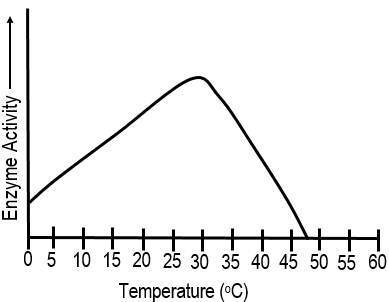
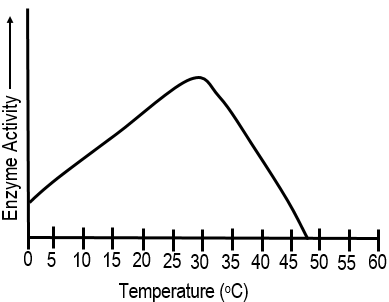
Based on the graph, what is the optimum temperature for this enzyme?
Living things are based on a universal genetic
code. What molecule is responsible for that code?
RNA
Lipid
Protein
DNA
An example of a lipid is
Sugar
Olive Oil
Chicken
Jolly Ranchers
Carbohydrates are broken down into
food additive
fats
Monosaccharide sugars
protein
Según la teoría de la selección natural, ¿por qué algunos individuos tienen más probabilidades que otros de sobrevivir y reproducirse?
Algunos individuos transmiten a su descendencia nuevas características que han adquirido a lo largo de su vida.
Algunos individuos están mejor adaptados a su entorno que otros.
Algunos individuos no transmiten a su descendencia las nuevas características que han adquirido a lo largo de su vida.
Algunos individuos tienden a tener menos descendencia que otros en el mismo entorno.
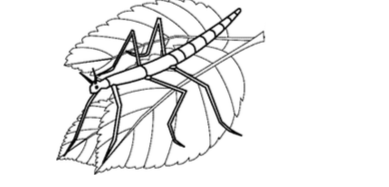
La siguiente ilustración muestra un insecto posado sobre unas hojas verdes.
El tamaño, la forma y el color verde de este insecto son adaptaciones que muy probablemente le ayudarían a
competir con éxito con todas los pájaros
hacer su propia comida
esconderse de los depredadores
evitar los residuos tóxicos
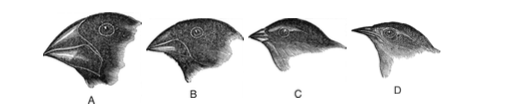
Base su(s) respuesta(s) a la(s) pregunta(s) en el siguiente diagrama y en sus conocimientos de biología. El diagrama muestra las cabezas de cuatro especies diferentes de pinzones de las Islas Galápagos.
Los cuatro tipos diferentes de picos que se muestran son probablemente el resultado de
manipulación genética
selección natural
condiciones ambientales invariables
patrones de comportamiento aprendidos de los padres
¿Qué característica es necesaria para que se produzca la selección natural en una especie?
estabilidad
variación
organización celular compleja
una tasa de mutación muy baja
En los miembros de una especie de ave que viven en una isla remota, lo más probable es que el mayor número de variaciones de pico en la población se encuentre cuando
existe un alto nivel de competencia por unos recursos limitados
la homeostasis está limitada por un clima severo
disponen de una alimentación amplia y variada
son presa de un gran número de depredadores

Varias de las islas Galápagos están habitadas por saltamontes, escarabajos, moscas, abejas y mariposas. Los pinzones que se alimentan de estos consumidores tendrían picos adaptados para
palpación, sólo
palpación o agarrar
aplastamiento o palpación
comer o agarrar como un loro
¿Cuál es la ventaja de tener picos de formas diferentes?
Tener un aspecto diferente al de otras especies
Poder comer los alimentos fácilmente disponibles en el entorno
Para protegerse de los depredadores
Para protegerse de las presas
¿Por qué es más probable que los rasgos ventajosos se transmitan a la descendencia?
Porque tienen más probabilidades de sobrevivir y reproducirse.
Porque proceden de alelos dominantes.
Porque proceden de alelos recesivos.
Porque el rasgo es un fenotipo adquirido.
¿Las mutaciones son un cambio en qué?
ADN
ADN
genotipo
fenotipo
¿Qué le dijo a Darwin el tipo de pico de los pinzones de las distintas islas?
Las poblaciones de pinzones evolucionaron con el tiempo para favorecer los picos en función del tipo de alimento
Las poblaciones de pinzones no habían evolucionado con el tiempo
Los picos de los pinzones no tenían relación con la comida disponible en las islas
Los humanos seleccionaron artificialmente a los pinzones en función del tipo de pico que deseaban
Las estructuras similares con diferentes propósitos que se encuentran en diferentes especies se conocen como
estructuras vestigiales
ADN
estructuras homólogas
el registro fósil
El estudio de los organismos en su etapa más temprana de la vida
embriología
el registro fósil
ADN
estructuras vestigiales

La imagen muestra un/una
estructura homóloga
estructura vestigial

La imagen muestra un/una
estructura homóloga
estructura vestigial

¿Qué estructura se muestra en la imagen?
estructura análoga
estructura homóloga
estructura vestigial
ADN
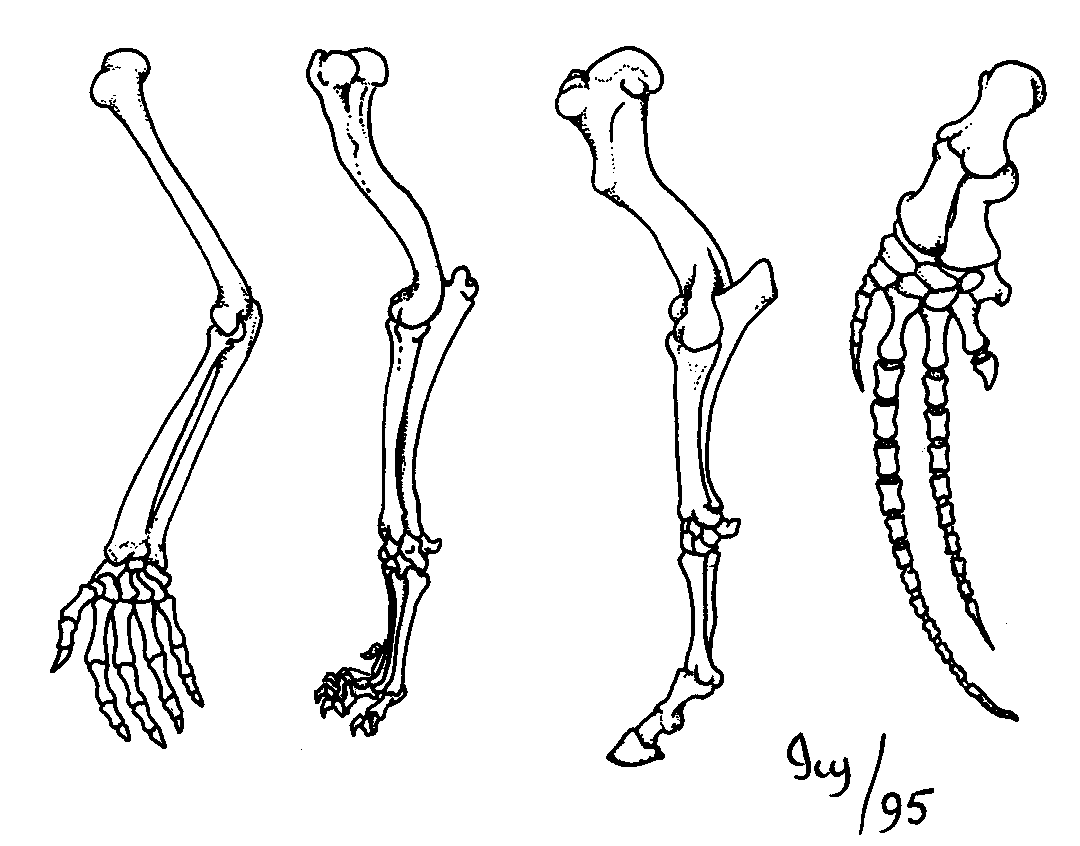
Estructuras con las mismas partes tienen funciones diferentes; sugiere que los organismos comparten una ascendencia común
estructuras vestigiales
estructuras homólogas
radiación adaptativa
fósil
¿Cómo demuestran los fósiles que ha habido evolución en la Tierra?
Los fósiles muestran cómo el tamaño de ciertos animales ha cambiado drásticamente a lo largo de millones de años
Los fósiles muestran que algunas especies se han extinguido
Los fósiles muestran cómo las formas de vida actuales son diferentes de las del pasado
Las diferentes capas de rocas sedimentarias demuestran cómo ha cambiado el medio ambiente a lo largo del tiempo.

El diagrama ilustra un estadio embrionario de dos organismos, un ave y un reptil.
¿Cuál de las siguientes opciones puede determinarse observando los embriones mostrados en el diagrama?
Los organismos comparten una ascendencia común.
Los organismos pertenecen al mismo género.
Los organismos son originarios de las mismas zonas geográficas.
Los organismos crecerán hasta convertirse en adultos anatómicamente similares.

Estructuras vestigiales
estructuras que desempeñan una función similar pero cuyo origen no es similar
restos de estructuras antaño importantes que han perdido lentamente toda o la mayor parte de su función
características que se encuentran en diferentes organismos y que comparten similitudes estructurales pero pueden tener funciones muy diferentes
restos conservados de un organismo
Los cambios de las especies a lo largo del tiempo
Embrión
Selección natural
Mimetismo
Evolución
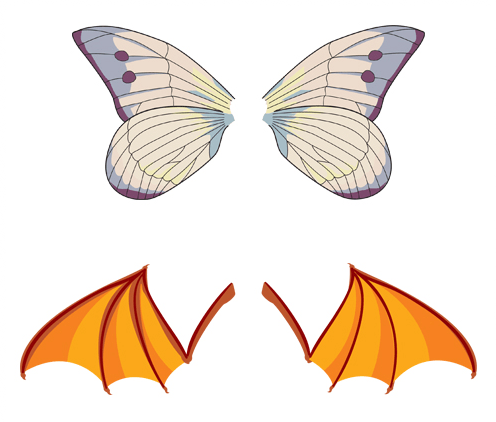
¿De qué es un ejemplo?
Estructura homóloga
Estructura análoga
Órganos vestigiales
Adaptación funcional
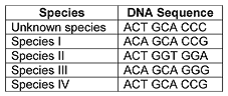
Según estos datos, la especie bacteriana desconocida está más estrechamente relacionada con:
Especie I
Especie II
Especie III
Especie IV
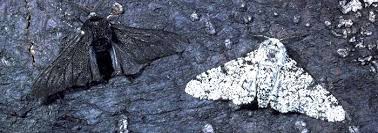
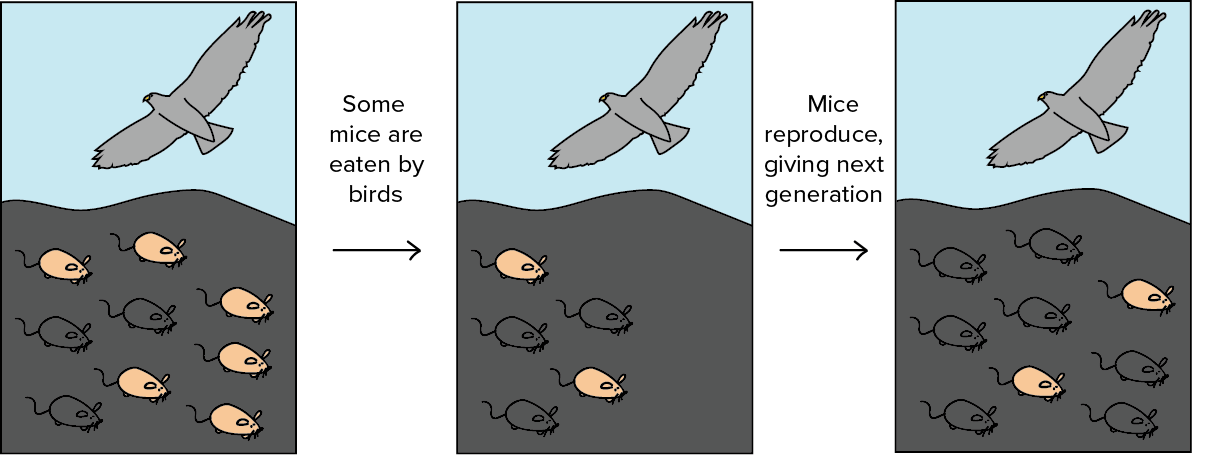
Predecir qué polilla aumentaría de población
Más ligero
Más oscuro
¿Qué es la ascendencia común?
Cuando una especie deja de existir
Cuando los organismos descienden de un único ancestro
Cuando las especies son las mismas
Cuando las especies tienen exactamente el mismo ADN

El pez de las cavernas y el pececillo están emparentados, pero el pez de las cavernas es ciego y sólo tiene los restos de un ojo. ¿De qué tipo de estructura se trata?
estructura vestigial
análogo
análogo
la misma especie
Which correctly pairs a food molecule with its building block?
Protein - Amino Acid
Amino Acid - Sugar
Carbohydrate - Lipid
Lipid - Nucleotide
Which process produces only identical offspring?
Meiosis
Mitosis
Selective Breeding
Fertilization

A photograph of human cells as seen with a compound light microscope is shown below. A cell structure is labeled A.
Structure A is most likely a
Mitochondrion that synthesizes food for the cell
Nucleus that is the site of food storage
Mitochondrion that absorbs energy from the Sun
Nucleus that is responsible for the storage of genetic information
A man is exposed to large amounts of ultraviolet radiation while sunbathing at the beach. This exposure causes a genetic change in the DNA of a skin cell. In the future, this change can be passed on to
His male and female children
His male children, only
All cells in his body
His skin cells, only
The molecule DNA contains the four bases listed below.
A - adenine
C - cytosine
G - guanine
T - thymine
Which base pairings normally occur during DNA replication?
Guanine pairs with cytosine. Thymine pairs with thymine.
Adenine pairs with thymine. Cytosine pairs with guanine.
Thymine pairs with guanine. Cytosine pairs with adenine.
Cytosine pairs with cytosine. Thymine pairs with thymine.
When receiving x rays, individuals wear a lead shield over major organs in order to limit the body's exposure to radiation. One reason for this procedure is to
Protect the patient against broken bones
Prevent mutations in gametes
Improve circulation in the patient
Increase the chance of a change in DNA

The diagram below represents a cell structure involved in converting energy stored in organic molecules into a form used by animal cells.
The arrows represent the movement of which substances?
Carbon dioxide and sugar
Oxygen and ATP
ATP and carbon dioxide
Oxygen and sugar

The diagrams below represent two molecules that are involved in metabolic activities in some living cells.
The shape of each of the molecules is important because
molecules having different shapes are always found in different organisms
the shape of a molecule determines how it functions in chemical reactions
the shape of a molecule determines the age of an organism
if the shape of any molecule in an organism changes, the DNA in that organism will also change

A student used a microscope to observe a single-celled organism. As he watched, it looked as if the organism split into two cells. He made drawings, shown below, of the organism over a short period of time.
Which process did the student record in his drawings?
genetic engineering
selective breeding
asexual reproduction
gamete formation
The graph below represents the effect of pH on three different enzymes at normal body temperature.
The graph illustrates that enzymes 1, 2, and 3
are not affected by pH
work best in an acidic environment
work best at different pH levels
work best in a basic environment
Mitosis takes place in _____
sex cells (gametes)
somatic cell (non sex cells)
Mitosis turns a single parent cell into ____ new cells
0
1
2
4
Meiosis turns a single parent cell into _______ new daughter cells
0
1
2
4
Meiosis takes place in ____
gametes (sex cells)
somatic cells (non sex cells)
The primary function of mitosis is _______
to create genetic variety
growth and repair of cells
The primary function of meiosis is _______
growth and repair
to create genetic variety
The process of transmission of genes from parents to offspring is called.....
Genetics
Heredity
Evolution
Genesis


Name the phase
telophase
metaphase
anaphase
prophase
The stage where the chromosomes line up in the middle of the cell.
telophase
metaphase
anaphase
prophase

Name the phase
telophase
metaphase
anaphase
prophase
The order of the stages of mitosis are
telophase, metaphase, anaphase, prophase
prophase, anaphase, metaphase, telophase
prophase, metaphase, anaphase,
telophase
telophase, anaphase, metaphase, prophase
Where does the cell contain its genetic makup?
mitochondria
nucleus
endoplasmic reticulum
lysosomes


Name the phase:
Hint: Chromosomes are moving apart.
Anaphase
Telophase
Metaphase
Prophase


Which of the following is a base pair?
Adenine - Cytosine
Cytosine - Thymine
Deoxyribose - Cytosine
Cytosine - Guanine

A nucleotide is composed of
A phosphate, sugar and nitrogenous base
A protein, protein and Guanine
A phosphate, Adenine, and nitrogenous base
A protein, Adenine and nitrogenous base
What is the purpose of Mitosis?
Growth of an organism and Repair of damaged tissue
To help the body get rid of extra cells
To increase the amount of classwork you have to do
To get rid of the nucleus
Find the complementary DNA sequence: AATCGAC
UUAGCUG
AATCGAC
CCGATCT
TTAGCTG


In photosynthesis, chlorophyll functions in changing
glucose molecules to starch
water and carbon dioxide to sugar
light energy to chemical bond energy
hydrogen bonds to water
Over a 24-hour period, which factor would have the least effect upon the rate of photosynthesis in a plant?
Concentration of carbon dioxide in the air
Quality of the soil
Wavelengths of light
Availability of water in the soil
The basic inorganic materials used during photosynthesis are
H20 (Water) and C6H12O6 (Glucose)
O2 (Oxygen) and CO2 (Carbon Dioxide)
H2O (Water) and CO2 (Carbon Dioxide)
CO2 (Carbon Dioxide) and C6H12O6 (Glucose)
Photosynthesis transforms molecules of water and carbon dioxide into molecules of
Oxygen Only
Sugar and Oxygen
Protein and oxygen
polypeptide and nitrogen
Why do plants look green?
Mention the pigment that is in plants and how light interacts with that pigment.

The diagram below represents a cell of a green plant. Solar energy is used to produce energy-rich compounds in structure
A
B
C
D

The diagram below represents a cross section of a leaf of a green plant, showing an opening (stomate) in the lower surface.
A stomate in the lower surface of the leaf has a function most similar to the function of which cell structure?
cell membrane
vacuole
ribosome
nucleus
The leaves of a plant are dotted with openings known as stomata. When open, stomata allow the plant to exchange gases and allow moisture to evaporate, helping to draw water from the roots up into the plant. These activities help the plant to
produce light energy
Conduct photosynthesis
Decompose organic matter
Synthesize minerals
A green plant is kept in a brightly lighted area for 48 hours. What will most likely occur if the light intensity is then reduced slightly during the next 48 hours?
Photosynthesis will stop completely
.
The rate at which nitrogen is used by the plant will increase
The rate at which oxygen is released from the plant will decrease
Glucose production inside each plant cell will increase

If the process illustrated in the diagram is interrupted by a chemical at point X, there would be an immediate effect on the release of
Chlorophyll
Nitrogen
Carbon Dioxide
Oxygen
A cell in the leaf of a corn plant contains more chloroplasts than a cell in the stem of a corn plant. Based on this observation, it can be inferred that, when compared to the cell in the stem, the cell in the leaf
Synthesizes (makes) more sugar
Has a higher chromosome count
Produces fewer proteins
Uses less carbon dioxide
Plants normally lose water from openings (stomates) in their leaves. The water loss typically occurs during daylight hours when plants are exposed to the Sun. This water loss, known as transpiration, is both beneficial and harmful to plants.
Scientists believe wind and high temperatures increase the rate of transpiration, but the size of each stomate opening can be controlled by the plant. Reducing the size of the openings during drought conditions , with little water, may help reduce the dehydration and wilting that would otherwise occur.
A leaf may lose more than its own weight in water each day. Transpiration also lowers the internal temperature of the leaf as water evaporates. On hot days, temperatures in the leaves may be from 3° to 15°C cooler than the outside air. With stomates open, vital gases may be exchanged between the leaf tissues and the outside environment.
1. State one way transpiration is beneficial to plants.
2. Identify two of the "vital gases" that are exchanged between leaf tissues and the outside environment.



Living things are made up of units called
DNA
Cells
Homeostasis
Seeds
Living things are based on a universal genetic
code. What molecule is responsible for that code?
RNA
Lipid
Protein
DNA
Based on the graph, what is the optimum temperature for this enzyme?
Which is the strongest acid?
ph of 1
ph of 4
ph of 7
ph of 9
A solution with a pH of 9 is a(n) ___.
Acid
Base
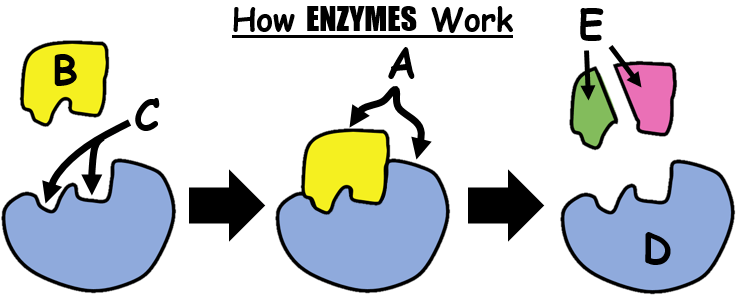
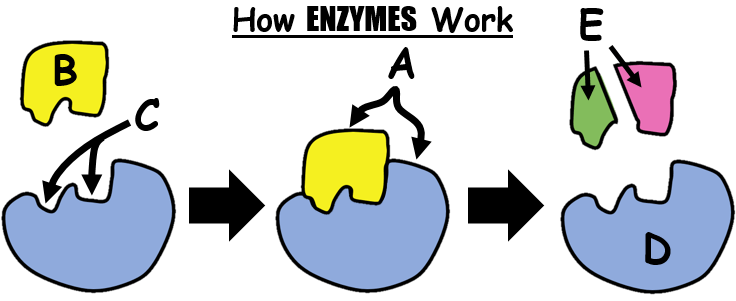
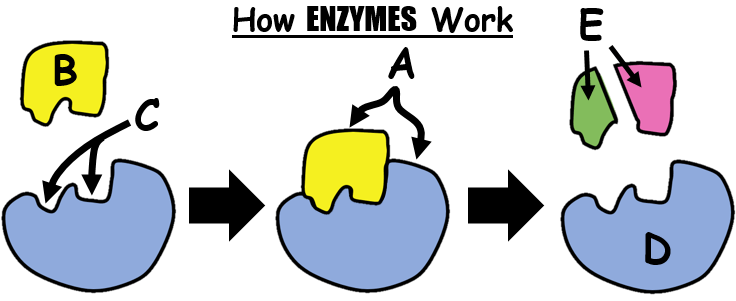
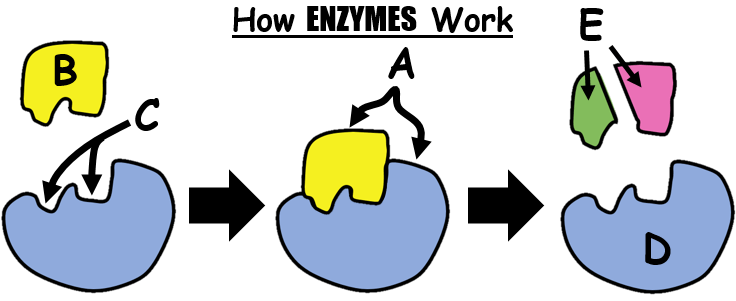
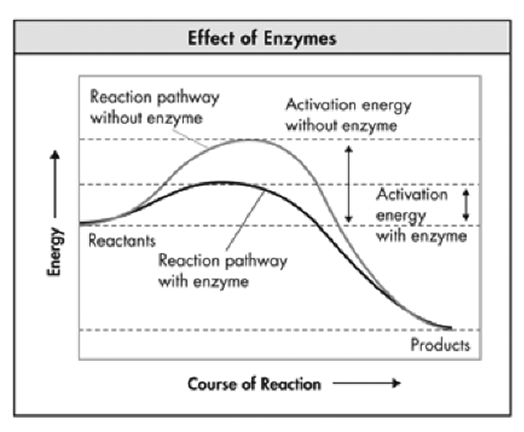
What happens when enzymes are heated to a high temperature?
The enzymes die.
The shape of the enzyme are changed and it denatures
The enzymes' amino acid sequence changes.
The enzymes remain the same
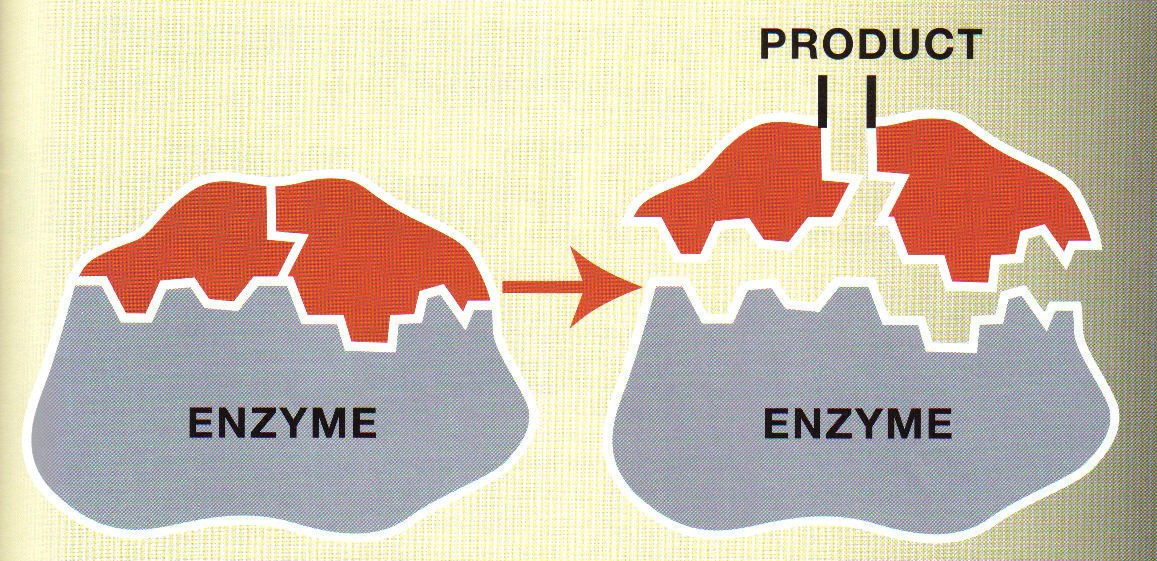
What are two factors that can affect an enzymes ability to function?
Temperature and pH
Hot and Cold
Dry and Humid
None of the above
Why are advantageous traits more likely to be passed onto offspring?
Because they are more likely to survive and reproduce.
Because they come from dominant alleles.
Because they come from recessive alleles.
Because the organism knew it needed that trait, survives, and passes it on.
Mutations are a change in what?
DNA
tRNA
protein
rRNA
"Organisms that are better adapted to the environment survive to pass traits to their offspring" is the definition of
Natural Selection
Evolution
Selective Breeding
Artificial Selection
Which organelle is correctly paired with its function?
lysosome - synthesize carbohydrates
mitochondria - synthesize proteins
chloroplast - site for photosynthesis
nucleus - site for cellular respiration
Which structure is present in plant, but not animal cells?
A
B
E
F
Specialized cell involved in sexual reproduction.
Gamete
Somate
Allele
Gene
Term used to refer to an organism that has two identical alleles for a particular trait.
Phenotype
Homozygous
Genotype
Heterozygous
Term used to refer to an organism that has two different alleles for a particular trait.
Phenotype
Homozygous
Genotype
Heterozygous
Physical characteristics of an organism.
Phenotype
Homozygous
Genotype
Heterozygous
Genetic makeup of an organism.
Phenotype
Homozygous
Genotype
Heterozygous
As a way to reduce the number of cases of malaria, a human tropical disease, a specific DNA sequence is inserted into the reproductive cells of Anopheles mosquitoes. Which process was most likely used to alter these mosquitoes? cloning studies
cloning studies
genetic engineering
natural selection
random mutations
Some sharks have been genetically modified to grow bigger teeth and move faster in the water. Which statement regarding genetically modified sharks is correct?
Genetically modified sharks have a different protein sequence as wild sharks.
Genetically modified salmon and wild salmon would have identical DNA.
Wild sharks reproduce asexually while genetically modified salmon reproduce sexually.
Genetically modified sharks have the same protein sequence as wild sharks.
In mRNA what pairs with Adenine?
Thymine
Cytosine
Guanine
Uracil
Where is DNA stored in a cell?
Nucleus
Cytoplasm
Ribosomes
Vacuole

What is Photosynthesis?
use moonlight to make their own food
that you eat the plant
use sunlight to make their own food
the plant use energy to eat
What is Ribosomes?
it is a cellular respiration
sites of protein synthesis
that makes energy
that makes their own food
Mitochondria?
ATP and Cellular Respiration takes place here
makes energy
make protein
to protect the cell

What is the sequence of amino acids that will be translated from the mRNA below?
5’ CCC AGU AGG CGG 3’
Pro-Ser-Arg-Arg
Leu-Ser-Arg-Ser
Leu-Arg-Ser-Arg
Pro-Ser-Arg-Pro

What is the sequence of amino acids that will be translated from the mRNA below?
5’ UGC GAU ACG GAA 3’
Try-Asp-Thr-Glu
Cys-Glu-Thr-Glu
Try-Glu-Thr-Asp
Cys-Asp-Thr-Glu

