
 Worksheets
Module 9 Intro To Waves
Total questions: 64
Worksheet time: 56mins

The BEST definition of a wave is…
A repeated disturbance that transmits energy through matter or empty space.
The movement of matter.
The transmission of energy through a vacuum space.
Matter moving through energy.

A mechanical wave travels through...
Matter
Vacuum
Gas only
Energy
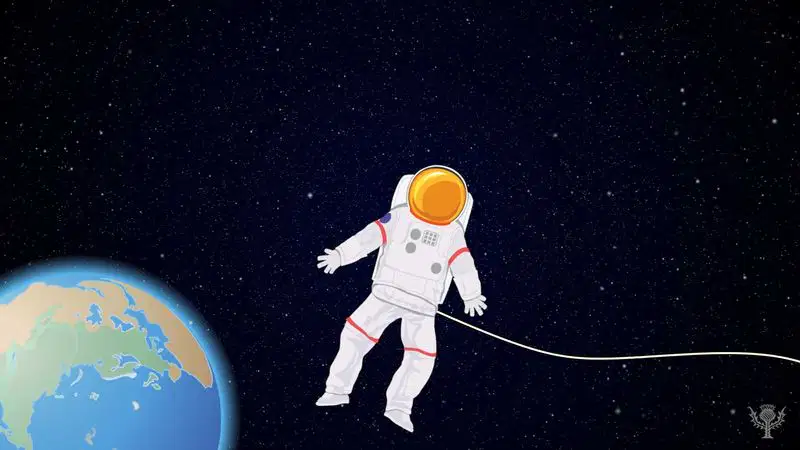
An electromagnetic wave travels through...
Matter
Vacuum
Solid only
Energy

In a longitudinal wave...
The particles of the medium move in a direction parallel to the direction in which the wave moves.
The particles of the medium move in a direction perpendicular to the direction which the wave moves.
The particles of the medium move in a direction opposite to the direction which the wave moves.
The particles of the medium move in a direction 180 degrees in relation to the direction which the wave moves.

Which type of wave is pictured here?
Transverse
Longitudinal

Which type of wave is pictured here?
Transverse
Longitudinal

The wave characteristic/part labelled a is...
Frequency
Amplitude
Wavelength
Period

The wave characteristic/part labelled b is...
wave height
amplitude
wavelength
period

The wave characteristic/part labelled c is...
crest
amplitude
trough
Mean Position/Rest/Equilibrium

The wave characteristic/part labelled d is..
crest
wavelength
trough
mean Position/Rest/Equilibrium
The wavelength of a wave is...
A measure of the distance from 2 like points, eg. crest to crest or from trough to trough.
The dashed line drawn through the center of the diagram which represents the equilibrium of the particles.
The time taken for one wavelength to pass a certain point or one particle to complete one vibrational cycle
The maximum amount of displacement of a particle from its rest position (the amount of energy in the wave).
In which material do sound travels the fastest?


Sound is produced by -----
heat energy
low temperatures
vibrations
friction
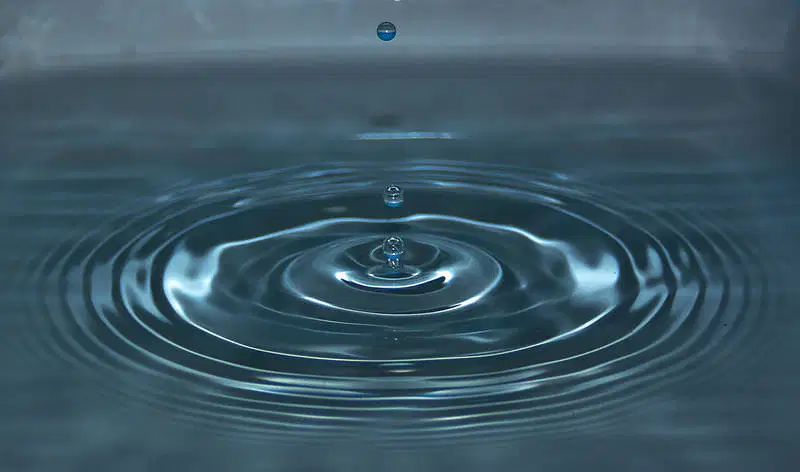
A wave that requires a medium to travel
mechanical wave
chemical wave
electromagnetic wave
pitch

crest
trough
wavelength
frequency

The unit for measuring frequency is a
joule
hertz
gram
newton
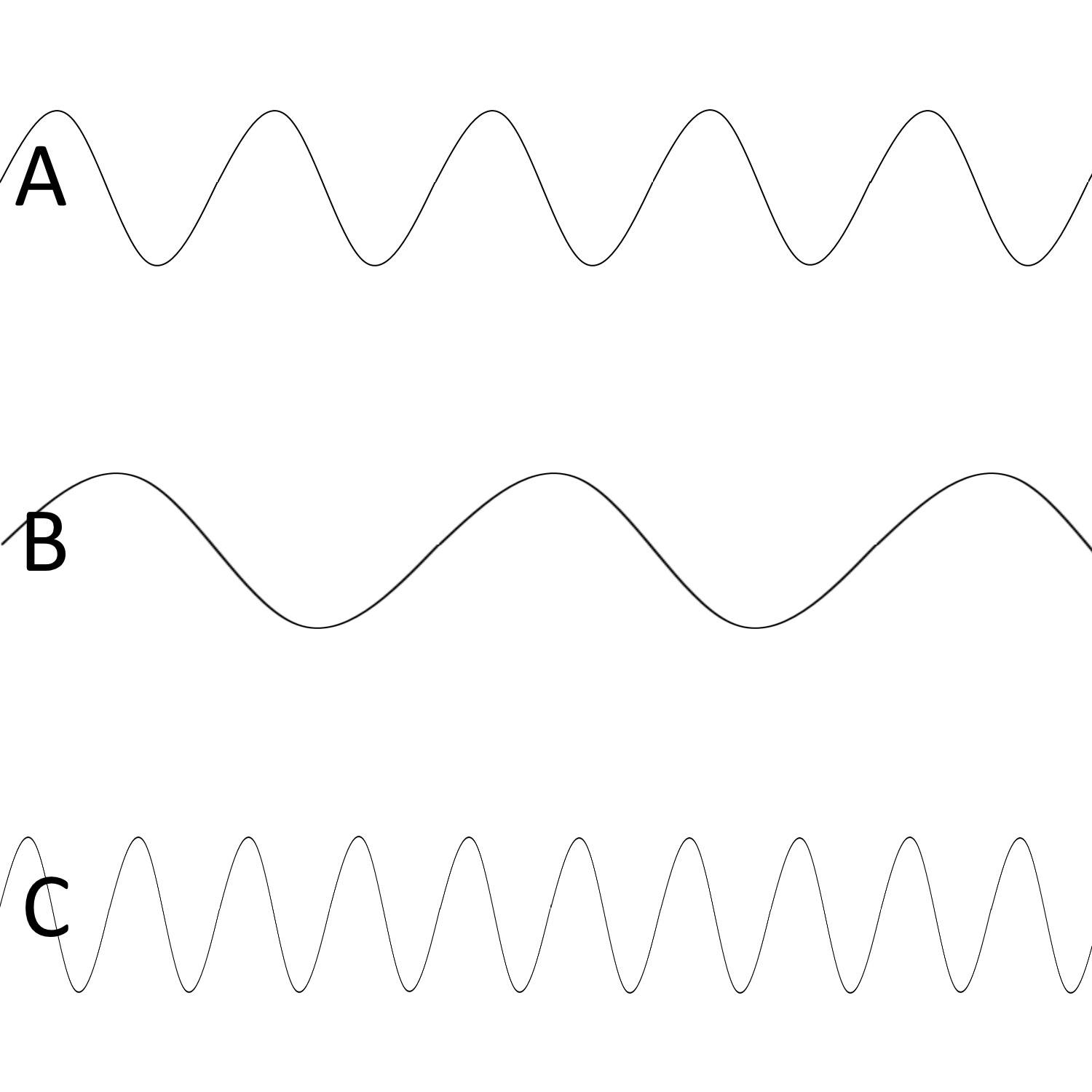
Which wave has the largest or longest wavelength?
A
B
C
None (same wavelength)

A wave in slinky travelled two and fro in 5 sec the length of the slinky is 5m. What is the velocity of wave?
(Use 2d=v x t)
10m/s
5m/s
2m/s
25m/s

how is sound produced?
sound is produced when a body vibrates
sound is produced with energy
sound is produced by force of moving body
a sound is produced by when matter explodes

Which is rarefaction?
red collard one
green collard one
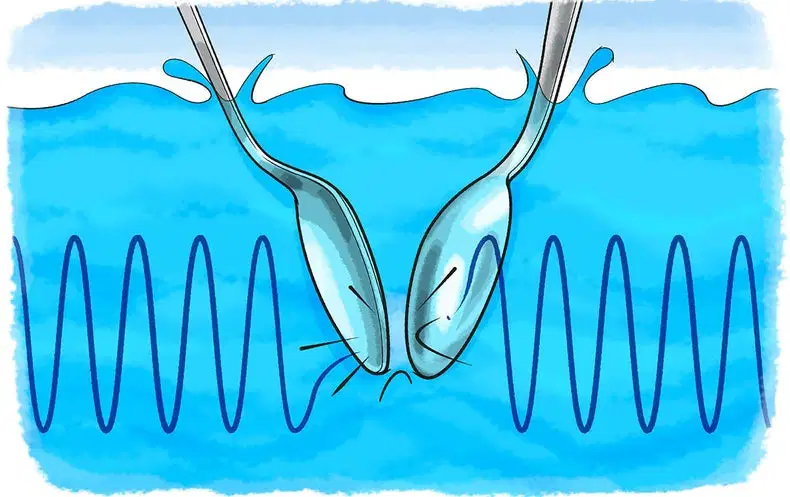
What is the speed of sound in water?
about 330 m/s
about 1500 m/s
about 5200 m/s
about l4.6 m/s

Which is faster?
sound wave
light wave
heat wave
vibration wave
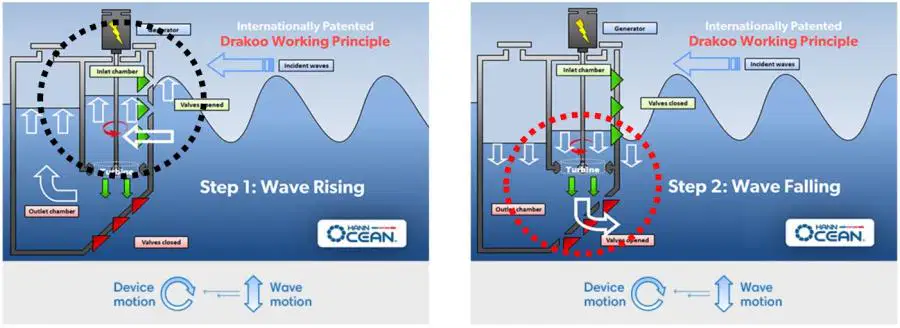
energy only
matter only
energy and matter
neither
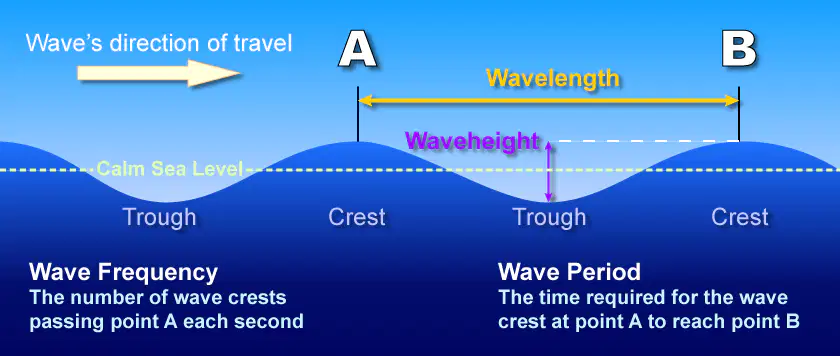
the crest
the trough
the top
the coast

Mechanical Waves
Electromagnetic Waves
Philosophical Waves

Amplitude
Crest
Frequency
Wavelength
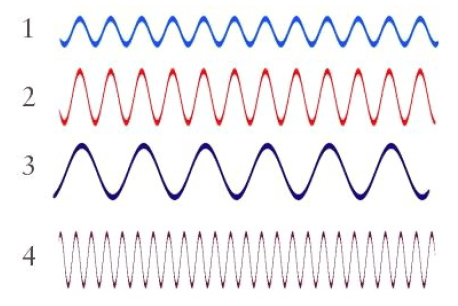
Which wave in the diagram has the greatest or highest frequency?
1
2
3
4
Refraction happens because light travels _____________ in glass or water compared to air
Faster
The same
At the speed of sound
Slower

The speed of sound depends on these two things:
The type of medium and the temperature of the medium
Speed of the medium and temperature of the medium
Temperature of the medium and sound of the medium
None of the above
Sound waves travel the fastest through ---
Liquids
Gases
Solids

Sonar and echolocation use ----- to detect objects under water.
Refraction
Reflection
Sound waves travel as _________ waves.
transverse
electromagnetic
longitudinal
surface
A back-and-forth motion causing particles to move close together generates a _______.
rarefaction
surface wave
transverse wave
compression
A rarefaction is generated when particles move ______.
together
closer
under
apart


Mr. Mar attaches a slinky to the wall and begins introducing pulses with different amplitudes. Which of the two pulses (A or B) below will travel from the hand to the wall in the least amount of time?
they arrive at the same time
A
B
the waves won't transmit through a slinky

While hiking through a canyon, Mrs. Matthewslets out a scream. Her echo (reflection of the scream off a nearby canyon wall) is heard 0.82 seconds after the scream. The speed of the sound wave in air is 342 m/s (Lesson Handout #2) Calculate the distance from Noah to the nearby canyon wall. Use s=td
140 meters
280 meters
834 meters
28 5278 meters

Miles & Cooper are resting on top of the water near the end of the pool when Miles creates a surface wave. The wave travels the length of the pool and back in 25 seconds. The pool is 25 meters long. Determine the speed of the wave. s=td
100 m/s
2 m/s
50 m/s
75 m/s


__________ have the most energy (highest interval, shortest period) of the electromagnetic spectrum.
infrared waves
microwaves
gamma rays
x-rays

Which of the following can waves transfer energy through?
solid
liquid
gas
empty space
all of the above

What are the two types of waves?
longitudinal and transverse
sound and light

What is the number of complete waves passing a fixed point in a given amount of time? (Think radio stations)
Amplitude
Intensity
Wavelength
Frequency

What is the frequency of this wave? You must count the number of complete waves.
1 Hz
5 Hz
10 Hz

What is frequency measured in?
Megahertz
Gigahertz
Hertz
Kilograms
What is the frequency of this wave? You must count the number of complete waves.
1 Hz
5 Hz
10 Hz
What is frequency measured in?
Milliseconds
Miles
Hertz
Kilograms

Period of a wave refers to...
how long (time) it takes a wave to repeat.
how strong a wave is.
how long a wave is.
how much energy a wave has.

Which type of waves have the longest wavelength?
Visible light
Radio waves
X-rays
Gamma-Rays

Wavelengths are usually measured in ....
seconds
Hz
inches
meters

Shorter wave lengths can carry more energy. Which of these probably carries the MOST energy (remember Astronomy from Q1?)
Infrared light
Visible light
X-rays
UV light

What is the distance between the calm sea and the highest wave called?
Wave
Frequency
Amplitude
Magnitude

What does #3 represent?
Period
Frequency
Wavelength
Amplitude
Waves transfer energy through a regular motion in space also called a (a) These types of wave ARE NOT (b) The distance between one spot on a wave to the same spot of the next wave is called it's (c) . Finally, the (d) of the wave is determined by how (e) the wave repeats during a period of time.
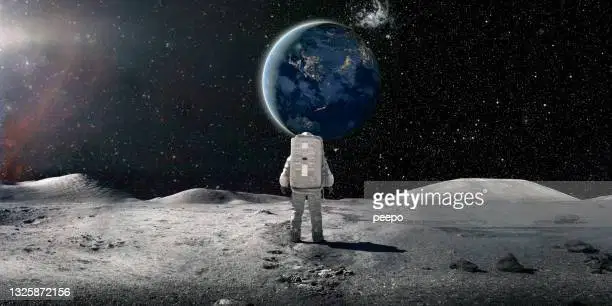
Light from distant stars traveled through the ______ of space for billions of years.
distance
vacuum
air
atmosphere

What type of energy does a sound wave have?
Mechanical
Radiant
Electrical
Sound
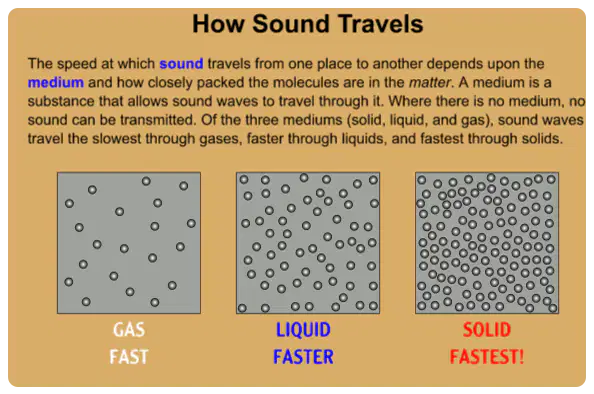
True or False: Sound needs a medium.
True
False

Sound is produced by -----
Heat energy
Low temperatures
Vibrations
Friction

Ocean waves are what type of wave?
transverse
Longitudinal
Neither
Both longitudinal and transverse

Sound waves that are beyond the range of human ear are known as ----
Infrasonic waves
Ultrasonic waves
Jualsonic
Megasonoic
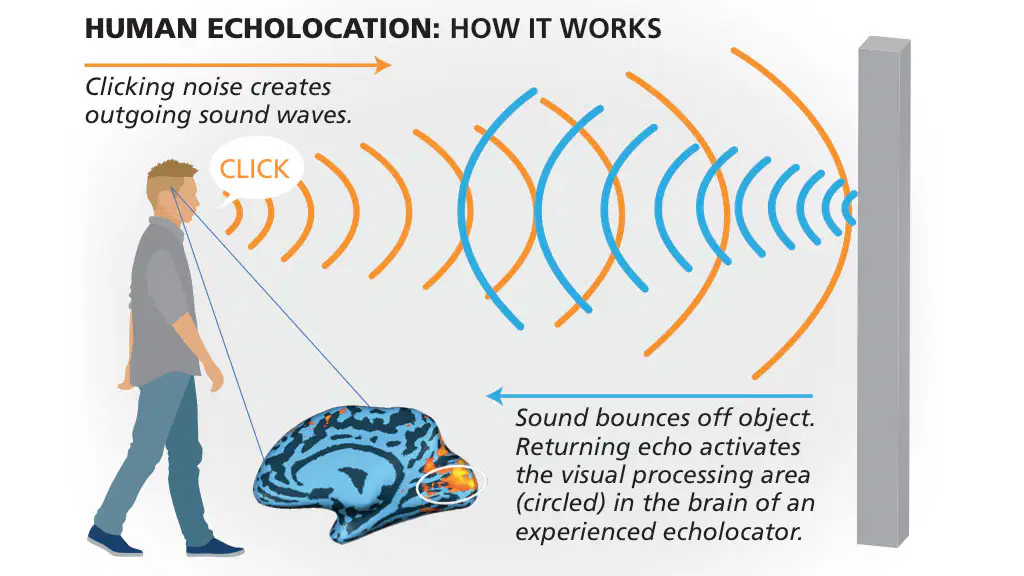
What kind of aquatic mammals us sonar and echolocation to detect objects under water?
seals
humans
dolphins
sharks
Sound waves travel the fastest through ---
Liquids
Gases
Solids

