
 Worksheets
Bio module 4
Total questions: 60
Worksheet time: 3600secs
What are the 4 major categories of neurotransmitters?
(a)
How are messages transmitted from one neuron to another?
(a)
postsynaptic cells...
(a)
a single synapse generates EPSPs that add up to a threshold voltage that triggers an action potential
(a)
EPSPs from several different synapses add up to a threshold at axon hillock
(a)
a gap region of close proximity between two neurons.
(a)
excitatory. glutamate and aspartate. Na+ enters
(a)
glycine and GABA are inhibitory, Cl- enters
(a)
signal cessation
(a)
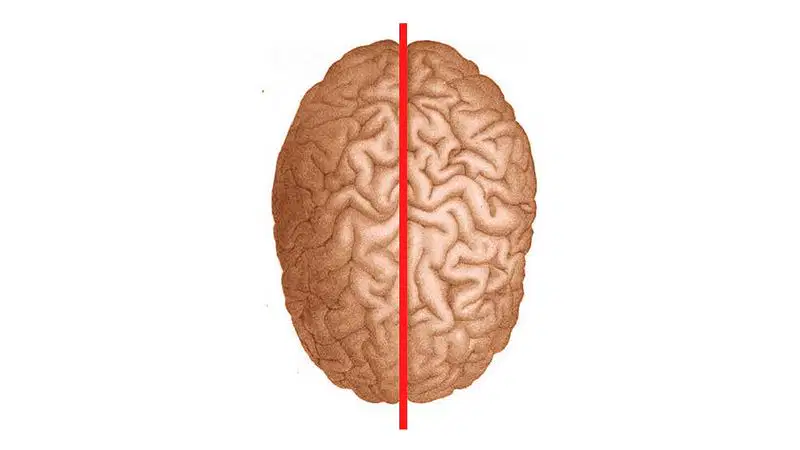
(a)
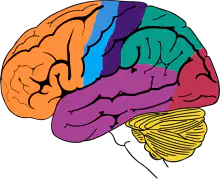
What is the orange?
(a)
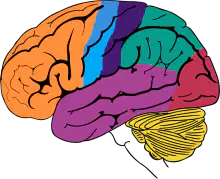
What is the yellow?
(a)
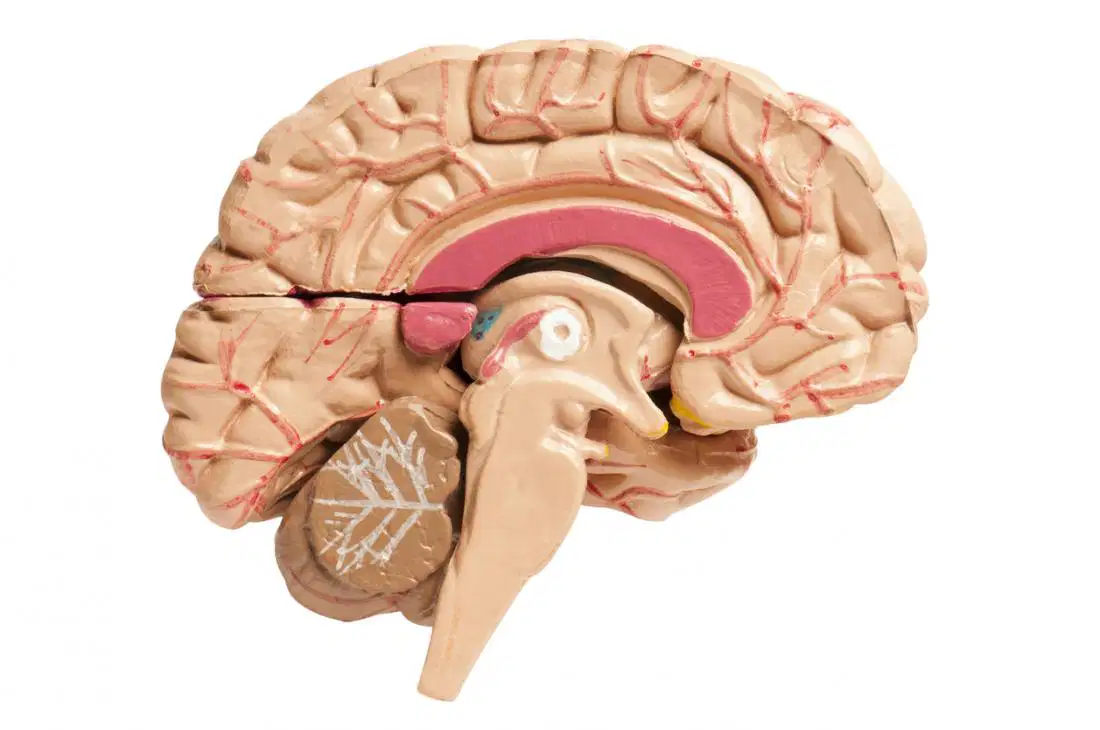
What is the pink figure?
(a)
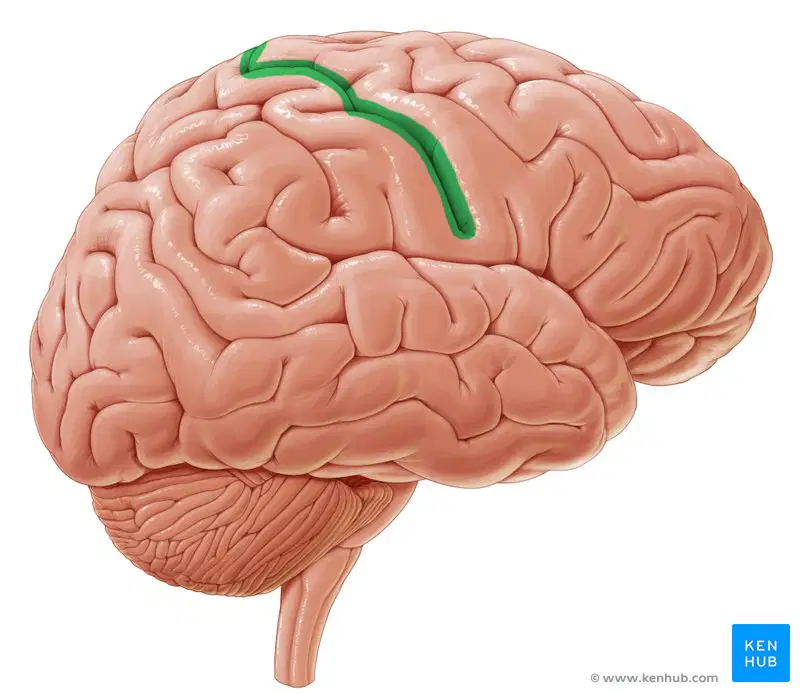
What is in green?
(a)
Grey matter lies...
(a)
White matter...
(a)
sulcus, gyrus
(a)
meninges in order, superficial to deep
(a)
CNI
(a)
CNII
(a)
CNX
(a)
produces finely detailed images
(a)
scalloped anterior margin of retina
(a)
this area contains no receptor cells
(a)
loose CT surrounding an individual nerve fiber
(a)
collection of nerves at the end of the spinal cord
(a)
sheath of CT surrounding a bundle of nerve fibers within a nerve
(a)
surrounds the Pia mater
(a)
cell bodies of primary afferent neurons from the trunk and limbs
(a)
C-shaped bundles of nerve fibers in brain that acts as major output tract of hippocampus...
(a)
allow communication b/w left and right cerebral hemispheres
(a)
allow communication between superior and inferior spinal cord centers
(a)
deep layer of dura mater...
(a)
splitting of optic nerve fibers, contralateral
(a)
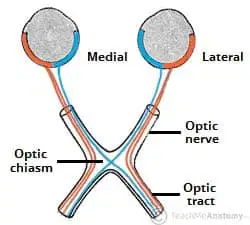
(a)
day/color vision, photopsins
(a)
night/ monochromatic vision. visual pigment, rhodopsin
(a)
middle ear has (a) bones
referred pain
(a)
discomfort, somatic and emotional. caused by tissue injury or harmful stimulation, and typically leading to evasive action
(a)
pain receptors
(a)
mechanoreceptors that sense body position, muscle tension, joint motion involved in reflex actions which maintain posture and equilibrium
(a)
specialized structures to detect stimuli and convert stimuli into nerve signals
(a)
sympathetic neurotransmitter
(a)
parasympathetic neurotransmitter
(a)
major control center of the ANS
(a)
exaggerated response of cardiac and smooth muscle of autonomic nerves are severed
(a)
normal background rate of activity that represents the balance of the 2 systems but will shift according to the body's changing needs
(a)
a specific area of skin that conveys sensory input to a pair of spinal nerves
(a)
this sensory neuron detects stimulus from skin, joints, bones, muscles, and transmits this signal to the spinal cord through the posterior root
(a)
these sensory neurons continue to the thalamus = gateway to the cerebral cortex at the upper end of the brain stem
(a)
these sensory neurons carry the signal the rest of the way to the sensory region of the cerebral cortex (primary somatosensory cortex, postcentral gyrus, and association areas)
(a)
section of spinal cord supplied by each pair of spinal nerves
(a)
provides motor innervation to the diaphragm and works in conjunction with secondary respiratory muscles for respiration
(a)
5 sets of interwoven nerves that innervate skin and skeletal muscle
(a)
central core of spinal cord that looks like a butterfly
(a)
spinal cord tapers to this point inferior to the lumbar enlargement
(a)
hippocampus, amygdala, cingulate gyres
(a)
gray matter which integrates motor commands, produces appropriate movement
(a)
spoken language. general motor program for larynx, tongue, cheeks and lips
(a)

