
 Worksheets
revision
Total questions: 115
Worksheet time: 2hrs 46mins
When would a metal be shiny?
when cut
when polished
when left in the rain
when painted
You found an object and want to determine if it is a metal or a non-metal. You carried out some tests on it and found out the following:
* you can bend it
* it does not break when you drop it
* it feels cold
Is it a metal or a non-metal?
non-metal
metal
Which of the following are true for non-metals?
brittle
conduct heat well
sonorous
do not conduct electricity

an alloy
a pure metal
Non-metals are typically good...
conductors of heat and electricity
insulators of heat and electricity
Why is it important to wear safety goggles when doing an experiment involving evaporating in the lab?
to protect the eyes from UV radiation
to protect your eyes from broken glass
because it is dangerous to get steam in your eyes
because the liquid may start spitting
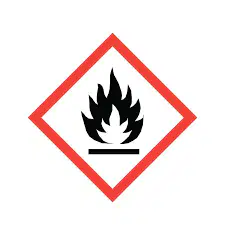
name the symbol
corrosive
explosive
oxidising
flammable

name the symbol
corrosive
explosive
oxidising
flammable
A chemical solution whihc is neither acidic or basic
pH scale
universal indicator
neutral
litmus
A mixture of indicators which show different colours in solutions of different pH
pH scale
universal indicator
neutral
litmus
A substance that can destroy living tissue. It can cause burns
corrosive
explosive
oxidising
flammable
material through which a wave travels
medium
pitch
particles
loudness
1.Sound is a form of energy made by ____________
electricity
vibration
light
volume

There is no sound in ______________.
electricity
air
water
space

Sound travels 4 times ____________than through water than through air.
faster
slower
higher
lower
Sound waves tend to travel more __________in gases
fast
quickly
slowly
normally
Plates that form the continents are called (a) plates.
Why did people not believe Wegener?
He did not have any evidence for his ideas.
He couldn't explain how continental drift happened
When does a lunar eclipse occur?
when the Earth comes between the Sun and the Moon
when the Sun comes between the Earth and the Moon
When the Moon comes between the Sun and the Earth
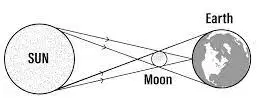
Name the eclipse
(a)
class of organisms to which molds and yeasts belong
bacteria
fungi
protozoa

Which animal is a tertiary consumer?
Owl
Mice
Grass seed

The Producer
The Sun
The Grass
The Mouse
The Snake

The Primary consumer in the picture
Grass
MIce
Eagle
Snake

The organisms that has the most energy is found
At the top of the energy pyramid
At the bottom of the energy pyramid

Herbivores eat
Plants
Animals
Plants and Animals

Where do plants get their energy from
Other plants
Sun
animals

What does the arrow point to in a food chain
what it eats
what eats it

An organism that lives by breaking apart dead animal and plants into simpler parts is...
scavenger
consumer
decomposer
carnivore

Antara susunan yang berikut, yang manakah ialah rantai makanan yang betul?
How is a food web different from a food chain?
Food webs contain only producers, not consumers.
Food webs do not include decomposers.
Food webs contain many different, linked food chains.
Food webs exist in aquatic environments; food chains exist in terrestrial environments.

This organism is most likely
A primary consumer
A secondary consumer
A decomposer
A producer

In an electrical wire, the copper core is a ........................... and the two plastic covers are ............................. (ANS form: A, B)
(a)
What are the safe ways to work with electricity?
Turn off mains electricity before fixing exposed parts
use exposed cables and broken plugs
Keep electrical appliances out of wet places
put your finger in a socket
not overload an electrical outlet


Which of the following is an insulator?
an eraser
a wire
a penny
a metal spoon
Which of the following is a conductor?
wood
rubber
metal
plastic


Electric current is defined as
detect electric current
negative terminal to positive terminal
positive terminal to negative terminal
the flow rate of electric charges through a conductor
Electrons flows from
detect electric current
negative terminal to positive terminal
positive terminal to negative terminal
the flow rate of electric charges through a conductor

If the one bulb burned out, what would happen to the other bulb?
stay lit
not light up
brighter
dimmer

What type of circuit is shown in the image?
series
parallel

Are the lights on in this circuit?
yes, the lights are on
no, the lights are off
water & a salt
a salt
A type of chemical that forms solutions that taste sour, due to high concentrations of positive hydrogen ions
acid
alkali
salt
pH
What is considered to be in the middle of the pH scale
acidic
neutral
alkaline
indicator
Alkalis
Which range of numbers represent alkaline solutions?
Alkalis
Alkalis


Bleach is a strong alkali, what is the pH level of bleach?

A bee sting is acidic and can be neutralized by?
water
salt
acid
alkali

Why is your toothpaste alkaline?
It can neutralise strong alkalis in
your mouth
It can neutralise acid in
your mouth
It can refresh your teeth
Toothpaste is not alkaline.

Excess acids in stomach can be neutralized using ............
antacid
vinegar
slaked lime
hydrochloric acid
A change in matter that produces one or more new substances is a ________________ change.
physical
chemical
A _____________ change is any change that alters the form or appearance of a substance but does not change it into another substance.
physical
chemical
In a chemical reaction, the _____________ are always written on the right side of the equation
reactants
coefficients
products
subscripts

A gel ice pack getting cold after you put it in the freezer for an hour - physical or chemical change?
Chemical Change
Physical Change

Turning on a Bunsen burner - physical or chemical change?
Chemical Change
Physical Change
Which of the following IS a physical change?
Getting a haircut
Milk going sour
Rusting metal
A new compound being made
What happens to the chemical structure of water when it changes state?
Water molecules break apart to form individual atoms
Water molecules melt into gas molecules
Water molecules harden into ice molecules
Nothing happens to the chemical structure
What is the left part of a chemical equation called?H2 + O → H2O
Reactants
Yields
Products
Chemical Equation
a chemical reaction has occurred if
there is a precipitate
there is a temperature change
there is a color change
All of these answers are evidence
A chemical reaction in which a substance burns in oxygen is known as ....
combustion
combination
A chemical reaction is...
When elements in atoms are rearranged to form a new substance.
When atoms in elements or compounds are rearranged but don’t form a new substance.
When compounds in atoms are rearranged but don’t form a new substance.
When atoms in elements or compounds are rearranged to form a new substance.

Adil is carrying out an experiment. He notices an increase in the temperature of his solution.
Did Adil's experiment involve a chemical reaction?
No
Yes
Carbon is one of the reactants used when forming carbon dioxide. What is a reactant?
The substances formed in a reaction.
A type of change where you can go back to the original substance.
A type of change where you can't go back to the original substances.
The starting substance in a reaction.

Study the equation above:
Using your knowledge of equations, identify the substance that is NOT a reactant.
oxygen
water
hydrogen
Which one of the following is an example of a chemical change?
Melting of chocolate
Rusting of iron
Boiling of water
Condensation on window
Which observation is NOT a sign of a chemical reaction?
fizzing
temperature change
dissolving
colour change
This is how you test for hydrogen gas
Put a glowing splint in the gas. It will relight
Put a lit splint in the gas. It will go pop
Bubble the gas through limewater which will go cloudy
The hydrogen will smell like rotten eggs
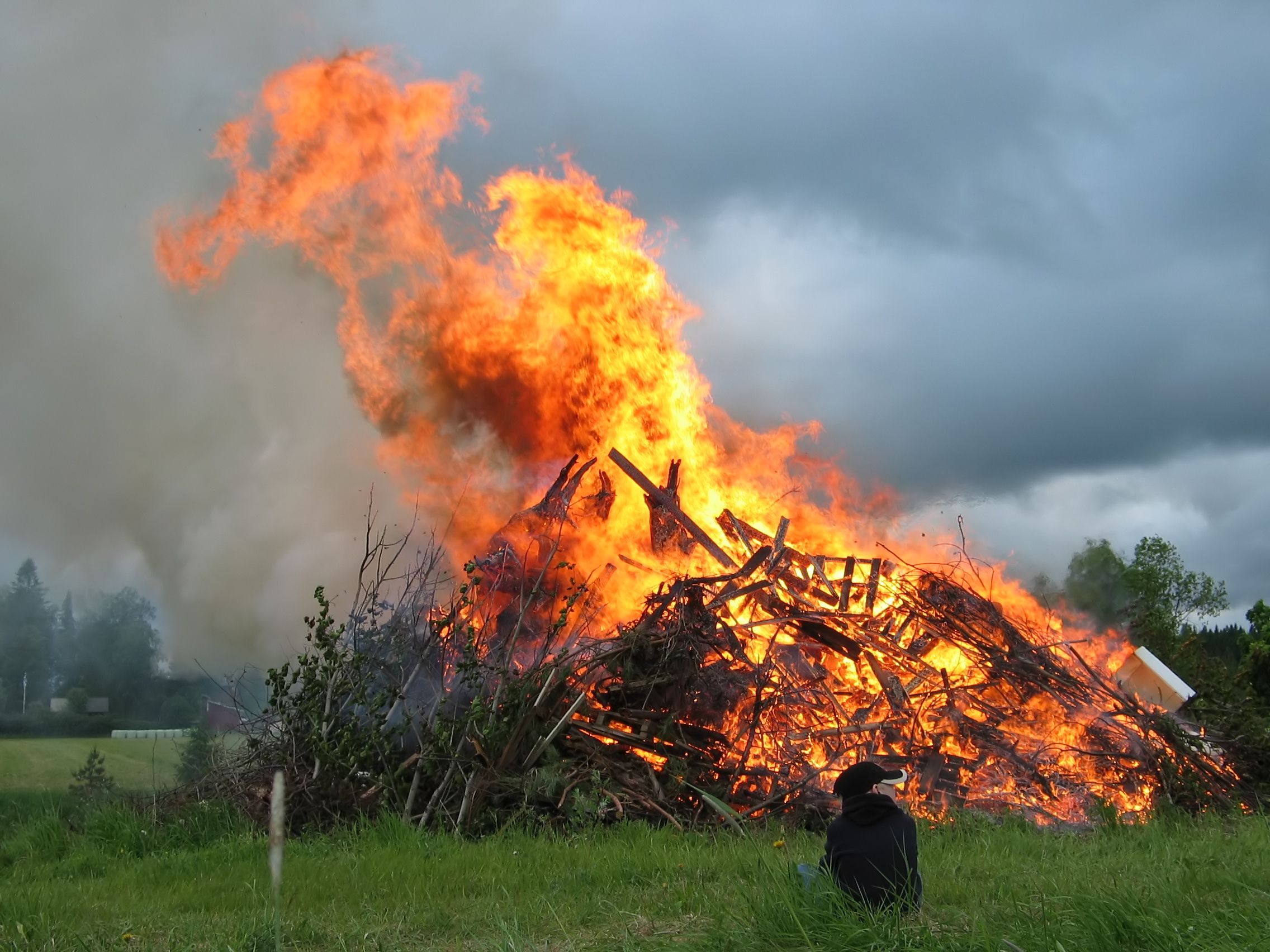


What gas is produced when a metal reacts with an acid
hydrogen
hydrogen oxide
oxygen
carbon dioxide
squeaky pop
which gas is important for the burning of substances?
Sulfur
Carbon
Oxygen
What are the products of combustion?
Hydrogen + oxygen
Carbon dioxide + water
Carbon dioxide + hydrogen
Carbon + water
heat or light is produced
You know that a chemical reaction has occurred if
there is a precipitate (new solid)
there is a color change.
there is a temperature change.
All of these answers are evidence.
A chemical change is different than a physical change because in a chemical change
chemicals are used
molecules do not physically touch
a new substance is formed and in a physical no new substance is formed
the change can be seen but in a physical change it cannot
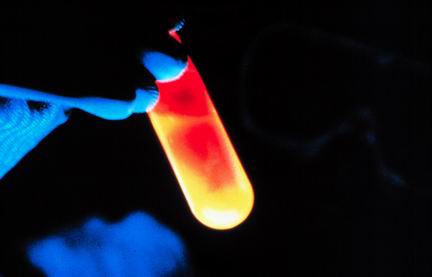
Complete the word equations.
copper oxide + sulfuric acid →
(black)
copper sulfate + water
(precipitate)
copper sulfate + water
(blue)
copper sulfate + water
(white)
copper sulfate + water
(green)
Complete the word equations.
magnesium + hydrochloric acid →
magnesium chloride + hydrogen
magnesium chloride
magnesium chloride + water
magnesium chloride + carbon dioxide
When potassium is placed in water, hydrogen has given off. The reaction produced
an alkali
a precipitate
so much heat
a blue solution

Marble Chips in Hydrochloric Acid makes a gas that turns lime water cloudy. What is the name of the gas?
Hydrogen
Oxygen
Carbon Dioxide

