
 Worksheets
S1 Final Exam MMS
Total questions: 120
Worksheet time: 2hrs 59mins
What role does the nucleus perform in a cell?
it controls the cell
it allows storage in the cell
it holds organelles
it moves materials around the cell
The "jelly-like" material inside a cell is known as the
Plants need sunlight to survive because _________ .
they can only exist in the humidity sunlight provides.
they get minerals from sunlight.
they make sugars from sunlight.
Mosses, liverworts, and horn worts are ________________ because they transport materials from cell to cell instead of in tube-like structures.
vascular
non vascular
The process by which plants make food
Photosynthesis
Phototropism
Vascular Delivery

This is a paramecium. It moves with tiny hairs, so it must be a (a) .

This protist moves with a long, whip-like tail called a (a) .

How does this protist move?
(a)
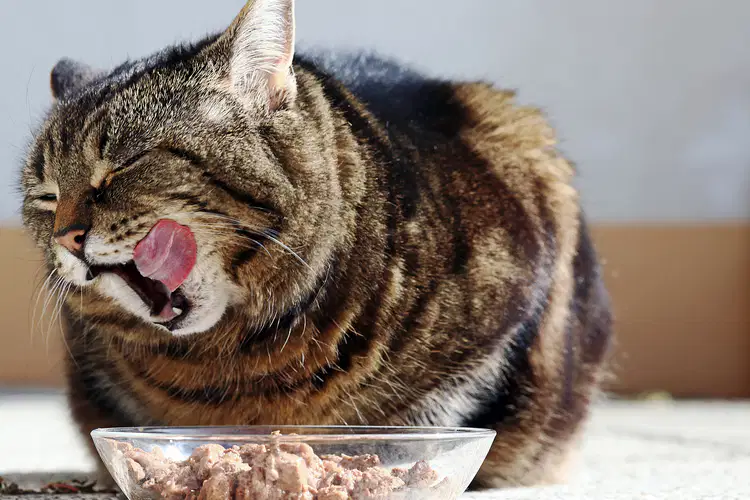
An organism that can not make its own food is called what?
(a)
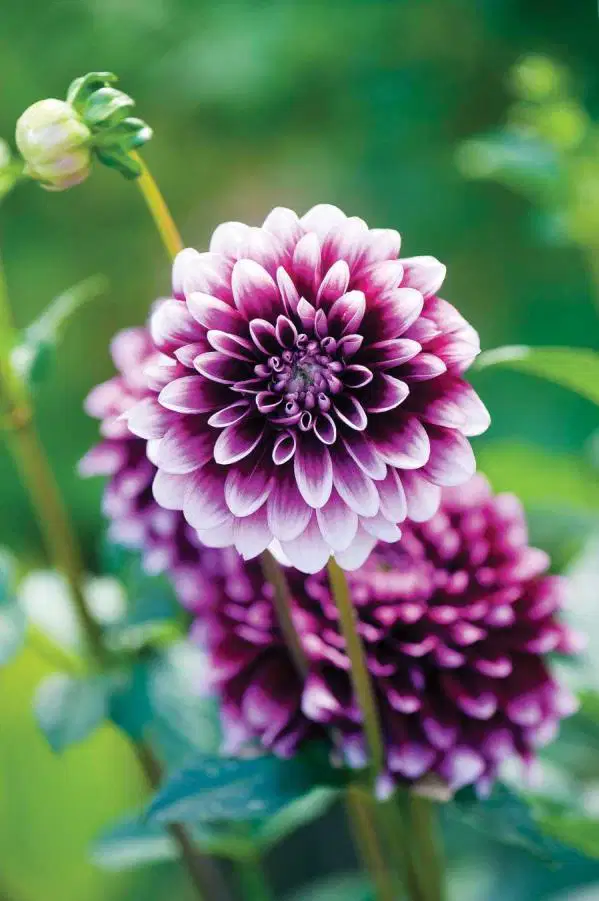
A protist that can make its own food is called what?
(a)
How are animal-like protists classified?
How the eat
Where they live
How they move
What type of cell do BACTERIA have?
Prokaryotic
Eukaryotic
Which of the following do ALL (every single one) of the Protists have in common?
They are multicellular
They require a water-rich environment
They move using flagella
Fungus-like protists are called _________
algae
slime molds
protozoans
These are plant-like protists capable of photosynthesis.
(a)

What is this golden, silica-based algae called?
(a)

This algae has 2 flagella. They are called
Euglena
Dinoflagelletes
Sporozoans
Diatoms
Where do the slime molds get energy?
Hunting living things
Sunlight
Decomposing dead matter
All of the major body changes that take place during the life of a SINGLE organism is called
changes
Any living thing is called a(n)
(a)
What is taxonomy?
the process used by geologists to classify rocks
the scientific study of how living things are classified
the process of dissecting an organism
An organism's scientific name consists of
its class name and its family name.
its genus name and its species name.
its phylum name and its species name.
The experiments of Redi and Pasteur helped to demonstate that
species gradually change over time.
organisms can be placed in groups based on their similarities.
living things only come from other living things.
the chemicals of life could have arisen on early Earth.
All living things are composed of / built of
(a)

Living things require energy to survive.
True
False
True or False: Living things can exist without DNA.
True
False
Who first proposed binomial nomenclature as a way of classifying organisms?
Carlus Linneaus
Charles Darwin
Levi Redi
Who is the father of evolution?
Charles Darwin
Levi Redi
Issac Newton

Their wing shapes
What part of a fungus is used for reproduction?
spores
seeds
pollen
eggs
What vocabulary word describes breaking down dead things and recycling it's nutrients?
(a)
Fungi obtain water and nutrients through hyphae. What are hyphae?
long, single strands that will grow towards food or water
structures that help fungi to gather light
structures that allow reproduction
Which TWO conditions do Fungi grow best in? Click BOTH
Cold
Dry
Warm
Moist
True / False: If decomposers did not exist, every organism that has ever lived would still be here. Simply put, we would be walking on a world covered in dead bodies.
True
False
All of the hyphae bundled together is referred to as the (a)
Where do Angiosperms produce their seeds?
spores
cones
flowers / fruit
What is the female reproductive part of a flower called?
anther
pistil / carpel
sepal
Plants with seeds in cones are called?
Gymnosperms
Angiosperms
Bryophytes
What do male cones produce?
(a)
Female cones produce________.
spores under the scales
pollen under the scales
eggs under the scales
They never lose their leaves so the are always green, even when sick

State the phylum of this organism
Echinodermata
Cnidaria
Porifera
The wide opening at the top of the Sponge is called the
(a)

State the phylum of this organsim
Porifera
Cnidaria
Annelida
Prokaryotes are unlike / different than all other organisms in that their cells
do not have a nucleus
have organelles
have cell walls

What would be the most correct binomial nomenclature for the grizzly bear?
Carnivora ursidae
Ursus Horriblis
Horriblis Ursus
Ursus horriblis
Where are the spores found under a mushroom?
The gills
Under the soil
They bud off of the stalk

Veggies exist in botany / science.
True
False

What worm PHYLUM does this species belong to? It has NO segments.
(a)

What type of symmetry is shown in the image?
(a)

Segmented worms are members of PHYLUM
(a)
The ______ grinds soil and bits of organic matter in worms.
gizzard
crop
stomach acid
small intestines
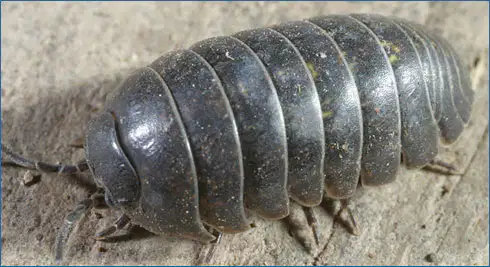
The hard outer layer on an arthropod is called an...
endoskeleton
exoskeleton
septa
setae

Which is NOT a main class in Phylum Mollusca?
Crustacea
Cephalopoda
Gastropoda
Bivalvia
The ________ produces a mollusks shell and covers its internal organs.
Visceral Mass
Mantle
Radula
What is molting?
How an arthropod swims backwards
The shedding of an exoskeleton
When an arthropod loses it's legs
Spiders, ticks, scorpions all belong to Class _____________.
Crustacea
Arachanida
What part of a crustacean's body help it smell and feel?
Antennae
Chelipeds
Walking Legs
Pedipalps
2 legs (1 pair)
6 legs (3 pair)
4 legs (2 pair)
8 legs (4 pair)

____________ are the jaws / teeth of an Arthropod.
pedipalps
labrums
maxillae
mandibles
Flagella inside a sponge keep water moving through its body. Why is this necessary?
It allows digestion inside the sponge
It allows the sponge to feed
It allows the sponge to absorb carbon dioxide
Sponges are primarily sessile organisms. What does this mean?
They live permanently in one place
They move around their whole life

Asexual sponge reproduction where a piece of the adult sponge breaks off and settles in a new area growing to adulthood.
cloning
branching
budding
regeneration

What sponge structure is shown in this picture?
pores
choanocytes
osculum

Name this body type.
(a)

Name this body type.
(a)

What is the name of the RED part of this cell?
nematocyst
cnidocyte
operculum
What is the name of this entire cell (both red and white parts)
nematocyst
cnidocyte
operculum
What does dorsal mean?
top
bottom
What does ventral mean?
top
bottom

Members of Kingdom Animalia are... choose BOTH all of the correct choices.
Multicellular
Unicellular
Eukaryotic
Prokaryotic

Which phyla does this worm belong to?
(a)

What do we call the ring of hooks on Flukes and Flatworms?
Septum
Setae
Clitellum
Scolex
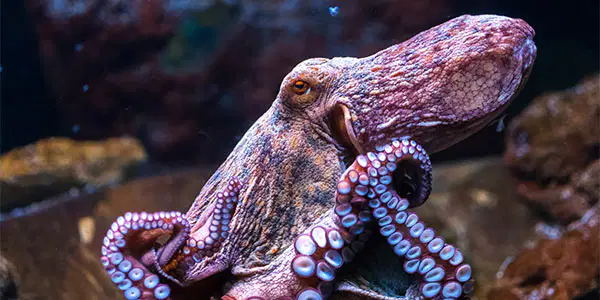
What Phylum includes animals with a muscular foot, a visceral mass, and a mantle that may create a shell?
Mollusca
Arthropoda
Cnidaria
Porifera

What structure to segmented worms have to allow them to move (keep them from going backwards)?
scales
setae
segments

What is the name of the structure indicated by the arrow?
(a)
Flat worms don’t need another host to survive
True
False

What TYPE of mollusk is this?
Bivalve
Gastropod
Cephalopod

What TYPE of mollusk is this?
Bivalve
Gastropod
Cephalopod

What TYPE of mollusk is this?
Bivalve
Gastropod
Cephalopod
How many legs do arachnids have?
4 (2 Pair)
6 (3 Pair)
8 (4 Pair)

Cephalopods have an evolved muscular foot that appears as
1 foot on their stomach
1 foot they push out between their shells
Tentacles
If an animal has TWO sets of antennae and a cephalothorax, then it must be a member of the Class Crustacea.
True
False
Roots anchor plants to the ground and absorb water and minerals in vascular plants.
True
False
The waxy layer on leaves is called the epidermis
True
False
Which of the following do animal cells NOT have?
Cell Membrane
Mitochondria
Cell Wall
Nucleus
Spiders bite with structures called (a)
Arachnids and insects are in the same class of Phylum Arthropoda.
True
False
A butterfly is an example of complete metamorphosis.
True
False

What is the FUSED, 1st part of an arthropod called?
thorax
abdomen
cephalothorax
The section of a mollusk containing nearly all of the internal organs is the
mantle
central disk
visceral mass
hemal system
Which of the following is only found in EUKARYOTIC cells?
nucleus
DNA
cell membrane
ribosomes

What type of symmetry does this organism have?
Asymmetry
Bi-lateral
Radial
Pentaradial
True or False: Kingdom Protista is all the organisms that do not fit into Plantae, Fungi, Animalia etc.
True
False
Why are flower petals colored?
They attract different kinds of animals.
They help perform photosynthesis.
The colors show which flowers are poisonous to bugs.
The common name for the organisms in the phylum Bryophyta are the
flowering plants
pines
mosses
ferns

Name the plant type.
Gymnosperm
Angiosperm
Bryophyte
Pterophyte

Name the plant type.
Gymnosperm
Angiosperm
Bryophyte
Pterophyte
Which two are needed for photosynthesis to start? Click BOTH correct choices.
Oxygen
Carbon Dioxide
Glucose
Sunlight
What two molecules are created after photosynthesis is finished? Click BOTH correct answers.
Water
Oxygen
Glucose
Sunlight
How have Angiosperms evolved to spread so far and wide?
Through the process of asexual reproduction.
By using animals for pollination and seed dispersal.
Through the use of wind and water to move spores.

Name the plant type (Commonly these are called "ferns).
Gymnosperm
Angiosperm
Bryophyte
Pterophyte


Stamen is labelled with which number? Remember you can click the picture to enlarge it.
3
4
6
7

Is this a Monocot or a Dicot?
monocot
dicot
You dissect an organism with a heart, veins, and arteries. What type of circulation is this?
Open
Closed

If an organism, like this spider, has most of its senses at its head, we say it has
(a)
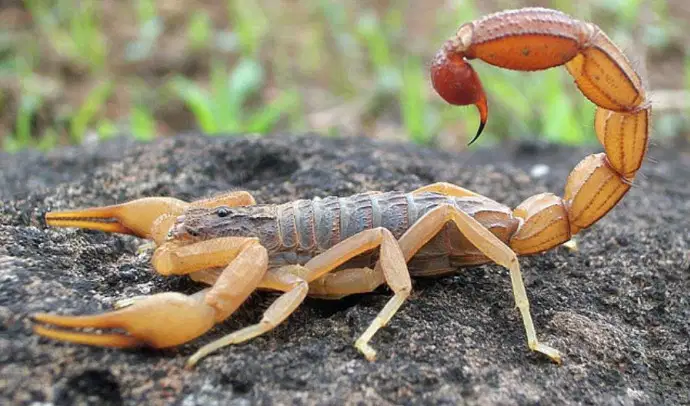
How many body sections are found on this Arachnid?
1
2
3

If an organism requires a partner to reproduce, Biology calls this
Asexual Reproduction
Sexual Reproduction
Spontaneous Generation

