
 Worksheets
Science Year Review
Total questions: 130
Worksheet time: 22mins
A theory explains what?
(a)
A law descibes what?
(a)
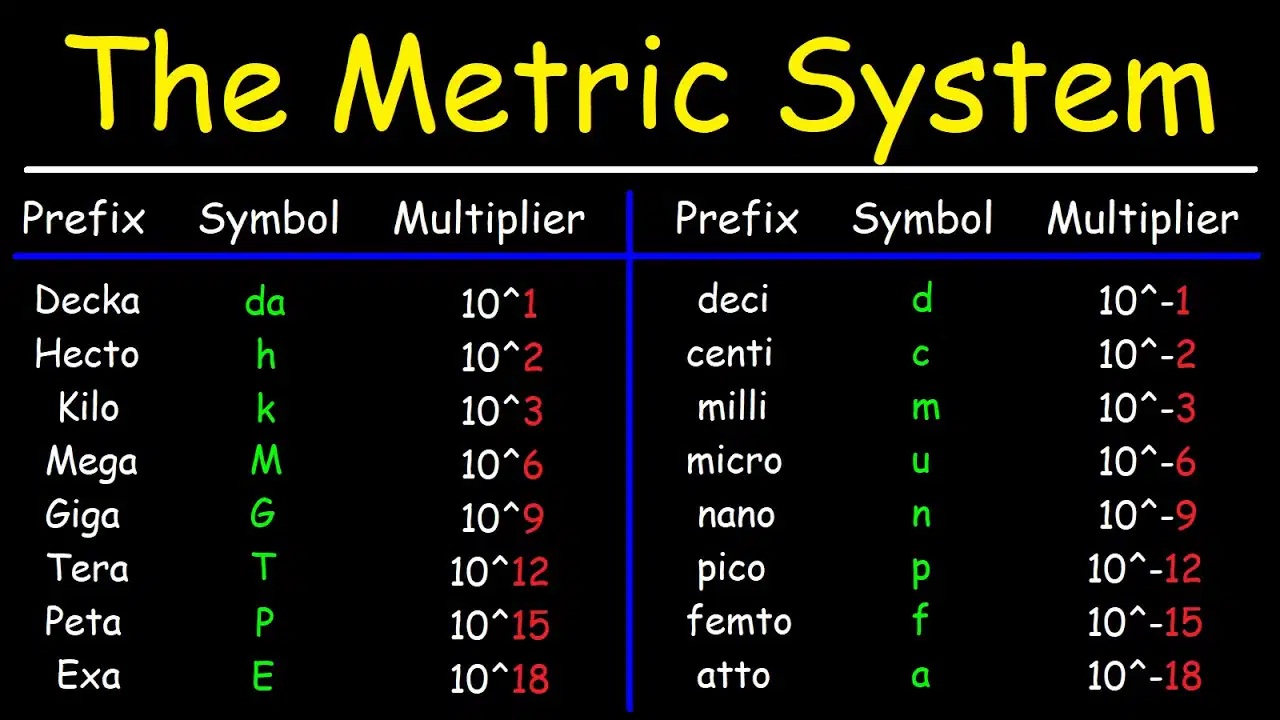
What is the largest metric measurment?
Hecto
Kilo
Deci
Deka
Centi
What factor is the metric system based on?
10
100
1000
1
What is a control group?
The variable that gives you the data.
The variable that you change between groups.
The group that is being compared to the other.
Variables kept the same so they won't affect the results.
What is the 2nd smallest metric mass?
Centi
Hecto
Deci
Milli
True or False : Most of the World uses the metric system
False
True
What is an observation?
An assumption you make based on observation, evidence, and reasoning.
Made by using the 5 senses. Simple straight forward statements.
Based on looking.
The result of an experiment.

Which is a qualitative observation?
The bird is purple
The bird weighs 7 grams
The bird has tiny wings
The bird is small

Which is a quantitive observation?
The grape has a green leaf.
The grapes weigh 2 pounds
The grapes measure 6 inches
The grapes are purple
What is the scientific method?
A set of steps for solving problems.
A scientific question
A way to solve problems
A series of steps used by scientists to solve problems or find answers

Which is a qualitative observation?
The fish is white and orange
The fish has spikes
The fish has fins
The fish weighs 30 pounds
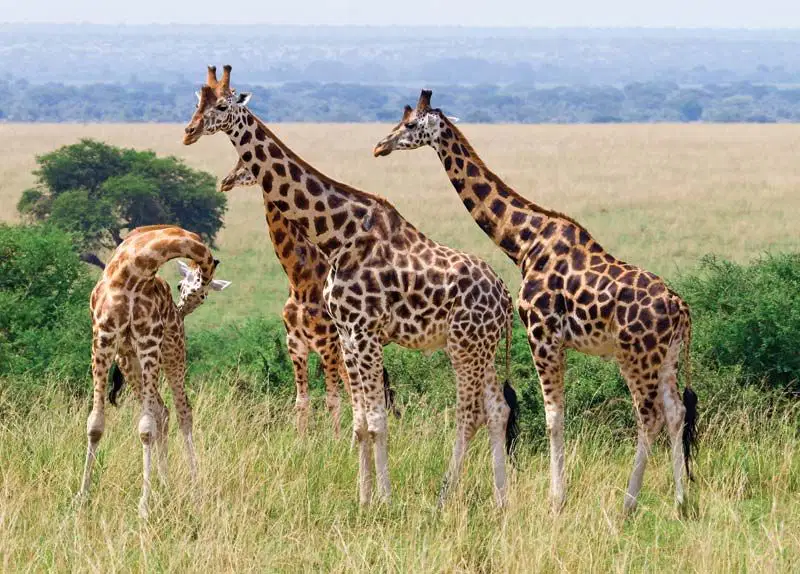
Which are quantitive observations?
The giraffe is spotted
The giraffe has a long neck
The giraffe weighs 4,200 pounds
The giraffe is 17 feet tall.
What is a hypothesis?
A possible explanation for something but has not been tested yet.
An explanation for a problem
The scientific reason for why something happens
What are the 3 states of matter?
Air, Gas, Liquid
Liquid, Atoms, Gas
Atoms, Electrons, Solids
Solids, Gases, Liquids
True or False: Solids have fixed volumes,shapes, and masses.
True
Flase
What charge do protons have?
Negative
Positive
Equal
Protons don't have a charge.
What is the phase change of gas to plasma?
Deionization
Ionization
Sublimation
Condensation
What is the energy transfer of solid to gas?
Freezing
Condensation
Deposition
Sublimation
What charge do electrons have?
Electrons do not have a charge
Both
Negative
Positive
Anything that takes up space and has mass is
(a)
The amount of gravitational pull something has is what
Weight
Mass
Force
Pressure
What is the amount of space something takes up?
Mass
Volume
Weight
The flow of energy from warmer places to cooler places is what?
(a)
What is the transfer of heat through touch.
(a)
A tool that does not let heat pass through easily.
(a)
A Heterogeneous combination of 2 or more substances that keep their physical properties unchanged
Mixture
Solvent
Solution
What tool is used to measure mass?
Scale
Balance
Tube
What tools are used to find volume?
Meter Stick
Graduated Cylinder
Ruler
Tube
What are atoms mostly filled with?
Protons
Electrons
Neutrons
Empty Space
What is the nucleus made of?
Neutrons and Electrons
Protons and Electrons
Protons and Neutrons
What charge do neutrons have?
Positive
Neutral
Negative
What of the following are examples of condensation?
Hail
Snow
Rain
Water
Things that allow heat to pass through easily.
(a)
To resistance to liquid flow.
(a)
What is a resistor?
(a)
What are the 3 particles that make up an atom?
(a)
How many possible paths of electricity are in a parallel circuit?
More than 1
1
None
True or False: A mechanical wave needs a medium to pass through.
False
True
Which direction do transverse waves move.
Parallel
Perpendicular
Straight
How many possible paths are in a series circuit?
(a)
What is the crest of a wave?
The Middle
The Bottom
The Top
How do you measure the wavelength of a wave?
(a)
What is the bottom of a wave?
Amplitude
Trough
Crest
What is the speed of light?
300,000 kilometers per second
669,600,000 miles per hour
300,000 kilometers per hour
What is amplitude?
The Height of a wave
The length of a wave
The frequency of a wave
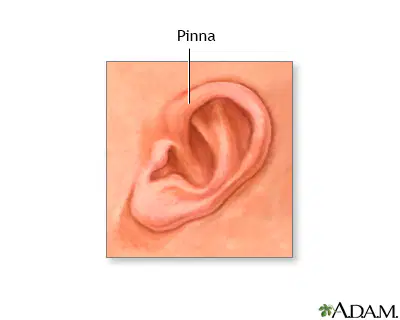
What does the pinna do?
(a)
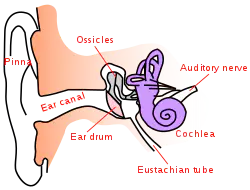
What does the Ear Canal do?
(a)
What are the parts of the middle ear?
(a)
What does the Cochlea do?
It sends electrical signals to the Auditory Nerve
It sends sound waves to the brain
It amplifies the sound
What does the Cornea do?
(a)
A muscle in the eye that controls how much light is let in
Pupil
Sclera
Optic Nerve
Iris
A tough white skin that covers all of the eye except the Cornea
Optic Disk
Sclera
Iris
Lens
The internal membrane of the eye
Retina
Macula
Pupil
Iris
What is a Frequency of a wave.
(a)
What is the equation for Velocity?
(a)
This EM wave we sense as heat?
Radio
Infrared
Micro
Gamma
This type of EM wave comes from the sun
Gamma
Micro
Ultraviolet
Visible Light Waves
These types of waves are high frequency and are caused by explosions
Ultraviolet
X-rays
Infrared
Gamma
This wave has the shortest wavelength
(a)
The ability of a material to bounce into position
Temperature
Density
Elasticity
The amount of energy a sound wave carries per second.
Elasticity
Intensity
Loudness
Frequency
What is a Nebula?
(a)

Our solar system started out as what?
Nebula
Dust
Gas
Minerals
What happened to the nebula that is now our solar system?
It started to heat up and contract because of gravity
It heated up
Nothing Happend
What is the biggest planet in our solar system?
Mercury
Saturn
Uranus
Jupiter

What is the smallest planet in our solar system?
Mercury
Venus
Mars
Neptune
A ball of plasma where nuclear fusion is happening.
(a)
When a nebula flattens and the center condenses.
(a)
True or False : The life of a star depends on it's mass
True
False
The logest phase of a stars life
(a)
About how long is the Main Sequence of a star?
(a)
Does mercury have an atmosphere?
No
Yes
What is the hottest planet?
Mercury
Neptune
Saturn
Venus
The only planet that has life
(a)
This planet is mostly made out of carbon dioxide
Venus
Uranus
Mercury
Pluto
Located between Mars and Jupiter they are airless leftovers from the solar system formation
(a)
What is the first law of planetary motion?
Planets stay in elongated orbits with the sun as a focus
All things in motion must stay in motion
For every reaction there is an equal reaction
What is the 2nd law of planetary motion?
A planet covers the same area of space in the in the same amount of time no matter where it is in orbit.
The is no 2nd law.
Things always stay in orbit.
Where are most comets found in?
(a)
Objects that are too small and too numerous to be considered planets.
(a)
Space rocks that crash into Earth's atmosphere but don't land on Earth
(a)
They are pieces of comets or asteroids.
(a)
Asteroids that make it through Earth's atmosphere and land on Earth
(a)
What are seasons?
The change of things in each quarter of the year
Things that just happen.
Regular changes in temperature that happen every year.
What are the seasons.
Winter, Fall, Spring
Fall, Spring, Summer
Spring, Summer, Winter
Spring, Summer, Winter, Fall
Why do we have seasons?
The Earth's Tilt on it's axis.
The Sun
Other planets
The Moon
What are Tides?
(a)
Why are tides caused?
The interaction between the Sun, Earth, and Moon.
The other planets
The Sun
The orbit of earth
What direction does the moon orbit in?
(a)
What doe waxing mean?
(a)
What does Waning mean?
(a)
What zone is Earth in that allows it to have life?
Goldilocks Zone
Warm Zone
Hot Zone
Inner Planets
What are 2 things that help Earth sustain life?
Liquid Water
Grass
Animals
Suitable Energy Source
What are the 2 types of igneous rocks?
(a)
What are the 3 types of rocks?
(a)
What are the 3 types of sedimentary rock?
Chemical
Clastic
Organic
What are the types of metamorphic rock?
Intrusive
Clastic
Foliated
Non-Foliated
True or False: The rock cycle has a start.
False
True
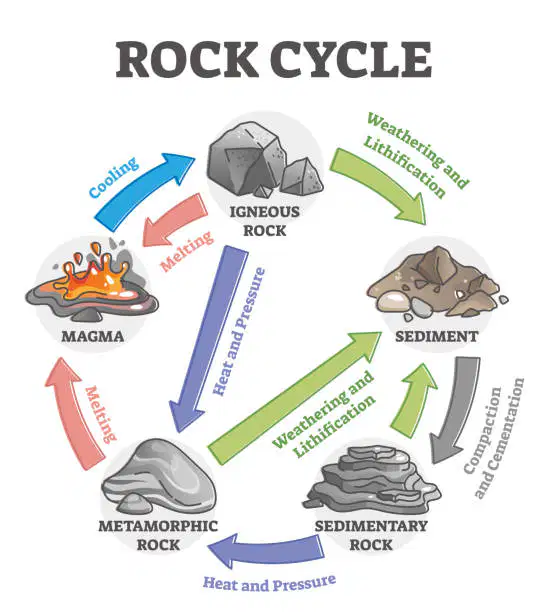
The broken down pieces of a rock.
(a)
What are the 2 types of weathering?
(a)
Formed by the melting of rocks.
(a)
The idea is that the continents were once together and drifted away over time.
(a)
The breaking down of rock to sediment is called what?
Erosion
Deposition
Weathering
The transport of weathered material from one place to another.
(a)
The setting of eroded material.
(a)
What is soil made of?
(a)
The top of the soil and is made of dead plants and animals.
(a)
What is the order of the soil horizons?
(a)

It is made up of humus, dead plants, and dead animals.
O Horizon
A Horizon
B Horizon
C Horizon
The horizon is mostly made up of bedrock.
(a)
A boundary that is pulling away.
(a)
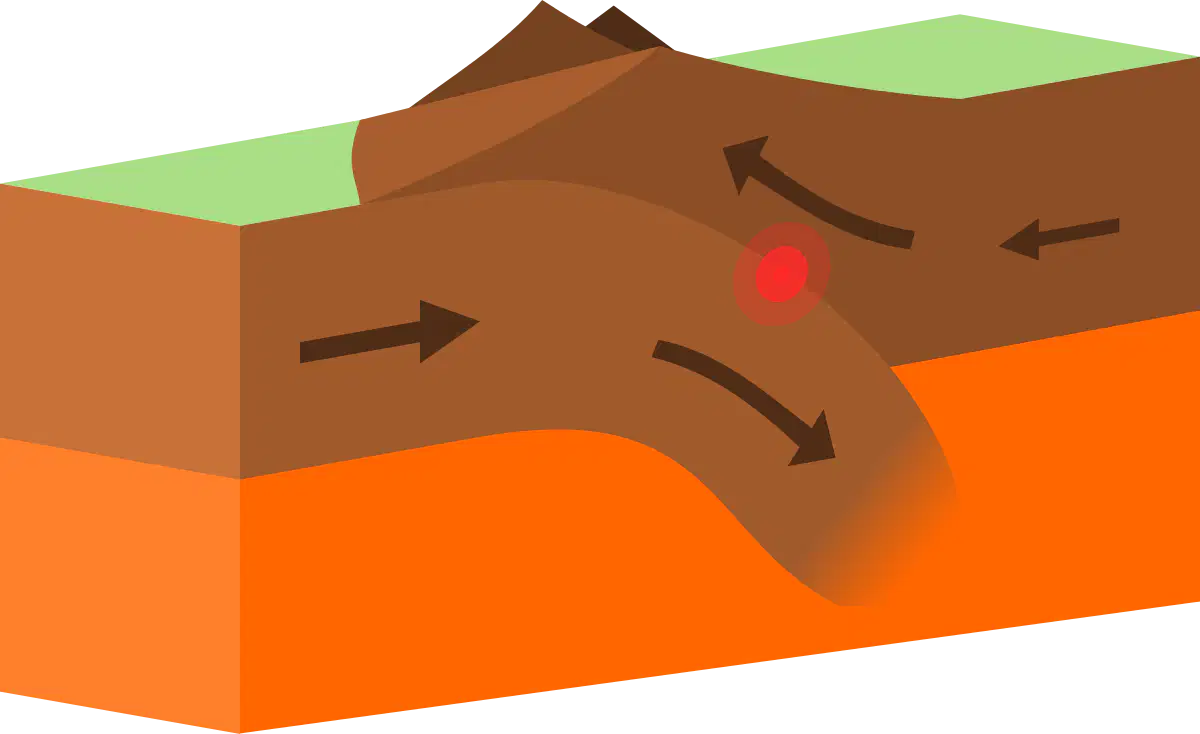
A boundary that comes together
(a)
A boundary that slide past one another.
(a)
Thicker but less dense and creates a land mass.
(a)
Thinner and more dense underwater.
(a)
The layer of Earth that is between the crust and the core.
(a)
The shaking of Earth caused by a sudden burst of energy.
(a)
Waves caused by Earthquakes and underwater eruptions.
(a)
What are the 3 types of volcanoes?
(a)
Large aquatic photosynthetic plants that can be seen without a microscope
(a)
Non-Vascular land plants.
(a)
Nonflowering vascular plants that have true roots and complex leaves.
(a)
Absorb nutrients and water and serve as an anchor for the plants
(a)
The 4 types of plant tissues are?
(a)
Transports nutrients and sugars throughout the plant.
(a)
Has all 4 structural parts
(a)
Has both male and female parts of a plants
(a)
The female parts of a plant.
(a)
The male parts of a flower
(a)

