
 Worksheets
7th Grade Semester 2 Final Review
Total questions: 129
Worksheet time: 2hrs 56mins
An ecosystem is made up of all the ___________ and _____________ factors in an area.
not/without
Limiting Factor/ Carrying Capacity
Biotic/Abiotic
life/ biotic factor
Living or once-living organisms in an ecosystem are called ___________.
abiotic factors
biotic factors
non-living
life
Nonliving elements in an ecosystem are called _______________.
biotic factors
abiotic factors
limiting factors
carrying capacity


Is dirt an abiotic or biotic factor?
abioitic
biotic


Is weather an abiotic or biotic factor?
abiotic
biotic
Put the levels of organization in an ecosystem in order from the LARGEST to the SMALLEST.
population, organism, community
organism, community, population
community, population, organism
community, organism, population
FALSE
Which of the following is the most simple level of ecological organization?
A community
Organisms
A population
An ecosystem

What level of organization can be seen here? (a cluster of sea urchins)


A place where an organism lives.
Their Terrain
Their Habitat
Their Community
Their Population

Light Energy -> Producer -> Consumer -> Second Level Consumer -> Top Consumer -> Decomposer.
This is an example of a...
Food Web
Food Chain
Level of Organization
Food Pyramid

What happens to energy as different levels of organisms consume each other?
100% of the energy is passed to consumer
50% of the energy is passed to consumer
10% of the energy is passed to the consumer
0% of the energy is passed to the consumer

Why are "Top Consumers" called by this special name?
They get the most energy from whatever they consume.
They get to eat their meal last.
They can feed on anything.
Nothing actively hunts them as a food source.
TRUE of FALSE: You can not have a Food Web without a Food Chain.
TRUE
FALSE

The percentage of Energy that is lost as you move up the Energy Pyramid is lost how?
The climate in which the organisms exist in is too cold.
Everyday activities such as breathing and eating spend the energy in the form of heat.
The higher level consumer doesn't eat the entire organism.

If 200,000 calories are available at the Producer (bottom) level of a given Energy Pyramid, how many calories will be available for the Secondary (2 levels up from bottom) Level Consumer?
100,000
20,000
2,000
2,000,000
From the bottom of the Marianas Trench to the top of our breathable atmosphere would be considered what level of organization
ecosystem
community
population
biosphere
Energy from the Sun is given to ___________________ so that they can make their own food.
Producers
Consumers
Decomposers
These organisms can be herbivores, omnivores, or carnivores.
producers
energy input
consumers
reducers
If we are talking about the cycling of matter, the correct order of biotic and abiotic factors would be...
energy source, producer, primary consumer, top consumer, decomposer
producer, decomposer, energy source, consumer
primary consumer, producer, top consumer, energy source, decomposer
energy source, nutrients, decomposer, consumer, producer
How many levels of organization are there on Planet Earth?
4
3
6
5
When viewing Food Webs, the arrows show what?
The flow of energy to the organism doing the eating.
The flow of energy to the organism being eaten.
The way to follow the food web.
Which organism will be eaten next.

In this food web, what does the owl eat?
grasshopper, bird
frog, mouse
mouse, rabbit
grass, frog

List a top level consumer from the food web...
Deer
Snake
Hawk
Bees

How many producers are there in the food web?
3
2
4
1


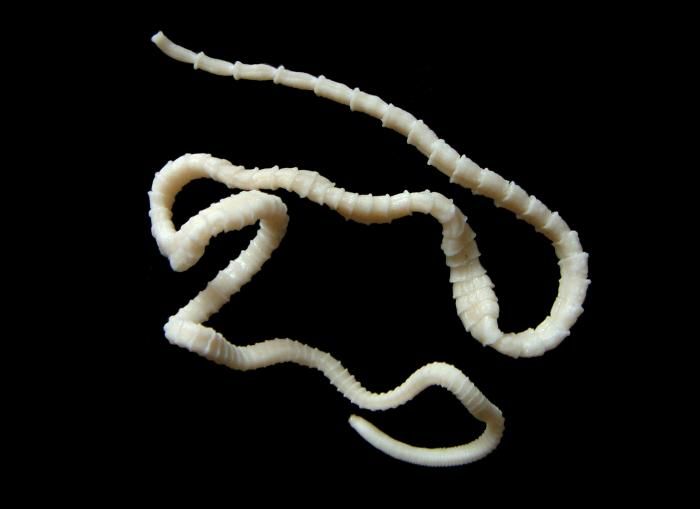
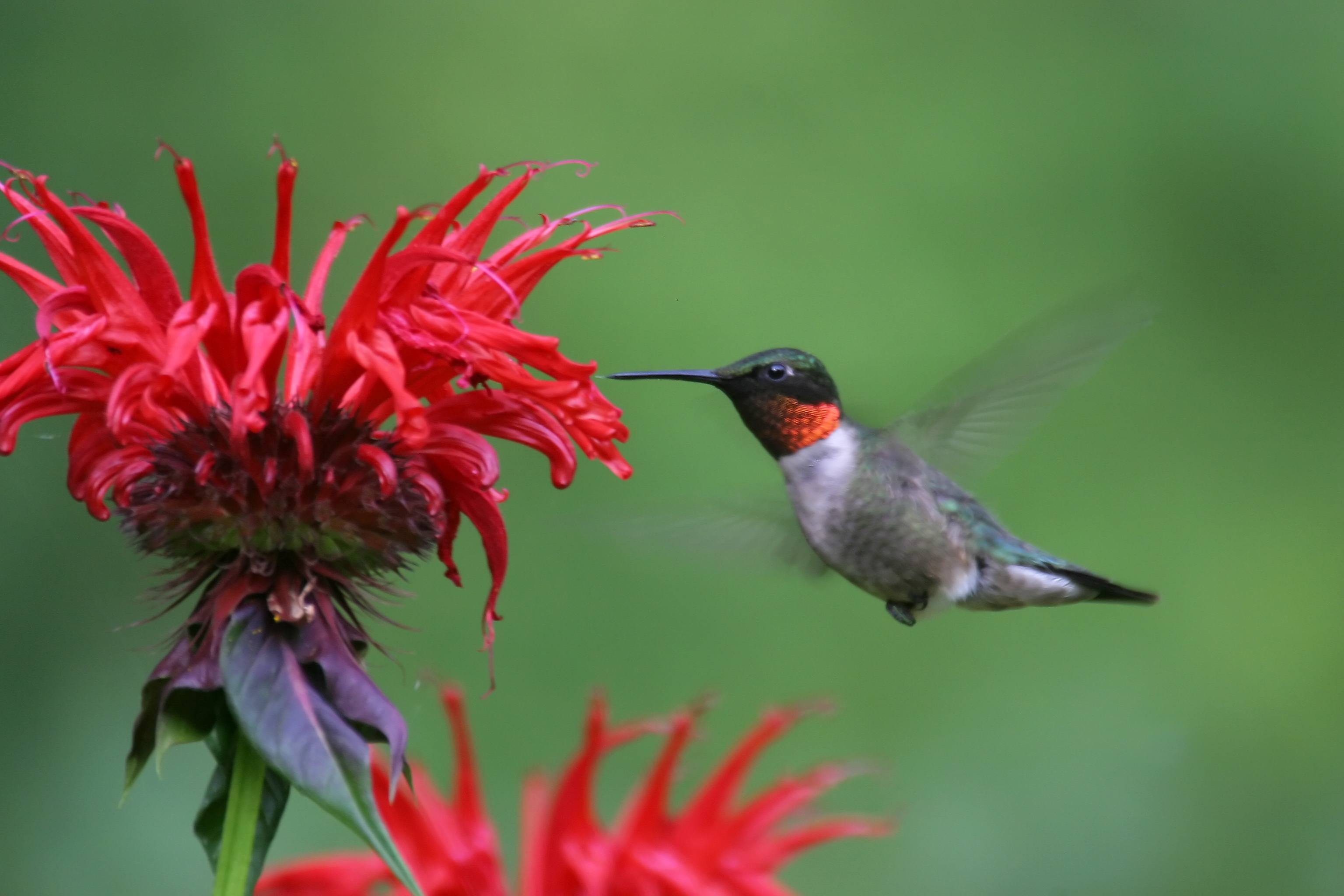
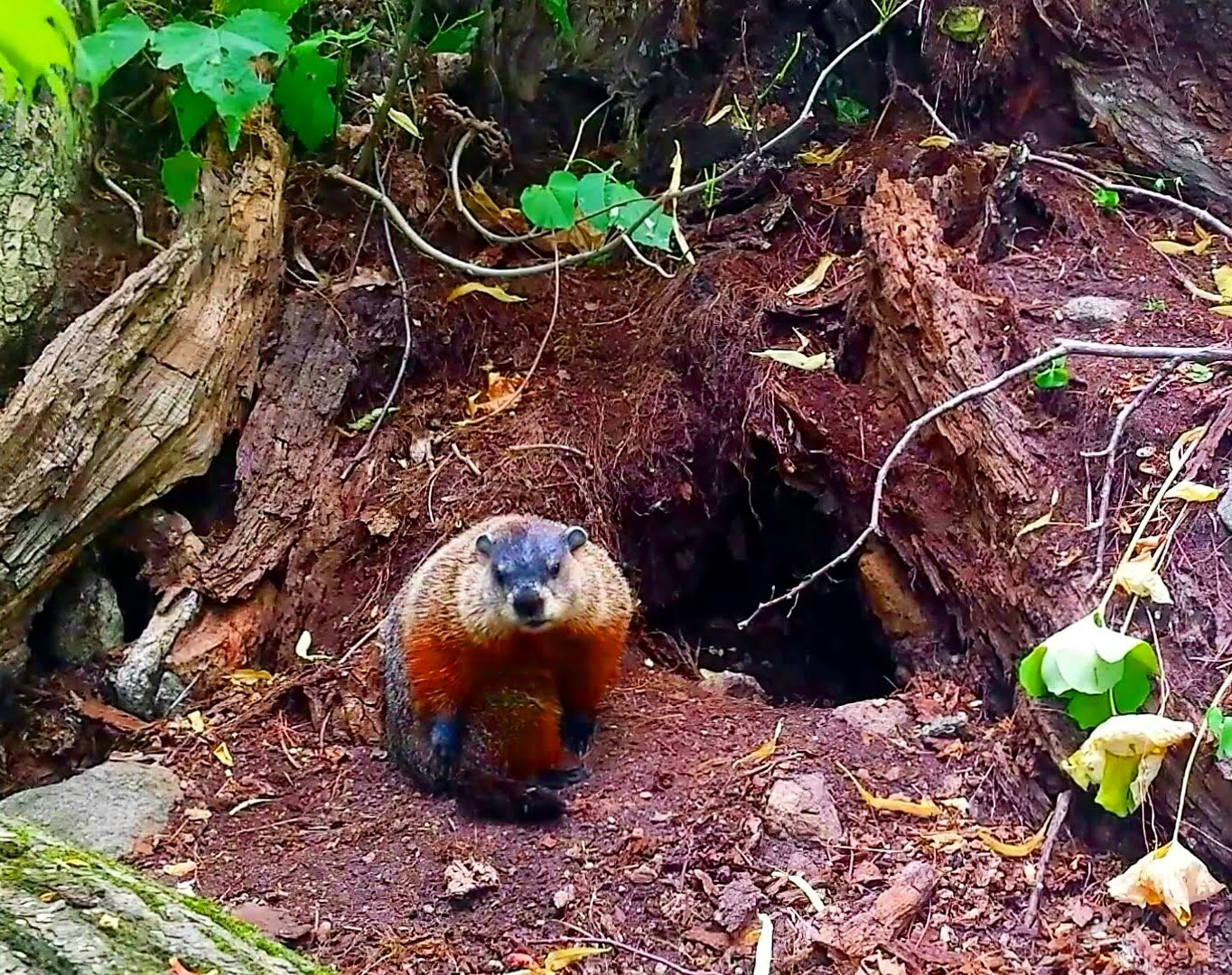

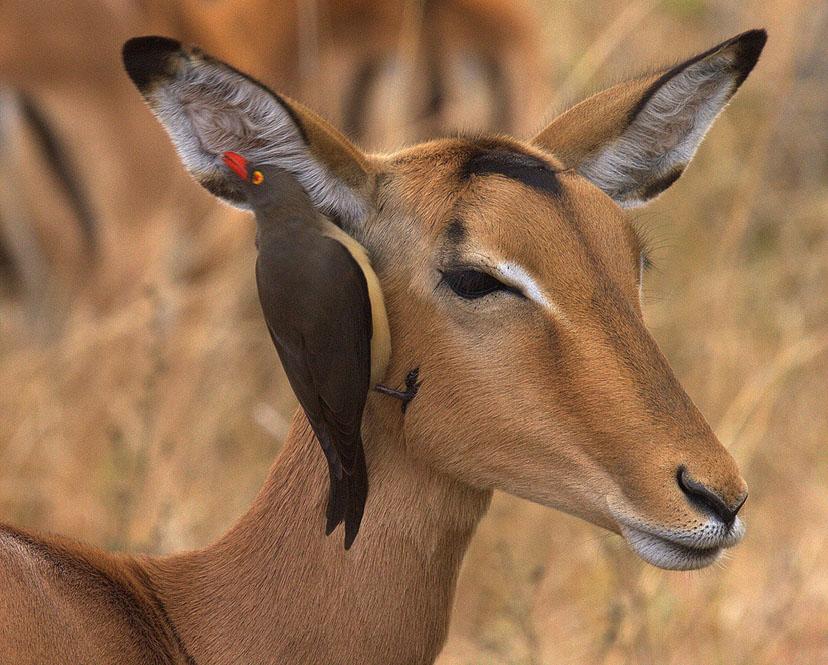
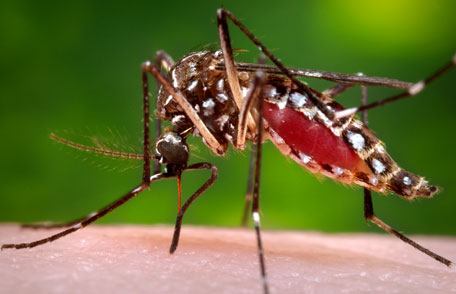

Aphids are tiny insects that live on and eat the leaves of plants, removing vital nutrients from the plants.
Predation
Parasitism
Commensalism
Mutualism


In many ecosystem relationships two organisms will complete for resources. What best defines a "resource"?
A tool used to find facts on the interwebs.
Something found in an area that provides materials necessary for growth and the maintenance of life.
Material that is NOT able to be used by organisms for their benefit.
An environmental factor that is very important in determining the size of a species population is also known as a...?
limiting factor
determining factor
resource depletion
human impact
An example of a limiting factor would be...
the amount of sunlight in an open field
the amount of air in the sky
the amount of fresh drinking water in an area
the amount of sand grains on a beach
Carrying Capacity is best defined as...?
the most of something an ecosystem can carry before falling over
the smallest population number an ecosystem can support
the average population number an ecosystem can support
the largest population number an ecosystem can support

Based on the graph, which population began to rise first AFTER 1 month?
rabbit
snake
hawk
grass

Based on the graph, how long did it take for grass to rebound and hit its highest population percentage?
1 month
3 months
12 months
6 months

Which relationship is this an example of?
mutualism
commensalism
predation
parasitism

Which relationship is this an example of?
competition
predation
commensalism
parasitism

Which relationship is this an example of?
competition
predation
mutualism
commensalism
A producer is something that:
Eats plants
Makes its own food
Eats animals
Eats plants and animals
Producers are always at the __________ of a food chain
Beginning
Middle
End
Producers are not part of the food chain
Consumers...
Make their own food
Go through photosynthesis
Eat other organisms
Breathe in carbon dioxide
Which of these things is NOT a consumer
Human
Whale
Tree
Chicken
What do the arrows show in this food chain:
plant → grasshopper → bird → snake → owl.
The arrow points from the organism being eaten to the organism that eats it.
The arrow points from the organism that eats it to the organism that is being eaten.
The arrow points from biggest animal to smallest animal.
The arrow points from the consumers to the producers.
What is the producer in this food chain?
phytoplankton → krill → fish → shark
Phytoplankton
Krill
Fish
Shark
As you move through a food chain, the amount of energy stored....
Increases
Decreases
Stays the same
It depends on the ecosystem

How much energy does trophic level 2 store from trophic level 1? (and so on..)
1%
10%
50%
100%
Arrows in a food web show the flow of
energy
protein
nutrients
glucose
Multiple food chains that interact together is called a ....
Spider Web
Food Spider
Food Web
Web of Food
What do decomposers eat?
Dead things
Living things

Mushroom (Fungus)
Decomposer
Producer
Consumer

Trees
Decomposers
Consumers
Producers

Falcon
Decomposer
Consumer
Producer

Cactus
Abiotic
Biotic

What are the two REACTANTS in photosynthesis?
Carbon dioxide and oxygen
Water and sunlight
Water and carbon dioxide
Glucose and sunlight

What are the PRODUCTS in photosynthesis?
Sunlight and water
Carbon dioxide and water
Glucose and carbon dioxide
Glucose and oxygen
What does an ecosystem NEED to survive?
Sunlight
Oxygen
Carbon Dioxide
All of the above


Short = S
Short = t
Short = T
Short = tt

Which of the following genotypes is homozygous dominant?
Yy
yY
yy
YY
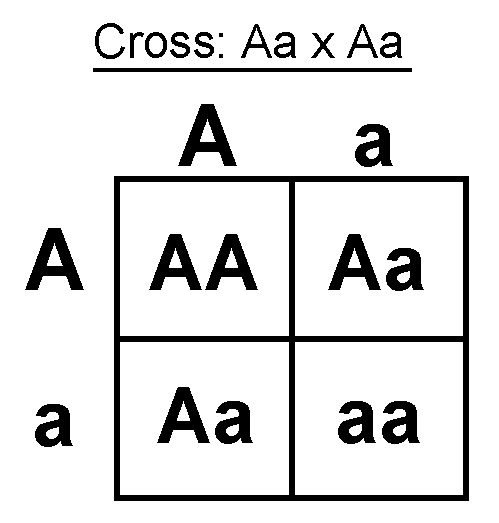
What is the genotypic ratio of the offspring?
3:1
1:3
1:2:1
2:2
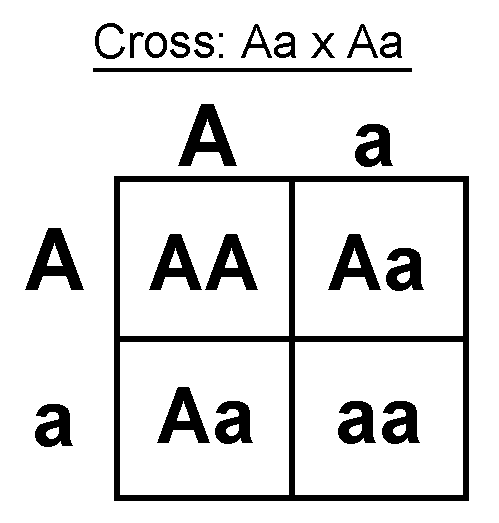
What are the phenotype percentages of the offspring?
(A-Brown fur color; a-white fur color)
50 % Brown fur and 50% White fur
25 % Brown fur and 75% White fur
75 % Brown fur and 25% White fur
0% Brown fur and 100% White fur

(Click the picture to see it without the text)

B=Brown fur
b=tan fur
What percent of the offspring would be tan when you cross BbxBb?
75%
25%
50%
100%


Complete dominance
Mendelian Genetics
Codominance
Incomplete Dominance

Which of the following is the correct equation for PHOTOSYNTHESIS?
carbon dioxide + light energy + water --> oxygen + glucose
carbon dioxide + glucose + water --> oxygen + light energy
oxygen + light energy+ water --> carbon dioxide + glucose
carbon dioxide + oxygen + water --> light energy + glucose
What process occurs when light energy is captured in producers and converted into sugar?
Photosynthesis
Cellular Respiration
Which organisms perform PHOTOSYNTHESIS?
Only producers
Only consumers
Producers and Consumers
Which of the following is an example of an PRODUCER?
Appletree
Dog
Mushroom
Human
What is the pigment in chloroplasts that performs PHOTOSYNTHESIS?
Chlorosynthesis
Chlorophyll
ADP
Electron Transport
Which gas is removed from the atmosphere during PHOTOSYNTHESIS?
hydrogen
oxygen
nitrogen
carbon dioxide
What are the products of PHOTOSYNTHESIS?
water and carbon dioxide
oxygen and glucose
oxygen and carbon dioxide
oxygen and water


If all four plants were watered daily but placed in a closet, receiving no sunlight, what process would NOT occur?
Cellular respiration
Filtration of water through the soil
Photosynthesis
Water absorbtion
CELLULAR RESPIRATION is the process by which
plant cells create glucose
cells use oxygen to produce energy from food
cells grow and reproduce
cells breakdown food without using oxygen
PHOTOSYNTHESIS allows
an animal cell to get energy from food.
a plant to produce food (glucose).
a cell to produce energy without oxygen.
a plant leaf to turn green.
PHOTOSYNTHESIS is the process by which
plant cells create glucose
cells use oxygen to produce energy
cells grow and reproduce
cells breakdown food without using energy
Why would plants be better able to survive in a world without animals than animals in a world without plants?
animals only make oxygen for plants, so animals are not needed
plants already produce glucose necessary for photosynthesis to take place
plants produce their own carbon dioxide and water in cellular respiration
animals do not produce anything plants need to survive
The energy molecule made in CELLULAR RESPIRATION is called
DNA
ATP
glucose
oxygen
Which of the following is the correct equation for CELLULAR RESPIRATION?
glucose + oxygen + water --> carbon dioxide + ATP
water + carbon dioxide + ATP --> glucose + oxygen
carbon dioxide + ATP --> glucose + oxygen + water
glucose + oxygen --> water + carbon dioxide + ATP
Which organelle performs CELLULAR RESPIRATION?
Chloroplast
Mitochondria
The purpose of CELLULAR RESPIRATION is to
make glucose
capture the energy in sunlight
breakdown glucose into energy
change carbon dioxide
How are PHOTOSYNTHESIS and CELLULAR RESPIRATION related?
They have opposite equations
They have the same equation
They both produce carbon dioxide
They both produce oxygen
What are the reactants of CELLULAR RESPIRATION?
water and carbon dioxide
oxygen and glucose
oxygen and carbon dioxide
oxygen and water
What are the products of CELLULAR RESPIRATION?
water, carbon dioxide, and ATP
oxygen and glucose
oxygen and carbon dioxide
oxygen and water
What are the reactants of PHOTOSYNTHESIS?
water, carbon dioxide, and light energy
oxygen and glucose
oxygen and carbon dioxide
oxygen and water

