wayground logo

Free Printable Worksheets

Font size

S
M
L
XL
Worksheets

Human Interaction with Earth

Total questions: 125

Worksheet time: 1hrs 12mins

Name
Class
Date
1.
What does bio mean?
a)
life
b)
different
c)
organisms
d)
species
2.
What does diversity mean?
a)
life
b)
different
c)
organisms
d)
species
3.
Biodiversity is the variety of differences among and within living plant and animal _____ in an environment.
a)
species
b)
habitats
c)
groups
d)
food chains
4.
Why is biodiversity so important?
a)
Because all species depend on each other to survive, so if one becomes extinct another species that relies on it could go extinct as well
b)
Because it’s better to have only one variation of each species.
c)
Because it better to only have a few species on Earth.
d)
Honestly, I have no idea what biodiversity is!
5.
What factor does NOT affect biodiversity?
a)
Urbanization
b)
Planting Native Plants
c)
Overfishing
d)
Pollution
6.

What is species diversity?

a)

the different animals in an area

b)

the different habitats in an area

c)

the different plants in an area

d)

the different living things (plants and animals) in an area

7.

What is an invasive species?

a)

an organism that IS native to an area and causes harm to the environment/humans

b)

an organism that is NOT native to an area and causes harm to the environment/humans

c)

an organism that is NOT native to an area and helps the environment/humans

d)

an organism that IS native to an area and helps the environment/humans

8.

Which is NOT a benefit of biodiversity?

a)

provides food and medicine to humans

b)

good for the quality of life

c)

causes drought

d)

purifies our water

9.

What did the once-ler give the boy at the end?

a)

The Lorax

b)

The last Truffula seed

c)

A thneed

d)

A penny

10.

What is the message of the story?

a)

Destroy the environment

b)

Take care of the environment

c)

Be greedy

11.

What happened when the last tree was cut down?

a)

The Once-ler made more trees

b)

The Lorax left

c)

The creatures came back

12.

Who does the Lorax speak for?

a)

The clouds

b)

The trees

c)

The oceans

d)

The people

13.

What were the trees called?

a)

Babaloo Trees

b)

Truffula Trees

c)

Tootsie Roll Trees

d)

Swomee Swan Trees

14.
What is the theme of the Lorax
a)
To protect the Earth's natural resources.
b)
To waste the Earth's natural resources.
c)
About how things change over time.
15.
What was one of the negative results of the trees being cut down.
a)
Nothing happened because people wanted the product.
b)
The man made money.
c)
Because all of the trees were cut down the animals in the forest had to leave. 
16.
What were two ways the environment was harmed
a)
They cut down the trees without growing them back. And they were dumping waist into the ponds.
b)
Nothing happened-the environment was fine.
c)
All the animals left.
17.
What did the Lorax try to do in the story?
a)
He was the one making the Thneeds
b)
He did nothing
c)
He tried to talk to the Once-ler and show him what the Once-ler was doing to the animals of the forest and their homes.
18.
Which of the following natural resources are nonrenewable?
a)
Water
b)
Animals
c)
Natural gas
d)
Wind
19.
All of these resources are renewable EXCEPT:
a)
Oxygen
b)
Crude Oil
c)
Ice
d)
Corn
20.
Fossil fuels are nonrenewable because...
a)
they are used to produce heat
b)
they take a long time to form
c)
they can be found underground
21.
What does conserving resources mean?
a)
Use as much of the resources as you can
b)
Only use the resources at school
c)
Protecting the resource so it does not run out
22.
A resource that is not easily replaced...
a)
Renewable
b)
Nonrenewable
23.
Diamonds and other minerals
a)
Nonrenewable
b)
Renewable
24.
Can be replaced within a human lifetime
a)
Nonrenewable resource
b)
Renewable resource
25.
Which group includes ALL renewable resources?
a)
Coal, trees, water, oil
b)
Water, wind, sun, plants
c)
Minerals, sun, natural gas, water
26.
Which of these is renewable?
a)
Water
b)
Oil
c)
Coal
d)
Minerals
27.
Why is water a renewable resource?
a)
It can be frozen into ice
b)
It evaporates into air
c)
It is constantly replaced
28.
A resource that can be easily replaced...
a)
Nonrenewable
b)
Renewable
29.
What does reduce mean?
a)
make bigger
b)
add things
c)
make smaller
d)
make different
30.
What does reuse mean?
a)
Use again
b)
Throw away
c)
To buy again
d)
To make again
31.
What does recycle mean?
a)
Make smaller
b)
Make bigger
c)
Converting waste into something that can be used again.
d)
Throw away
32.
Why is it important to recycle?
a)
It saves landfill space
b)
It saves natural resources
c)
It saves money
d)
All of the above statements are true 
33.
True or False- Littering will increase the amount of available resources.
a)
True
b)
False
34.
What does it mean to recycle? 
a)
to throw things in a trash can
b)
to use something again
c)
to grow something to place items in a recycling bin
35.
Unwanted materials added to the environment are called
a)
pollutants
b)
topsoil
c)
packaging
d)
landfills
36.
True or False- The 4 Rs are- reduce, reuse, recycle, and rethink.
a)
True
b)
False
37.
True or False- The 4 Rs are- reduce, reuse, recycle, and rethink.
a)
True
b)
False
38.

Why do plastic identification numbers exist?

a)

To help determine how many people use different types of plastic products

b)

To identify the factories where plastic products are manufactured

c)

To help people separate different types of recyclable plastics

d)

To determine which regions of the country use which plastic products the most

39.

Why do materials have to be sorted before they're recycled?

a)

Because different materials are sent to different recycling facilities

b)

Because sorting allows you to play a role in the recycling process

c)

Because people who work at recycling facilitates don't know how to sort recyclables

d)

Because materials have to be recycled in the same state where they're produced

40.

Choose the answer that best describes the Dust Bowl.

a)

When people get a lot of dust in their plates and bowls.

b)

A period of time where a large part of the US experienced drought and huge dust storms.

c)

When a dust storm came through Lubbock last year.

d)

A general term for when objects become dirty.

41.

What year did the Dust Bowl begin?

a)

1930

b)

2016

c)

1954

d)

1916

42.

What human activity was a part of the cause of the Dust Bowl?

a)

Driving

b)

Building

c)

Baseball

d)

Overplowing

43.

Identify a negative consequence of the Dust Bowl on farmers.

a)

Farmers had no consequences

b)

Farmers didn't have to work very hard anymore

c)

Farmers could't pay their bills and possibly lost their farms

d)

Farmers were worried there was too much rain

44.

What environmental factor played a part in the cause of the Dust Bowl?

a)

Snow

b)

Drought

c)

Hurricane

d)

Rain

45.
What is a long time with little or no rain called?
a)
A touchdown.
b)
A drought.
c)
A storm.
d)
A delta.
46.

To properly dispose of used resources so they can be reprocessed into new products:

a)

Environment

b)

Conservation

c)

Resource

d)

Recycle

47.

A natural disaster is catastrophe caused by natural forces, not man-made forces.

a)

True

b)

False

48.

To protect resources and avoid wasteful and destructive use:

a)

Population

b)

Conservation

c)

Environment

d)

Information

49.

What is something valuable that we can use?

a)

Resource

b)

Revolution

c)

System

d)

Solution

50.

A resource that CANNOT be replaced within a short period of time or at all is renewable resource.

a)

True

b)

False

51.

Things humans can do to preserve ecosystems and environments are

a)

Conservation Strategies

b)

Intervention Strategies

c)

Progress Strategies

d)

Carrying Strategies

52.

This act removes valuable resources that may never be recovered through the cutting of trees:

a)

Deforestation

b)

Population

c)

Conservation

d)

Restoration

53.

Landfills help humans by getting rid of waste, and they have POSITIVE effects on the environment.

a)

True

b)

False

54.

The space, conditions, and all the living and nonliving things around an organism:

a)

Population

b)

Conservation

c)

Environment

55.

Encouraging people in a town to take longer showers during a DROUGHT would be a good conservation strategy.

a)

True

b)

False

56.

What is the best way to prepare for a natural disaster?

a)

Do nothing

b)

Have a supply kit at home

c)

Wait until the storm happens to do anything

57.

Water is a particularly useful natural resource because:

a)

Earth's surface is mainly convered by water, so it is plentiful.

b)

Energy from water can easily be generated at home

c)

Most people live near oceans and can easily get water

d)

Water flows quickly and can generate energy in little time

58.

What is the BEST way to conserve natural resources?

a)

Taking shorter showers

b)

Leaving the water running while brushing your teeth

59.

A tornado or hurricane WATCH means that conditions are favorable for the disaster to form.

a)

True

b)

False

60.

A tornado or hurricane WARNING means to take cover because the disaster is expected.

a)

True

b)

False

61.

What are the 3 R's?

a)

Redo, Reuse, Repeat

b)

Reduce, Reuse, Recyle

c)

Repeat, Recycle, Redo

d)

Recycle, Repeat, Reuse

62.

Which of the following was the time period when farmers plowed up natural vegetation to plant crops and the soil eroded during a time of drought?

a)

Stone Age

b)

Dust Bowl

c)

Civil War

d)

Great Depression

63.

Overhunting and overfishing can harm or destroy populations of organisms.

a)

True

b)

False

64.

An organisms that uses up food, space, and water that other organisms need is a(n):

a)

Invasive Species

b)

Endangered Species

c)

Threatened Species

d)

Other Species

65.

All of the different living organisms in an area:

a)

Environment

b)

Biodiversity

c)

Invasive Species

d)

Population

66.

NATURAL GAS IS NOT A RENEWABLE RESOURCE

a)

TRUE

b)

FALSE

67.

OIL IS A RENEWABLE RESOURCE

a)

TRUE

b)

FALSE

68.

What causes smog?

a)

sunlight mixed with pollutants in the air

b)

dirt carried by wind

c)

wind mixed with fresh air

69.

These are littered where humans have visit in outer space...

a)

Space Debris

b)

Land Debris

c)

Trash

d)

Aluminum Cans

70.

What chemical was used in the 1950s to try to get rid of harmful insects, such as mosquitoes?

a)

DDT

b)

Clorox

c)

CTD

d)

Ammonia

71.

Resources that can be replaced or recycled, such as sunlight, water, wind, and trees

a)

Renewable Resources

b)

Nonrenewable Resources

72.

When air pollution reacts with water to produce rain that can damage plants, organisms, and even buildings

a)

Acid Rain

b)

Smog

c)

Air Pollution

d)

Water Pollution

73.

waste or other material is added to water so that it is harmful to organisms that live in it or use it

a)

Air Pollutin

b)

Land Pollution

c)

Water Pollution

74.
_____ is a material that is found in nature and that is used by living things.
a)
nonrenewable resource
b)
natural resource
c)
renewable resource
75.
_____ is a resource that can be replaced quickly.
a)
natural resource
b)
nonrenewable resource
c)
renewable resource
76.
Which of the following is NOT a natural resource?
a)
fish
b)
cows
c)
plants
d)
computers
77.
Which of the following is NOT an example of a renewable resource?
a)
water
b)
trees
c)
sun
d)
gasoline
78.
_____ is any harmful material in the environment.
a)
global warming
b)
pollution
c)
conservation
79.
These are the three main types of pollution:
a)
land, water, air
b)
car, water, land
c)
air, gases, water
80.
When people throw trash out of their car, they are causing this type of pollution:
a)
air
b)
land
c)
water
81.
When it is hard to breathe, it could be caused by this type of pollution:
a)
air
b)
wind
c)
land
d)
water
82.
When pollution in the air and land run into ponds, lakes, oceans and rivers, it causes this type of pollution:
a)
land
b)
water
c)
air
83.
This is an example of reusing:
a)
refilling a water bottle instead of taking another one
b)
picking up trash off the ground
c)
riding a bike instead of driving a car
84.
This is an example of reusing:
a)
refilling a water bottle instead of taking another one
b)
picking up trash off the ground
c)
riding a bike instead of driving a car
85.
This is an example of reducing:
a)
turning off the water while brushing teeth
b)
using a plastic bag twice
c)
riding with a friend to school instead of taking another car
86.
This is an example of recycling:
a)
using both sides of your paper instead of one
b)
throwing a wrapper on the ground
c)
dumping paint into a storm drain
87.
What is one way people help the environment?
a)
building new cities
b)
tearing down a forest
c)
placing harmful chemicals in streams
d)
picking up litter
88.

Taking old materials and making them into something new

a)

Recycle

b)

Conservation

c)

Composting

89.

A solid waste disposal area, a dump

a)

Landfill

b)

Natural resource

c)

Fossil fuel

d)

Habitat

90.

A dangerous pesticide, no longer in the USA, used to kill insects.

a)

DDT

b)

Raid

c)

Off

d)

Antibacterial soap

91.

The positive and negative impact we have on the environment.

a)

Recycle

b)

Compost

c)

Farming

d)

Ecological footprint

92.
Pollution _________________________.
a)
is harmful materials put into the environment
b)
found in air, water, and land
c)
effects plants, animals, and people
d)
All of the above
93.
Smog is an example of ______________ pollution.
a)
land
b)
water
c)
air
d)
noise
94.
__________________ is using materials wisely to protect them.
a)
Pollution
b)
Conservation
c)
Recycling
d)
Smog
95.
How can trash effect wildlife?
a)
Wildlife animals cannot hunt prey because of the smell of garbage.
b)
Trash makes it hard for wildlife to camouflage.
c)
Wildlife could eat trash that they think is food.
d)
Wildlife animals are afraid of trash.
96.
Which natural disaster is a violent rotating column of air extending from a thunderstorm to the ground?
a)
Drought
b)
Tornado
c)
Earthquake
d)
Hurricane
97.
Which natural disaster is a prolonged period of abnormally low rainfall; a shortage of water resulting from this?
a)
Flood
b)
Blizzards
c)
Drought
d)
Hurricane
98.
Which natural disaster is the sliding down of a mass of earth or rock from a mountain or cliff?
a)
Landslide
b)
Tsunami 
c)
Thunderstorm
d)
Tornado 
99.
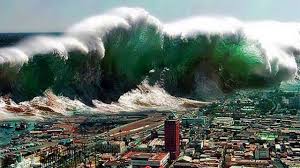
Which natural disaster is a long high sea wave caused by an earthquake, submarine landslide, or other disturbance?
a)
Hurricane
b)
Flood
c)
Wildfire 
d)
Tsunami 
100.
Which natural disaster is a storm with a violent wind, in particular a tropical cyclone in the Caribbean?
a)
Tornado
b)
Hurricane
c)
Blizzards
d)
Landslide
101.
Which natural disaster is an overflowing of a large amount of water beyond its normal confines, especially over what is normally dry land?
a)
Tsunami 
b)
Drought
c)
Tornado
d)
Flooding
102.
Which natural disaster is a sudden and violent shaking of the ground, sometimes causing great destruction, as a result of movements within the earth's crust or volcanic action?
a)
Earthquake
b)
Tsunami
c)
Thunderstorm
d)
Flooding
103.
What is erosion?
a)
piles of dirt and rocks
b)
cracks in the Earth
c)
wearing away of rock and soil caused by water, wind or ice.
104.
What is an invasive species?
a)
A native (naturally found) species which are added to an area. 
b)
A non-native (not naturally found) species added to an area. 
c)
A keystone species in an environment
d)
none of the above
105.
Invasive species grow quickly due to the lack of predators, this leads to a decline or extinction of the native population. True or false? 
a)
false
b)
true
106.

The primary cause of invasive species introduction is

a)

too much food

b)

human actions

c)

weather events

d)

asteroids

107.
Define deforestation
a)
The cutting down & removal of all or most of the trees in a forested area.
b)
A broadleaf evergreen forest that is found in hot regions, receives a lot of rain and that has very tall trees.
c)
The act or process of damaging or ruining something.  To treat poorly or w/out respect.
108.
Define biodiversity
a)
The process by which carbon & oxygen cycle among plants, people & animals, & the environment.
b)
The variety of plants & animals living in one area.
c)
The trees and other plants in a large densely wooded area; land that is covered with trees and shrubs.
109.
what is one way you can conserve water?
a)
take shorter showers
b)
drink a lot of water
c)
water your lawn daily
d)
keep your faucet running
110.
Chemicals that are intended to kill insects but may damage crops are known as
a)
fertilizers
b)
pesticides
c)
sludge
d)
sewage
111.
How could pesticides get into lakes and streams?
a)
too much could be used
b)
it could be sprayed too close to a stream
c)
rain could wash pesticides into a stream
d)
all of the above
112.
1. Specific sources of pollution that can be identified are called
a)
point sources.
b)
nonpoint sources.
c)
runoff.
d)
sewage.
113.
6. Which of these examples is a water-conservation technique that also reduces water pollution?
a)
factories making printing inks with water instead of chemical solvents
b)
farmers using fewer pesticides on farm fields
c)
factories reusing cooling water instead of returning it to a river
d)
farmers planting fields of coarse grass that filter out pollutants
114.
What does conserving resources mean?
a)
Use as much of the resources as you can
b)
Only use the resources at school
c)
Protecting the resource so it does not run out
115.
The Jones family cares about the environment. They run their dishwasher only when it is completely full. Which of the following BEST explains why they do this?
a)
To save money
b)
To recycle dish soap
c)
To reduce sewage
d)
To conserve water
116.

If a species in no longer found living on Earth it is

a)

pollutants

b)

extinct

c)

species

d)

endangered

117.
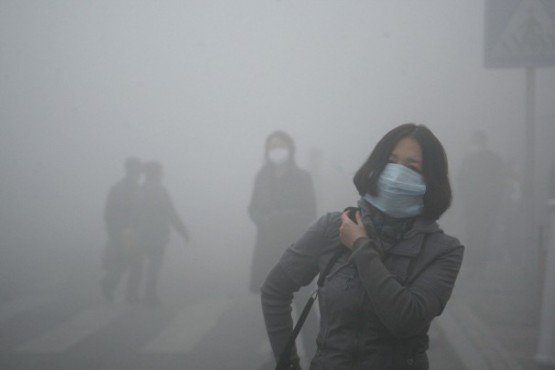
This picture shows people walking through a highly-polluted city in China. From what type of pollution are they protecting themselves based on what they are wearing?

a)
air pollution
b)
water pollution
c)
land pollution
d)
noise pollution
118.
Where is pollution found on the earth?


a)
only in the air 
b)
only on the land 
c)
only in the water 
d)
on land, in the air, and in the water 
119.
Which way can people best reduce land pollution caused by large amounts of waste dumped in landfills?  
a)
They can use a water filter to use fewer water bottles.
b)
They can recycle their plastic, glass, paper, and cardboard items and only throw away non-recyclable items.
c)
They can watch less television, reducing electricity use and allowing their electronics to last much longer.
d)
They can refill large plastic containers, like those used for laundry detergent, instead of throwing them away.
120.
What does conserving resources mean?
a)
Use as much of the resources as you can
b)
Only use the resources at school
c)
Protecting the resource so it does not run out
121.

Why should we remove an invasive species?

a)

They won't be able to survive in a new environment.

b)

They will eat native species and cause other species to decrease.

c)

We should not remove them and let nature be.

122.

Does what we do today to the environment affect those after us?

a)

NO

b)

YES

c)

MAYBE

123.

What is a good way to tell people the good about renewable resources and bad about fossil fuels?

a)

let them read it for themselves

b)

Education

c)

they already know

d)

they don't need to know

124.

Many products are made from trees. Which is the BEST way to manage the use of trees?

a)

plant a tree each time one is cut down.

b)

build more lumber mills.

c)

cut down more trees.

d)

reduce the amount of recycled paper.

125.

A good practice to help conserve energy is?

a)

using plastic bags

b)

letting the water run while brushing teeth.

c)

using warm water to wash clothes

d)

turning lights off when not in use.