
 Worksheets
QCAA 12 Business Unit 4 Topic 2
Total questions: 58
Worksheet time: 51mins
Which of the following are analytical tools?
SWOT
STEEPLE
Power Interest Grid
Force Field Analysis
Business Life-Cycle
new, start-up, growth, maturity, post-maturity
seed, start-up, growth, maturity, post-maturity
seed, starter, growth, maturity, post-maturity
Name the missing evaluating criteria: stakeholder satisfaction, competitiveness, efficiency
(a)
4 key business functions are...
Marketing, Human Resource Management, Financial Management & (a)
Internal operating environments...
Customers
Employees
Owners & Managers
Organisational Culture
Organisational Structure
External operating environments...
Suppliers
Competitors
Employees
Customers
Strategic planning includes m______ & v_____ statements
(a)
Strategic planning includes...
goals
strategic
objectives
strategies
tactics
The marketing mix: Pro____, Pri__, Pro______, Pl___
(a)
Post-maturity outcomes: R______, S____ S____, D______
(a)
Four Key Business Functions: _____ _________, Operations, Marketing & Financial
(a)
Four Key Business Functions: Human Resources, Operations, (a) & Financial
USP stands for
(a)
(a) of change are those factors that bring about change.
(a) forces act to block the drivers of change. They make the change process more difficult to implement
and can lead to resistance to change.

What is this called?
LEWIN'S ...
(a)
Kotter's eight-step model is based off which of the following?
Create the climate for
change
Implement the change
Drive the change
Engage and enable the
organisation
Drivers for Change in the internal environment are...
corporate culture
management style
organisational culture
competition
legislative compliance
The five strategies for overcoming resistance are c___________, p__________, n___________, manipulation,
threat
(a)
Low-risk strategies for overcoming resistance are...
communication strategies to effectively channel the information about the change
threat strategies to force resisters to conform.
participation strategies to empower employee involvement
negotiation strategies to gain support of resisters.
High-risk strategies for overcoming resistance are...
manipulation strategies to change a situation by exertion of influence over someone
threat strategies to force resisters to conform.
participation strategies to empower employee involvement
negotiation strategies to gain support of resisters.
Macro environmental factors are also known as
(a)
STEEPLE stands for: Socio-cultural, Technological, Ethical, P________, L____, Environmental, Economic
(a)
Drivers for Change in the external environment are...
competition
legislative compliance
organisational structure
management style
C_____ M_________ is a planned and structured approach that moves a business from its current state to a desired future state.
(a)
If you want to select data and information to show
stakeholders of a business in the post-maturity stage.
Which analytical tool will you use?
SWOT
Force Field Analysis
Power Interest Grid
STEEPLE
If you want to select data and information to show that the business has undertaken change management
and analyse the strengths, weaknesses, opportunities and threats
Which analytical tool will you use?
Force Field Analysis
SWOT
Power Interest Grid
STEEPLE
If you want to show a business in the post-maturity stage to analyse pressures for or against change.
What analytical tool would you use?
SWOT
Force Field Analysis
Power Interest Grid
STEEPLE
Which analytical tool is this interpreting?
Interpret relationships, patterns and trends in the stakeholder _______ _______
to draw conclusions about the implications of transformation
SWOT Analysis
Force Field
Power Interest
Which analytical tool is this interpreting?
Interpret relationships, patterns and trends in the ____ _______ to draw conclusions about the implications of change management on financial, human resources, marketing and operations
SWOT analysis
Force Field
Power Interest
Which analytical tool is this interpreting?
Interpret relationships, patterns and trends in the _____ _____ analysis
to draw conclusions about the implications of transformation
Power Interest
Force Field
SWOT analysis
Four Key Business Functions: Human Resources, Operations, Marketing & (a)
Name the missing evaluating criteria: stakeholder satisfaction, competitiveness, (a) , effectiveness
Name the missing evaluating criteria: stakeholder satisfaction, (a) , efficiency, effectiveness
Name the missing evaluating criteria: ___________ ____________, competitiveness, efficiency, effectiveness
(a)
Evaluate questions must include which of the following:
Decision-making table
Evaluating Criteria
Recommendations
Analytical Tool
You must draw analytical tools in your response.
True or False?
True
False
What should you be looking for in an interpretation of an analytical tool?
Relationships
Patterns
Trends
Connections
An analytical tool must have an interpretation written after it.
True or false?
True
False
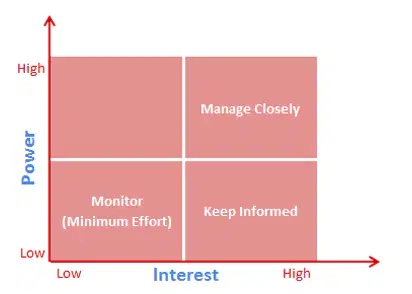
POWER INTEREST GRID: Which heading is missing?
(a)

POWER INTEREST GRID: Which heading is missing?
(a)
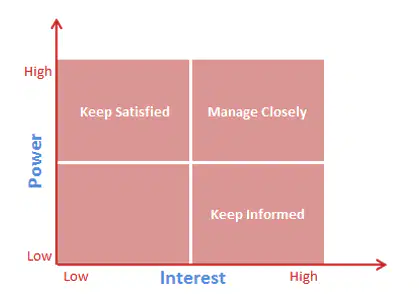
POWER INTEREST GRID: Which heading is missing?
(a)
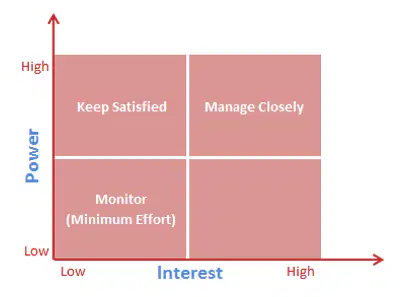
POWER INTEREST GRID: Which heading is missing?
(a)

LEWIN: What's the missing word?
(a)

LEWIN: What's the missing word?
(a)

LEWIN: What's the missing word?
(a)

KOTTERS EIGHT-STEP MODEL: What's the missing word?
(a)

KOTTERS EIGHT-STEP MODEL: What's the missing word?
(a)

KOTTERS EIGHT-STEP MODEL: What are the missing words?
(a)

KOTTERS EIGHT-STEP MODEL: What's the missing word?
(a)

KOTTERS EIGHT-STEP MODEL: What are the missing words?
(a)

KOTTERS EIGHT-STEP MODEL: What are the missing words?
(a)

KOTTERS EIGHT-STEP MODEL: What's the missing word?
(a)

KOTTERS EIGHT-STEP MODEL: What's the missing word?
(a)

KOTTERS EIGHT-STEP MODEL: What's the missing word?
(a)

KOTTERS EIGHT-STEP MODEL: What are the missing words?
(a)

KOTTERS EIGHT-STEP MODEL: What are the missing words?
(a)

What's the missing word?
(a)

