
Font size
 Worksheets
Y8 Final Revision 2
Total questions: 43
Worksheet time: 1hrs 5mins
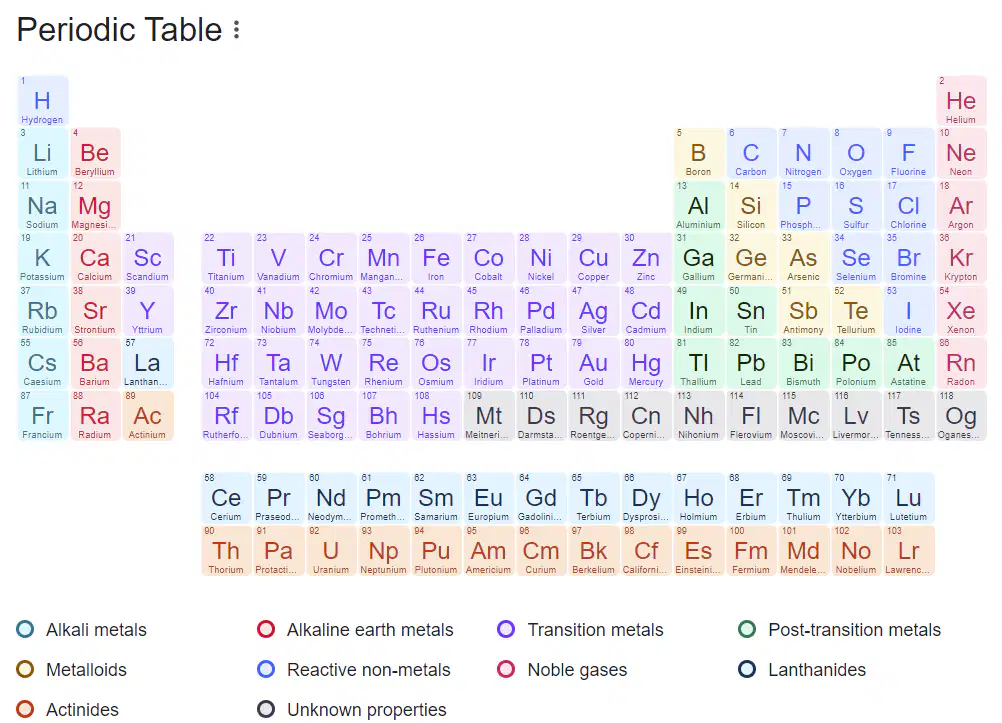
Which of the following is MOST reactive?
Magnesium
Lead
Tin
Copper
Zinc
Which metal is more reactive than calcium?
magnesium
potassium
silver
aluminum
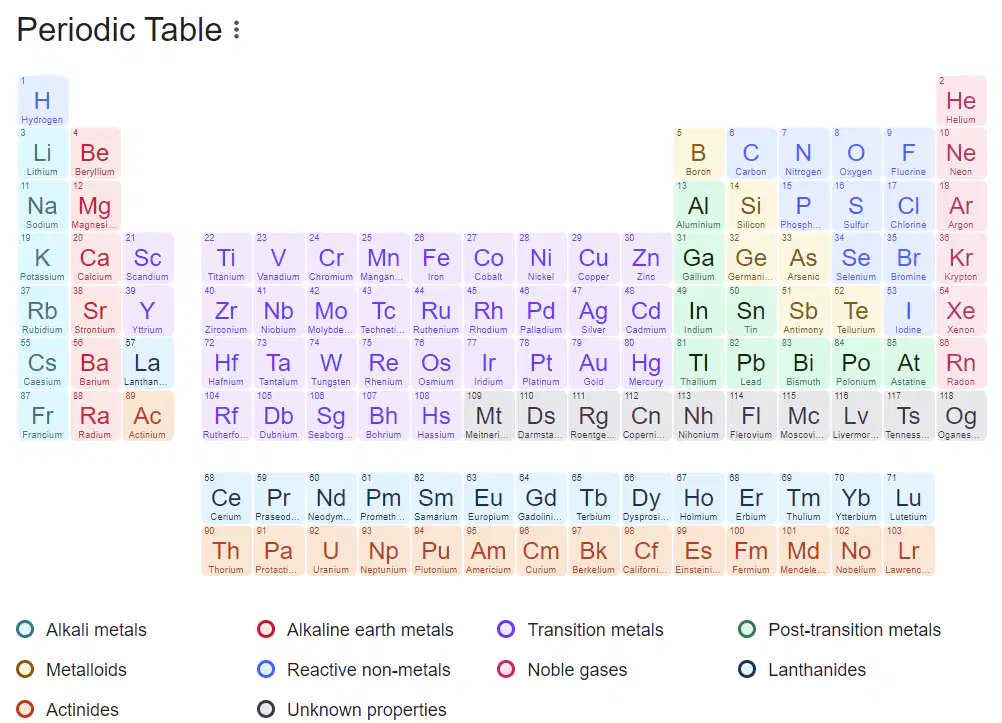
Choose the least reactive metal
calcium
magnesium
iron
copper
Acid
Alkaline
Base
Buffer
Steel generally speaking is made of
iron and carbon
copper and iron
tin and carbon
aluminum and nickel
A mixture of metals is called an (a) .
Many alloys are softer than the elements that are in them.
True
False
Steels are alloys of (a) .
Pure iron is _________________ .
soft and weak
hard and stong
bendy and brittle

What happened on Thursday?
Cookie sales went up
Cookie sales went down
Cookie sales stayed the same
6 boxes were sold
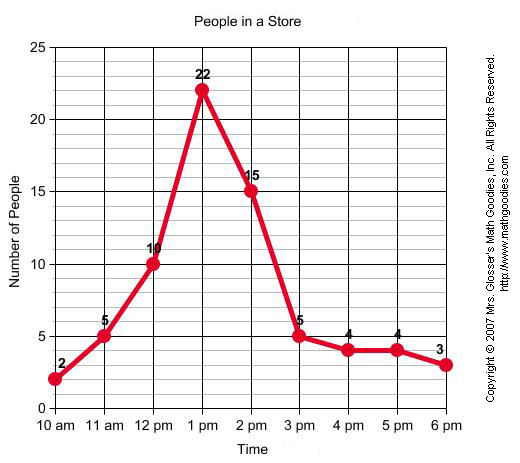
10am
1pm
6pm
2pm
Mushrooms and mold are in what kingdom
Fungi
Protist
Plant
Animal
Tomato plants and oak trees are in what kingdom
Fungi
Plants
Protists
Animal
Tigers, Jellyfish, Gorillas and Sponges are all part of kingdom _______.
Animal
Plant
Fungi
Bacteria

what kingdom?- multi-celled, autotroph (able to produce its own food through the process of photosynthesis.)
animal
plant
protist
fungi
Which of the following best describes a genus?
A group of closely related species that share similar characteristics
A group of organisms that share the same habitat
A type of ecosystem found in the tropics
A classification level between family and species
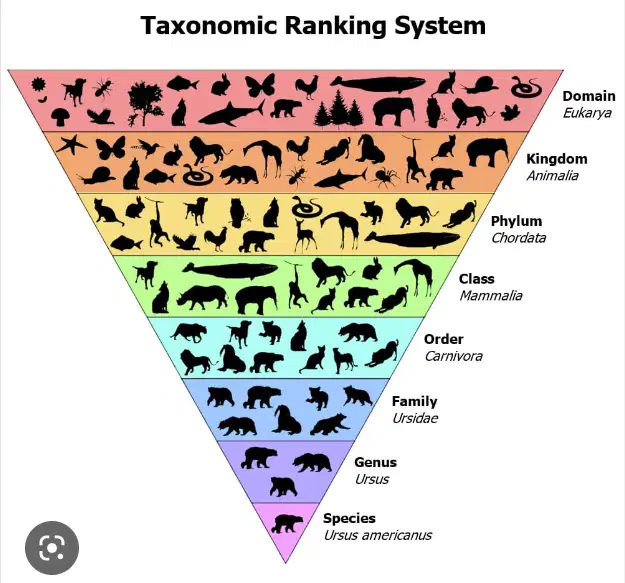
the largest division used to classify living things
Class
Domain
Genus
Species
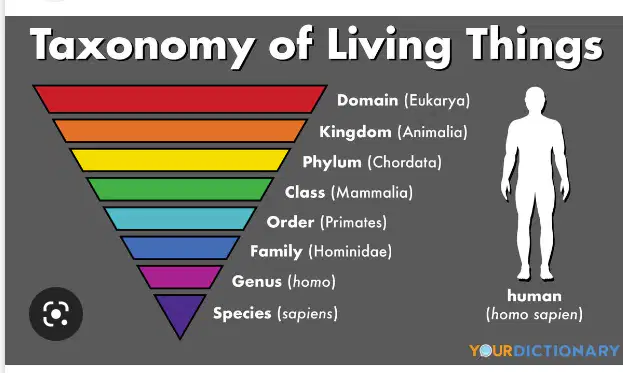
a group of related plant species or animal species
Family
Cousins
Genus
Species

family
kingdom
genus
species
What is the hard outside of the seed called?
seed coat
embryo
food storage
seed jacket
What is inside a seed?
There is more than one answer.
embryo
mouse
leaves
food
What happens to fruit on a tree when it is ripe?
It dies.
It falls to the ground.
Nothing

What do seeds need to germinate (grow into a new plant)? (You may select more than one answer)
Air (oxygen)
Water
Warmth
All answers
A type of sound wave
A type of solid material
A form of energy that enables us to see things around us
A type of gas
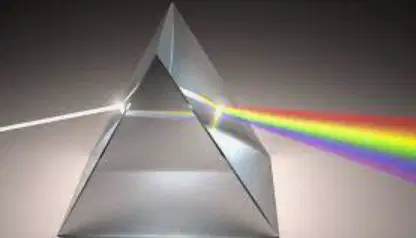
7
3
5
10
A type of bulb
A type of mirror
A type of lens
A material that can block or allow certain wavelengths of light to pass through
When light passes through a surface
When light bounces off a surface
When light changes colour
When light disappears
The incidence angle is smaller than the reflection angle
The incidence angle is equal to the reflection angle
The incidence angle is opposite to the reflection angle
The incidence angle is greater than the reflection angle
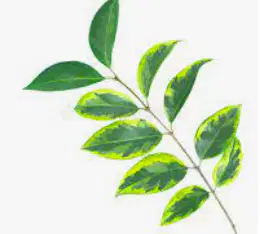
What happens when white light when it hits a green tree leave?
The white light is absorbed and all light is reflected
Most of the white light is absorbed but the green colour is reflected
The green light is absorbed by the Chlorophyll
All colours are reflected


Thicker
Thinner
The human body breathes out (a) .
The tube that leads from the pharynx to the lungs is called the ________.
trachea
esophagus
epiglottis
vocal chords
(a) and mucus trap dust, dirt, and other particles to help keep the respiratory system clean.
Label the respiratory system
Choose the best way to write the sentence:
"Most cells, that is called the nucleus, have a part in the center that controls the cell."
Most cells, that is called the "nucleus," have a part in the center that controls the cell.
Most cells, the "nucleus" have a part in the center that controls the cell, that it is called.
Most cells, that is, called the "nucleus," have a part in the center. A part that controls the cell.
Most cells have a part in the center that controls the cell, and it is called the "nucleus."
The fluid that delivers oxygen, hormones, and nutrients to the cells and carries away wastes
Platelets
Blood
Plasma
Hemoglobin
White Blood Cells

