
 Worksheets
Environmental Science Final
Total questions: 77
Worksheet time: 46mins
A species that is NOT native to a particular region is called
natural
invasive
endemic
extraordinary
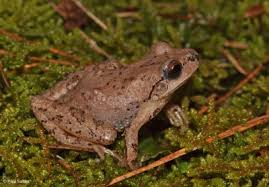
When taken to a new habitat, non-native plants often threaten the native plants of the new habitat. How do they do this?
Non-native plants are able to mutate rapidly
Non-native plants cause native animals to relocate
Non-native plants are able to be used for medicine
Non-native plants compete with native plants for resources
These were released in Australia to eat cane beetles, but now they are an invasive species and number in the millions.
Dingo
Kangaroos
Cane toads
Passenger pigeons
According to most scientists, what is the ultimate cause of most mass extinctions?
overhunting
evolution of new species to replace old ones
major change in environment or climate
asteroid impact
The most important reason for decrease in biodiversity is
Habitat pollution
Over exploitation
Habitat destruction
Habitat creation

A biodiversity hotspot is
an area with higher temperatures than the surrounding areas.
an area with low biodiversity that needs protection.
an area of rich biodiversity that faces serious threats to its existence.
an area close to a volcano
What classifies a species as endangered?
It is at risk of becoming extinct
There aren't a lot of them left
It's arbitrary and doesn't depend on anything
Climate change
The breaking of habitats into smaller pieces is called...
habitat division
habitat pollution
habitat corruption
habitat fragmentation
Which of the following areas of the United States are considered biodiversity hotspots?
Florida Everglades and the Pacific Northwest
Great Lakes and the Grand Canyon
Tennessee
all of these
Which place are kangaroos considered to be endemic?
Island of Madagascar
Polar Regions
Australia
Tennessee, USA

Which of the following species is extinct?
passenger pigeon
giant panda
bald eagle
green sea turtle
A large region characterized by a specific type of climate and certain types of plant and animal communities.
climate
latitude
biome
altitude
The height of an object above a reference point, such as sea level or the Earth's surface.
climate
latitude
biome
altitude
The distance north or south from the equator; expressed in degrees.
climate
latitude
biome
altitude
The average weather conditions in an area over a long period of time.
climate
latitude
biome
altitude

A forest or jungle near the equator characterized by large amounts of rain and little variation in temperature, containing the greatest known diversity of organisms on Earth.
(a)

The top foliage layer in a forest where some trees extend above surrounding trees. ( A in the photo)
(a)

The layers of treetops that shade the forest floor ( B in the photo).
(a)

A forest ( or biome) that is characterized by trees that shed their leaves in fall.
(a)

A plant that uses another plant for support, but not nourishment.
(a)

A region of evergreen, coniferous forest below the arctic and subarctic tundra regions.
(a)

A forest community (or biome), characterized by cool, humid weather and abundant rainfall, where tree branches are draped with mosses, tree trunks are covered with lichens, and the forest floor is covered with ferns.
(a)
A foliage layer that is beneath and shaded by the main canopy ( C in the photo).
(a)
In arctic regions, the permanently frozen layer of soil or sub soil is called.
tundra
ice
permafrost
subsoil

A treeless plain that is located in the Arctic or Antarctic characterized by very low winter temperatures; short, cool summers; and vegetation that consists of grasses. lichens, & perennial herbs.
(a)

A plain full of grasses and scattered trees & shrubs; found in tropical and subtropical habitats and mainly in regions with a dry climate, such as East Africa.
(a)

A region that has little to no vegetation, long periods without rain, & extreme temperatures; usually found in warm climates.
(a)

A community (or biome) that is dominated by grasses, has few trees, characterized by cold winters and intermediate rainfall between that of a forest & desert.
(a)

A type of vegetation that includes broadleaf evergreen shrubs and is located in areas with hot dry summers and mild wet winters.
(a)
Water above the surface of the land, including lakes, rivers, streams, ponds, floodwater, and runoff.
surface water
river system
groundwater
aquifer
As streams and rivers move across the land, they form a flowing network of water called a/an
aquifer
groundwater
river system
surface water
the area of land that is drained by a river system
groundwater water that fills the cracks and spaces in underground soil and rock layers
aquifer
watershed
surface water
groundwater
Water that fills the cracks and spaces in underground soil and rock layers is called a/an
groundwater
watershed
surface water
aquifer
A body of rock or sediment that stores groundwater and allows the flow of groundwater is a /an?
watershed
river system
surface water
aquifer
The amount of open space between rock particles.
permeability
recharge zone
porosity
potable
The ability of rock or soil to allow water to flow through it
pathogen
potable
porosity
permeability
Area of the Earth's surface where water percolates down into the aquifer
Aquifer
Porosity
Recharge Zone
Dam
Means suitable for drinking
potable
porous
permeable
pathnogenic
Any disease-producing agent (especially a virus or bacterium or other microorganism)
pathogen
potable
porous
permenable
The process of SUPPLYING WATER to areas of land to make them suitable for GROWING CROPS
potable
irrigation
ground water
dam
A structure that holds back and controls the flow of water in a river or other body of water
potable
irrigation
dam
pond
A large natural or artificial lake created by a dam that is used as a source of water supply.
dam
pond
desalination
reservoir
The process of removing salts or other minerals and contaminants from seawater, brackish water, or wastewater effluent that it is an increasingly common solution to obtain fresh water for human consumption and for domestic/industrial utilization.
desalination
salinity
impoundment
salinization
In which country is the population likely to be increasing most rapidly?
Kenya
Germany
Australia
Norway
Using scientific information from chemistry and biology to devise a plan to clean up a lake and make it healthy again describes
ecology.
environmental science.
earth science.
social science.
Which country is most likely to have either a stabilized or a slowly growing population?
India
Canada
Mexico
Pakistan
Air pollution causes all of the following, except
holes in the ozone layer
increased particles in the air
acid rain
healthy air to breath
smog
Natural causes of air pollution include all of the following
forest fires
dust
volcanic ash
wind
pollen
A radioactive gas that can build up in homes.
uranium
helium
oxygen
radon
Exposure to too much radon gas can cause
lung cancer
sun burn
blindness
acne
Radon is usually found in this location in your home.
attic
basement
bathroom
kitchen
How do humans cause air pollution?
plowing of fields
burning fossil fuels (coal, oil)
using solar power
driving electric cars
What is the main cause of air pollution?
plowing fields and releasing dust
using solar power
burning fossil fuels
using water power
Climate change caused by extra carbon dioxide in the air that causes heat to get trapped in the atmosphere is called
global warming
photosynthesis
smog
Gases released from power plants mix with water vapor in the sky to make ________________.
smog
acid rain
global warming
particulate matter
A mixture of smoke, fog and chemicals in the air is known as ________.
oxygen
radiation
smog
What are ways that we can decrease air pollution?
carpool
conserving electricity
follow laws made by the EPA
burning extra fossil fuels
What is the largest cause of land pollution?
Animal waste
Plants decomposing
Human actions

True or False:
The USA used to send much of their recycling to China where Chinese companies would recycle it. Now the Chinese government has stopped accepting recycling, which causes a lot of recyclable products to not be recycled, and instead end up in landfills.
True
False


Crop rotation is used by organic farmers to preserve the qualities of the soil?
YES
NO
The largest watershed in the United States is the
Rio Grande
Colorado River
Yukon River
Mississippi River
What pollutant forms with automobile emissions react with oxygen gas and ultraviolet rays?
ozone
carbon dioxide
radon
sulfur dioxide
Which of the following pH measurements of rainwater would indicate acid precipitation?
pH 6.0
pH 4.1
pH 7.3
pH 9.6
During summer in the Southern Hemisphere, the Northern Hemisphere experiences
Summer
a tilt towards the sun
Winter
excess rainfall
___% of energy is passed on to the next level in the food chain/pyramid?
10%
20%
50%
90%

What is the definition of renewable energy sources?
sources of energy that will never go away or be used up
Sources of energy that can go away and be used up
Wind, Solar, Hydro, Geothermal
Coal, Oil, Gas

What are examples of non-renewable energy sources?
Geothermal
Coal
Oil
Hydro

Living vegetation and the ocean are known as "carbon sinks" because
they are made of carbon.
they create carbon.
they destroy carbon.
they store carbon.
When the death rate rises and the birth rate lowers...
population increases
population decreases
population stays the same
all of these

