
 Worksheets
Bio Mid cycle 6 review!!
Total questions: 83
Worksheet time: 2hrs 5mins
anchor plants in the ground and prevents erosion
roots
stems
leaves
carry the products of photosynthesis from the leaves back down to the roots
roots
stems
leaves
Xylem transports...
water
sugar
oxygen
carbon dioxide
Phloem transports
water
sugar
oxygen
carbon dioxide
What are the reactants (inputs) of photosynthesis/ the products (outputs) of cellular respiration? Check all that apply.
Some type of energy
Water
Oxygen
Glucose
Carbon dioxide
Green substance that turn the leaves green
Chlorophyll
Roots
Green Paint
Spore
During this process, a plant uses carbon dioxide gas and water to make food and oxygen.
chlorophyll
photosynthesis
vascular tissue
vacuole

In a plant cell this what surrounds the cell membrane and separates the cell from the environment.
cell wall
vacuole
chloroplast
tissue

This type of root grow very deep in the ground and store food for the plant.
Fibrous Roots
Taproots
Pumpkin Roots
Stems
The shoot system is the part of the plant that is ________________________________.
below the ground
above the ground
in the water
In the tree
Auxins are responsible for _____________ of a plant
Colour change
Watering
Phototropism
Growth
Exit: Carbon dioxide
Exit: Glucose
Exit: Oxygen
Exit: Water vapor

What is the collective term for the male part of the flower?
Carpel
Sepal
Petal
Stamen
Which part of the plant produces the male gametes?
Anther
Filament
Ovary
Sepal

What part of the flower becomes the seed?
Ovary
Ovule
Embryo
Cotyledon

Which part of the flower becomes the fruit
Ovule
Root
Anther
Ovary

What is the name of number 3?
Filament
Stigma
Anther
Pistil

What is the name of part 7?
Pistil
Filament
Stamen
Anther
What are flowerless seed plants called?
Gymnosperms
Ferns
Angiosperms
Mosses
What consists of an embryo, a supply of food, and a protective covering?
Fruit
Spores
Seed
Cone
What are the male and female reproductive structures of conifers?
Cones
Stamen
Pistil
Ovary
What is the male reproductive organ of a flower called?
Stamen
Pistil
Cone
Seed
What is the female reproductive organ of a flower called?
Stamen
Pistil
Cone
Fruit
What are flowering plants called?
Gymnosperms
Angiosperms
Ferns
Mosses
What does the ovary and sometimes other parts of the flower develop into?
Fruits
Seeds
Cones
Ovules
The alternation of generations occurs when the life cycle of an organism alternates between . . .
haploid and diploid generations
seedless and seed-producing generations
flowering and non-flowering generations
Cones and seeds
Which of the following occurs when pollen lands on a female reproductive structure of the same plant species?
Fertilization
Germination
Development
Pollination
Label the correct word with the correct location on the flower. (contains both reproductive organs)
Phloem and Xylem together make up the...
Ground Tissue
Vascular Tissue
Dermal Tissue
Cardiac Tissue
Guard cells help plants by...
Increasing photosynthesis
Transporting water
Protecting the roots
Opening and closing stomata
Phloem transports...
Sap
Nutrients and sugars
Water
H2O
Where are meristematic cells typically found?
Leaves
The stem
In regions with high photosynthesis
In regions of fast growth
Which of the following plant cells provides rigid, sturdy support?
Parenchyma
Xylem
Collenchyma
Sclerenchyma
The main function(s) of Parenchyma cells include...
Storage of nutrients and photosynthesis
Flexible Support
An outer protective layer of cells
Rigid Support
The reason a tree can blow in the wind without snapping is because of...
Collenchyma's flexible support
Parenchyma's storage systems
Meristem's rapid division
Sclerenchyma's rigid support
Which region of the plant would have a high amount of Sclerenchyma cells?
Seeds and seed pits
Skin of fruits
Petals of flowers
Fibrous Root Systems
Plants that grow extremely quickly likely have a high number of which cell type?
Perenchyma
Sclerenchyma
Dermal
Meristem
Which type of Vascular Tissue has two-way transport, with sieve plates dividing it into sections?
Xylem
Ground Tissue
Phloem
Epidermal Tissue
Which of the following is NOT included in ground tissue?
Parenchyma
Sclerenchyma
Collenchyma
Xylem
Cells that transport assimilates in phloem
sieve tubes
sieve plates
vessels
tracheids
Match the following names of tissues with their main function
phloem
transport of assimilates
xylem
transport of water and ions
sclerenchyma
support in upright position
mesophyll
conducts photosynthesis
epidermis
prevents water loss
Made up of dead cells
sclerenchyma
collenchyma
xylem
parenchyma
phloem
The animal's digestive tract forms from the _______.
endoderm
mesoderm
ecotoderm
protostome
The embryo layer that forms the skin and nervous tissue is the _____.
endoderm
mesoderm
ectoderm
deuterostome
The third cell layer formed in the developing embryo
endoderm
mesoderm
ectoderm
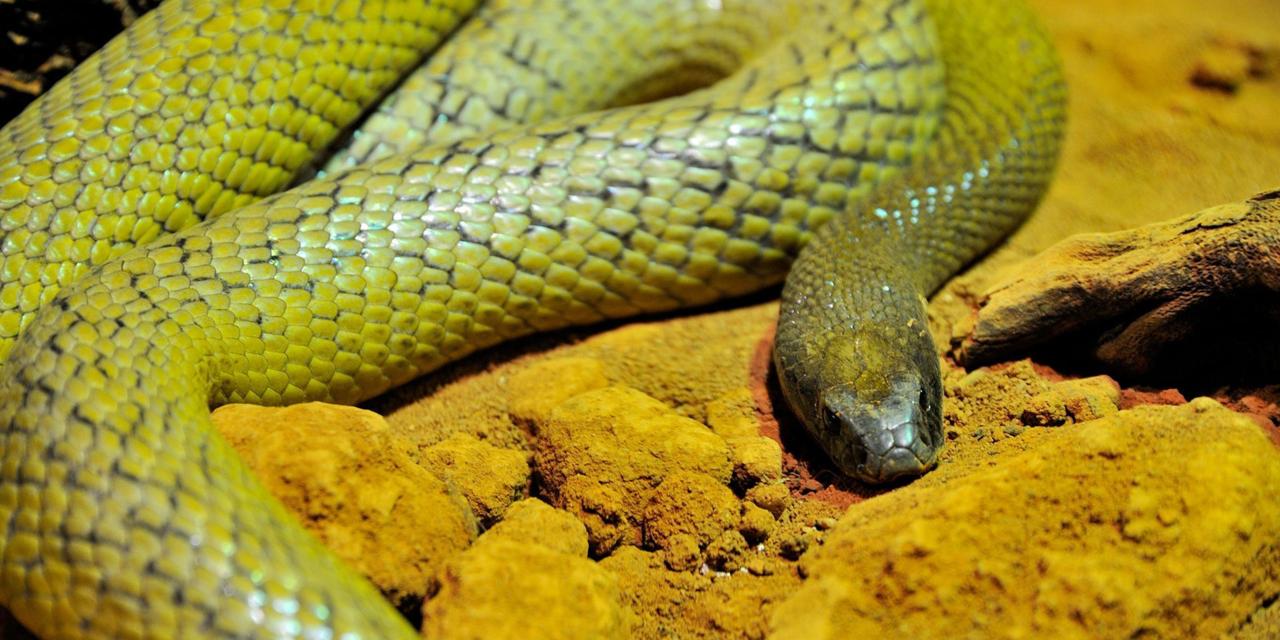
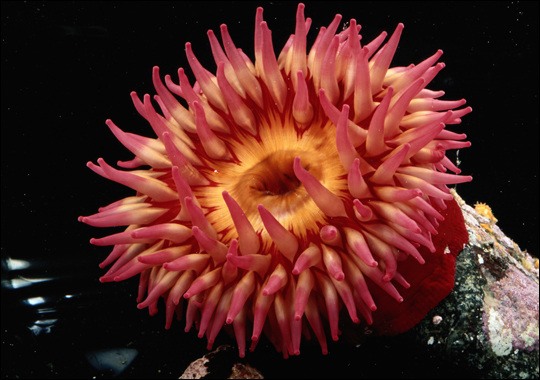
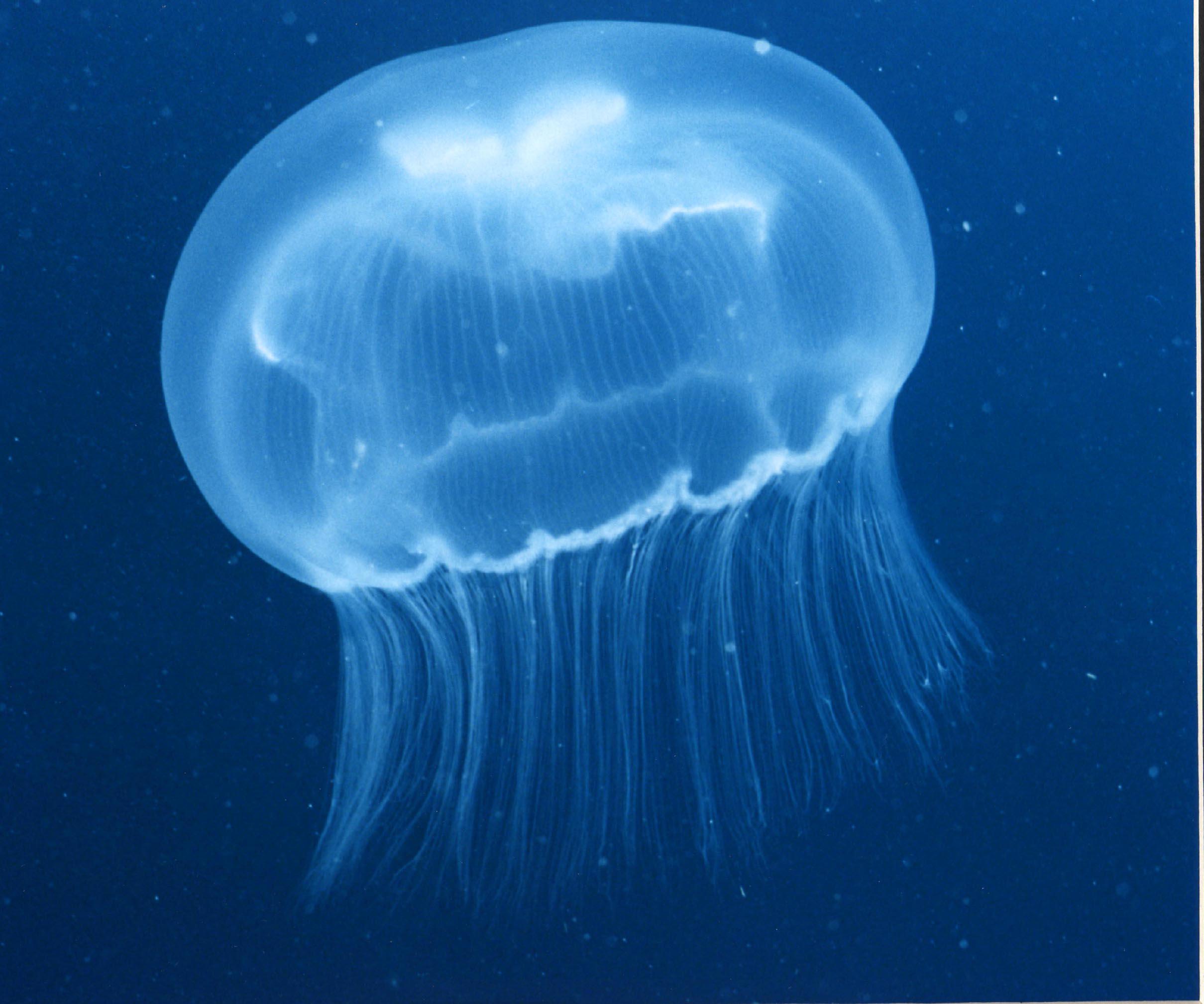
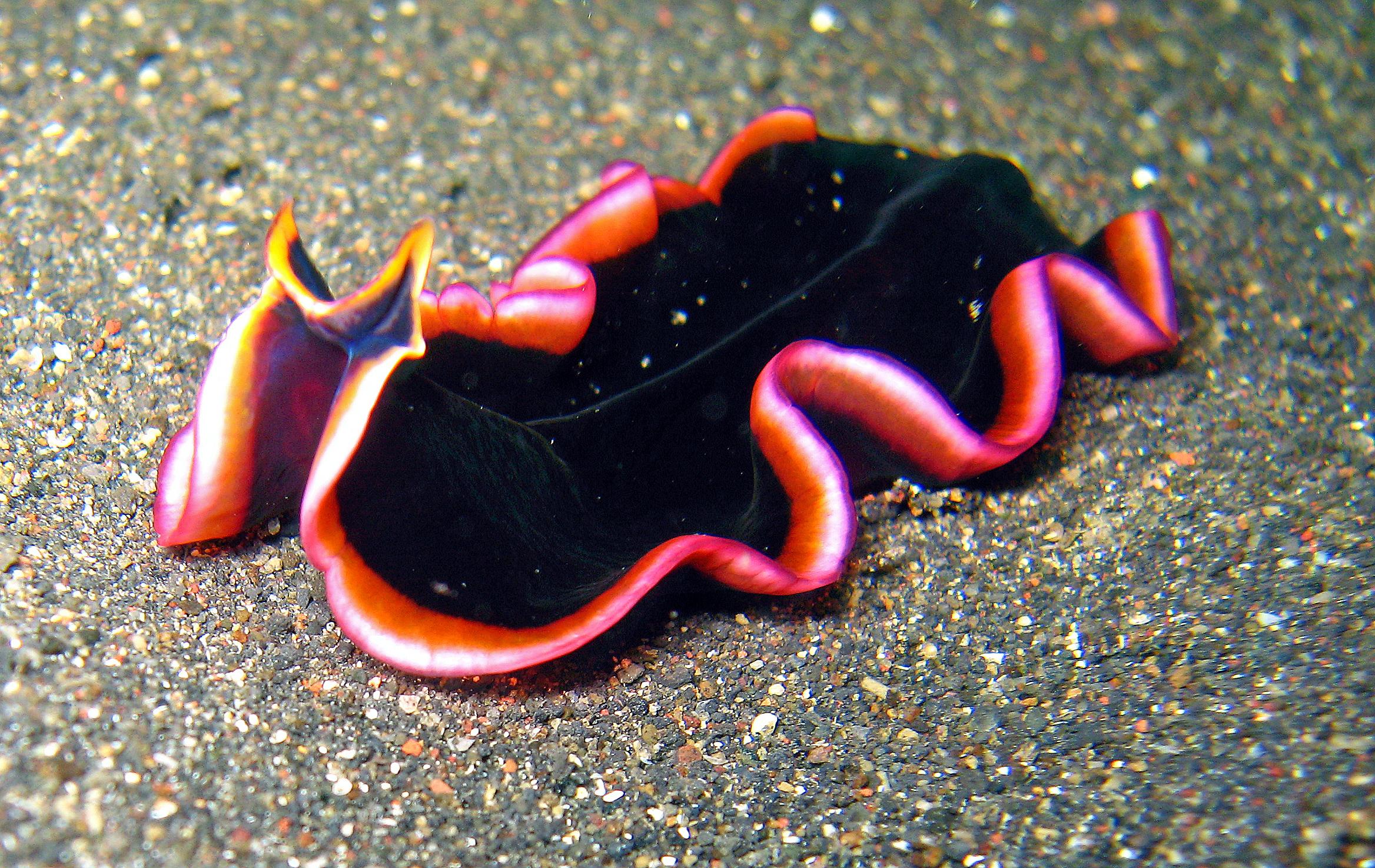
Which of the following is an invertebrate?
Cat
Snail
Goldfish
Humans
What does invertebrate mean?
Animals without a backbone
Animals that change their form
Animals with a backbone
Animals that lay eggs

Humans are invertebrates.
True
False

The excretory system gets rid of:
Nutrients
Cartilage
Waste
Oxygen
What is the main product of the endocrine system?
Bones
Blood
White blood cells
Hormones
Which body system protects the organs of the body?
digestive
respiratory
skeletal
muscular
This organ is part of the digestive system.
lung
heart
brain
stomach
What is the function of the respiratory system?
To digest your food
To remove waste from the body
To take in oxygen and remove carbon dioxide
To fight disease
What is the function of the digestive system?
It transports blood and oxygen to your cells
It breaks down food so the nutrients can be absorbed by your body
It helps you breathe by taking in oxygen and transporting carbon dioxide out of your body
It helps you move
Which system in the human body includes the heart, blood, arteries, and veins?
cardiovascular or circulatory
muscular
digestive
respiratory
Which statement best describes the relationship between the nervous system and the muscular system?
The nervous system controls the muscular system.
The muscular system controls the nervous system.
The nervous system provides nutrients for the muscular system.
The muscular system provides nutrients for the nervous system.
Which two body systems work together to support the body and allow the body to move?
circulatory and respiratory
digestive and nervous
skeletal and muscular
circulatory and digestive
Which of the following is a component of the circulatory system?
heart
blood vessels
blood
all answers
Bones
Provides shape & support
Helps you move
Protects organs
Produces blood cells
Neurons
Attached to bone and move bones using tendons
Water absorbed into the bloodstream, remaining material is readied for elimination from the body.
Produce chemical called antibodies to destroy pathogens
Nerve cell specialized to transfer messages in the form of fast-moving electrical energy
Which organ is part of the peripheral nervous system?
Brain
Heart
Nerves
Hair
Most chemical digestion takes place, absorption of nutrients from digested food into the bloodstream
Lungs
Esophagus
Large intestine
Small Intestine
Mechanical and chemical digestion start here
Stomach
Brain
Mouth
Pancreas
Cartilage
Connective tissue that is more flexible than bones
Produces blood cells
Found only in the heart
Large dome-shaped muscle used in breathing

