
 Worksheets
Chemistry first steps
Total questions: 40
Worksheet time: 20mins
What atom model is Cesium (Cs)?


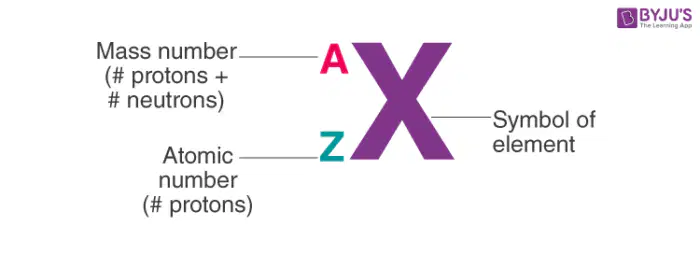
Which answer BEST fits in Uranium Isotope,which is MOST close to original Uranium Atom?
U
A=235
Z=92
U
A=238
Z=92
U
A=236
Z=92
U
A=234
Z=92
Which of the following is FISSION?


None of the above
Cesium 137 half-live is 30 years.
After how many years, Isotop's mass will be around 13.7 amu ?
150
60
90
120
Which of the following is DISADVANTAGE of the nuclear power plants?
Select ALL that apply
Limited Fuel supply
Radioactive waste
Clean energy source
Low percentage of catastrophic
Where are valence electrons located?
All of the above.
Outer shell
Outermost energy level
Highest energy level
As we move from Aluminium to Argon, elements will become:
More metalic
Less metalic
More metalloid
Less metalloid
Which of the following is
C12H22O11
Scene Bond
Blure Bond
Ionic bond
Covalent bond

Which element is LEAST radioactive?
Silicon (Si)
Carbon (C)
Helium (He)
Aluminium (Al)
CI6 can be represented as
carbon tetraiodide
monocarbon hexaiodide
carbon iodine
carbon hexide
N2+6H2 ➜ 2NH6
This chemical reaction is
Balanced
Not enough information
Unbalanced
Transformed
Which set of coefficients will balance the following chemical reaction:
_H4 + _O2 ➜ 8HO
Enter 2 numbers.
(a)
Metal + Non-metal ➜ ?
Ionic bond
Saving bond
Covalent bond
Transformational bond
Which chemical reaction will MOST LIKELY conduct electricity?
NOH4
C22H24N2O8
Na2S2O5
C3O6
Law of conservation of matter states, that energy cannot be neither ___ or ___
Transformed, Destroyed
Created, Saved
Created, Destroyed
Saved, Destroyed
After chemical reaction:
FeBr3 + 3NaOH → Fe(OH)3 + 3NaBr
the energy of FeBr3 is:
Destroyed
Turned into a Na3OH
Turned into a plasma
The same
The chemical reaction:
Zn + 2HCl→ ZnCl2H2
Synthesis
Double replacement
Single replacement
Decomposition
Synthesis contains:
2 reactants, 1 product
2 products 1 reactant,
2 products, 2 reactants
1 product, 1 reactant
FeBr3 + 3 NaOH → Fe(OH)3 + 3 NaBr
Decomosition
Double replacement
Single replacement
Synthesis
In chemical reaction:
2Na + Cl2 → 2NaCl.
The energy from 2Na is:
Vanished
Turned into a plasma
Destroyed
None of the above
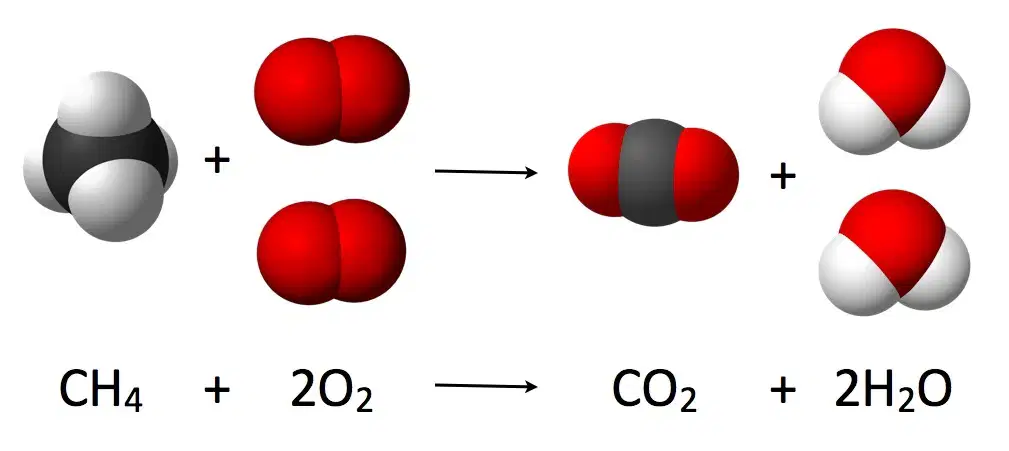
The model represents
Not enough information
Law of conservation of matter
Chemical reaction of plasma
Chemical reaction of saving
Mike put chocolate powder to hot milk.
Determine what is solute, solvent and solution
Solute: chocolate powder
Solvent: water
Solution: chocolate milk
Solute: water
Solvent: chocolate powder
Solution: water
Solute: water
Solvent: chocolate powder
Solution: milk
Solute: chocolate powder
Solvent: milk
Solution: chocolate milk
Decomposition is:
AB ➜ A+B
A+B ➜ AB
AB+BC ➜ BA+AC
None of the above
Na2Cl4 + 2H ➜ 2NaHCl2
Synthesis
Decomposition
Single replacement
Double replacement
Which is MOST concentrated?
28g of 280 ml solution
20g of 200 ml solution
15g of 150 ml solution
All have same concentration
Which will dissolve FASTER?
Temperature: 100C
Stirring: Yes
Concentration: 10g in 100 ml
Temperature: 30 C
Stirring: No
Concentration: 10g in 150 ml
Temperature: 30C
Stirring: No
Concentration: 20g in 230 ml
Temperature: 100C
Stirring: Yes
Concentration: 30g in 100 ml
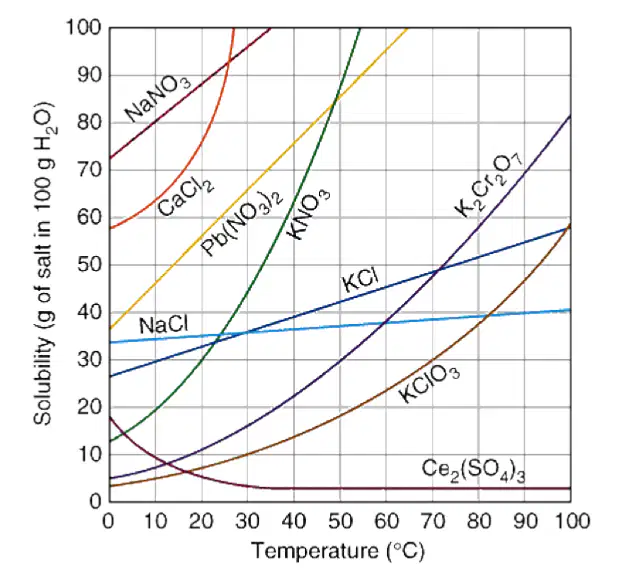
Which one will dissolve MOST SLOWLY
NaCl
Ce2(SO4)3
KCl
CaCl2
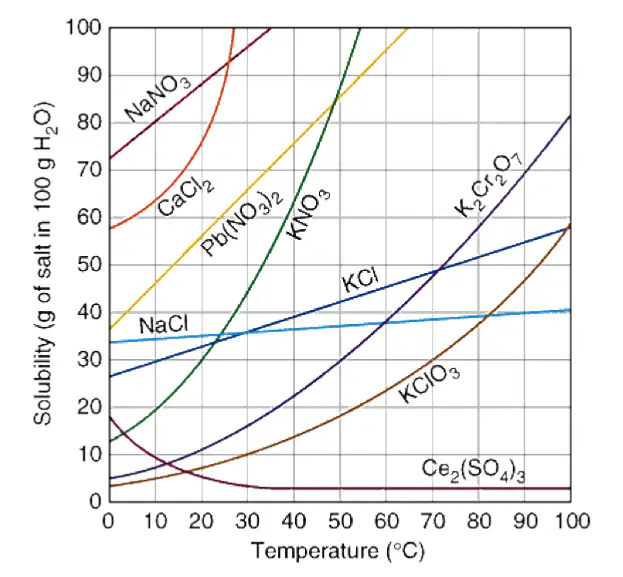
What is the solubility of NaCl at 90 degrees C?
20g/100g H2O
30g/100g H2O
40g/100g H2O
50g/100g H2O
Which of the following is MOST acid?
Lemon Juice
(2 pH)
Sea water (8 pH)
Baking Soda
(3 pH)
Pure water (7 pH)
Base has pH of
None of the above
<7 pH
>7 pH
7 pH
If one dot of Bleach (13 pH) will fall into blue litmus paper, what will happen?
It will turn white
Nothing
It will turn red
It will turn blue
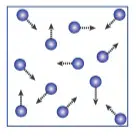
What state of matter is the picture showing?
Solid
Gas
Liquid
None of the above
What is PLASMA
State of matter that is closer to liquid than to solid
State of matter that is closer to solid than to liquid
Undiscovered state of matter
Soup of protons, electrons and neutrons
As pressure increases, density
None of the above
Increases
Stays the same
Decreases
As density decreases, temperature:
None of the above
Stays the same
Increases
Decreases
As volume stays the same, temperature:
None of the above
Increases
Stays the same
Decreases
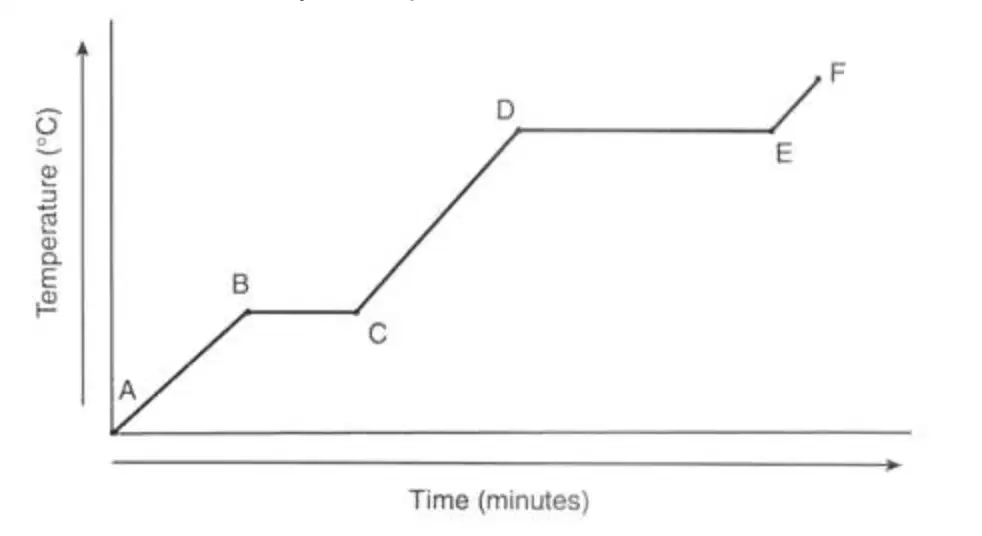
During BC period, in which state will matter MOST LIKELY be?
Solid/Liquid
Gas
Solid
Liquid
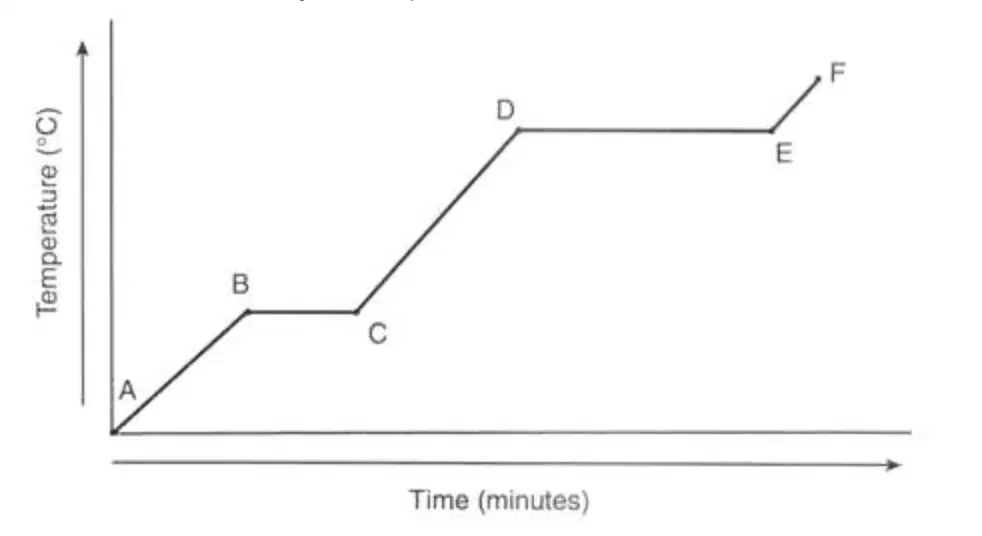
In which period, state is considered as Gas ONLY
BC
CD
DE
EF

In what period state is considered as SOLID?
5
4
3
2
Iodine's 131 half-life is 8 days.
After how many days Iodine's mass will be 1.56%
ROUND your answer.
(a)

