
 Worksheets
Natural Selection
Total questions: 34
Worksheet time: 20mins
What is natural selection?
process in which helpful traits become more common over time
a trait that helps an organism survive better
Adaptations can be:
camouflage
ability to survive cold weather
hunting skills
all of the above
A species could go extinct if:
food becomes more plentiful.
members of the species have adaptations to enhance survival.
the environment changes drastically and no one can adapt.
there is less competition for resources.
Natural selection occurs during the lifetime of a single organism.
True
False

What is most likely to happen to moth populations in the picture shown?
Light moths--hunted easily, dark moths--population increase
Dark moths--hunted easily, dark moths--population increase
Light moths--hunted easily, light moths--population increase
Lights moths will change their color to match dark moths.

What type of environment do you think this data was collected from?
forest with primarily white-bark trees
forest with primarily dark-bark trees
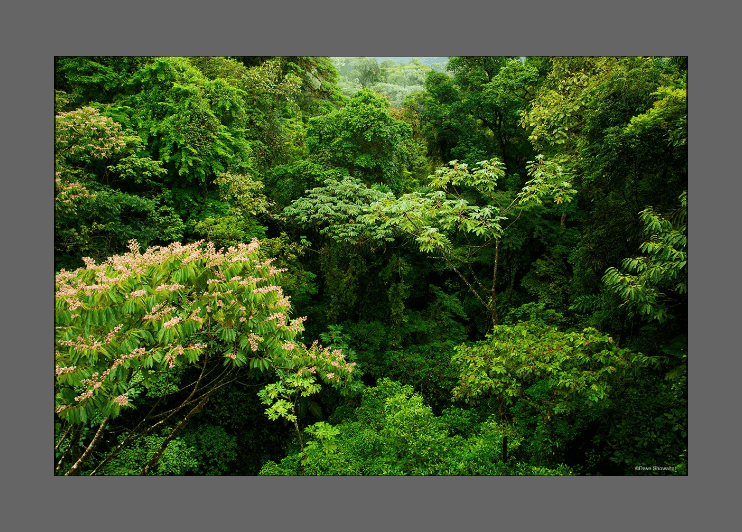
A yellow morph and green morph of an insect lives in the rainforest canopy. You would expect:
the green population to increase and the yellow to decrease
both populations should stay the same
both populations will increase
the green population to decrease and the yellow to increaseThis is a wrong answer
TRUE or FALSE: Natural selection will still occur if each individual has the same exact traits
TRUE
FALSE
How do you "win" at natural selection?
survive
go extinct
survive & reproduce
What word describes a trait that helps an organism survive in its environment?
natural selection
mutation
camouflage
adaptation
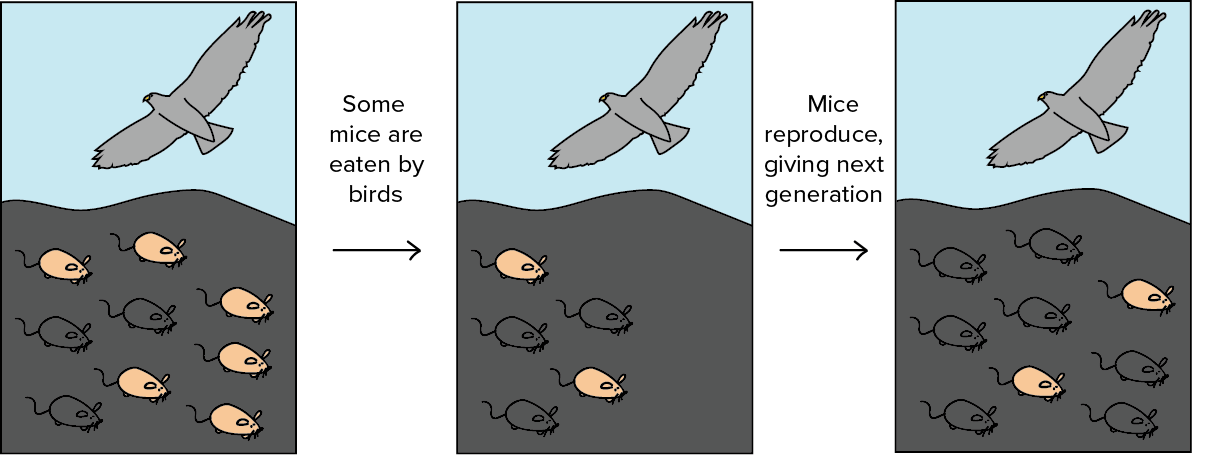

In a cold environment what would be some adaptive traits? Sellect all that apply.
thick blubber
thick fur
thin fur
strong muscles
An inheirted trait that increases an organism's chance of surviving and reproducing in a particular environment. (a)
an adaptation that enables a species to blend in with its environment (a)
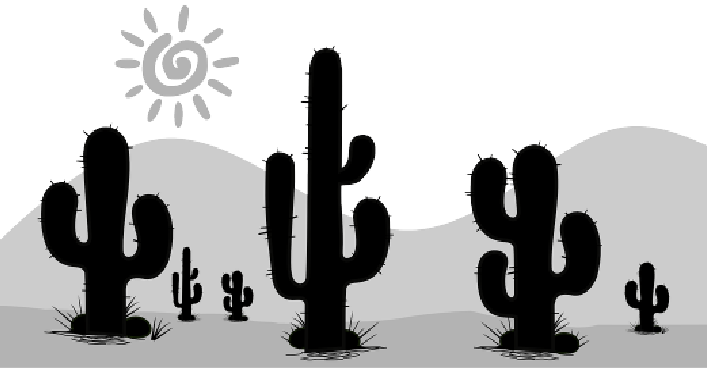
Natural Selection is driven by a change in the environment and survival of the
Smartest
Fastest
Most well adapted
Biggest
Mutations are a change in what?
DNA
phenotype
genotype

All rabbits of the same species living in a particular area would be an example of a(n)
population
species
community
ecosystem
The more genetic variation a population has,
the more likely it is for some individuals to
evolve
migrate
survive
mutate
Why is competition important for natural selection?
It shows which variations are more successful, allowing the organisms with those variations to survive.
It causes organisms, regardless of which traits they have, to die out, reducing the population size.
It causes organisms to get stronger due to having to outcompete other species.
Competition is not important for natural selection.

Natural selection is where ___________ decides which traits should be passed on.
nature
a human
traits
evolution

Over time, honey suckle flowers develop a sweet smell to attract pollinators. This is an example of
selective breeding
extinction
natural selection
evolution
The Asian shore crab invaded parts of the eastern coast of the United States about 15 years ago. The Asian shore crab preys on blue mussels. In the time since the Asian shore crab arrived, the average shell thickness of the blue mussel population has increased.
Which of the following is the most likely reason that this increase in shell thickness has occurred?
Blue mussels with thick shells attract more crabs that mussels without thick shells.
Blue mussels with thick shells grow in larger colonies than mussels without thick shells.
Blue mussels with thick shells catch more food per day than mussels without thick shells.
Blue mussels with thick shells survive and reproduce more successfully than mussels without thick shells.
Which example best illustrates a condition necessary for natural selection to occur?
Cheetahs have nearly identical genetic makeup.
Clownfish can lay a thousand eggs at a time.
Some bacteria have very specific temperature requirements.
A strawberry plant is able to reproduce asexually.

