
 Worksheets
EOC Review
Total questions: 50
Worksheet time: 27mins

Which side won the U.S. Civil War? (a)
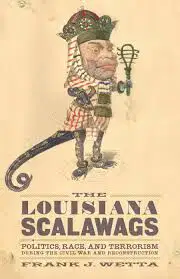
White Southerners who joined with northern Republicans during Reconstruction often to gain power and wealth. Supported freedmen (African Americans & Reconstruction ideas from the Northern politicians)
Abolitionist
Suffragist
Carpetbagger
Scalawag
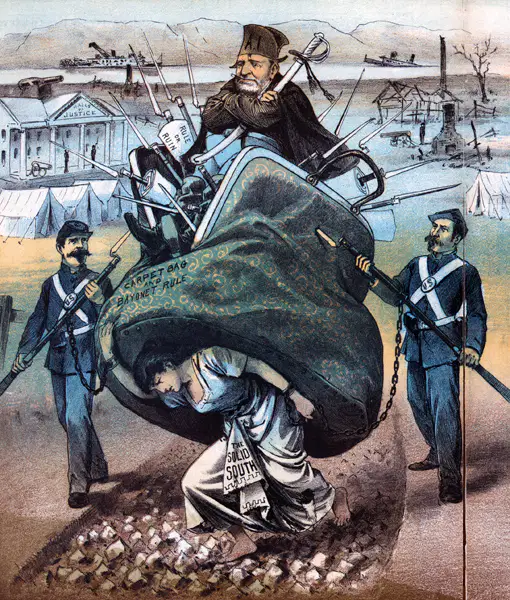
Northern politicians who supported reconstruction. Migrated to the South after Civil War • Appealed largely to African Americans • Corrupt, exploited Southerners.
Abolitionist
Carpetbagger
Scalawag
NAACP
What do you call a person who was opposed to slavery and worked toward ending it?
Secessionist
Lincolnist
Abolitionist
Whig

• Supreme court ruled that Dredd, Scott, an African-American, was not a citizen and had no right to sue in court.
• The court ruled that Congress had no power to outlaw (make illegal) slavery in federal territories
Uncle Tom
Tony Stark
Dred Scott
Brown v Board
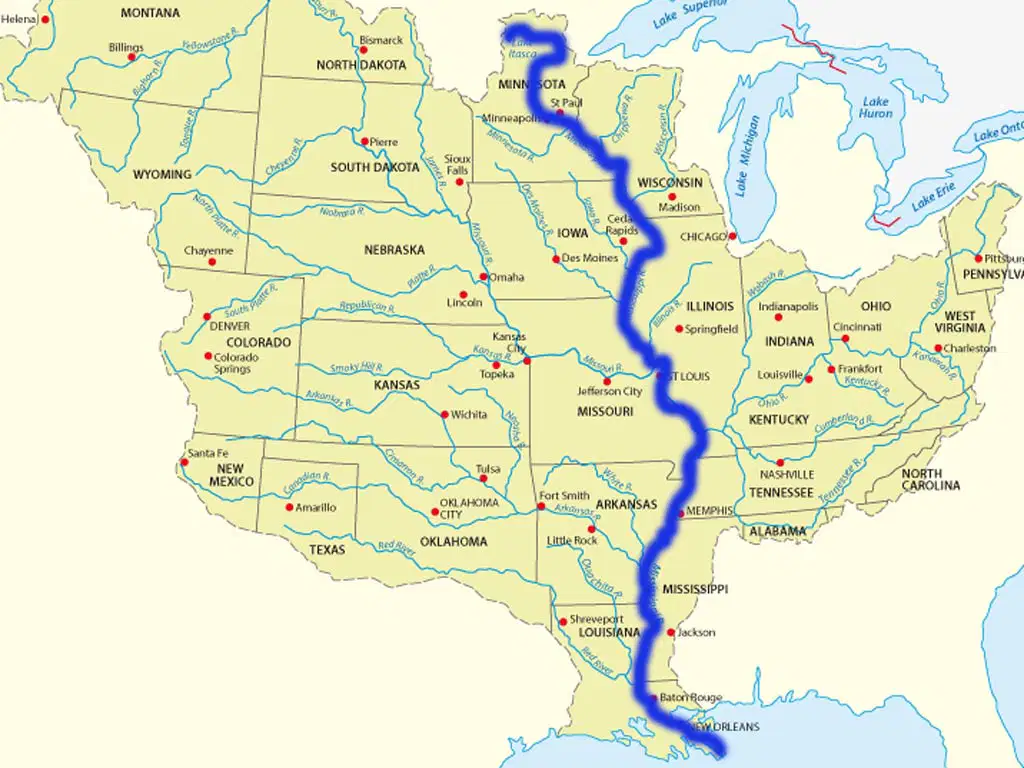
Battle of ______________ was a great victory for the Union. It gave control of the Mississippi River to the Union. Confederate army under General Robert E. Lee was defeated at the Battle of Gettysburg. These two victories marked the major turning point of the Civil War in favor of the Union.
Battle of Vicksburgs
Battle of Gettysburg
Battle of Antietam
Battle of Bull Run

What Amendment grants citizenship to all persons born on American soil except for Native Americans?
12th Amendment
14th Amendment
13th Amendment
15th Amendment
What laws sought to restrict the freedoms of African Americans after slavery ended and they become the basis of Jim Crow Laws?
Cheat Codes
Morse Codes
Black Codes
Nuclear Codes
Slavery is outlawed in the US by this amendment:
13th Amendment
15th Amendment
19th Amendment
12th Amendment
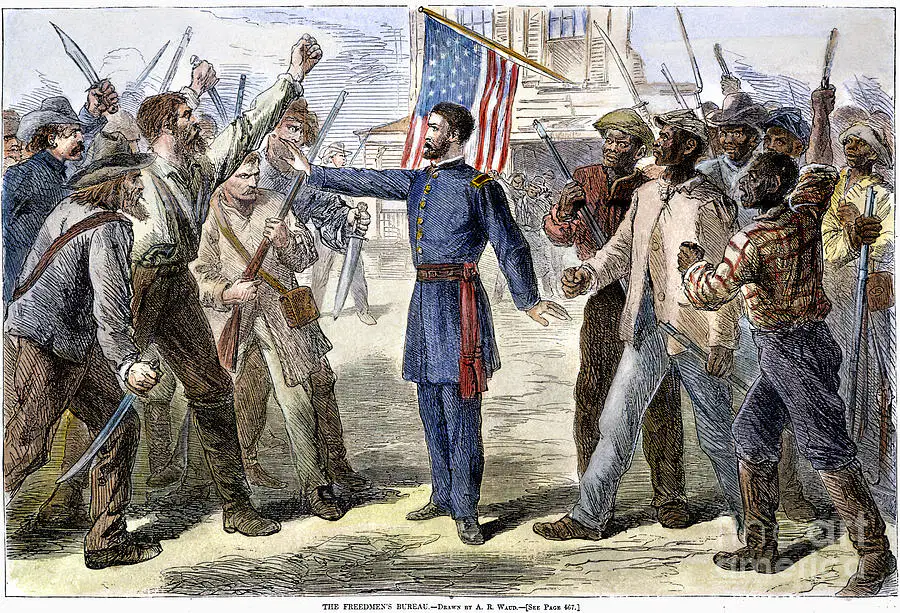
Which is the best description of Reconstruction?
rebuilding the US after a big earthquake
a period of rebuilding in the US after the Civil War
a period of rebuilding in the US after the Revolutionary War
unfair treatment of African Americans after the Civil War

What's the best title for this list?
Reconstruction Laws & Policies
Jim Crow Laws
Civil War Codes
Black Codes
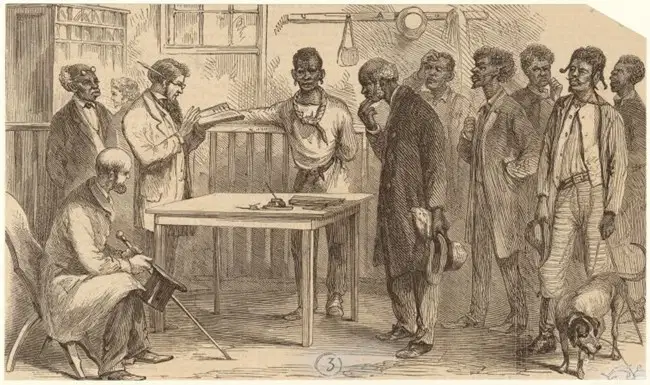
The 15th Amendment states that a person cannot be denied the right to vote based on ____________________.
race
previous condition of servitude
both
Freedmen´s Bureau
Agency established by Congress to help former slaves in the South
Reconstruction
Period of rebuilding the nation after the Civil War
Fourteenth Amendment
African American Citizenship
Fifteenth Amendment
Banned states from denying African Americans right to vote
Sharecropping
Landowners gave a few acres of land to farm workers in exchange for a portion of their crops

White Southerners who used violence to keep blacks from voting.
Scalawags
Carpetbaggers
Ku Klux Klan
Jim Crow
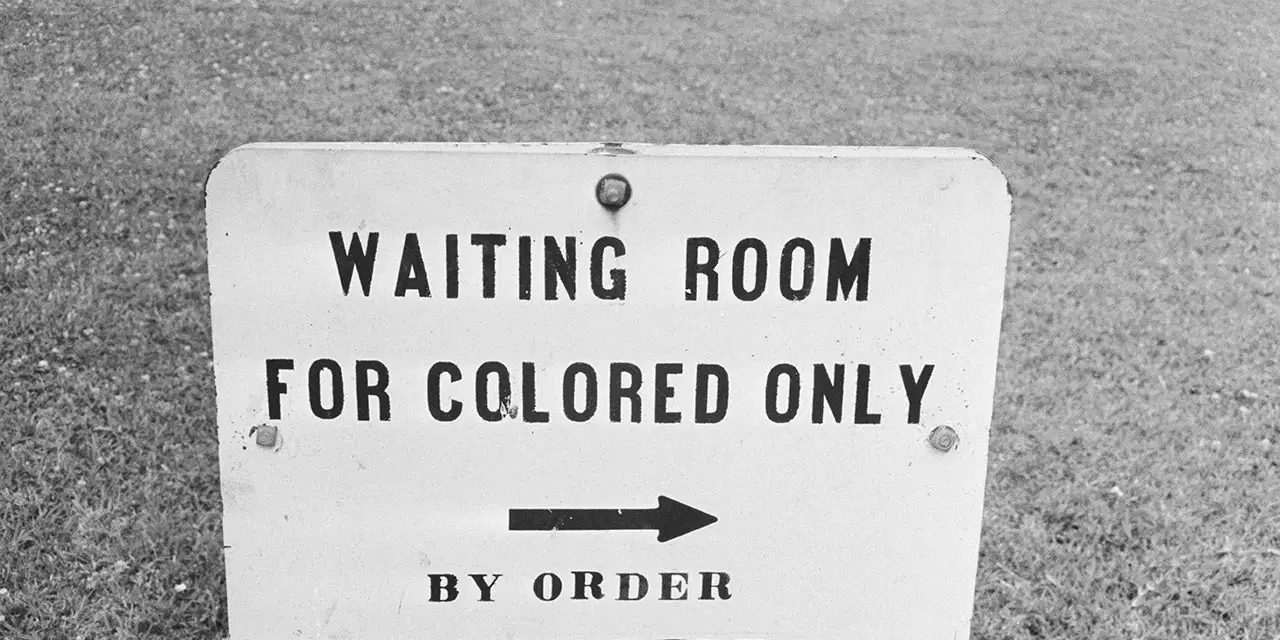
Racial segregation
Scalawags
Jim Crow
Ku Klux Klan
Carpetbaggers

The battle occurred on December 29, 1890, near Wounded Knee Creek in South Dakota. The Massacre is the last major conflict between the U.S. Army and Native Americans. It was a one-sided battle where an overwhelming force of U.S. soldiers killed over 200 men, women, and children of the Lakota Indians.
Battle of Antietam
Battle of Gettysburg
Battle of Vicksburg
Battle of Wounded Knee
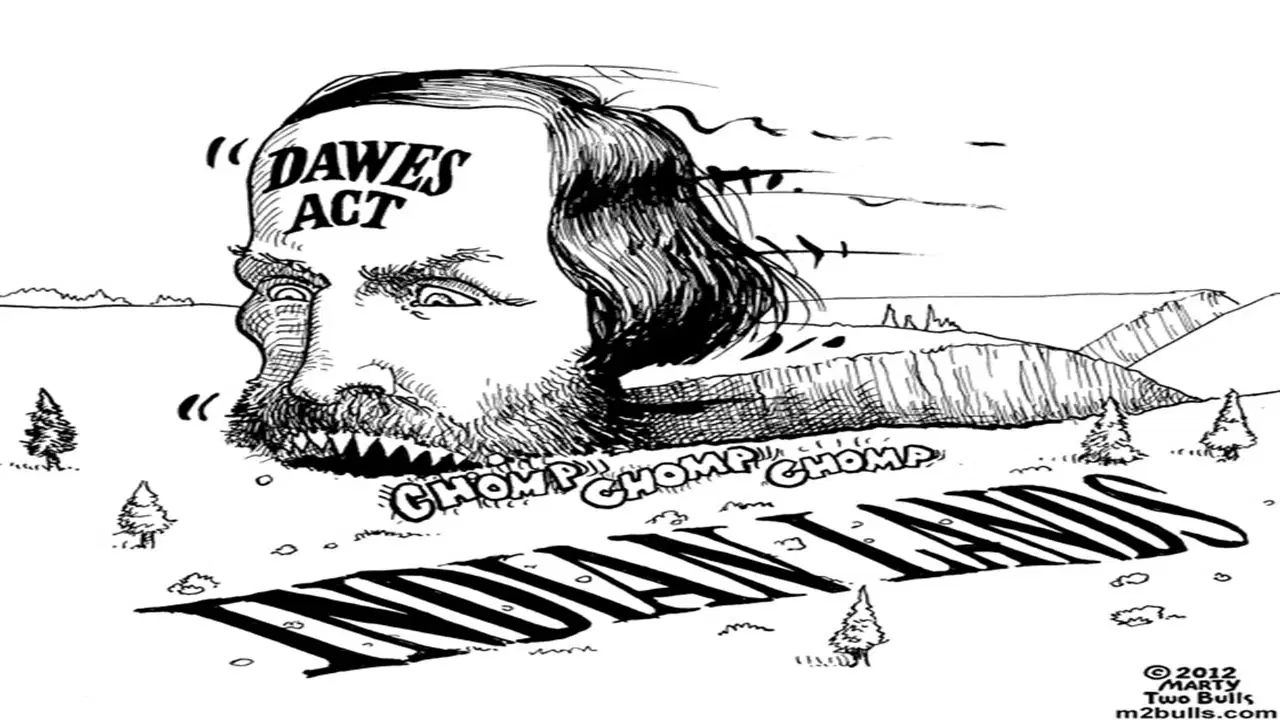
Plan to Americanize Native Americans. Each American Indian was allowed to claim land (160 Acres). Goal: Private property over tribal lands. Negatives: Threatened the survival of Indian culture. Indian tribes lost their status as a tribe, which led to the sell-off of reservation land.
Jim Crow
Indian Reorganization Act
Dawes Act
Black Codes
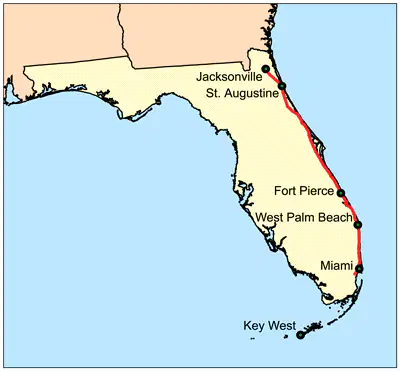
Florida East Coast Railroad
Andrew Carnegie
John D. Rockefeller
John Pierpoint Morgan
Henry Flagler

Oil Refining, Standard Oil, Horizontal Integration (Monopoly), secret rebates from railroads.
Henry Flager
John D. Rockefeller
John Pierpoint Morgan
Andrew Carnegie

Steel adopted Bessemer process, Homestead Strike, Vertical Integration, and Gospel of Wealth.
John Pierpont Morgan
John D. Rockefeller
Andrew Carnegie
Henry Flager

This invention connected east and west causing an economic boom.
Immigration
Transcontinental Railroad
Gilded Age
Urbanization

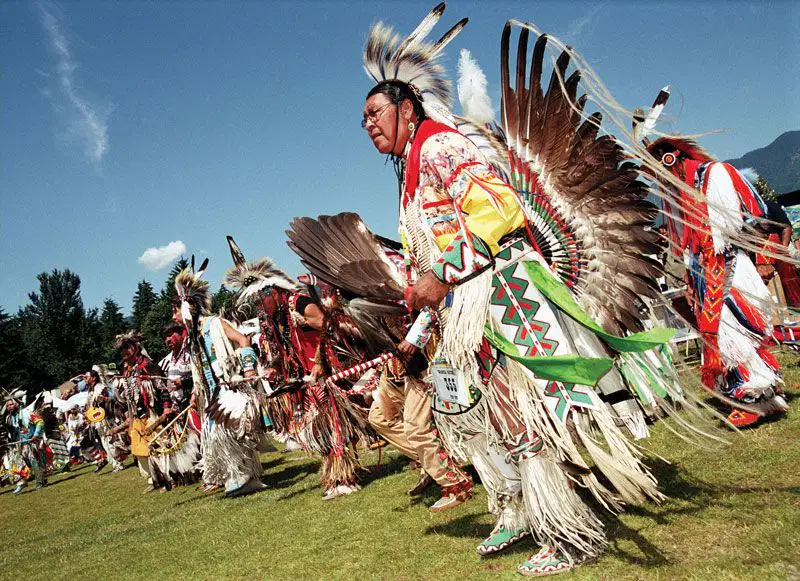
Ended the Dawes Act • Returned land to tribes • Encouraged self government of tribes • Restored the management of tribal lands to tribes • IRA was part of FDRs New Deal
Indian Reorganization Act (IRA)
Dawes Act
Dawes Plan
Tribal Removal Act

The book argued that colonies would provide the United States with:
• strategic naval bases
• encourage trade
• bring wealth/power
Author: Alfred T. Mahan
Jim Crow in the South
The Influence of Sea Power
Robber Barons
Suffragist
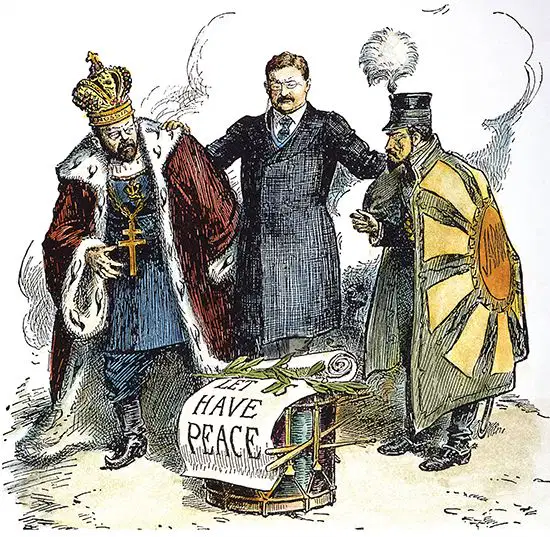
What did the Treaty of Portsmouth accomplish (1905)?
U.S President Theodore Roosevelt won a Nobel prize for negotiating and mediating peace agreements between two nations.
Russia and Japan continued fighting
The U.S entered the Russo-Japanese War
Japan invaded Pearl Harbor
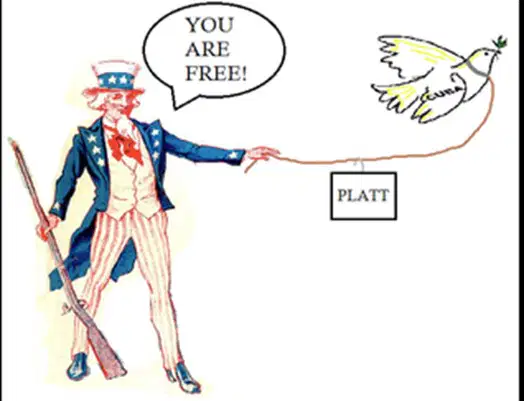
U.S. will establish Naval bases in Cuba.
U.S to establish foreign/domestic affairs in Cuba
Benefits = U.S. established schools, organized finances, and helped eliminate yellow fever.
The U.S. gained access to natural resources.
Platt Amendment
Teller Amendment
Treaty of Portsmouth
Influence of Sea Power
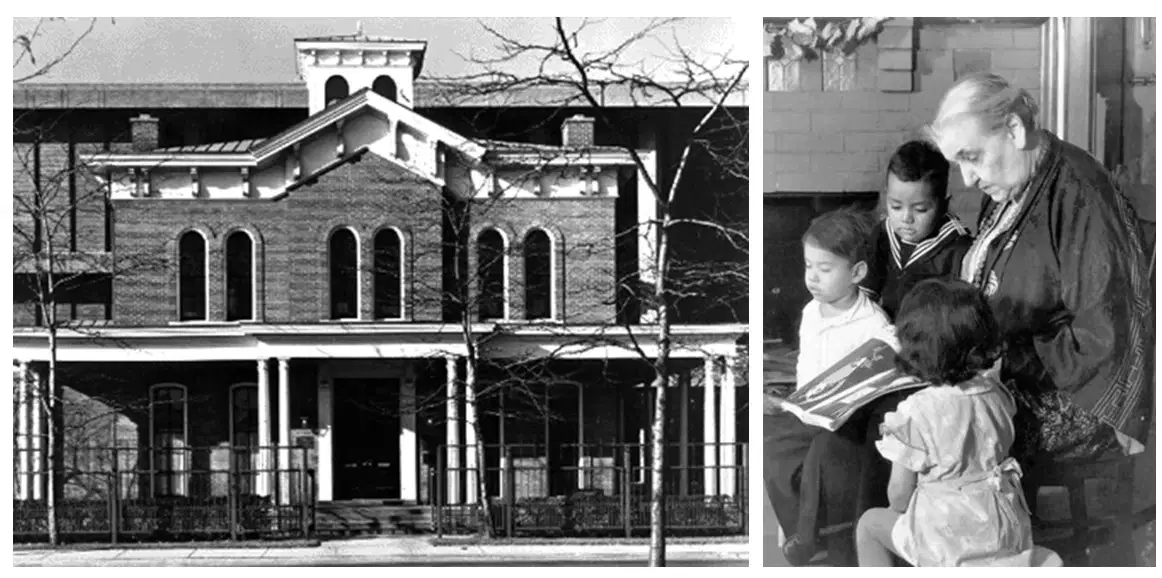
Houses that provided services (childcare, education, help with citizenship, health care) to poor immigrants in the slums (Chicago).
Person: Jane Addams
Ghettos
Settlement Houses
Prohibition
Medicaid
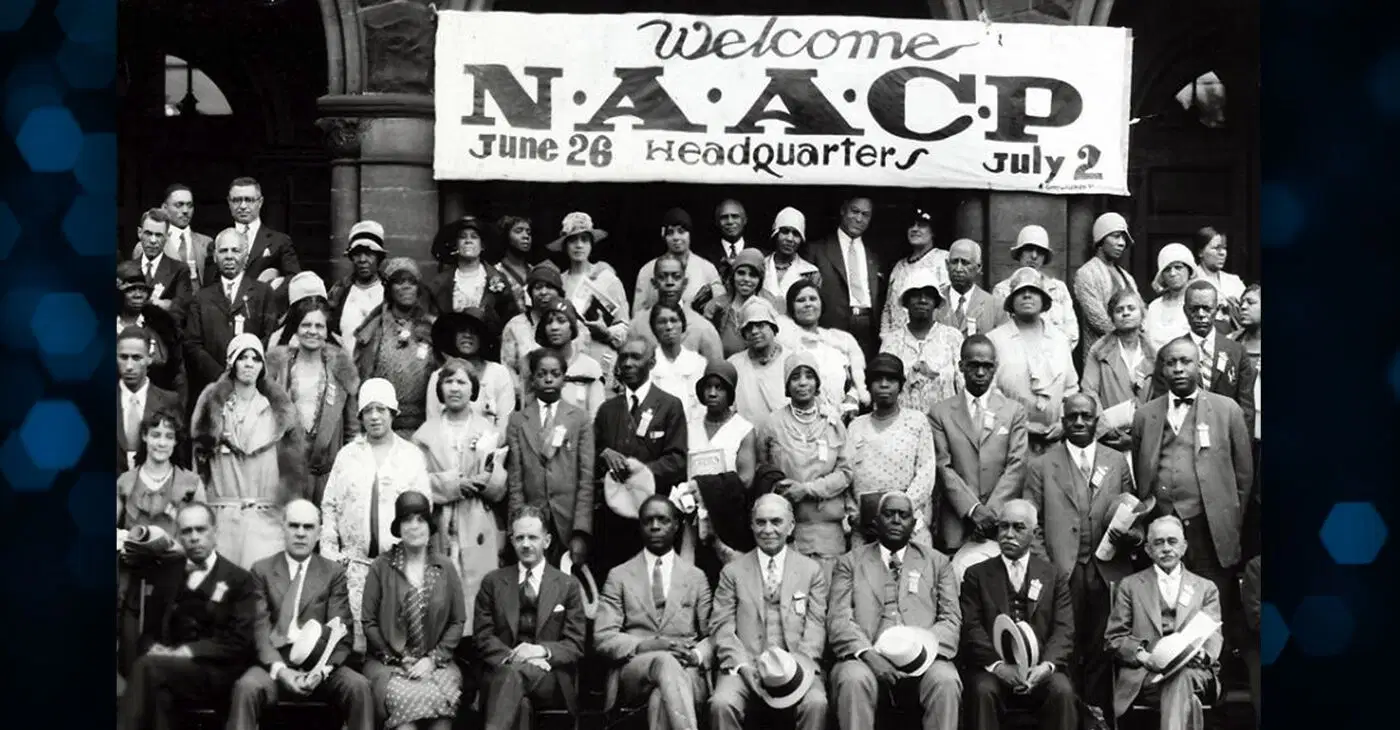
The NAACP was created to
promote the rights of African Americans.
organize ethnic enclaves in large urban centers.
direct immigrants to helpful services such as locating factory jobs.
promote settlement of the American Midwest away from large urban centers.

What name was given to the group of investigative reporters who wrote books, news articles or magazine articles to persuade public opinion about corrupt businesses or government?
Unionists
Muckrakers
Suffragists
Socialists
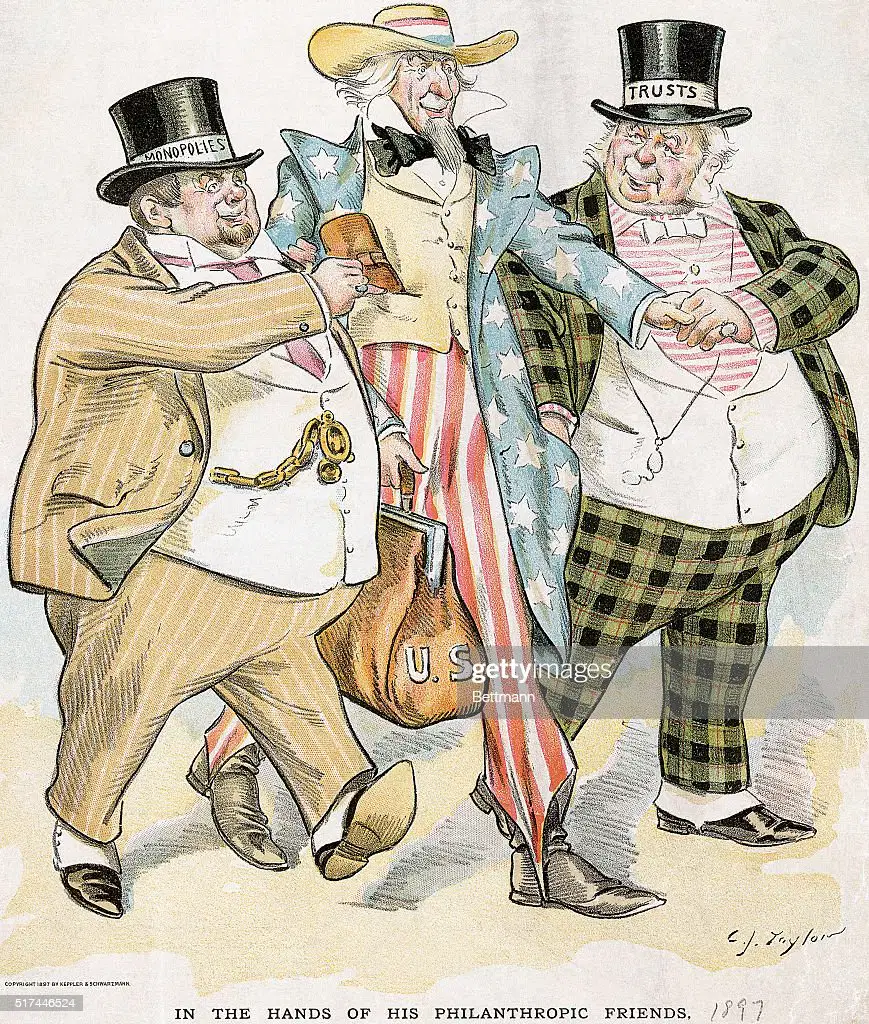
Who wrote The History of Standard Oil, a book which describes how John D. Rockefeller used ruthless business practices in the oil industry?
Ida Tarbell
Jane Addams
Jacob Riis
Lincoln Steffens
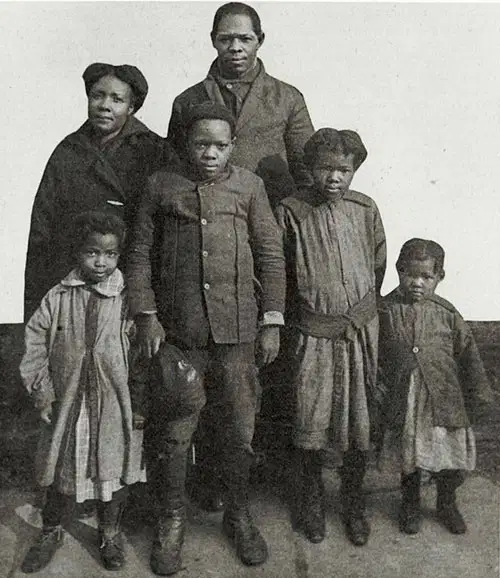
Why did African Americans move to northern urban-industrial centers during the Great Migration?
To find better weather conditions.
To escape high taxes.
To pursue higher education.
To find higher-paying jobs and to escape segregation, sharecropping, and racial violence.
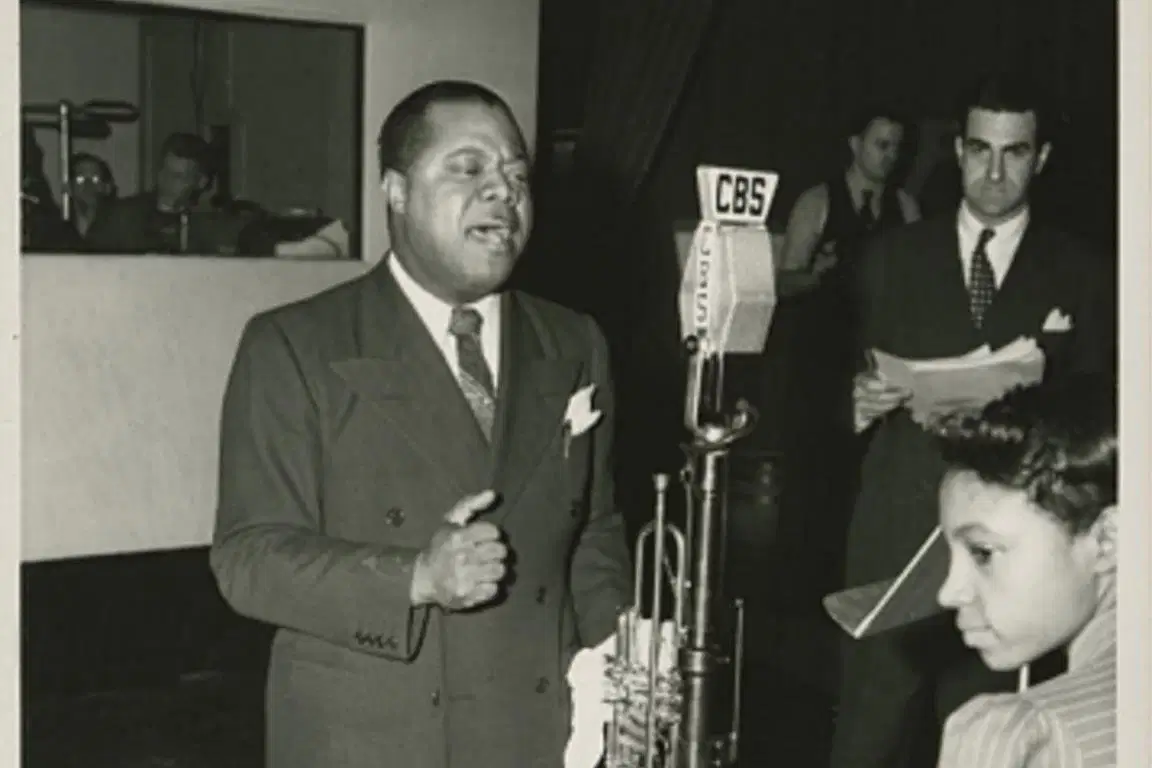
What was the goal of the artists associated with the Harlem Renaissance?
To create works that were negative and pessimistic about the future of black America.
To ignore African-American traditions and culture.
To promote racial inequality and maintain old racist stereotypes.
.
To promote racial consciousness and black pride.
What was established by Gideon v. Wainwright?
EVERYONE despite the seriousness of their crime gets a LAWYER
EVERYONE despite the seriousness of their crime gets a trial by an impartial (fair) jury
EVERYONE despite the seriousness of their crime gets a speedy trial
EVERYONE despite the seriousness of their crime gets to know what they are being charged with

one that ensured access to justice, education, decent housing, and health care for all Americans
on that emphasized that all people are equal only in the eyes of God
one in which extremism in the defense of liberty is encouraged
one that made separate schools for black and white children truly equal
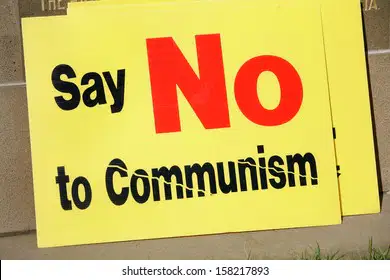
________ was a symptom of a massive and widespread anticommunist hysteria that engulfed Cold War America.
McCarthyism
Maoism
Stalinism
Trumanism

Created by Congress to identify current or former members of the Communist party. • Investigated movie actors, directors, and writers about their possible Communist sympathies. • Those identified as commies were ‘blacklisted’ and lost their jobs.
Red Scare
House Un-American Activities Committee
“McCarthyism
New Scare
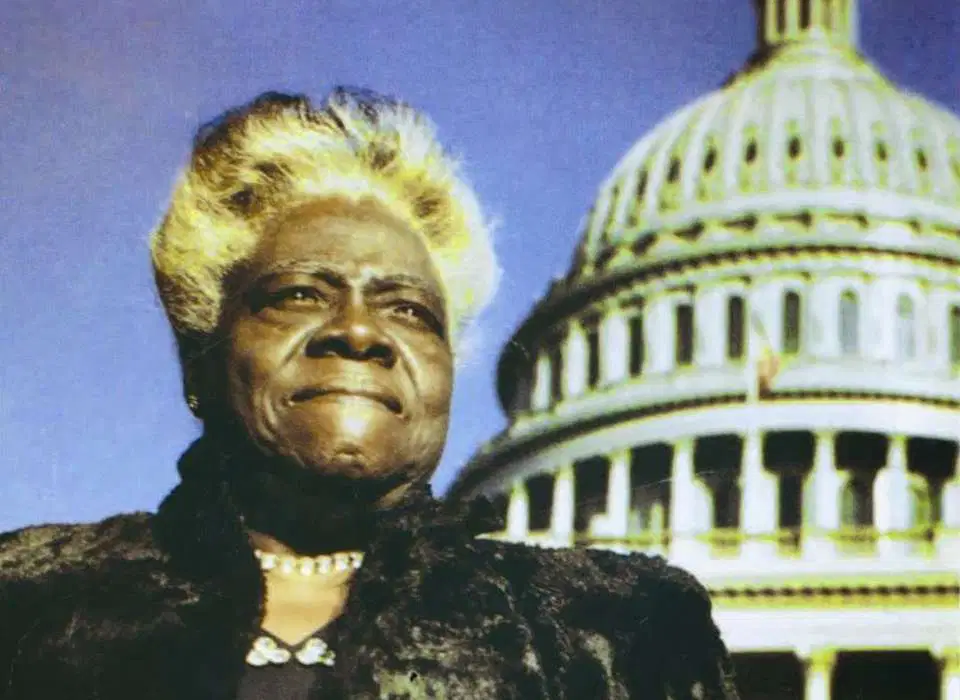
African American civil rights leader born in South Carolina. • In 1945 was appointed by Truman as an adviser on interracial relations at the San Francisco Conference, • Help draft the United Nations Charter.
Harriet Tubman
Mary McLeod Bethune
Marcus Garvey
W.E.B Dubois
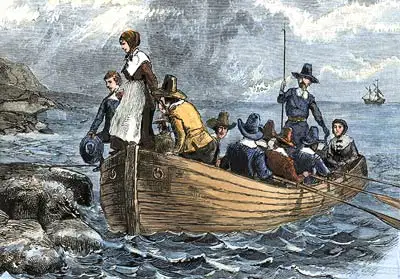
Came from Great Britain, Ireland, and Germany.
Most people spoke English
Old immigrants
New immigrants
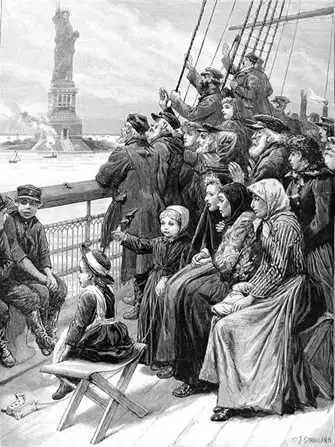
Came from Southern and Eastern Europe: Poland, Russia, Italy, and Greece.
Most were Catholic, Jewish, or Greek
Many spoke no English.
Most were desperately poor.
They had different traditions than most Americans
Faced prejudice and discrimination.
New Immigrants
Old Immigrants
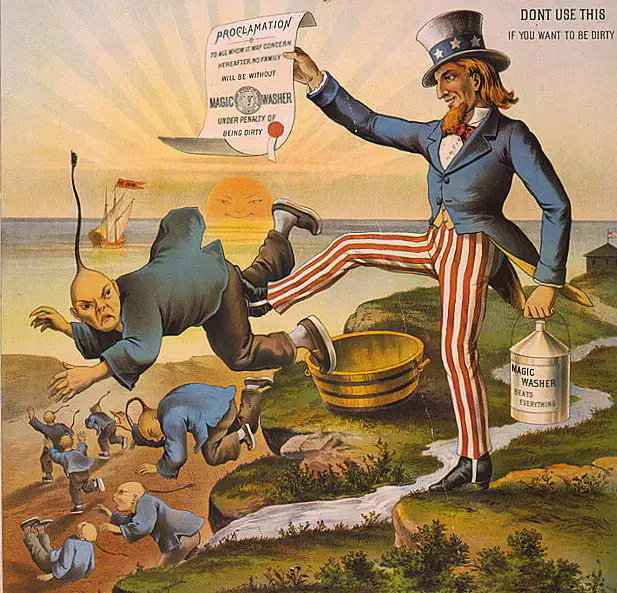
_______________ prevented the Chinese from immigrating to the United States until 1943.
Chinese-American Reconciliation Act
Chinese Exclusion Act
Emergency Quota Act of 1921
The Anti-American Act
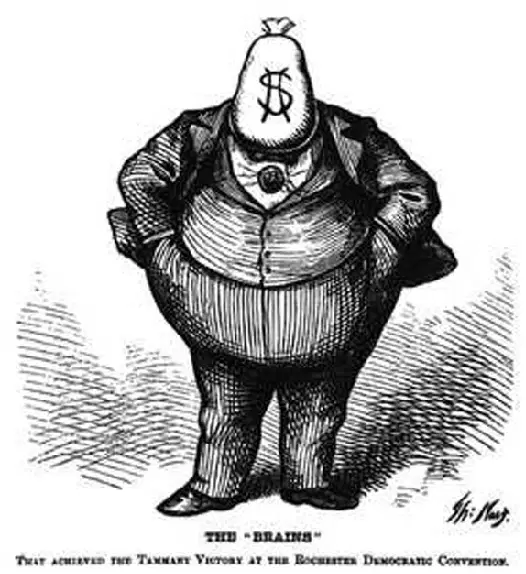
__________ would provide immigrants housing and employment in exchange for votes.
Political Machines
Republicans
Ship captains
Whigs

Appeasement
Containment
Expansion
Eradication
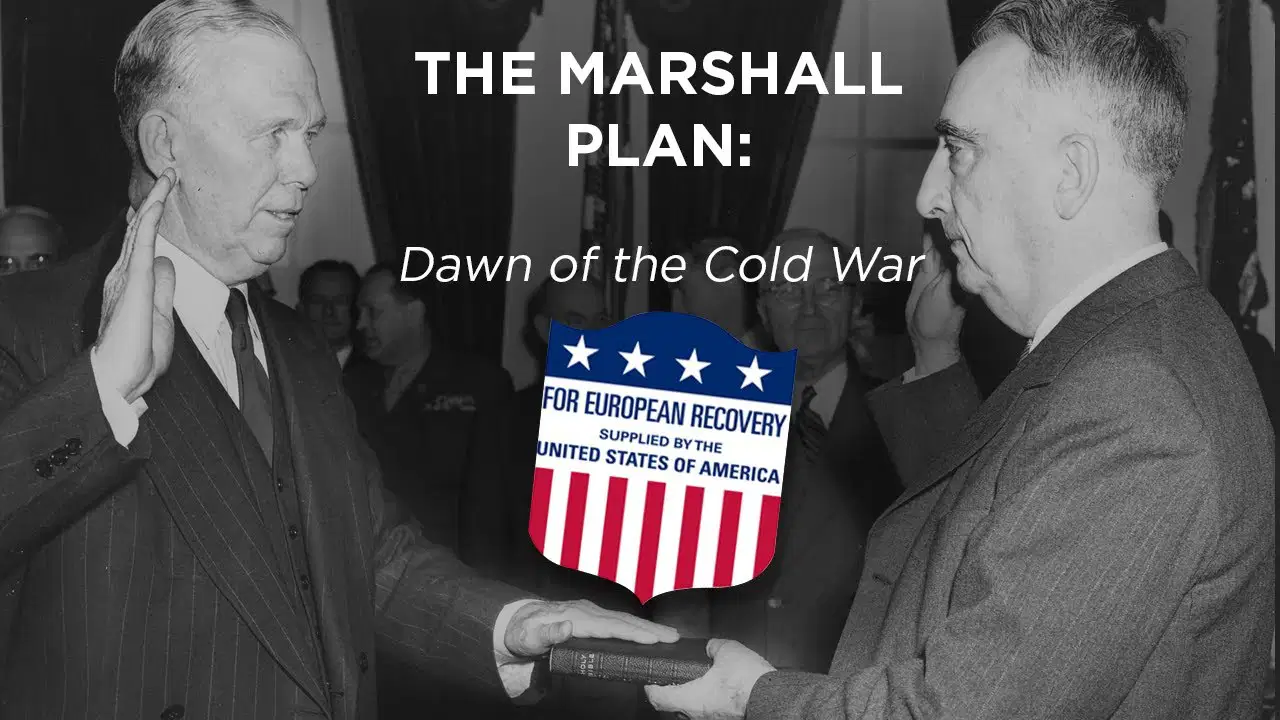
What did the Marshall Plan do?
Punished war criminals
Divided Germany into East and West Germany
Provided aid to countries recovering from World War II
Divided Korea into North and South Korea
Built up nuclear weapons for the Cold War

The Truman Doctrine became known as:
The Marshall Plan
The policy of Containment
The Riga Axioms
The Domino Theory
What was Marshall Aid used for?
Fuel
Food
Loans
All of the above
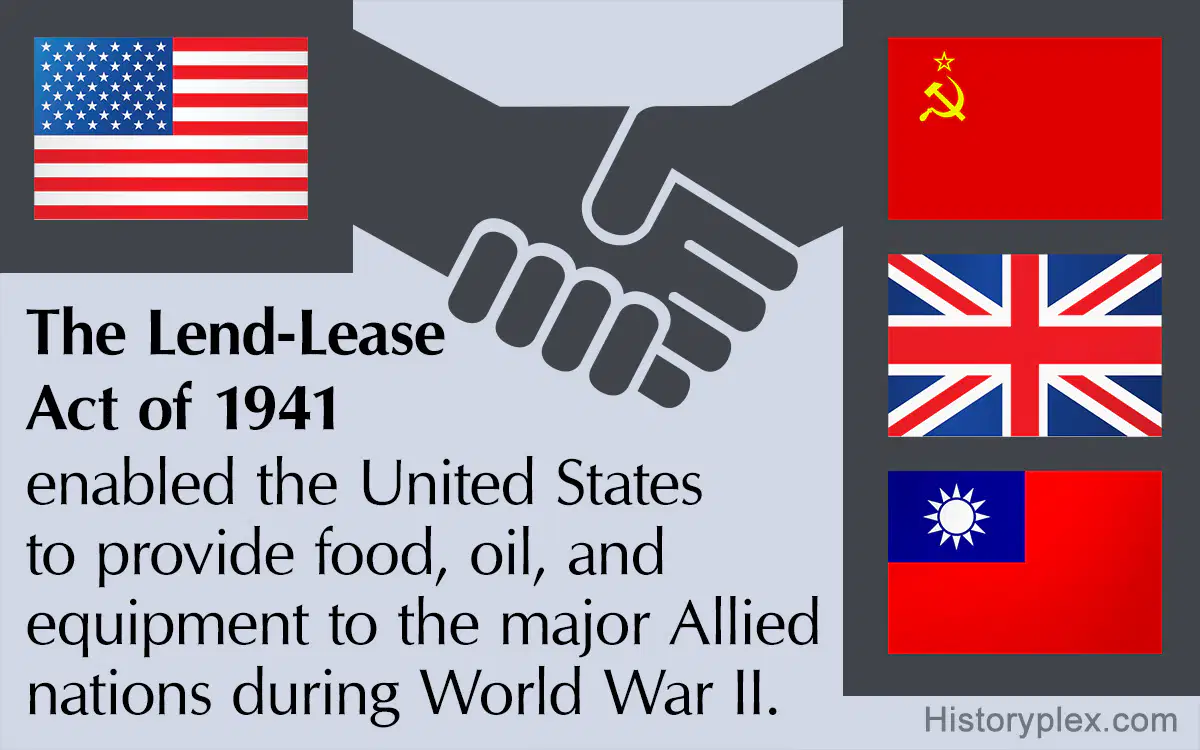
How did Roosevelt attempt to help the Allies without officially joining the war?
the Lawn-Lend Act
the Lend-Lease Act
the Loose-Change Act
the Secret Sneaky Act
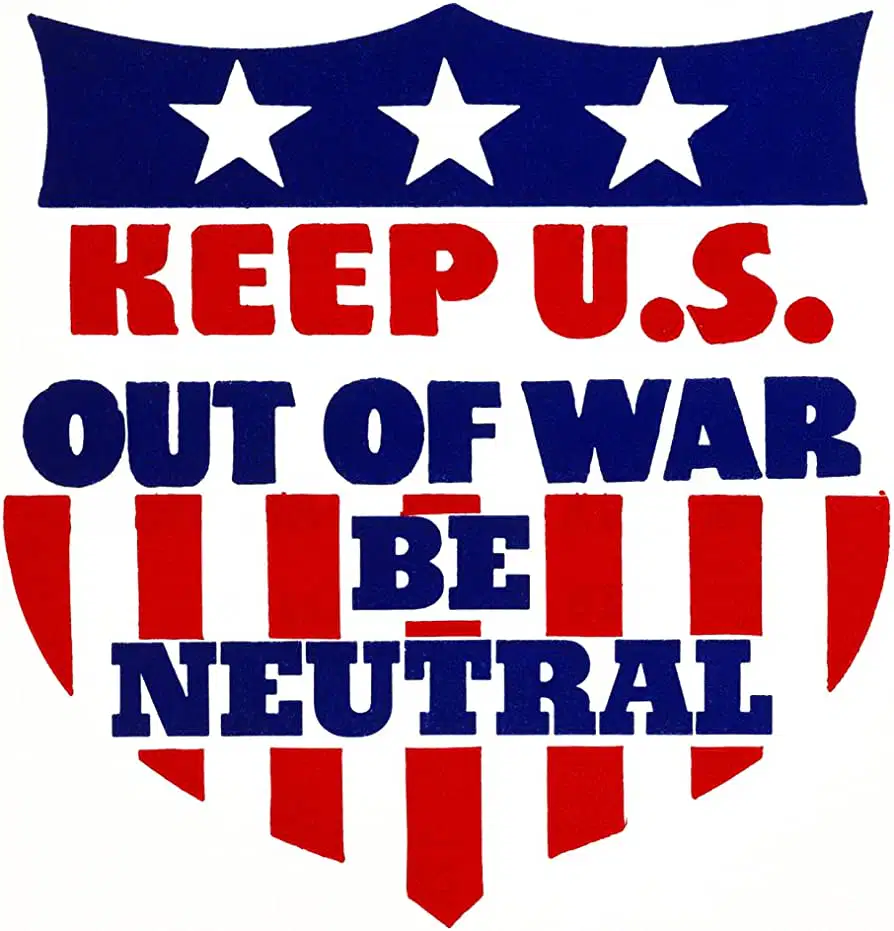
The US attempted to follow this foreign policy from 1919 until 1941.
Isolationism
Imperialism
Rationing
Island hopping
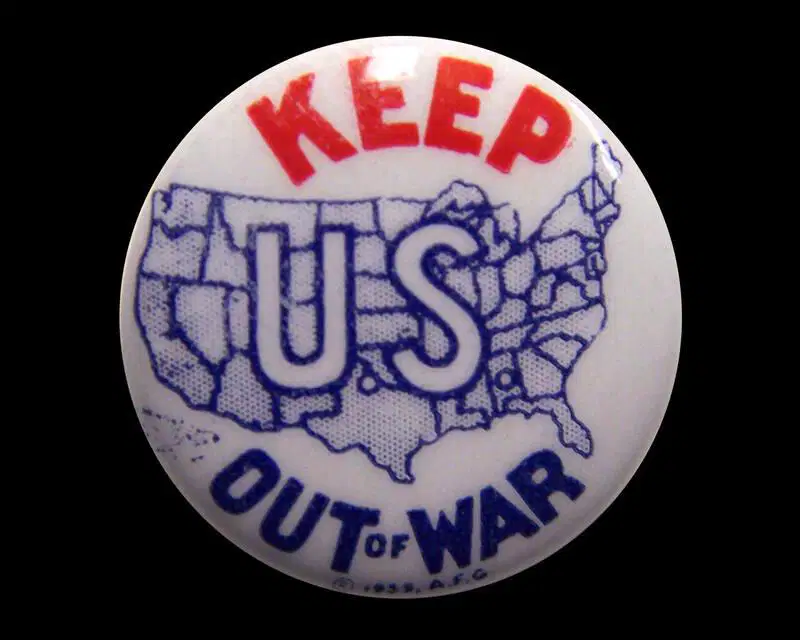
These were passed after WWII broke out to allow the US to stay out of the war.
Island Hopping
Internment Camps
Neutrality Acts
Liberty Bonds

People were encouraged to buy these to help pay for WWII.
Liberty Bonds
Atomic Bombs
Neutrality Acts
Cash and Carry

