
 Worksheets
Bio EOC Practice
Total questions: 225
Worksheet time: 4hrs 4mins
A person with swollen gums rinses his mouth with warm salt water, and the swelling decreases. Which has occurred?
The swollen gums have absorbed the saltwater solution
The saltwater solution lowers the temperature in the gums
The salt in the solution has moved against the concentration gradient
The water in the gums has moved from a high to a low concentration of water

Which amino acid sequence can be coded from the DNA sequence CAG TAG CGA?
Valine - Isoleucine - Glycine
Valine - Aspartic Acid - Alanine
Valine - Isoleucine - Alanine
Valine - Phenylalanine - Alanine
Which disease most likely occurs after excessive exposure to ultraviolet radiation?
malaria
asthma
skin cancer
polio
RNA and DNA are which type of organic compound?
carbohydrate
lipid
nucleic acid
protein
Which is an example of osmosis?
potassium ions moving in and out of an animal cell
carbon dioxide moving into the leaf cells of a plant
oxygen moving into the bloodstream from the lungs
water moving into the root cells of a plant
A scientist treats a cell with a chemical that destroys the ribosomes. As a result, which cell process will be stopped?
osmosis
photosynthesis
protein synthesis
respiration
Hitchhiker’s thumb (H) is dominant to no hitchhiker’s thumb (h). A woman who does not have hitchhiker’s thumb marries a man who is heterozygous for hitchhiker’s thumb. What is the probable genotypic ratio of their children?
0% Hh : 100% hh
50% Hh : 50% hh
75% Hh : 25% hh
100% Hh : 0% hh
What will most likely be the result if all of the mitochondria are removed from a plant cell?
It will be unable to carry out respiration
It will lose water through osmosis
It will break down the ribosomes in the cell
It will be unable to photosynthesize
What is the function of autotrophs in the carbon cycle?
To use oxygen to produce glucose
To take in excess water
To use carbon dioxide to produce glucose
To feed herbivores
A strand of DNA has these bases:
AGC CAT GTA TAC
What is the complementary DNA strand?
ACG GAT CTA TAG
TCG GTA CAT ATG
TGC CTA GAT ATC
UCG CUA CAU AUG
What is the difference between the full classification of organisms and their scientific names?
The full classification of organisms and their scientific names vary in different countries.
The scientific names of organisms include the order and family of the organisms, but the full classification includes only the species name.
The full classification of organisms will include more categories of organisms than their scientific names.
The scientific names of organisms include a single nomenclature, but the full classification includes various nomenclatures.
What type of organic molecule are enzymes?
carbohydrates
lipids
nucleic acids
proteins
How does the amount of energy resulting from fermentation compare with that of aerobic respiration?
Aerobic respiration results in less energy
Aerobic respiration results in more energy
Each process results in equal amounts of energy
Each process results in variable amounts of energy
Which best explains why muscle cells are different from blood cells?
A mutation occurs during the development of muscle cells but not in blood cells.
Different genes are activated in muscle cells than in blood cells.
Muscles cells experience different environmental influences than blood cells.
Muscle cells are produced by the brain, but blood cells are produced by the heart.
During which phase of the cell cycle is the cell growing and preparing for cellular division?
cytokinesis
anaphase
prophase
interphase
Which environmental concern is most associated with burning fossil fuels?
global climate change
pollution of ocean waters
ozone layer destruction
decrease in levels of atmospheric carbon dioxide
Which is a step in the process of producing transgenic bacteria?
A plasmid is used to replace a faulty gene in a human cell.
A chain of bacterial amino acids is inserted into human DNA.
A human gene is inserted into a bacterial plasmid.
A mutation is produced in a bacterial cell.
Some marine worms and mollusks go through similar larval stages during development. Which can be inferred about their relationship?
They share a common ancestor
The mate with each other
They compete for a habitat
The share the same food source
Which statement best describes natural selection?
As the weather changes, organisms that are able to find shelter need less energy to live.
Organisms that eat only plants need less food than organisms that eat animals.
Organisms better adapted to their environment are more likely to reproduce and pass on their traits to their offspring.
Small organisms are more likely to survive than larger organisms.
Which word equation best represents the process of cellular respiration?
carbon dioxide + glucose → oxygen + water
carbon dioxide + water → glucose + oxygen
glucose + oxygen → carbon dioxide + water
oxygen + water → carbon dioxide + glucose
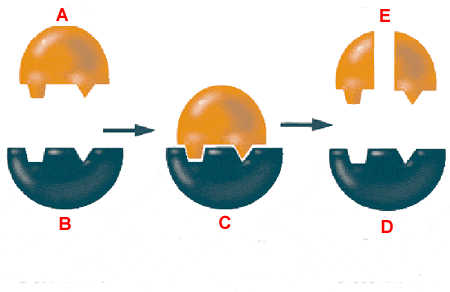
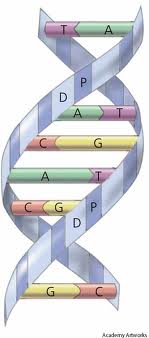

A contractile vacuole helps protists eliminate excess liquid. This is a "pumping" process which reduces pressure inside the cell and prevents the cell from bursting. What is most likely the source of energy for this process?
DNA
lipids
ATP
ribosomes


What would happen if the population of zebras decreased?
There would be less grass for other animals.
Populations of lions & hyenas would decrease.
Termites would have no food.
Baboons would have more competition for food.

If more lions were introduced to the ecosystem
the amount of hyenas would increase
the amount of giraffes would decrease
the amount of zebras would decrease
the cheetahs would have less competition

Which organism fills more than one role in this ecosystem?
carrots
owls
birds
grasshoppers

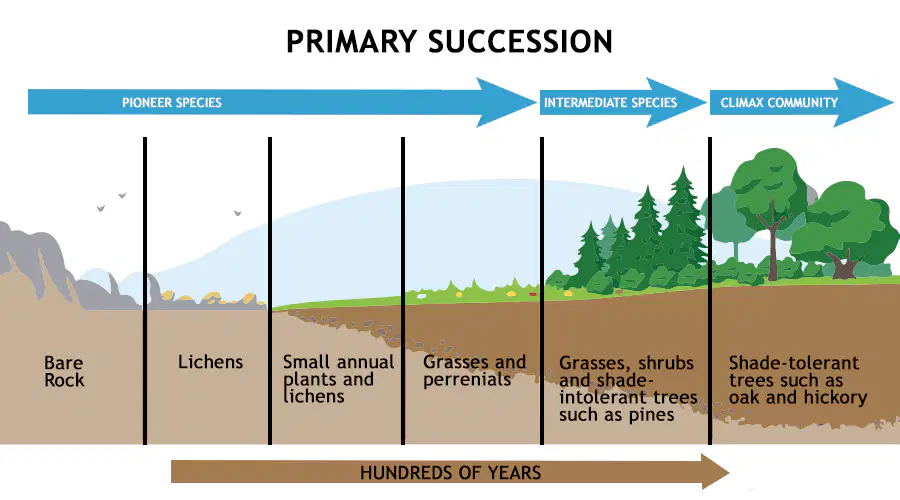
This image shows
primary succession
secondary succession

This image shows
primary succession
secondary succession

The organelle that captures the energy from sunlight and converts it into chemical energy stored in food during photosynthesis:
Chloroplast
Mitochondrion
Cell Wall
Nucleus

The organelle that converts the chemical energy stored in food molecules into compounds that are more convenient for the cell to use:
Cell Wall
Cell Membrane
Mitochondrion
Centrioles
The movement of particles from an area of low concentration to an area of high concentration
The movement of particles from an area of high concentration to an area of low concentration
Diffusion is an example of _________________ transport.
Active
Passive
Both Active and Passive
None of the above
Endocytosis is an example of ________________ transport.
Active
Passive
Both Active and Passive
None of the above
The diffusion of water through a selectively permeable membrane is called ________________.
Diffusion
Facilitated Diffusion
Osmosis
Both diffusion and facilitated diffusion
THE END RESULT OF MEIOSIS IS...
FOUR UNIDENTICAL GAMETES
FOUR IDENTICAL GAMETES
TWO IDENTICAL GAMETES
TWO UNIDENTICAL GAMETES
Which of the following is not a eukaryote?
fungi
animals
plants
archaea
If a strand of DNA had bases in the following order - ATCCGTC, what would be the replicated complementary strand?
UAGGCAG
ATCCGTC
TAGGCAG
TUGGCTG
If a strand of DNA had bases in the following order - ATCCGTC, what would be the transcribed mRNA sequence?
TAGGCAG
UAGGCAG
TUGGCUG
None of the above are correct
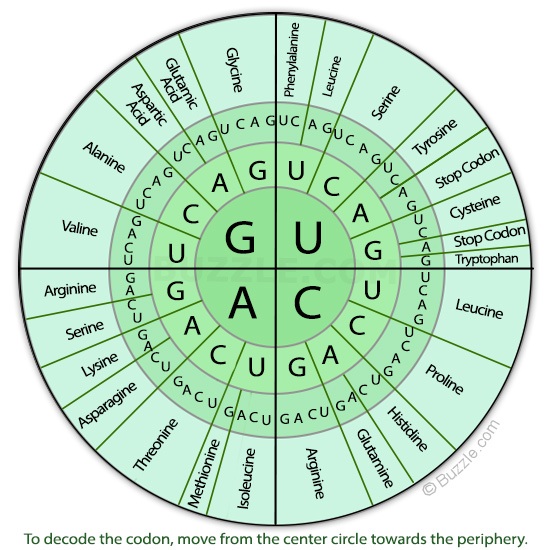
A sequence of a DNA template strand is shown.
3' TCC AAT GGC TTA TTT 5'
Which of these is the correct amino acid chain produced from the DNA template strand?
Arginine, Leucine, Proline, Asparagine
Tryptophan, Phenylalanine, Leucine
Serince, Leucine, Proline, Asparagine
Tryptophan, Phenylalanine, Leucine, Glycine
What is the primary cause of genetic variation during meiosis?
chromosomes lining up
"crossing over" of chromosomes
separation of chromosomes
chromosomes pulling apart
The failure of one or more pairs of homologous chromosomes or sister chromatids to separate "normally" during meiosis is called _____________________.
nondisjunction
anaphase I
nondiploidy
karyotype
What mutation has occurred here?
T-G-A-C-C-A
T-G-A-G-C-A
Substitution
Deletion
Insertion
Frameshift
Which of the following would result in a frameshift mutation?
Insertions only
Substitution only
Deletion only
Insertions and Deletions
DNA molecule segment is : TTACGCAAG
The mutated DNA segment is TTCGCAAG. This is an example of ___ mutation.
Substitution
Deletion
Insertion
Inversion
An inheritance pattern in which both alleles for a gene are expressed in the offspring so that both traits show up on its body is known as ---
Codominance
Incomplete dominance

____ is an inheritance pattern that results in offspring that are a MIXTURE of the two traits of its parents, like yellow and blue flowers making green offspring.
incomplete dominance.
codominance

What type of inheritance pattern is shown here?
Codominance
Incomplete dominance

Incomplete dominance occurs in cats, which allows them to be Black, White, or gray as shown on this Punnett square. What percentage of the offspring will be gray?
25
50
75
100
The 4 eukaryote kingdoms are Animals, Plants, Fungi, and
Bacteria
Archaea
Humans
Protists

Which of the following can be determined by observing the embryos shown in the diagram

Mutations are important because they bring about
death of the organism in which they develop
genetic variation needed for a population to evolve
benefits for the individual, not for the population
Hardey-Weinberg equilibrium within a population
Which of these claims is most likely true of two species that share a recent common ancestor?
The two species have different developmental patterns
The two species have similar arms and legs
The two species share DNA sequences
The ancestors of each species looked very different
Antibiotic resistant bacteria can
Survive
Reproduce
Pass on the resistant gene to their offspring
All of the above

A forest fire ignites in the Sam Houston State Forest and kills many members of a population of pigmy rattlesnakes.
Gene Flow
Genetic Drift

Select the best answer based on the image.
Gene Flow
Genetic Drift

If there is 1000 Kcal available in the producers in trophic level 1, how much energy is available in the herbivores in trophic level 2?
10Kcal
1Kcal
100Kcal
1000Kcal

Carrying capacity is...
The maximum number of individuals that can fit into an area
Ability of an area to accommodate a growing population
The greatest # of individuals an area can support over time.
The maximum number of species that can co-exist in an area


An illustration of how a particular DNA mutation will most likely affect the polypeptide produced is shown. What type of mutation is illustrated?
Insertion
Translocation
Substitution
Deletion
Which property is shared by the cells of all living things?
The cells contain DNA composed of adenine, thymine, guanine, and cytosine.
The cells are surrounded by a phospholipid bilayer and a cell wall made of cellulose.
The cells have chromosomes that are located inside a membrane-bound nucleus.
The cells rely on mitochondria to carry out aerobic cellular respiration.

A segment of DNA is shown in the diagram. Which of these identifies the part of the DNA segment labeled X?
Nucleotide
Phosphate group
Hydrogen bond
Deoxyribose
An illustration of how a particular DNA mutation will most likely affect the polypeptide produced is shown. What type of mutation is illustrated?
Insertion
Translocation
Substitution
Deletion
Which property is shared by the cells of all living things?
The cells contain DNA composed of adenine, thymine, guanine, and cytosine.
The cells are surrounded by a phospholipid bilayer and a cell wall made of cellulose.
The cells have chromosomes that are located inside a membrane-bound nucleus.
The cells rely on mitochondria to carry out aerobic cellular respiration.
A segment of DNA is shown in the diagram. Which of these identifies the part of the DNA segment labeled X?
Nucleotide
Phosphate group
Hydrogen bond
Deoxyribose
Snowshoe hares can be found living in the Rocky Mountains of New Mexico. During the summer months, when there is no snow on the ground, the snowshoe hare’s coat color is typically brown. During the winter months, when the mountains are covered in snow, the snowshoe hare’s coat is typically white. Which statement describes the genetic basis for the seasonal changes in coat color?
The snow causes mutations in the genes that regulate coat color so that snowshoe hares are adapted to their environment during the winter months.
The genes that control coat color are regulated by hormone signals that are altered by changes in environmental factors.
Sunlight causes cancer cells to develop in the bodies of snowshoe hares, resulting in an apparent brown-colored coat as a result of hair loss.
The genes that control coat color in snowshoe hares are deleted from the genome during the summer months.
A genetic cross involving two unlinked genes is represented. AaGG x aaGg
Which genotype is NOT possible in the offspring produced by the cross?
AaGG
Aagg
aaGg
aaGG

A partial DNA segment and an mRNA codon chart are shown. 3′ TCATGCATG 5′
What amino acid sequence is encoded in the partial DNA segment?
Serine – Threonine – Tyrosine
Serine – Serine – Tyrosine
Serine – Threonine – Methionine
Serine – Alanine – Methionine
In Texas Longhorn cattle, coat coloration is an inherited trait. What is the genetic basis of coat-color variation in Texas Longhorn cattle?
Differences in the nucleotide sequences of genes
Differences in the numbers of chromosomes in cells
Differences in the diets of individual cattle
Differences in the environmental conditions of different geographic areas
7 When a new mutation occurs in a somatic cell of a sexually reproducing organism, what percentage of the individual’s offspring are likely to inherit the mutation?
100%
75%
25%
0%

Some angelfish colors are determined by codominance. Possible phenotypes and genotypes of angelfish colors are shown.
Which table shows the expected phenotypes of offspring resulting from a cross between a black angelfish and a black-lace angelfish?


8 A cellular process is shown. Which statement best describes the significance of this process?
The process allows organisms to grow and heal.
The process produces clones of the parent organism.
The process copies DNA before cell division
The process creates genetic variation in the resulting cells

Cell have several mechanisms for regulating their internal environments. Which of these mechanisms involved in maintaining homeostasis requires energy?
osmosis
diffusion
active transport
passive transport


Which of the following activities occur in the S phase?

Prophase
Anaphase
Telophase
Interphase

2 Some students are instructed to put a celery stalk in a red dye solution for a lab activity. First the students carefully cut the bottom of the stalk with a scalpel. Then they put the stalk in the beaker with the solution and place the beaker on a shelf in the lab room. The next day they check the stalk and make observations. The students note that the leaves at the end of the stalk have changed color from green to red. The students cut across the celery stalk and use a hand lens to see that the small tube openings along the edge of the celery stalk are also red. The cross section is shown. How do the plant systems work together to make this movement of liquid possible?
The roots absorb water and minerals and move them up to the stem, while the stem moves food produced in the leaves down to the roots in tiny tubes.
The roots anchor the plant in the soil, and the stem holds the leaves up.
The roots absorb their own water and minerals, while the stem absorbs its water and minerals through the leaves.
The roots lose water vapor to the soil, and the stem loses water vapor through the leaves.

Part of an important cellular process involving a DNA strand is modeled. What is the purpose of this cellular process?
Preserving genetic information for future generations
Deleting the information in the sequence produced from the DNA template
Transcribing information in the DNA sequence for use by the cell
Producing more nucleotides for the DNA sequence
A student preparing for a hike wants to pack a snack that has biomolecules that provide quickly available energy but few excess calories. Which nutrition label lists the best combination of biomolecules that provide quickly available energy while providing the fewest calories from other types of biomolecules?


The model represents the change in DNA content of a cell during the cell cycle. Which part of the model represents the S phase?
I
II
III
IV
Which of these correctly compliments the following DNA strand during replication: AGGTCA
UCCAGU
TCCAGT
ACCAGU
TGGAGT
In which phase of the cell cycle is DNA replicated?
Mitosis
G1 phase
G2 phase
S phase
Adaptations that result from natural selection are expected to increase the fitness of an organism. In terms of natural selection, what is fitness?
being able to escape from predators
being among the strongest organisms in a population
being able to survive, find a mate, and produce offspring
being able to survive long enough to reach an adult age

In cattle the allele for cloven hooves (H) is dominant over the allele for mule-foot hooves (h). The phenotype for each trait is shown in this picture.
What is the probability of cloven hooves in the offspring of parents that are heterozygous for the trait?
25%
50%
75%
100%


What is a change in an organism that allows for it to survive in its environment?
homologous
vestigial
variation
adaptation


What are the three main parts of a nucleotide?
carbon, hydrogen, and oxygen
phosphate, sugar, and nitrogen base
phosphate, sulfate, and nitrate
adenine, thymine, and uracil
NUCLEOTIDES ARE THE BUILDING BLOCKS OF...
CARBOHYDRATES
LIPIDS
NUCLEIC ACIDS
PROTEINS



Scientists can determine relatedness among organisms by comparing partial amino acid sequences. The table shows four partial amino acid sequences from four organisms.
Which organism is the LEAST related to the other three organisms?
Organism 1
Organism 2
Organism 3
Organism 4

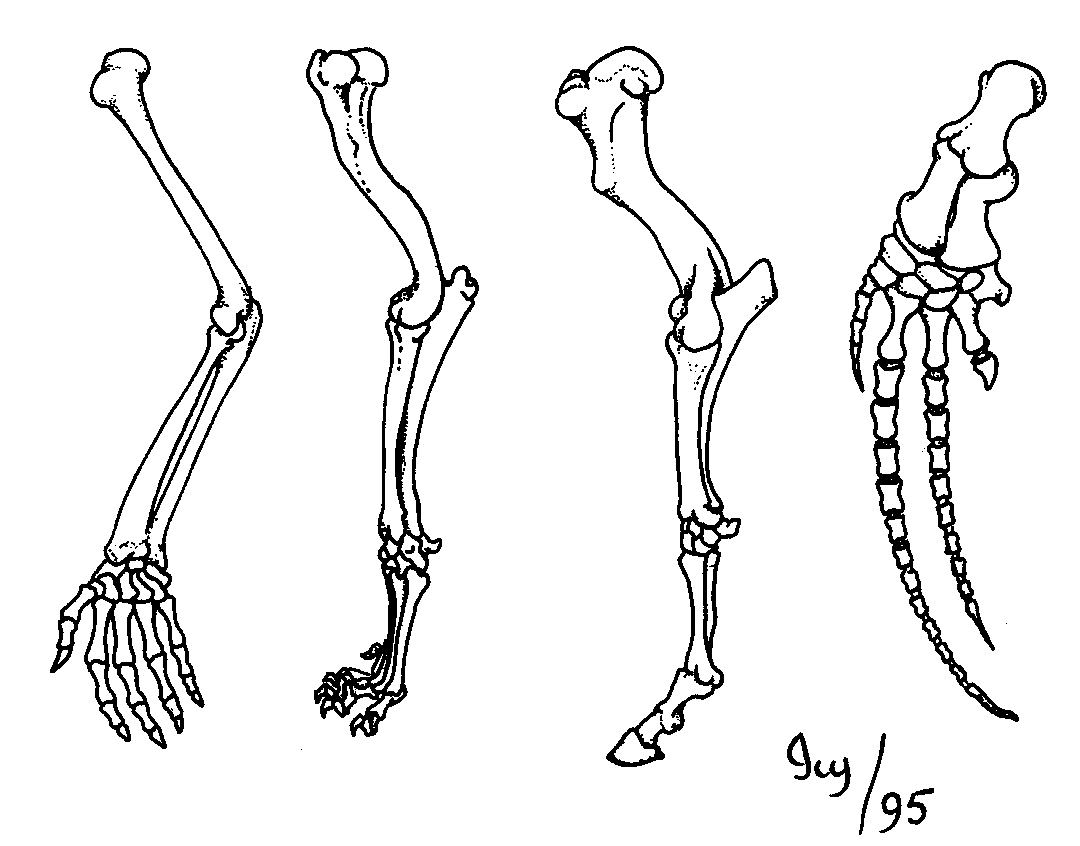
The image shows part of the humerus bone in different genera of primates.
Which statement is best supported by the observable structures of the different humerus bones?
The primates lived in similar environments.
The primates shared a common ancestor.
The primates interbreed with similar organisms in a population.
The primates had diets that consisted of similar types of foods.

Researchers studying populations of lizards from the genus Gallotia on the Canary Islands compared the protein cytochrome b in different populations. The table shows the number of differences in the cytochrome b protein between different populations.
Which conclusion about the relatedness of the lizards do these data support?
G. atlantica and G. stehlini are the least closely related. .
G. simonyi and G. bravoana are the most closely related.
G. galloti eisentrauti and G. galloti palmae are the most closely related.
G. galloti eisentrauti and G. galloti galloti are the least closely related

The graph shows the number of taxa of reptiles whose fossilized tracks have been found.
Which statement is best supported by these data?
Competition for food and shelter among reptile species was very low during the Triassic period.
A great extinction occurred during the Jurassic period.
Environmental conditions for speciation were most favorable for reptiles during the Permian period.
Reptiles adapted to a terrestrial environment during the Cretaceous period.

The diagram shows light- and dark-colored beetles that live on a tree.
Which result is most likely to occur to the beetle population due to predation over time?
The number of light-colored beetles in the population will increase.
There will be more dark-colored beetles than light-colored beetles.
The number of light-colored beetles will decrease.
The dark-colored beetles will move to a different type of tree.
The white cattail is a hybrid species of plant that is a result of the cross between the broad-leaved cattail and the narrow-leaved cattail. Over time, the white cattail has established itself in the wetlands of Midwestern states. Which of these explains the success of the white cattail?
Favorable genes from parental generations provide advantageous characteristics to the hybrid species.
Hybridization produces offspring traits that allow different species to survive in extreme environments.
Inherited traits passed on from parental generations make hybrid species more susceptible to disease.
Hybrid species display more adaptations due to their reduced genetic diversity.
Adaptations that result from natural selection are expected to increase the fitness of an organism. In terms of natural selection, which of the following best describes fitness?
Being able to escape from predators
Being among the strongest organisms in a population
Being able to survive, find a mate, and produce offspring
Being able to survive long enough to reach the adult stage
Common baboons live on the savanna in breeding groups called troops. While females tend to stay with the troop, younger or less dominant males may leave to join a neighboring troop. Which of these is a likely outcome of movement by young males?
Gene flow occurs between populations.
Allele frequencies suddenly change.
Relative genotypic frequencies reach a constant state.
Intermediate phenotypes increase in the species.
The gray squirrel, Eastern fox squirrel, and red squirrel are all different species of squirrels. Why is having a scientific name for each species of an organism important?
To prevent existing named organisms from having their names changed as they become extinct
To keep the classification system from being altered as new organisms are discovered
To allow organisms to be placed in many classification levels at the same time
To standardize the naming and organization of organisms to avoid confusion
Scientists around the world use a standardized taxonomic system. Why would scientists want to use a taxonomic system that is standardized?
In order to avoid confusion with the identification of organisms
Because Linnaeus established the system
So that Latin names can be applied for a practical purpose
In order to place organisms in different groups
Scientists around the world use a standardized taxonomic system. Why would scientists want to use a taxonomic system that is standardized?
In order to avoid confusion with the identification of organisms
Because Linnaeus established the system
So that Latin names can be applied for a practical purpose
In order to place organisms in different groups

A
B
C
D

F
G
H
I

A
B
C
D

Products (OUT) of photosynthesis
H20 + CO2 + ATP
H20 + CO2 + sunlight
C6H12O6 + O2
C6H12O6 + O2 + ATP

Reactants (IN) of photosynthesis
H20 + CO2 + ATP
H20 + CO2 + sunlight
C6H12O6 + O2
C6H12O6 + O2 + ATP

Reactants (IN) of Respiration
H20 + CO2
H20 + CO2 + sunlight
C6H12O6 + O2
C6H12O6 + O2 + ATP

Products (OUT) of Respiration
H20 + CO2 + ATP
H20 + CO2 + sunlight
C6H12O6 + O2
C6H12O6 + O2 + ATP


DNA sequence is ACAGTG. How would this be transcribed to mRNA?
TGTCAC
UGUCAC
GUGACA
CACUGU
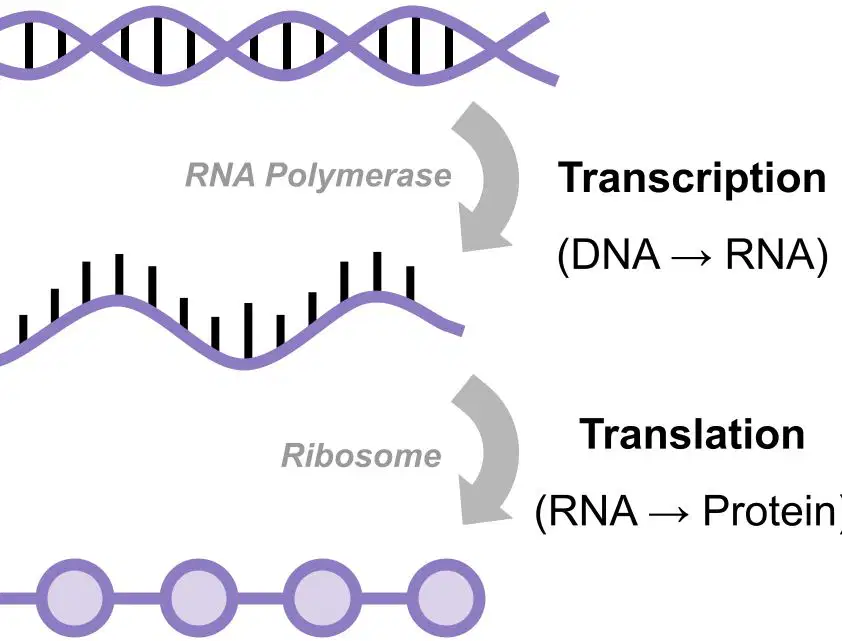
DNA-protein-RNA
Protein-RNA-DNA
RNA-protein-DNA
DNA-RNA-protein


cytosine
guanine
thymine
uracil

Adenine
Guanine
Cytosine
Thymine


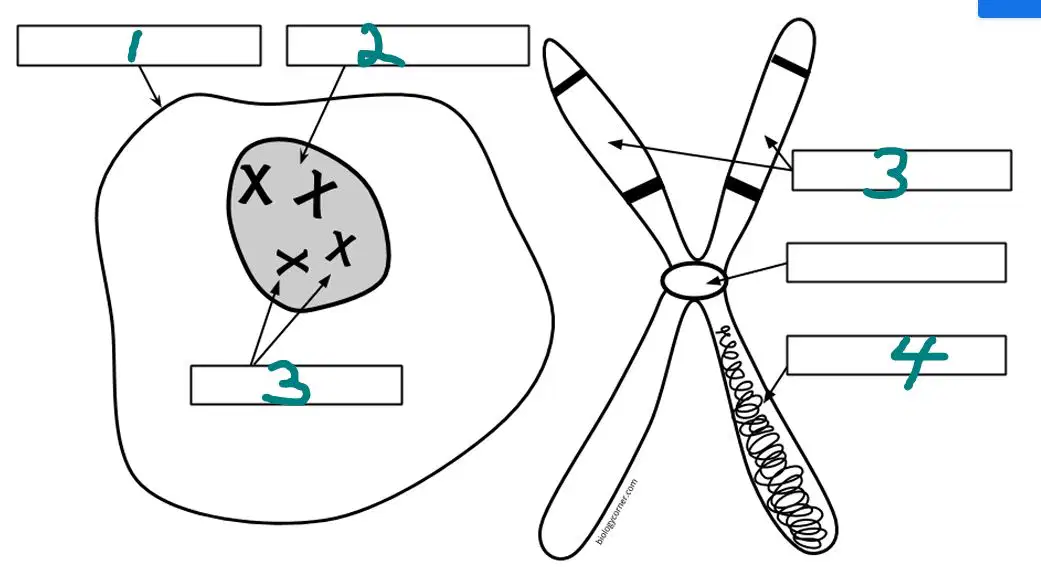
What is labeled at #3
DNA
chromosome
Nucleus
Cell Membrane

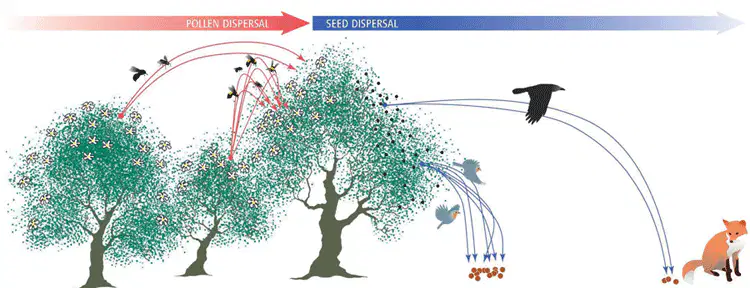
Wind carrying pollen to a new, site is an example of
Gene Flow
Genetic Drift
Species Development
Sexual Selection

a small group of organisms is eliminated randomly from a population
Gene Flow
Genetic Drift
Speciation
Mutation


Single celled
Contain circular DNA
Reproduce by binary fission
Contain membrane bound organelles

More offspring are produced than can survive
extinction occurs when organisms are more fit
Organisms compete for resources
There is variation within a population

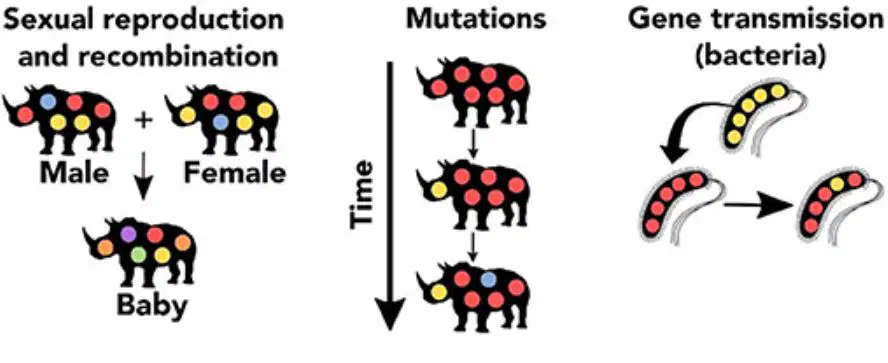
Crossing over
Sexual reproduction
Mutations
Homologous structures
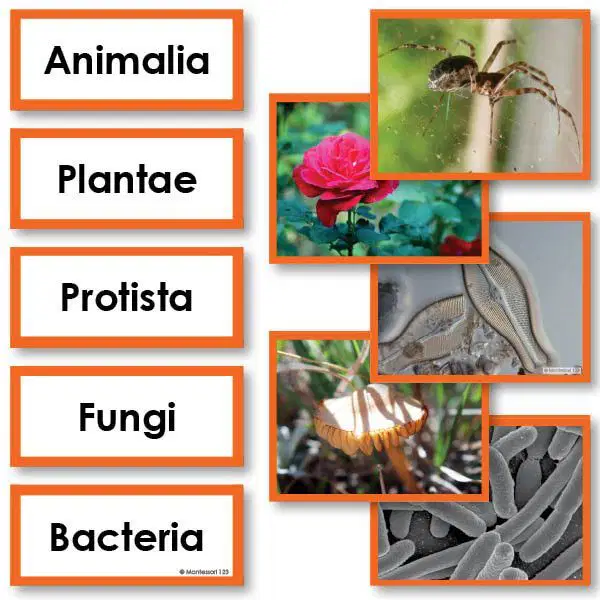
a. Archaebacterial
a. Protista
a. Plantae
a. Fungi
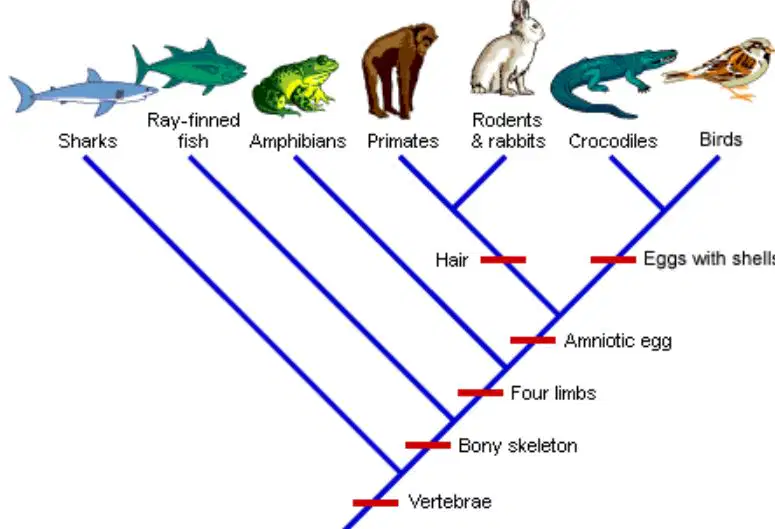
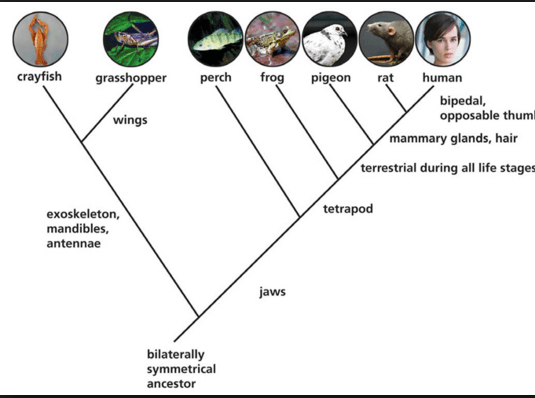
According to the phylogenetic tree (cladogram), who is most closely related to primates?
Amphibians
Rodents and rabbits
Crocodiles
Hair
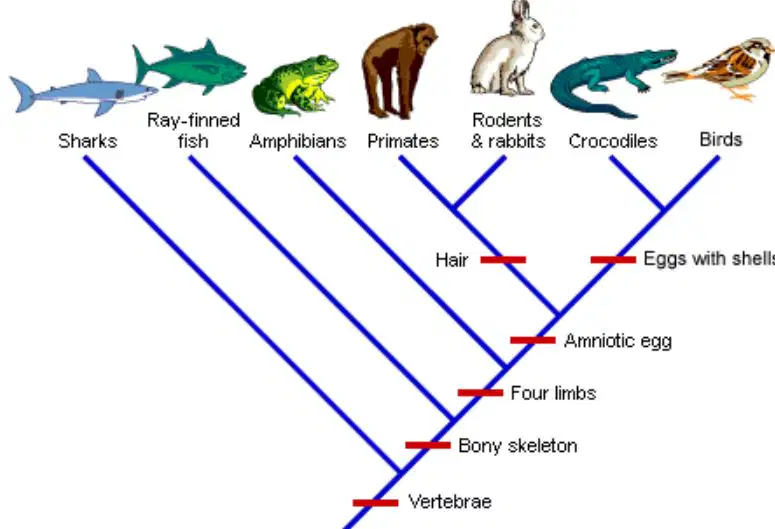
According to the phylogenetic tree (cladogram), what derived trait do all these organisms share?
Bony skeleton
Four limbs
Vertebrae
Amniotic egg

True
False


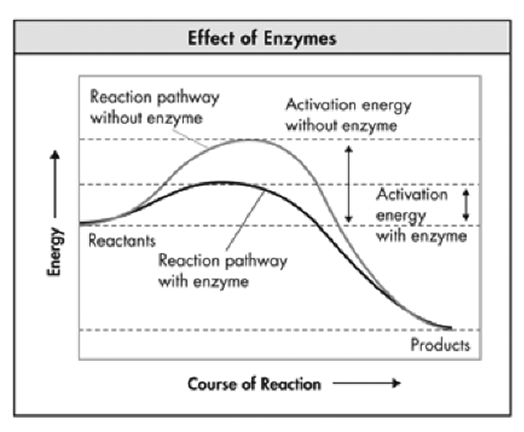

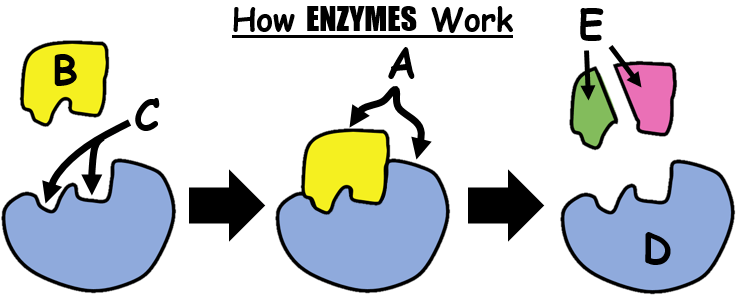
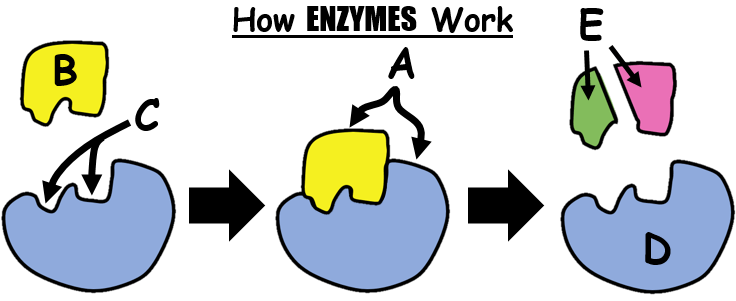
Any substance that is ACTED UPON by an Enzyme is called a(n)?
Coenzyme
Substrate
Vitamin
Polypeptide
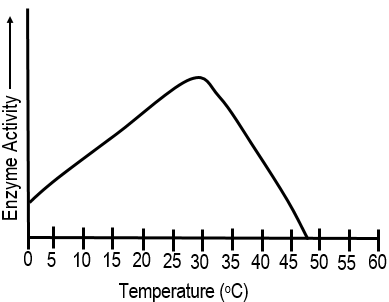
Based on the graph, what is the optimal temperature for this enzyme?
15oC
40oC
30oC
35oC
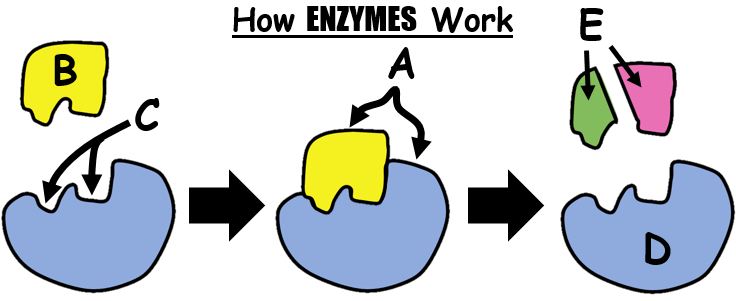
product
substrate
enzyme-substrate complex
active site

moves glucose from the leaves to the fruit and roots
stomata
xylem
phloem
flower


There is NO species diversity.
Secondary succession has more species diversity due to the lack of soil.
Secondary succession has more species diversity due to the microorganisms that survived in the soil.
Primary succession ALWAYS has more species diversity.
A temperate forest that has never been cleared for logging.
A football field that is mowed two times a week
a farm field that has not been plowed in a year
A newly formed volcanic island


Y: Predation
Y: Decomposition
Y: Nitrogen Fixation
Y: Respiration

many different species living in an area
few species living in an area
Many organisms of the same species in many areas
Few organisms of the same species in many areas

